
The Sooner State, Oklahoma, is a tapestry woven with diverse landscapes, rich history, and a vibrant spirit of adventure. For those planning a journey through this captivating region, understanding its administrative divisions can offer a unique perspective, revealing the intricate framework that defines its geography and influences its local character. The question of “How Many Counties In Oklahoma?” is more than a simple numerical query; it’s an invitation to explore the state’s historical development, its cultural subdivisions, and the practical implications for travelers navigating its expansive territory. As of the latest official counts, Oklahoma is comprised of seventy-seven counties, each with its own distinct identity, rooted in the land and the stories of its people.
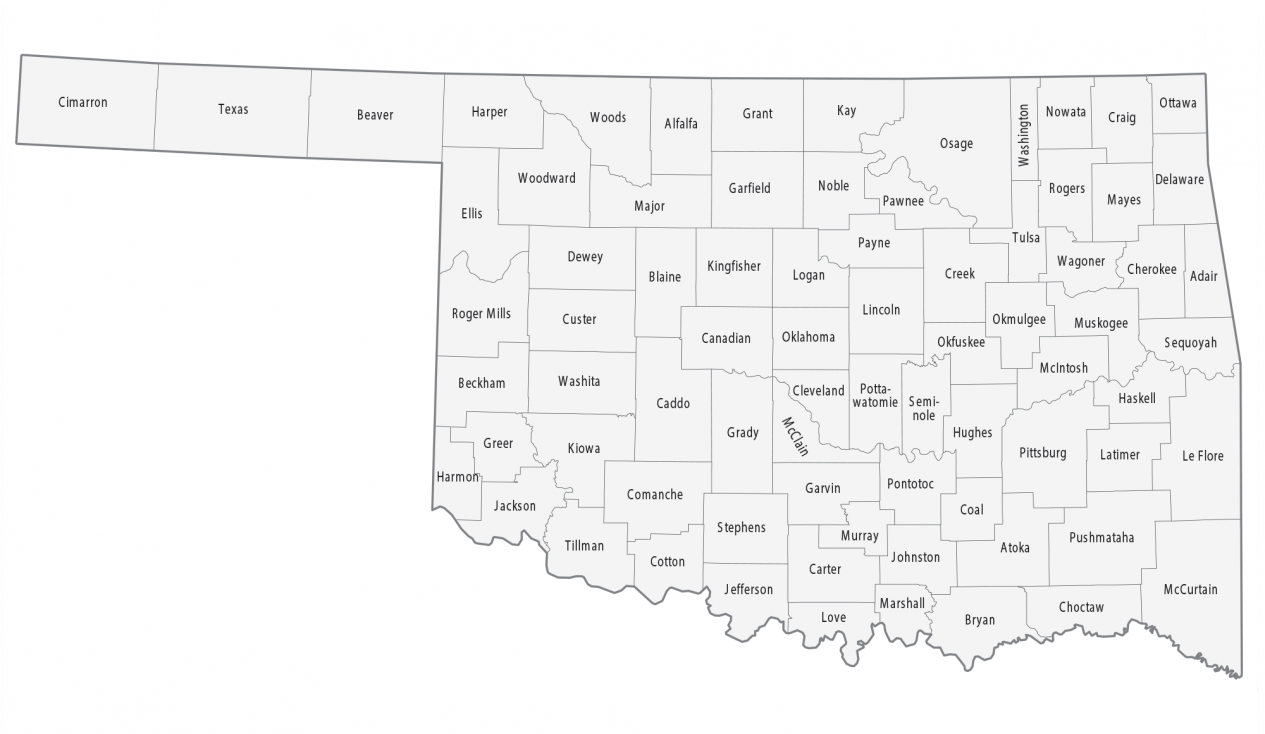
Unveiling Oklahoma’s Seventy-Seven Counties: A Geographical Mosaic
Oklahoma’s seventy-seven counties form the bedrock of its administrative and geographical organization. This number reflects a history of settlement, statehood, and the evolution of its governance. Each county, from the bustling urban centers to the serene rural expanses, plays a vital role in the state’s identity and the experiences available to visitors.
Historical Roots and County Formation
The establishment of counties in Oklahoma is deeply intertwined with its complex history. Initially, much of the land was designated as Indian Territory, home to numerous Native American tribes. The Dawes Act and the subsequent opening of lands for settlement led to a significant influx of pioneers, prompting the need for a structured administrative system.
- Early Territories: Before statehood in 1907, the region was divided into various territories and districts, often with names reflecting their historical significance or geographical features. The process of county formation was a gradual one, driven by population growth and the desire for local governance.
- Statehood and Consolidation: Upon achieving statehood, Oklahoma inherited a landscape of established and newly formed counties. The current count of seventy-seven represents the culmination of these historical processes, a finalized map of administrative divisions that has remained largely consistent for decades.
The Significance of County Boundaries for Travelers
For the intrepid traveler, understanding the county structure can enhance exploration and planning. County lines often delineate shifts in landscape, culture, and even local attractions.
- Navigational Framework: Counties provide a fundamental layer of navigation. When using maps or GPS, understanding the county in which a particular destination lies can offer valuable context. For instance, knowing you are heading into Tulsa County signals a shift towards a more urban environment, while entering McCurtain County in the southeastern corner suggests dense forests and rolling hills.
- Cultural and Economic Hubs: County seats, typically the administrative centers, often serve as focal points for local commerce, history, and community events. Exploring these county seats can provide authentic glimpses into Oklahoma’s diverse heritage. For example, Oklahoma City is the county seat of Oklahoma County, a major metropolitan hub, while Ardmore serves as the county seat for Carter County, an area rich in oil history and agricultural heritage.
- Discovering Local Gems: Many of Oklahoma’s most charming and unique attractions are found within specific counties. From the natural beauty of the Wichita Mountains in Comanche County to the historic Route 66 attractions scattered across counties like Tulsa County and Caddo County, the county structure helps organize and highlight these regional treasures.
Exploring Diverse Landscapes Through Oklahoma’s Counties
Oklahoma’s seventy-seven counties encompass a remarkable array of natural environments, from the arid plains of the west to the lush forests of the east. Each county contributes to the state’s overall geographical richness, offering distinct experiences for nature enthusiasts and adventurers.
The Great Plains and Western Oklahoma
The western reaches of Oklahoma are characterized by sweeping prairies, vast ranches, and a sense of wide-open spaces. Counties like Cimarron County, home to the highest point in the state, Black Mesa, and Texas County, offer stunning vistas and opportunities for stargazing in famously dark skies.
- Panhandle Highlights: The Panhandle counties, including Cimarron, Texas, and Beaver, showcase the rugged beauty of the high plains. Visitors can explore fossil beds, enjoy the unique topography, and experience a slower pace of life.
- Red Bed Plains: Further south, counties like Woodward County and Dewey County are part of the Red Bed Plains, known for their distinctive red soil and classic prairie landscapes.
The Ozark Highlands and Eastern Oklahoma
Contrastingly, eastern Oklahoma is defined by the rolling hills of the Ozark Mountains and the Ouachita Mountains. These regions are characterized by dense forests, crystal-clear lakes, and abundant opportunities for outdoor recreation.
- Ouachita Mountain Majesty: Counties such as Le Flore County and McCurtain County are home to the scenic beauty of the Ouachita Mountains. Here, visitors can hike through ancient forests, canoe on pristine rivers like the Broken Bow Lake, and discover hidden waterfalls. The Talimena National Scenic Drive, traversing these counties, offers breathtaking panoramic views.
- Ozark Plateau Charm: The northeastern part of the state, encompassing counties like Cherokee County and Adair County, falls within the Ozark Plateau. This area is renowned for its natural springs, scenic byways, and a strong connection to Native American heritage, particularly the Cherokee Nation.
Central Oklahoma and the Cross Timbers
Central Oklahoma serves as a transitional zone, featuring a blend of prairie, woodland, and rolling hills. The Cross Timbers region, a band of mixed deciduous forest and prairie, traverses many of these counties, offering unique ecological diversity.

- Lake Country: Numerous counties in this region boast impressive reservoirs, such as Lake Texoma which straddles the border of Marshall County and Bryan County. These lakes are popular destinations for boating, fishing, and camping.
- The Cross Timbers: Counties like Pottawatomie County and Seminole County are marked by the distinctive Cross Timbers ecosystem, a fascinating transition zone that supports a variety of wildlife and offers unique hiking and exploration opportunities.
Cultural Tapestry Woven Across Oklahoma’s Counties
Beyond geography, Oklahoma’s seventy-seven counties are each imbued with distinct cultural narratives, shaped by the diverse peoples who have called this land home. From the enduring legacies of Native American tribes to the pioneering spirit of early settlers and the artistic vibrancy of its cities, each county offers a unique chapter in the state’s rich cultural story.
Native American Heritage and Influence
Oklahoma is home to 39 federally recognized Native American tribes, and their history, traditions, and contemporary presence are woven into the fabric of many counties.
- Tribal Nations and Lands: Counties such as Cherokee County, Muscogee Creek County, and Osage County are deeply connected to the history and present-day governance of powerful tribal nations. Visitors can explore tribal museums, cultural centers, and historical sites that offer profound insights into the resilience and enduring culture of these peoples. The Cherokee National Museum in Tahlequah, Cherokee County, is a must-visit.
- Cultural Celebrations: Throughout the year, many counties host powwows, festivals, and cultural events that celebrate Native American heritage, providing opportunities for authentic engagement and learning.
The Pioneer Spirit and Historic Sites
The legacy of westward expansion and the establishment of communities across Oklahoma are evident in the historic sites and preserved towns found within its counties.
- Route 66: Many counties along the historic “Mother Road,” Route 66, are dotted with classic diners, vintage motels, and roadside attractions that evoke the golden age of American travel. Counties like Rogers County with its iconic Blue Whale of Catoosa, and Oklahoma County with its urban stops, offer nostalgic journeys.
- Preserved Towns and Museums: From the ghost towns of the western plains to the meticulously preserved pioneer villages in counties like Logan County (home to the Oklahoma Territorial Museum in Guthrie), numerous sites offer windows into Oklahoma’s past.
Artistic Vibrancy and Urban Centers
While Oklahoma is known for its natural beauty, its urban centers and smaller towns also boast thriving arts scenes and cultural institutions.
- Metropolitan Hubs: Oklahoma City in Oklahoma County and Tulsa in Tulsa County are vibrant cultural centers, offering world-class museums, theaters, live music venues, and diverse culinary experiences. The Philbrook Museum of Art in Tulsa and the Oklahoma City Museum of Art are highlights.
- Local Artisans and Galleries: Beyond the major cities, many smaller counties are home to charming galleries, artisan workshops, and community arts programs that showcase local talent and creativity. Exploring these can lead to unique finds and memorable interactions.
Planning Your Oklahoma Adventure: Navigating by County
With seventy-seven counties to explore, Oklahoma offers an incredibly diverse range of experiences for every type of traveler. Whether you’re drawn to the rugged beauty of the west, the lush forests of the east, the historic byways, or the vibrant cityscapes, understanding the county structure can help you craft the perfect itinerary.
Tailoring Your Trip by County Type
Consider the kind of experience you’re seeking and let the counties guide your choices.
- For Outdoor Enthusiasts: Focus on counties known for their natural parks and recreational areas. This includes the mountainous regions of Le Flore County and McCurtain County, the vast plains of the Panhandle counties like Cimarron County, and the lake-rich areas around Lake Texoma in Marshall County and Bryan County.
- For History Buffs: Delve into counties with significant historical landmarks and preserved sites. Oklahoma County offers the Oklahoma History Center, while Logan County boasts Guthrie and its territorial history. The counties along Route 66 are also essential for those interested in Americana.
- For Culture Seekers: Explore counties with strong Native American heritage or vibrant urban arts scenes. Cherokee County and Osage County offer deep dives into tribal culture, while Oklahoma County and Tulsa County provide access to world-class museums and galleries.

Practical Considerations for County Exploration
- Distance and Travel Time: Oklahoma is a large state, and travel between counties can take time. Plan your routes considering the distances involved. For instance, traversing from the Panhandle’s Cimarron County to the southeastern corner of McCurtain County is a significant undertaking.
- Seasonal Variations: The attractions and experiences available in different counties can vary with the seasons. Summer is ideal for lake activities, while autumn offers stunning foliage in the eastern counties. Winter can bring unique beauty to the plains, and spring bursts forth with wildflowers across the state.
- Local Events and Festivals: Research local events, festivals, and farmers’ markets occurring within the counties you plan to visit. These often provide the most authentic and engaging experiences of Oklahoma’s local culture.
By understanding that Oklahoma is comprised of seventy-seven distinct counties, travelers can unlock a deeper appreciation for its diverse landscapes, rich history, and vibrant cultural tapestry, transforming a simple question into a gateway for unforgettable journeys across the Sooner State.
LifeOutOfTheBox is a participant in the Amazon Services LLC Associates Program, an affiliate advertising program designed to provide a means for sites to earn advertising fees by advertising and linking to Amazon.com. Amazon, the Amazon logo, AmazonSupply, and the AmazonSupply logo are trademarks of Amazon.com, Inc. or its affiliates. As an Amazon Associate we earn affiliate commissions from qualifying purchases.