
Understanding the minimum wage in Oklahoma is a crucial piece of information for anyone living or planning to work within the Sooner State. It directly impacts the earning potential for a significant portion of the workforce and influences the cost of goods and services across various sectors, including the vibrant tourism industry that thrives in Oklahoma City and beyond. While the federal minimum wage sets a baseline, individual states can, and often do, enact their own higher minimum wage standards. This exploration delves into Oklahoma’s specific minimum wage laws, their historical context, and their broader implications for travelers and those seeking accommodation or experiencing local culture.

The Current Minimum Wage Landscape in Oklahoma
As of the most recent legislative updates, Oklahoma adheres to the federal minimum wage, which is currently set at $7.25 per hour. This means that employers within the state are legally obligated to pay their employees at least this amount for all hours worked. This rate has remained unchanged at the federal level since July 24, 2009. However, it is important to note that the situation for minimum wage in Oklahoma has been a subject of ongoing discussion and legislative proposals over the years.
Federal vs. State Minimum Wage
The interplay between federal and state minimum wage laws is a fundamental aspect of labor economics. The Fair Labor Standards Act (FLSA) establishes the federal minimum wage. States are permitted to set their own minimum wage rates, but these rates cannot fall below the federal standard. If a state’s minimum wage is higher than the federal minimum wage, employers must pay the higher state rate. Conversely, if a state has no specific minimum wage law, or if its minimum wage is lower than the federal rate, then the federal minimum wage applies.
In Oklahoma’s case, the state has not enacted a minimum wage higher than the federal $7.25 per hour. This has led to a situation where many workers in the state earn at the federal minimum. This is a point of consideration for many, especially as the cost of living can vary and often outpace the stagnant federal minimum wage.
Tipped Employees in Oklahoma
A significant distinction within minimum wage laws concerns tipped employees. In many states, including Oklahoma, employers can pay a lower cash wage to employees who regularly receive tips, with the expectation that the tips will bring their total earnings up to at least the standard minimum wage. For tipped employees in Oklahoma, the cash wage employers are allowed to pay is $2.13 per hour. However, this is contingent on the employee earning at least $5.12 per hour in tips. If an employee’s tips, combined with the $2.13 cash wage, do not equal the regular minimum wage of $7.25 per hour, the employer must make up the difference. This provision is particularly relevant to service industry workers in popular tourism hubs like Tulsa and Oklahoma City, where roles in restaurants and hospitality are abundant.
Impact on Local Businesses and Economy
The minimum wage, or lack thereof above the federal level, in Oklahoma has a tangible effect on local businesses. For small businesses, particularly those in the hospitality and food service sectors that are vital to the tourism industry, labor costs are a significant operational expense. A higher minimum wage could potentially lead to increased labor costs, which businesses might then pass on to consumers through higher prices for goods and services, or through reduced staffing.
Conversely, advocates for a higher minimum wage argue that it can stimulate the local economy. Increased wages can lead to greater consumer spending power, boosting demand for local products and services, including those offered by hotels, restaurants, and other attractions. A higher minimum wage can also reduce employee turnover by increasing job satisfaction and loyalty, thereby saving businesses money on recruitment and training. This debate is ongoing and influences policy decisions that affect the economic well-being of Oklahoma residents and visitors alike.
Historical Context and Legislative Efforts
The minimum wage in Oklahoma has not always been a static figure. Like many states, its minimum wage has seen adjustments over time, often mirroring federal changes or in response to state-specific economic conditions and political will.
Past Wage Adjustments
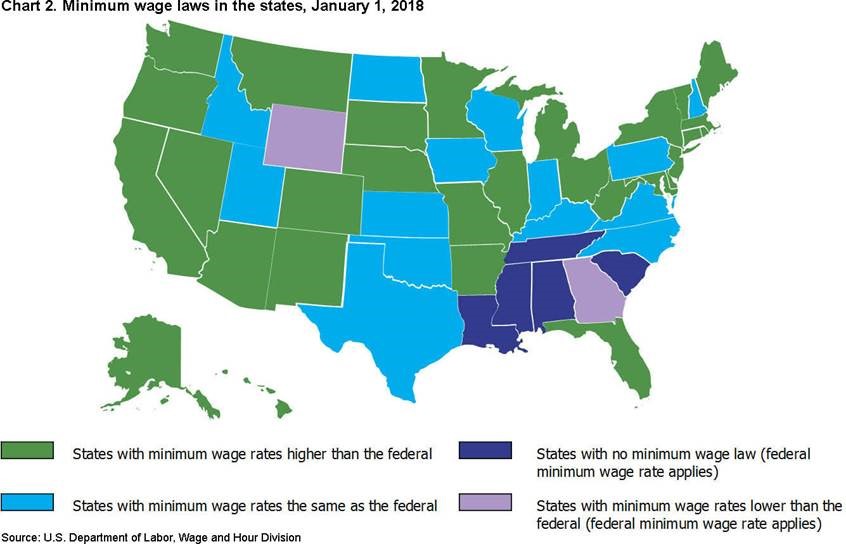
Historically, Oklahoma has aligned its minimum wage with federal mandates. The federal minimum wage has seen periodic increases since its inception, and states have typically followed suit. However, the extended period during which the federal minimum wage has remained at $7.25 has also meant that states without their own independent increases have seen their minimum wage effectively erode in purchasing power due to inflation.
Attempts to Raise the Minimum Wage
Over the past decade, there have been numerous attempts in the Oklahoma legislature to pass bills that would raise the state’s minimum wage to a level higher than the federal $7.25. These proposals have often been met with significant opposition, citing concerns about the potential negative impacts on businesses, particularly small businesses and those in agriculture or rural areas. Proponents, on the other hand, have highlighted the need for a living wage that better reflects the cost of living in the state and reduces poverty. These legislative debates underscore the complex socio-economic considerations involved in setting wage policies.
Implications for Travelers and Visitors
For those planning a visit to Oklahoma, understanding the minimum wage can offer insights into the local economy and the cost of services you might encounter. While the direct impact on the price of a ticket to the National Cowboy & Western Heritage Museum or a night at a boutique hotel in Guthrie might not be immediately apparent, it underpins the service industry that facilitates much of the visitor experience.
Cost of Services and Goods
In areas where the minimum wage is lower, there can be a ripple effect on the cost of goods and services. Businesses may operate with tighter margins, which can influence pricing. For instance, dining at a local eatery or utilizing services offered by resorts can reflect the underlying labor costs. While Oklahoma remains an attractive destination for its affordability in many aspects compared to other states, the minimum wage is a factor that contributes to the overall economic environment.
Employment Opportunities and Local Economy
For individuals considering working in Oklahoma, particularly in seasonal tourism jobs or entry-level positions, the minimum wage is a primary determinant of their earnings. A higher minimum wage could translate into increased disposable income for residents, potentially boosting local spending on entertainment, dining, and local attractions. This, in turn, can create a more robust local economy that benefits both residents and the businesses that serve them, including those in the travel and hospitality sectors.
Future Outlook and Considerations
The conversation surrounding minimum wage in Oklahoma is far from over. As economic conditions evolve and societal expectations regarding fair compensation shift, it is likely that legislative efforts to address the minimum wage will continue.
Economic Factors and Cost of Living
The cost of living is a significant factor in discussions about minimum wage. While the federal minimum wage has remained constant, the prices of housing, food, transportation, and healthcare have generally increased over time. This divergence means that for many workers earning the minimum wage, their earnings may not be sufficient to cover basic necessities, a situation that becomes more pronounced in urban centers like Oklahoma City or Tulsa where costs can be higher. This economic reality fuels the ongoing debate for a higher minimum wage that better aligns with the cost of living.

Potential for Future Legislation
Given the persistent interest in improving earning potential for low-wage workers, it is reasonable to anticipate that proposals to increase Oklahoma’s minimum wage will reappear in future legislative sessions. The outcome of such proposals will depend on a variety of factors, including the prevailing economic climate, the political landscape, and the advocacy efforts of various stakeholder groups. Travelers and residents alike will be keeping a close eye on these developments, as they have the potential to shape the economic fabric of the state and influence the experience of visiting and living in Oklahoma. Whether the state eventually moves to a higher minimum wage, or continues to follow the federal standard, the discussion itself highlights the importance of labor economics in understanding the broader context of any destination, from its famous landmarks to its everyday economic pulse.
LifeOutOfTheBox is a participant in the Amazon Services LLC Associates Program, an affiliate advertising program designed to provide a means for sites to earn advertising fees by advertising and linking to Amazon.com. Amazon, the Amazon logo, AmazonSupply, and the AmazonSupply logo are trademarks of Amazon.com, Inc. or its affiliates. As an Amazon Associate we earn affiliate commissions from qualifying purchases.