
When considering alternative methods of acquiring goods, particularly for budget-conscious travelers or those interested in sustainable practices, the question of legality often arises. In the context of exploring new destinations, understanding local ordinances and regulations is paramount to avoiding unintended legal entanglements. This exploration delves into the specific question of dumpster diving legality within the state of Oklahoma, a topic that intersects with consumer rights, property laws, and public health concerns. While often associated with “off-the-beaten-path” travel experiences or a fringe lifestyle, the legality of retrieving discarded items can have significant implications for individuals, especially when traveling through different jurisdictions.
Understanding the Legal Landscape of Dumpster Diving
The legality of dumpster diving is not a straightforward “yes” or “no” answer and is highly dependent on a complex interplay of federal, state, and local laws. Generally, the legal standing hinges on the concept of abandonment and private property rights. When items are placed in a dumpster, the crucial question becomes whether they are considered abandoned property or still under the ownership or control of the property owner.
Federal Precedent and the Supreme Court Ruling
A landmark decision that significantly shaped the legality of dumpster diving across the United States was the U.S. Supreme Court case California v. Greenwood (1988). In this case, the Supreme Court ruled that individuals do not have a reasonable expectation of privacy in garbage left for collection in a publicly accessible area. This ruling established that law enforcement could search such garbage without a warrant. While this case pertains to search and seizure laws rather than the act of taking items, it has been interpreted by many as a foundational step in recognizing that discarded items in accessible locations are, to some extent, fair game. However, it is crucial to note that this Supreme Court ruling did not grant a universal right to dumpster dive; rather, it addressed the Fourth Amendment’s protection against unreasonable searches. The legality of the act of taking itself remains subject to state and local statutes.
State-Level Interpretations and Oklahoma’s Position
States and individual municipalities then build upon this federal understanding, often enacting their own specific ordinances or relying on existing property laws. In Oklahoma, the legality of dumpster diving is not explicitly defined by a singular state statute that broadly permits or prohibits the activity. Instead, it is governed by a combination of general property laws, trespass laws, and local ordinances.
The primary legal considerations in Oklahoma revolve around:
- Trespass: Entering private property without permission to access dumpsters can be considered trespassing. This is particularly relevant if the dumpster is located on private land, behind a locked gate, or within a fenced area. Many businesses and residences have dumpsters situated on their private property, and unauthorized entry to access them can lead to criminal charges.
- Intent: While the intent behind dumpster diving might be survival, resourcefulness, or sustainability, the legal ramifications often focus on the act of entering private property without consent or removing property that is not yet considered abandoned in a legally recognized manner.
- Public vs. Private Property: Dumpsters located on public property (though less common for commercial waste) might present a different legal scenario than those on private commercial or residential property. However, even public property can have regulations against scavenging or littering.
Local Ordinances: The Key Determinant
Perhaps the most significant factor in determining the legality of dumpster diving in Oklahoma lies within local city and county ordinances. Many municipalities enact specific laws addressing waste management, public health, and property use. These ordinances can explicitly prohibit or regulate the removal of items from dumpsters.
For instance, a city might have ordinances that:
- Designate dumpsters as the property of the waste management company or the property owner until collected. This means that even if an item is discarded, it is not legally abandoned until it is picked up by the authorized service.
- Prohibit scavenging or the disturbance of refuse. These ordinances are often enacted for public health and safety reasons, to prevent the spread of disease, and to maintain the tidiness of public and private spaces.
- Require permits for the collection or disposal of certain materials.
Therefore, what might be tolerated in one Oklahoma town or city could be strictly prohibited in another. Travelers exploring Oklahoma, particularly those interested in this practice, must research the specific regulations of the city or county they are in.
Factors Influencing Dumpster Diving Legality
Beyond the general legal frameworks, several specific factors can influence whether dumpster diving is considered legal or illegal in a particular instance in Oklahoma.
Dumpster Location and Accessibility
The physical location and accessibility of the dumpster are critical.
Private Commercial Property

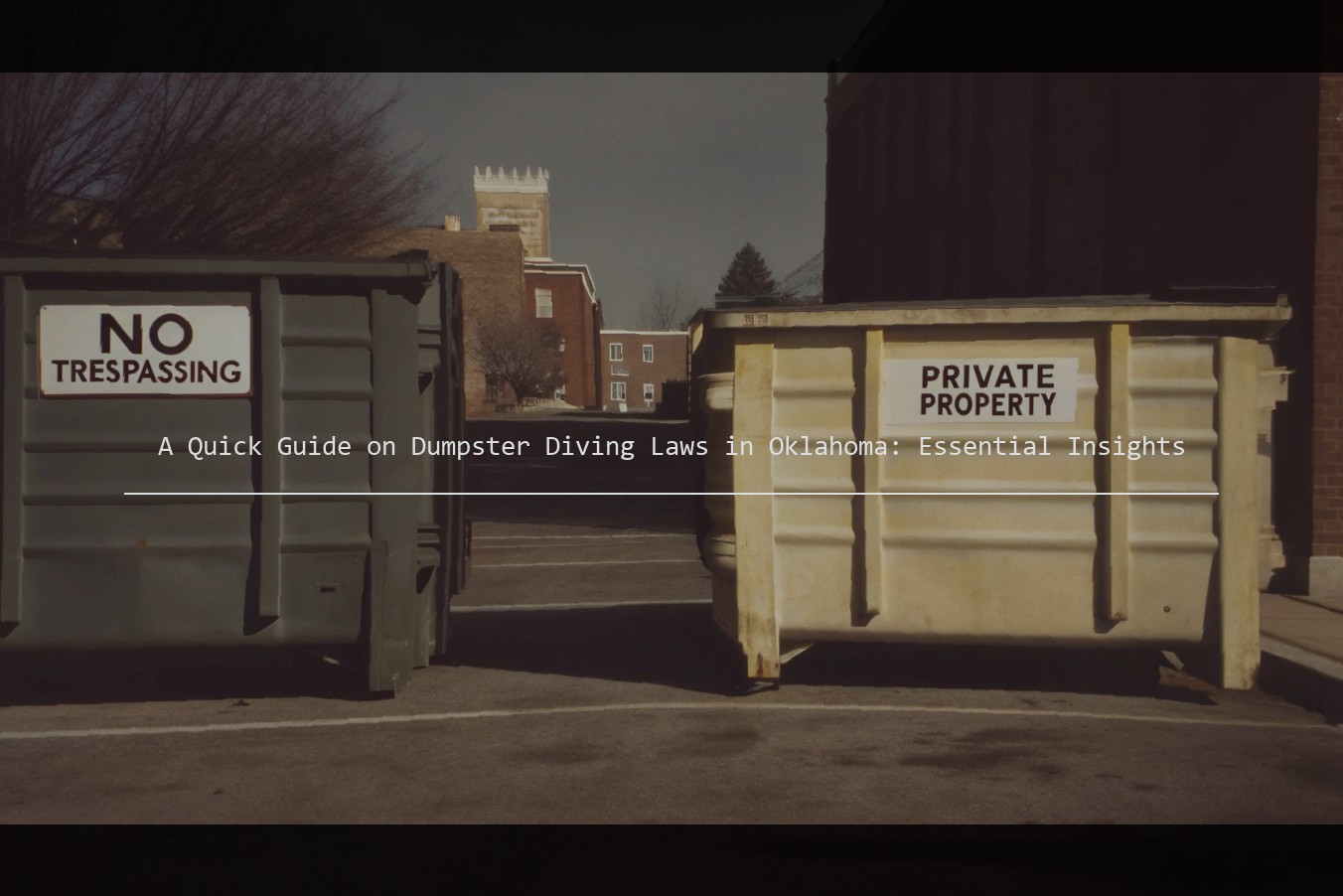
Most dumpsters are located on the private property of businesses. Accessing these dumpsters often requires entering the property. If the dumpster is in a clearly marked private area, behind a fence, or has “No Trespassing” signs, attempting to access it can lead to charges of criminal trespass. Businesses have a right to control access to their property, and their waste is generally considered their property until it is lawfully removed.
Residential Properties
Dumpsters on residential properties are also private. Attempting to access them without permission would be considered trespassing and potentially a violation of privacy.
Public Areas
While less common, some dumpsters might be located on public property. However, even in such cases, local ordinances may prohibit scavenging or disturbing public waste receptacles.
Property Owner’s Intent and Control
The legal concept of “abandonment” is central. For an item to be considered legally abandoned, the owner must have relinquished all rights and title to it, with no intention of reclaiming it. When items are placed in a dumpster, it is often presumed that the owner intends for them to be disposed of by a waste management service. The act of placing them in a dumpster typically signifies intent to relinquish ownership to the waste hauler or the landfill. However, this is a nuanced legal point.
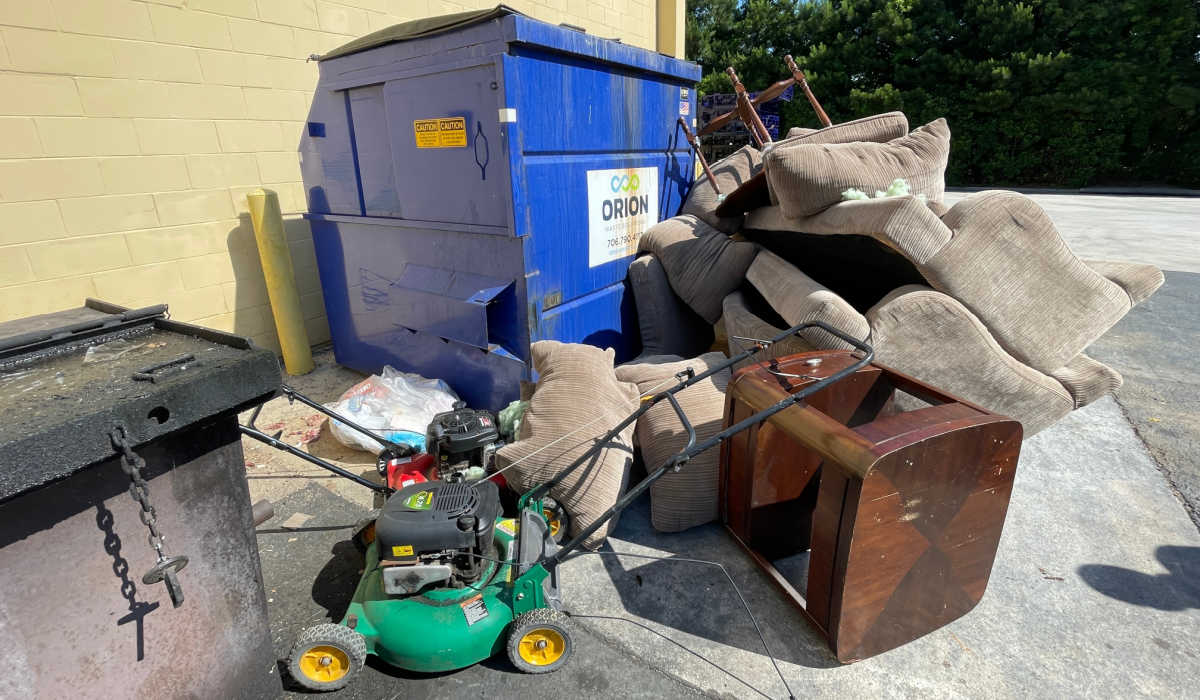
- Clear Abandonment: Items left beside a dumpster, clearly separated from the container and clearly intended for disposal, might be viewed differently than items still within the dumpster.
- Control by Waste Management: Once a waste management company takes possession of the dumpster contents, the items are under their control. Removing them at this stage could be considered theft from the waste management company.
Public Health and Safety Concerns
Many laws prohibiting dumpster diving are rooted in public health and safety. Discarded materials can harbor pathogens, sharp objects, or hazardous substances. Allowing unrestricted access to dumpsters could pose risks to individuals and the public. Local health departments often support regulations that prevent scavenging to mitigate these risks.
Navigating the Legalities for Travelers
For individuals traveling through Oklahoma who might be considering dumpster diving as a means of supplementing their resources or as part of a specific travel philosophy, understanding these nuances is crucial. Ignorance of local laws is not a valid defense.
Researching Local Ordinances
Before engaging in any dumpster diving activities in Oklahoma, it is essential to:
- Identify the specific city or county.
- Contact the local city hall or county clerk’s office.
- Review the municipality’s official website for relevant ordinances. Look for sections pertaining to waste management, sanitation, public health, and property laws.
- Consult local law enforcement (though they are unlikely to provide legal advice, they can often clarify existing ordinances).
Understanding Best Practices (If Engaging Cautiously)
While this article focuses on legality, it is important to acknowledge that even where technically permissible or in a legal gray area, certain practices can mitigate risks and potential conflicts:
- Respect Private Property: Never enter fenced yards, private driveways, or areas clearly marked as private.
- Do Not Damage Property: Do not force open locked dumpsters or cause damage to the property or the dumpster itself.
- Be Discreet: Avoid drawing attention to yourself.
- Be Aware of Public Health: Exercise caution regarding the condition of items retrieved.
- Consider the Source: Dumpsters behind businesses that are actively discarding food or merchandise might be different from those containing general household waste.
Conclusion: A Patchwork of Regulations
In summary, the question “Is Dumpster Diving Legal In Oklahoma?” does not have a single, definitive answer. While the federal California v. Greenwood ruling removed some barriers related to privacy expectations in discarded waste, it did not legalize the act of taking. In Oklahoma, the legality is largely determined by state property and trespass laws, but more importantly, by the specific ordinances enacted by individual cities and counties.
Travelers and residents alike must exercise due diligence and understand that what may be permissible in one locale could be an offense in another. The primary concerns for lawmakers in Oklahoma and elsewhere revolve around property rights, public health, and safety. Therefore, engaging in dumpster diving without a thorough understanding of the local legal framework is ill-advised and could lead to citations or more serious legal consequences. Responsible exploration and respect for local laws should always guide one’s actions, whether traveling for leisure, business, or necessity.
LifeOutOfTheBox is a participant in the Amazon Services LLC Associates Program, an affiliate advertising program designed to provide a means for sites to earn advertising fees by advertising and linking to Amazon.com. Amazon, the Amazon logo, AmazonSupply, and the AmazonSupply logo are trademarks of Amazon.com, Inc. or its affiliates. As an Amazon Associate we earn affiliate commissions from qualifying purchases.