
Oklahoma’s stance on firearm laws, particularly concerning “constitutional carry,” is a topic of significant interest for residents and visitors alike. Understanding the nuances of these laws is crucial for anyone planning to travel to or reside in the Sooner State, especially concerning the carrying of firearms. This exploration delves into what constitutional carry entails and how it applies within Oklahoma’s legal framework.
Understanding Constitutional Carry
Constitutional carry, often referred to as permitless carry or free carry, is a firearm regulation approach where an individual is permitted to carry a concealed handgun without needing a government-issued permit or license. The underlying principle is that the right to keep and bear arms, as guaranteed by the Second Amendment of the United States Constitution, does not require government permission to be exercised. Proponents argue that requiring a permit infringes upon this fundamental right.

The Constitutional Basis
The concept of constitutional carry is rooted in the interpretation of the Second Amendment. While the Supreme Court has affirmed an individual’s right to bear arms, the scope of this right, particularly concerning concealed carry, has been a subject of ongoing legal debate and legislative action. States adopting constitutional carry essentially acknowledge this right as inherent and not requiring a state-issued endorsement for its exercise in public, subject to certain restrictions.
Permitless Carry vs. Shall-Issue
It’s important to distinguish constitutional carry from other firearm permit systems. In “shall-issue” states, if an applicant meets specific criteria, the issuing authority must grant a permit. This is in contrast to “may-issue” states, where the issuing authority has discretion in granting permits, often requiring applicants to demonstrate a “good cause” or specific need. Constitutional carry bypasses the permit requirement altogether for eligible individuals.
Oklahoma’s Firearm Laws: A Closer Look
Oklahoma has progressively evolved its firearm legislation over the years. The move towards permitless carry reflects a broader trend in several United States states seeking to reduce perceived burdens on Second Amendment rights.
The Enactment of Permitless Carry in Oklahoma
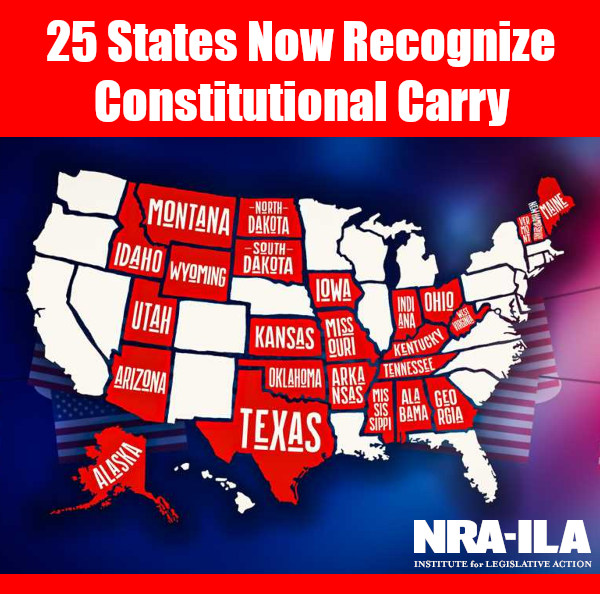
Oklahoma officially enacted constitutional carry legislation, allowing eligible individuals to carry a concealed handgun without a permit. This landmark legislation became effective on November 1, 2019. Prior to this, Oklahoma had a system where residents could obtain a handgun license for concealed carry, which also offered reciprocity with other states. However, the new law removed the requirement for an Oklahoma resident to obtain such a license to carry a concealed handgun within the state.
Eligibility Requirements for Permitless Carry
While the permit requirement has been removed, this does not mean anyone can legally carry a firearm in Oklahoma. Specific eligibility criteria must still be met. These typically include:
- Age: Individuals must be at least 21 years of age.
- Criminal Record: Prohibited persons, such as convicted felons, those with a history of domestic violence convictions, or individuals subject to restraining orders, are still barred from possessing or carrying firearms.
- Mental Capacity: Individuals adjudicated as mentally defective or who have been involuntarily committed to a mental institution are also prohibited.
- Other Restrictions: Similar to federal law, individuals with documented substance abuse issues or those dishonorably discharged from the military are also restricted.
It is critical for anyone carrying a firearm in Oklahoma under constitutional carry to be fully aware of and compliant with these eligibility requirements. Ignorance of the law is generally not a valid defense.
Reciprocity with Other States
For Oklahomans who previously held a handgun license for concealed carry, that license remains valid and can be beneficial. A valid Oklahoma Handgun License allows Oklahomans to carry concealed in states that have reciprocity agreements with Oklahoma. While constitutional carry permits permitless carry within Oklahoma, it does not automatically grant the right to carry concealed in other states that may still require a permit. Individuals planning to travel outside of Oklahoma with a firearm should research the specific firearm laws of their destination states, as well as any states they will be transiting through. Holding an Oklahoma Handgun License can provide a legal pathway for concealed carry in many of these other jurisdictions.
Where Firearms Are Prohibited in Oklahoma
Even in a constitutional carry state, there are numerous locations where carrying a firearm, whether concealed or openly, is strictly prohibited. These restrictions are designed to enhance public safety in sensitive areas. Failure to adhere to these prohibitions can result in severe legal penalties.
Federal and State Buildings
Most federal and state government buildings are designated as gun-free zones. This often includes courthouses, post offices, and government offices where security is a paramount concern. Signs are typically posted at entrances to indicate these restrictions.
Schools and Universities
Carrying firearms on school grounds, from K-12 institutions to college and university campuses, is generally prohibited. This is a widespread measure aimed at protecting students and staff. Exceptions may sometimes apply for law enforcement officers or licensed security personnel.

Private Property Restrictions
Private property owners in Oklahoma have the right to prohibit firearms on their premises. Businesses, restaurants, and private residences can post signage indicating that firearms are not welcome. It is the responsibility of the individual carrying a firearm to respect these posted notices. If a property owner or their agent asks someone to leave due to carrying a firearm, they must do so promptly.
Other Restricted Areas
Other areas where firearms may be prohibited include:
- Polling Places: During elections, firearms are typically banned from polling locations.
- Correctional Facilities: Prisons and jails are strictly gun-free zones.
- Certain Public Gatherings: Depending on the nature of the event and local ordinances, firearms may be restricted at parades, protests, or other large public assemblies.
- Areas Where Alcohol is Served: Some establishments that derive a significant portion of their revenue from the sale of alcohol may also prohibit firearms.
It is essential for firearm carriers to be observant of their surroundings and any posted signage, and to familiarize themselves with specific local and state regulations regarding prohibited locations.
Traveling to Oklahoma: Firearm Considerations
For individuals planning a visit to Oklahoma, understanding the state’s firearm laws is a key aspect of responsible travel. Whether you are traveling for leisure, business, or to visit family and friends, being informed ensures a safe and lawful experience.
State-Specific Laws for Non-Residents
Non-residents who are legally permitted to carry firearms in their home states should understand that Oklahoma has adopted constitutional carry for its residents. This means that if you are legally allowed to carry a concealed handgun in your home state, and Oklahoma law would permit you to carry a concealed handgun if you were an Oklahoma resident (i.e., you meet the age and eligibility criteria), then you can generally carry a concealed handgun in Oklahoma as well. However, the prohibitions on carrying firearms in specific locations (federal buildings, schools, etc.) still apply to non-residents.
Open Carry vs. Concealed Carry
In Oklahoma, individuals who are legally eligible to carry a handgun may do so either openly or concealed, without a permit, provided they meet all eligibility requirements. This provides flexibility for carriers. However, it is always advisable to be discreet and to be aware of local customs and potential reactions to open carry in certain areas.
Responsible Firearm Ownership While Traveling
Responsible firearm ownership extends beyond understanding the law; it involves safe storage and handling. When traveling, consider:
- Secure Storage: If you are staying in a hotel or rental property, ensure your firearm is securely stored when not on your person. Many hotels offer in-room safes, or you may consider a portable gun lock box.
- Awareness of Surroundings: Always be aware of where you are and the local regulations. This includes checking for signage indicating prohibited areas.
- De-escalation: In any situation, prioritize de-escalation and avoiding confrontation. Carrying a firearm is a serious responsibility, and its use should be a last resort.
By understanding the legal landscape and practicing responsible firearm practices, visitors to Oklahoma can ensure their trip is both enjoyable and compliant with state laws.
Staying Informed: A Continuous Process
Firearm laws are subject to change, and staying informed is an ongoing responsibility for any firearm owner or carrier. What is permissible today might be subject to revision through legislative action or court rulings tomorrow.
Legislative Updates and Policy Changes
The legal environment surrounding firearms is dynamic. Legislators at both the state and federal levels frequently introduce bills that can alter existing laws, introduce new restrictions, or expand firearm rights. Staying abreast of proposed legislation in Oklahoma and at the federal level is crucial. This can be done by following reputable news sources, legislative tracking websites, or organizations dedicated to firearm rights and advocacy.
Resources for Firearm Law Information
Several reliable resources can assist in staying informed about Oklahoma’s firearm laws:
- Oklahoma State Legislature Website: This is the official source for legislative information, including bill text, committee reports, and voting records.
- Oklahoma State Bureau of Investigation (OSBI): The OSBI often provides information related to firearms licensing and regulations.
- Firearm Rights Organizations: Organizations such as the National Rifle Association (NRA) and Gun Owners of America (GOA) often provide summaries and analyses of firearm laws in various states, including Oklahoma.
- Legal Counsel: For definitive legal advice, consulting with a qualified attorney specializing in firearms law is recommended.
Navigating the complexities of firearm regulations requires diligence. By proactively seeking information and understanding the responsibilities that come with firearm ownership and carry, individuals can ensure they remain compliant with the law and act as responsible members of the community. Oklahoma has established its position as a constitutional carry state, but this status is complemented by a framework of responsibilities and restrictions that all carriers must respect.
LifeOutOfTheBox is a participant in the Amazon Services LLC Associates Program, an affiliate advertising program designed to provide a means for sites to earn advertising fees by advertising and linking to Amazon.com. Amazon, the Amazon logo, AmazonSupply, and the AmazonSupply logo are trademarks of Amazon.com, Inc. or its affiliates. As an Amazon Associate we earn affiliate commissions from qualifying purchases.