
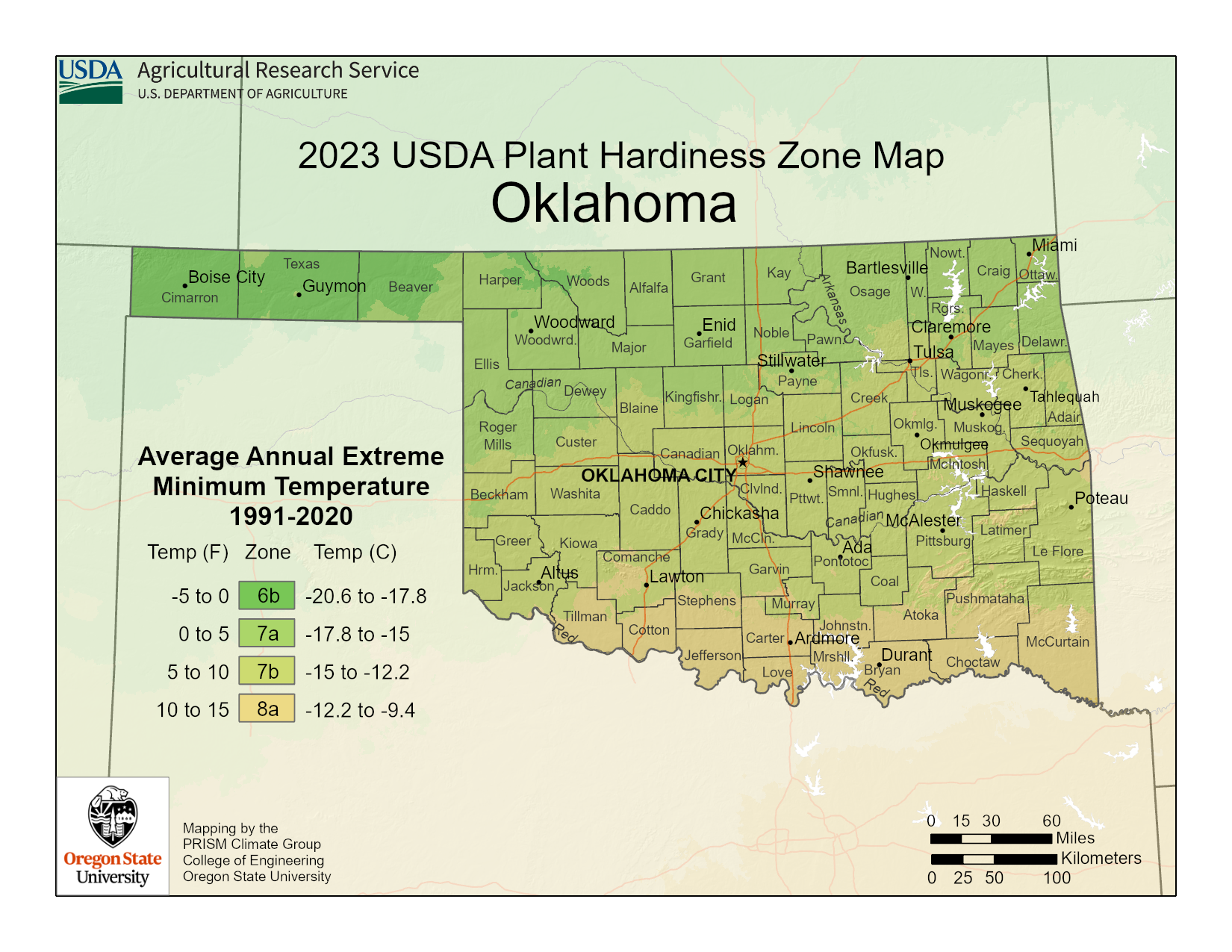
Oklahoma, often called the “Sooner State,” boasts a diverse landscape that spans from the rolling prairies of the Osage Hills to the dramatic Wichita Mountains. This geographical variety directly influences its climate, and consequently, its agricultural potential. Understanding Oklahoma’s growing zones is crucial for anyone interested in gardening, farming, or simply appreciating the state’s vibrant flora. These zones, determined by the USDA Plant Hardiness Zone Map, are based on average annual minimum winter temperatures, providing a vital guide for selecting plants that can thrive in specific regions. For Oklahoma, these zones range primarily from Zone 6b to Zone 8a, indicating the varying degrees of winter cold experienced across the state.
Understanding USDA Plant Hardiness Zones
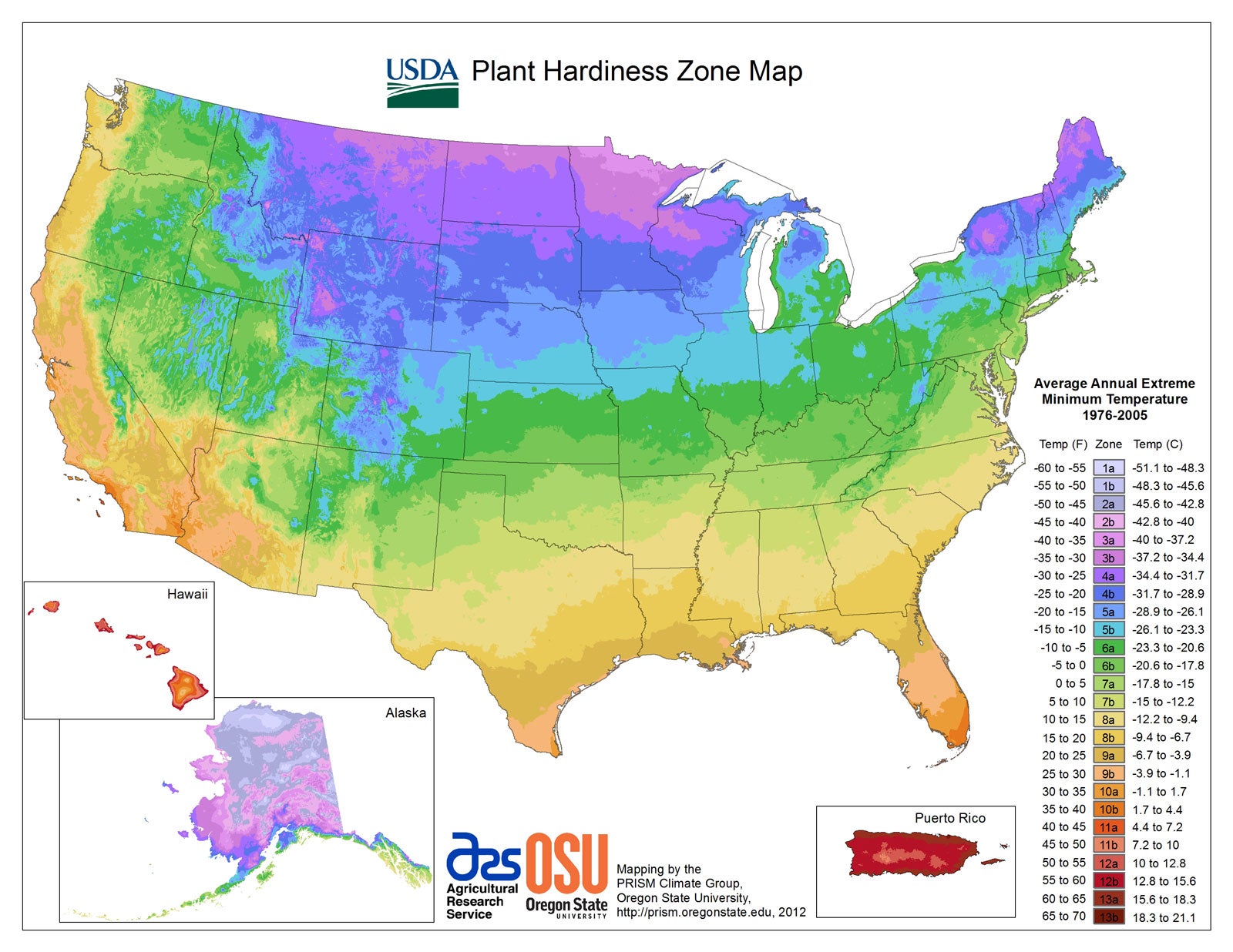
The USDA Plant Hardiness Zone Map is an indispensable tool for gardeners and horticulturists. It divides North America into 11 distinct zones, each representing a 10-degree Fahrenheit difference in average annual minimum winter temperature. Zone 1 is the coldest, while Zone 11 is the warmest. Each zone is further divided into 5-degree Fahrenheit “a” and “b” subzones, with “a” representing the colder half and “b” the warmer half. For instance, Zone 6a experiences average minimum winter temperatures between -10°F and -5°F, while Zone 6b ranges from -5°F to 0°F.
The primary purpose of these zones is to predict which perennial plants are most likely to survive a given winter in a specific location. Perennial plants, unlike annuals that complete their life cycle in one season, live for multiple years. Their survival hinges on their ability to withstand the lowest winter temperatures without succumbing to frost damage. While the map is an excellent starting point, it’s important to remember that other factors, such as soil type, precipitation, humidity, and microclimates (like sheltered urban areas or exposed hilltops), can also significantly impact plant survival and growth.
How Zones Influence Plant Selection
The growing zone directly dictates the types of plants that can be successfully cultivated. In colder zones, only the hardiest perennials can survive. As temperatures become milder in warmer zones, a wider array of plant species becomes viable, including those that might be considered tender in more northern regions. For instance, a plant labeled hardy to Zone 7 might struggle to survive a harsh winter in Zone 5, while it would likely thrive in Zone 7 and potentially even Zone 8.
Beyond just survival, understanding your zone helps in planning successful garden designs. It allows you to choose plants that will not only live but also flourish, bloom, and produce as intended. This proactive approach minimizes plant loss, reduces the need for extensive winter protection, and ultimately leads to a more rewarding and sustainable gardening experience. For visitors to Oklahoma, knowing the zone of their intended destination can inform their appreciation of local flora or guide their own gardening endeavors.
Oklahoma’s Growing Zone Distribution
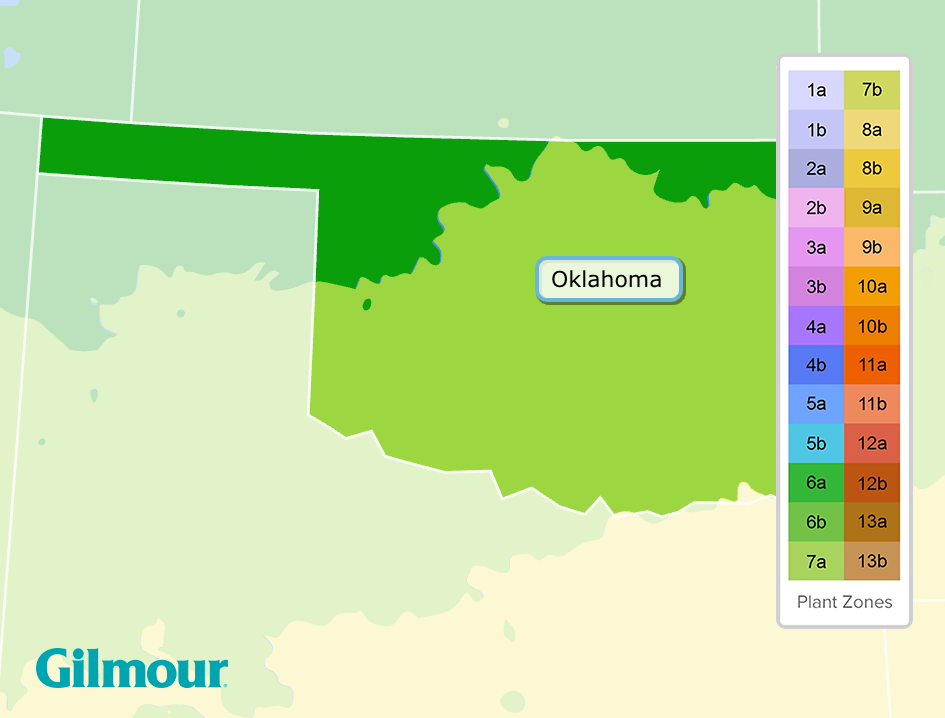
Oklahoma’s geographical position in the central United States, coupled with its varied topography, results in a fascinating mosaic of growing zones. The state’s transition from the humid subtropical climate of the east to the semi-arid climate of the west plays a significant role. Generally, the western and northwestern parts of the state tend to be colder, falling into lower numbered zones, while the southeastern regions experience milder winters, placing them in higher numbered zones.
Eastern Oklahoma: Zone 7a and 7b
The eastern third of Oklahoma, characterized by lush forests, fertile river valleys, and a more humid climate, typically falls within Zone 7a and 7b. This region includes cities like Tulsa, Muskogee, and parts of the Ozark Mountains. In Zone 7a, average minimum winter temperatures range from 0°F to 5°F, while Zone 7b experiences 5°F to 10°F. This milder climate allows for a broader selection of perennial plants, including many flowering shrubs, fruit trees, and ornamental grasses that might not survive further north. Gardens in this area can often feature plants that prefer slightly warmer conditions, such as certain varieties of roses, hydrangeas, and even some semi-tropical plants that can tolerate occasional light freezes. The influence of the Appalachian Mountains in the eastern part of the country and similar influences in the region mean this area receives more rainfall and experiences less extreme temperature fluctuations compared to western Oklahoma.
Central Oklahoma: Zone 7a and 6b
As you move westward into central Oklahoma, including the state capital, Oklahoma City, the growing zones begin to shift. Much of this area falls into Zone 7a and 6b. Zone 6b experiences average minimum winter temperatures between -5°F and 0°F, indicating a slightly greater potential for colder snaps than Zone 7. This transitional zone supports a wide variety of plants but may require a bit more careful selection for those on the edge of their hardiness. While many plants hardy to Zone 7 will thrive, those that are borderline may need some winter protection, especially in colder years. This region is well-suited for a diverse range of trees, shrubs, and flowers commonly seen across the American heartland, with an emphasis on varieties that can withstand moderate freezes. The presence of established neighborhoods and parks showcases the success of cultivating a broad spectrum of hardy and semi-hardy ornamentals.
Western and Northwestern Oklahoma: Zone 6b and 6a
The western and northwestern expanses of Oklahoma, including the Panhandle and the high plains, experience the coldest winters and are classified predominantly as Zone 6b and 6a. This is due to their higher elevation, greater distance from moderating oceanic influences, and exposure to continental air masses. Zone 6a has average minimum winter temperatures between -10°F and -5°F. In these areas, plant selection is more critical, favoring species known for their extreme cold hardiness. Drought-tolerant plants often do well in these regions, reflecting the drier climate. Think of hardy native grasses, drought-resistant shrubs, and trees known for their resilience in challenging conditions. When visiting towns like Woodward or Guymon, one will notice landscapes adapted to these more extreme temperature variations.
Southwestern Oklahoma: Zone 8a
The most southerly and some of the southwestern regions of Oklahoma, particularly those bordering Texas, can reach into Zone 8a. This zone, with average minimum winter temperatures ranging from 10°F to 15°F, is the warmest in the state. This allows for the cultivation of a wider array of plants, including those typically considered tender in cooler climates. Here, gardeners might be able to grow certain citrus varieties, more delicate flowering trees, and a broader range of ornamental plants that appreciate milder winters. Areas near Lawton and the Wichita Mountains National Wildlife Refuge can experience conditions that support Zone 8a plants, making this region a haven for a diverse horticultural palette.
Implications for Gardening and Agriculture
Understanding Oklahoma’s growing zones is not merely an academic exercise; it has practical implications for both home gardeners and agricultural producers.
Home Gardening and Landscaping
For individuals tending their gardens, knowing the zone is the first step in selecting plants that will thrive. It helps in choosing the right perennials, shrubs, trees, and even annuals that can overwinter successfully. A gardener in Norman (likely Zone 7a/6b) would make different plant choices than someone in the Panhandle (Zone 6a/6b) if they want their plants to survive year after year without significant intervention. This knowledge prevents the frustration and expense of planting species that are destined to fail due to the cold. It also opens up opportunities for more adventurous planting in warmer zones, where a wider variety of ornamental and edible plants can be grown.
Agricultural Practices and Crop Selection
On a larger scale, growing zones are fundamental to agriculture. Farmers and ranchers in Oklahoma rely on this information to make informed decisions about which crops are best suited for their land. The success of crops like wheat, corn, soybeans, cotton, and various fruits and vegetables is directly tied to the climate, and the growing zone provides a key indicator of winter survivability and the length of the growing season. For example, crops that require a longer, warmer growing season might be more feasible in southeastern Oklahoma (Zone 7b/8a) compared to the northwestern Panhandle (Zone 6a). Understanding these zones also helps in planning crop rotations and assessing the risks associated with specific agricultural ventures. The diverse climate across the state also allows for specialized agricultural tourism, where visitors can experience different types of farms and harvests depending on the region they visit.
Beyond the Zones: Microclimates and Local Conditions
While the USDA Plant Hardiness Zone Map provides an invaluable framework, it’s crucial to acknowledge that local conditions can create microclimates that differ from the general zone designation.
Urban Heat Islands
Cities like Oklahoma City and Tulsa often exhibit an “urban heat island” effect. Paved surfaces, buildings, and human activity radiate and retain heat, creating warmer temperatures within the city limits compared to surrounding rural areas. This can effectively push an urban area into a slightly warmer growing zone, allowing for the successful cultivation of plants that might be borderline in the surrounding countryside. For example, a plant listed as hardy to Zone 7b might survive and even thrive in a sheltered urban garden within a Zone 7a area due to this effect.
Topographical Influences
Topography plays a significant role. Lower-lying areas or valleys might be prone to frost pockets, where cold air settles, making them colder than adjacent higher ground. Conversely, south-facing slopes can receive more direct sunlight, warming the soil and air, and potentially allowing for a slightly longer growing season or the survival of plants that prefer warmer conditions. The presence of large bodies of water, such as Lake Texoma, can also moderate temperatures, leading to milder conditions in nearby areas.
Native Plants and Adaptation
Oklahoma is home to a rich diversity of native flora that has naturally adapted to the state’s varied conditions, including its growing zones. These plants are often the most reliable choices for gardeners and landscapers, as they are inherently suited to the climate and soil. Exploring native plant nurseries or botanical gardens, such as the Myriad Botanical Gardens in Oklahoma City, can provide excellent insight into what grows best in each region. Understanding the state’s growing zones empowers individuals to cultivate beautiful and productive gardens, fostering a deeper connection with the natural beauty of Oklahoma.
LifeOutOfTheBox is a participant in the Amazon Services LLC Associates Program, an affiliate advertising program designed to provide a means for sites to earn advertising fees by advertising and linking to Amazon.com. Amazon, the Amazon logo, AmazonSupply, and the AmazonSupply logo are trademarks of Amazon.com, Inc. or its affiliates. As an Amazon Associate we earn affiliate commissions from qualifying purchases.