
Understanding the demographic landscape of a city is crucial for anyone considering a visit, whether for a short trip, a longer stay, or simply to grasp its essence. Oklahoma City, the vibrant capital of Oklahoma, is a metropolis that has experienced significant growth and transformation over the decades. Its population is a key indicator of its economic vitality, cultural diversity, and the opportunities it presents to residents and visitors alike. As of recent estimates, Oklahoma City stands as the 20th largest city in the United States by population, a testament to its expanding influence and appeal. This figure, however, is more than just a number; it represents a dynamic community shaped by a rich history, a burgeoning economy, and a unique Southwestern charm.

Demographic Snapshot: A Growing Metropolis
The population of Oklahoma City is a multifaceted mosaic, reflecting a blend of long-standing residents and new arrivals drawn by the city’s economic prospects and quality of life. While precise figures fluctuate and are updated through census data and annual estimates, the general trend indicates consistent growth. This expansion is driven by a combination of factors, including a robust job market, affordable living, and a strategic location that serves as a hub for commerce and transportation in the region.
Historical Population Trends and Growth
Oklahoma City’s population journey is a compelling narrative of resilience and progress. Established in 1889 with the historic Land Run, the city rapidly grew from a tent city to a bustling urban center. Its population has seen periods of acceleration, particularly in recent decades, as the city has diversified its economic base beyond its oil and gas roots. This growth is not merely in sheer numbers but also in the expanding geographic footprint of the metropolitan area, encompassing surrounding suburbs and communities that form a cohesive economic and social region. The continuous influx of people signifies Oklahoma City’s increasing prominence as a desirable place to live and work.
Age Distribution and Household Composition
The age distribution within Oklahoma City reflects a balanced demographic, with a significant proportion of working-age adults contributing to its economic dynamism. This also suggests a growing family presence, attracting individuals and couples looking for a stable environment to raise children. Understanding the age demographics is vital for planners and businesses, influencing everything from the types of housing available to the demand for recreational facilities and educational institutions. The city’s household composition, whether single-person, families with children, or multi-generational households, further paints a picture of its social fabric and consumer patterns. This data is invaluable for understanding local needs and trends in areas such as family-friendly attractions and amenities.
Diversity and Cultural Influences
Oklahoma City is increasingly characterized by its growing diversity. While historically it has been a hub for American Indian and European-American populations, recent decades have seen a notable rise in Hispanic, African American, and Asian communities. This rich tapestry of cultures contributes to the city’s vibrant arts scene, diverse culinary landscape, and unique community events. The presence of various ethnic and cultural groups enriches the visitor experience, offering a broader perspective on American life and a wider array of cultural experiences, from festivals to international cuisine. This growing diversity is a defining characteristic of modern Oklahoma City.
The Metropolitan Area: Beyond City Limits
When discussing the population of Oklahoma City, it is essential to consider the broader metropolitan statistical area (MSA). This encompasses the central city along with surrounding counties and municipalities that are economically and socially integrated with it. The MSA population provides a more comprehensive view of the region’s overall scale and influence.
Oklahoma City MSA Population and its Significance
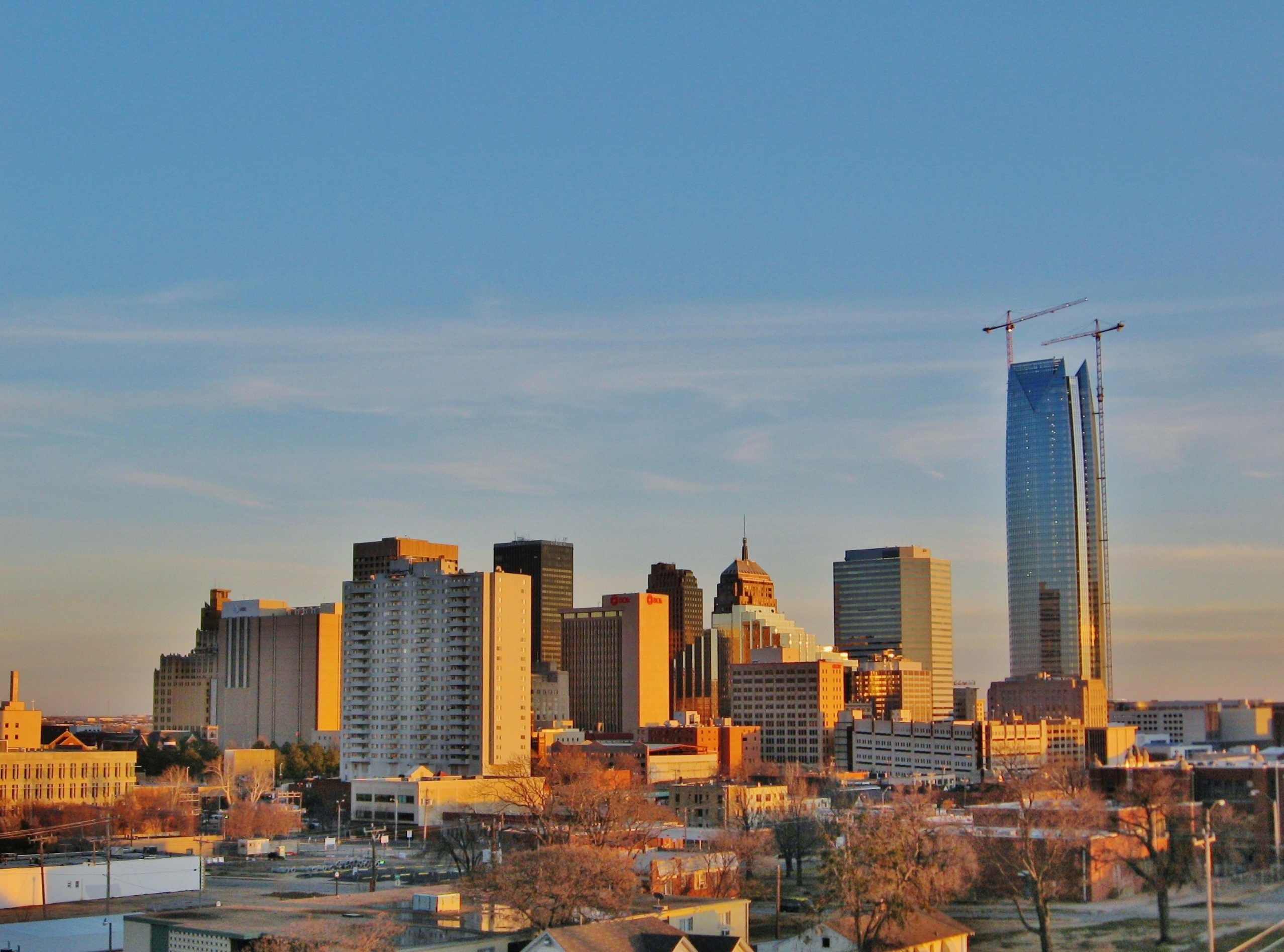
The Oklahoma City MSA, often referred to as the Oklahoma City metropolitan area, includes several counties that contribute to its economic output and population base. This larger figure highlights Oklahoma City’s role as a regional center, attracting commuters and shoppers from a wide geographic area. The growth of the MSA indicates an expanding economic corridor and a more significant presence on the national stage. For travelers, understanding the MSA’s size helps to appreciate the scale of activities, entertainment options, and the range of communities that make up the greater Oklahoma City experience.
Key Surrounding Communities and Their Contributions
Several cities and towns form integral parts of the Oklahoma City metropolitan area, each with its unique character and contribution to the region’s overall vitality. These include suburbs like Edmond, Norman, and Yukon, each offering distinct amenities and contributing to the diverse housing options and cultural experiences available. Norman, for instance, is home to the University of Oklahoma, adding a vibrant college-town atmosphere and a wealth of cultural and sporting events. Edmond is known for its family-friendly environment and thriving downtown area. These communities, while distinct, are woven into the economic and social fabric of the greater Oklahoma City area, influencing travel patterns and the overall appeal of the region.
Economic Drivers and Population Growth
The population growth of Oklahoma City is intrinsically linked to its economic development. A strong and diversifying economy is a primary magnet for new residents, drawing talent and investment from across the country and beyond.
Industry Sectors Fueling Expansion
Historically, Oklahoma City’s economy was heavily reliant on the oil and gas industry. While this sector remains significant, the city has successfully diversified its economic base. Key growth sectors now include aerospace, bioscience, information technology, and logistics. The presence of major companies and a growing number of startups in these fields creates ample job opportunities, attracting skilled professionals and contributing to the city’s expanding population. The Will Rogers World Airport is a major hub for the aerospace industry, while the bioscience sector is supported by institutions like the University of Oklahoma Health Sciences Center. This economic diversification makes Oklahoma City a more resilient and attractive destination for both long-term living and short-term visits, as it supports a wide range of cultural and recreational activities.
Business Environment and Investment Attraction
Oklahoma City has fostered a business-friendly environment characterized by competitive operating costs, a skilled workforce, and supportive government policies. This has led to significant investment in various sectors, spurring job creation and population growth. Initiatives aimed at revitalizing the downtown area, such as the MAPS (Metropolitan Area Projects) program, have transformed the urban core, making it a more attractive place for businesses and residents alike. The success of these projects, which have funded numerous public amenities and infrastructure improvements, directly influences the perception of Oklahoma City as a dynamic and forward-thinking city, further contributing to its population growth and appeal to visitors seeking authentic urban experiences.
Implications for Visitors and Future Outlook
Understanding the population dynamics of Oklahoma City offers valuable insights for prospective visitors and helps to shape the city’s future trajectory.
Impact on Travel and Tourism Experiences
A growing and diverse population often translates into a richer and more varied array of attractions, dining options, and cultural experiences for visitors. The increasing number of residents supports a thriving culinary scene, from innovative farm-to-table restaurants to authentic international eateries. It also fuels the development of new entertainment venues, museums, and event spaces. For instance, the development spurred by initiatives like MAPS 3 has brought new life to areas like the Bricktown Entertainment District, offering more diverse activities for tourists. The demographic shifts also mean that Oklahoma City is increasingly a melting pot of cultures, offering visitors a chance to experience a wide spectrum of traditions and perspectives.

Future Population Projections and Development
Demographers and urban planners anticipate continued population growth for Oklahoma City in the coming years. This projection is supported by the city’s ongoing economic development, its relatively affordable cost of living compared to other major metropolitan areas, and its strategic location. This anticipated growth will likely lead to further urban development, including new housing, commercial spaces, and public infrastructure. For visitors, this suggests a city that is continually evolving, offering fresh attractions and experiences with each visit. The city’s commitment to improving infrastructure, such as its transit system and public parks, promises to enhance the quality of life for residents and the overall visitor experience, solidifying Oklahoma City’s position as a significant and engaging destination.
LifeOutOfTheBox is a participant in the Amazon Services LLC Associates Program, an affiliate advertising program designed to provide a means for sites to earn advertising fees by advertising and linking to Amazon.com. Amazon, the Amazon logo, AmazonSupply, and the AmazonSupply logo are trademarks of Amazon.com, Inc. or its affiliates. As an Amazon Associate we earn affiliate commissions from qualifying purchases.