
Oklahoma, a state steeped in a rich tapestry of history, diverse landscapes, and vibrant culture, holds deep significance for its natural heritage. While many states boast iconic symbols, the choice of a state animal often reflects a deep connection to the land and its inhabitants. For Oklahoma, this iconic creature is not just a symbol; it embodies the spirit of resilience, freedom, and the untamed beauty that defines the Sooner State. Understanding the state animal provides a fascinating window into the region’s ecological importance and the values it cherishes.
The Majestic Bison: A Symbol of Oklahoma’s Wild Heart
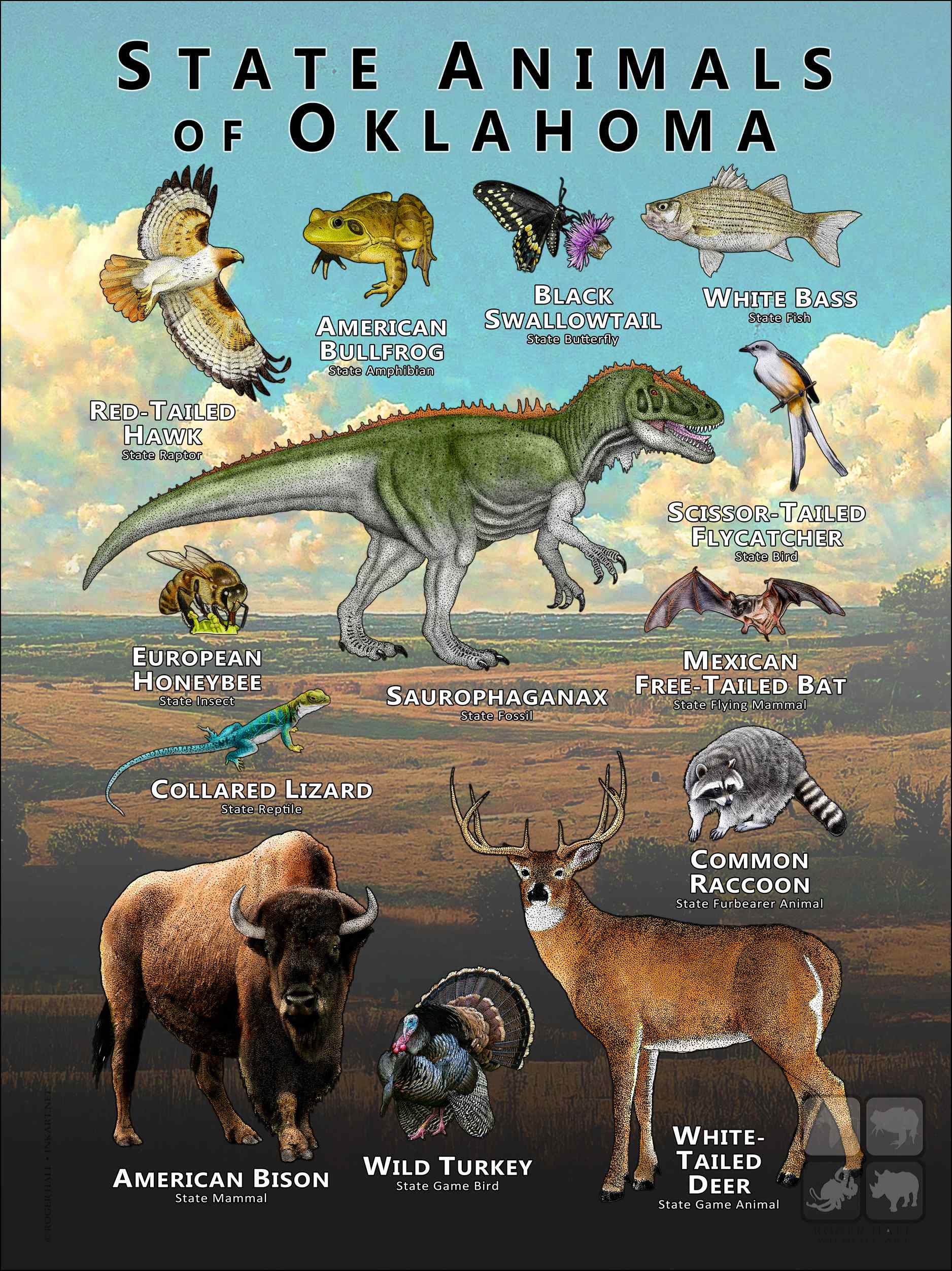
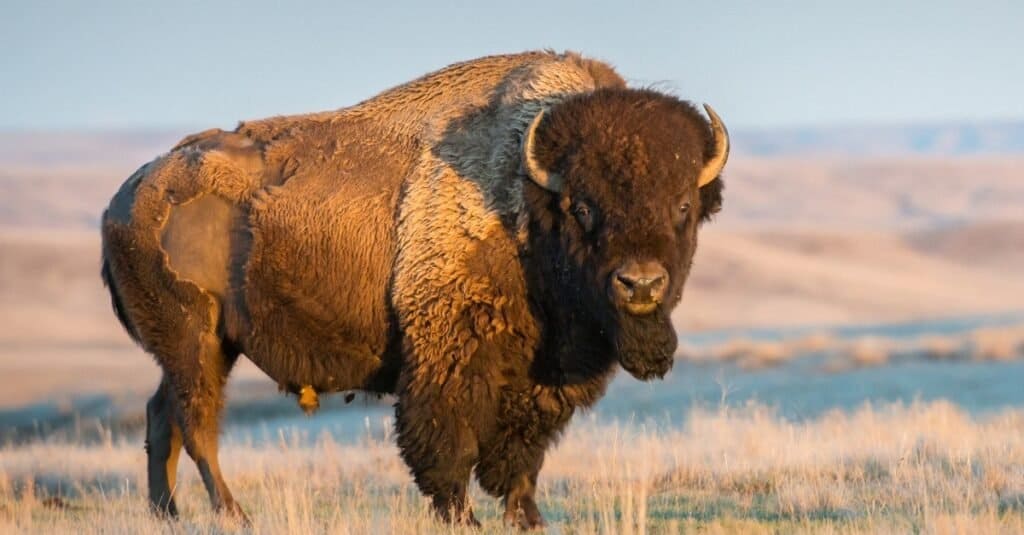
The official state animal of Oklahoma is the American Bison, often referred to as the buffalo. This powerful and majestic creature is an enduring symbol of the American West and holds a particularly poignant place in the history and ecology of Oklahoma. The selection of the bison as the state animal speaks volumes about the state’s commitment to preserving its natural heritage and acknowledging the profound impact this animal has had on the region.
A Living Relic of the Great Plains
The American Bison is the largest terrestrial mammal in North America, a truly awe-inspiring sight. With their massive heads, shaggy coats, and formidable presence, bison evoke a sense of the wild, untamed landscapes that once dominated the North American continent. Historically, vast herds of bison roamed the Great Plains, their movements shaping the very ecosystem. For Native American tribes, who have inhabited this land for millennia, the bison was more than just an animal; it was a cornerstone of their existence, providing food, shelter, clothing, and spiritual significance.
The near extinction of the bison in the late 19th century is a stark reminder of the fragility of nature and the consequences of unchecked human expansion. Thankfully, dedicated conservation efforts, particularly in states like Oklahoma, have helped to bring these magnificent animals back from the brink. Today, seeing a herd of bison roaming freely across the plains is a powerful testament to the success of these conservation initiatives and a glimpse into a past that continues to resonate.
Bison in Oklahoma: A Rich History and Present-Day Presence
Oklahoma’s connection to the American Bison is deeply ingrained in its history. Before European settlement, immense bison herds were a common sight across the territory that would eventually become Oklahoma. The Native American tribes that lived here, such as the Comanche, Cheyenne, and Kiowa, relied heavily on the bison for their survival and developed a profound cultural relationship with them.
The arrival of settlers and the expansion of the railroads led to a dramatic decline in bison populations. However, the spirit of the bison endured in the collective memory and the desire to preserve this symbol of the West. In the early 20th century, efforts began to re-establish bison herds in Oklahoma. One of the most significant undertakings was the establishment of the Wichita Mountains Wildlife Refuge in southwestern Oklahoma. This refuge became a sanctuary for a herd of bison, and its success has been instrumental in their recovery.
Today, visitors to Oklahoma can still witness these incredible creatures in their natural habitat. The Wichita Mountains Wildlife Refuge is home to one of the largest free-roaming bison herds in the country, offering an unparalleled opportunity to observe them up close. Seeing a herd of bison grazing peacefully in the rolling hills of the refuge is an experience that connects one to the wild essence of Oklahoma.
Experiencing Oklahoma’s Bison: Parks, Refuges, and Wildlife Viewing
For travelers and nature enthusiasts visiting Oklahoma, encountering the state animal is a truly memorable experience. The presence of bison serves as a significant draw for tourism, offering a unique opportunity to connect with the natural heritage of the Sooner State. Several key locations provide excellent opportunities for viewing these magnificent animals.
Wichita Mountains Wildlife Refuge: A Bison Sanctuary
The Wichita Mountains Wildlife Refuge, established in 1901, is a cornerstone of bison conservation in Oklahoma. Spanning over 59,000 acres of rugged mountains, rolling prairies, and pristine lakes, this refuge is a haven for a diverse array of wildlife, with the American Bison standing out as its most iconic resident.
The refuge’s primary mission is to provide a safe and natural habitat for bison, as well as other native species like elk and prairie dogs. Visitors can drive through designated scenic routes within the refuge, offering ample opportunities to spot bison grazing in the vast meadows or near water sources. It is crucial for visitors to maintain a safe distance from the animals, as they are wild and unpredictable. Educational programs and visitor centers at the refuge provide valuable insights into the history, biology, and conservation of bison, enriching the viewing experience. The sheer scale of the refuge and the presence of these ancient animals create an atmosphere of profound natural wonder.
Osage National Bison Herd: A Testament to Restoration
Another significant location for bison viewing in Oklahoma is the area managed by the Osage Nation. The Osage Nation has been instrumental in re-establishing a large bison herd on its ancestral lands, reclaiming a vital part of its cultural heritage. This initiative not only supports bison conservation but also fosters a deep connection to the land and its history for the Osage people.
Visiting the lands where the Osage National Bison Herd roams offers a unique perspective on indigenous stewardship and the successful restoration of a keystone species. While specific viewing areas may vary, guided tours or designated observation points can often be arranged through the Osage Nation, providing an immersive and culturally enriching experience. This endeavor represents a powerful symbol of reconciliation between humanity and nature.
Other Wildlife Viewing Opportunities
Beyond these major refuges, bison can also be found in various smaller wildlife management areas and private ranches across Oklahoma. Many state parks and natural areas offer opportunities for wildlife observation, and while bison may not be present in all of them, the chance to encounter other native fauna like white-tailed deer, wild turkeys, and a variety of bird species remains high. Always check local regulations and advisories before visiting any wildlife area. The act of observing wildlife in its natural setting is a fundamental aspect of experiencing the allure of Oklahoma.
The Bison’s Ecological Significance: More Than Just a Symbol
The American Bison’s role in Oklahoma extends far beyond its status as a state symbol. As a keystone species, bison play a crucial role in shaping and maintaining the health of the prairie ecosystem. Their presence and activities have a cascading effect on the environment, influencing plant diversity, soil composition, and the habitats of other wildlife.
Shaping the Prairie Landscape
Bison are powerful grazers, and their feeding habits directly impact the vegetation of the grasslands. By selectively grazing on certain grasses and forbs, they prevent any single plant species from dominating, thus promoting a greater diversity of plant life. This diverse plant community, in turn, supports a wider range of insects, birds, and small mammals.
Furthermore, bison wallow in dust baths, creating depressions in the soil. These wallows can retain water after rainfall, creating unique microhabitats for various plant and insect species. The bison’s trampling also helps to aerate the soil and break up the soil crust, which can improve water infiltration and reduce erosion. Their hooves, when they move through the landscape, also disperse seeds, contributing to the propagation of plant species.
A Catalyst for Biodiversity
The presence of bison has a profound impact on the overall biodiversity of the prairie ecosystem. Their grazing patterns create a mosaic of habitats, from short, closely grazed areas to taller, ungrazed patches, providing diverse food sources and shelter for a wide array of wildlife. Birds that forage in short grass areas benefit from the bison’s feeding, while other species may find refuge in taller vegetation.
The bison’s manure also acts as a natural fertilizer, enriching the soil and promoting plant growth. This nutrient cycling is essential for maintaining the productivity and health of the grassland ecosystem. In essence, the bison acts as an ecosystem engineer, actively shaping the environment and fostering a rich tapestry of life. Understanding this ecological role underscores the importance of preserving bison populations not just for their symbolic value, but for the health of the entire prairie.
Planning Your Oklahoma Bison Adventure
For those inspired to witness the state animal of Oklahoma firsthand, careful planning can enhance the experience. Understanding the best times to visit, what to expect, and how to travel responsibly will ensure a memorable and respectful encounter with these magnificent creatures.
Best Times for Wildlife Viewing
The behavior of bison can vary throughout the year, influencing the best times for observation. Spring and fall are often considered ideal seasons for wildlife viewing in Oklahoma. During these periods, temperatures are generally milder, making outdoor exploration more comfortable. Bison are often more active during these times, especially in the cooler mornings and late afternoons, as they seek out prime grazing spots.
Spring is a particularly exciting time as new calves are born, and visitors can witness the heartwarming sight of young bison frolicking alongside their mothers. Fall brings its own unique charm with the changing colors of the landscape, and the rutting season can lead to dramatic displays of power and courtship among the bulls. Summer in Oklahoma can be quite hot, and bison may seek shade or water during the midday hours, making early morning or late evening viewing more fruitful. Winter can offer a stark beauty, with bison more visible against snow-covered landscapes, though weather conditions might pose challenges for travel.

Essential Tips for a Responsible Visit
When embarking on a journey to see Oklahoma’s bison, responsible tourism is paramount. These animals are wild, and their well-being, as well as your safety, depends on respecting their space and natural behaviors.
- Maintain a Safe Distance: Always keep a significant distance from bison, ideally at least 100 yards. Never approach, feed, or attempt to pet them. A bison can charge unexpectedly if it feels threatened.
- Stay in Your Vehicle: When driving through wildlife refuges like the Wichita Mountains Wildlife Refuge, remain in your vehicle when bison are present, especially if they are near the road. This provides a natural barrier and minimizes disturbance.
- Respect Wildlife Habitats: Stay on designated roads and trails. Do not litter, and take all trash with you to preserve the natural beauty of the area.
- Observe Quietly: Avoid loud noises or sudden movements that could startle the animals. Patience and quiet observation are key to a rewarding wildlife viewing experience.
- Educate Yourself: Utilize the resources provided by wildlife refuges and parks. Informational signs, visitor centers, and ranger programs offer valuable insights into bison behavior and conservation efforts.
- Photography Ethics: While capturing photographs is a popular activity, ensure your pursuit of the perfect shot does not compromise the animals’ safety or comfort. Use zoom lenses to get close-up shots without invading their space.
By adhering to these guidelines, visitors can ensure a positive and ethical encounter with the American Bison, contributing to their continued protection and the preservation of Oklahoma’s natural heritage for generations to come. The experience of seeing these iconic animals in their element is a powerful reminder of the wild spirit that continues to thrive in the heart of the American landscape.
LifeOutOfTheBox is a participant in the Amazon Services LLC Associates Program, an affiliate advertising program designed to provide a means for sites to earn advertising fees by advertising and linking to Amazon.com. Amazon, the Amazon logo, AmazonSupply, and the AmazonSupply logo are trademarks of Amazon.com, Inc. or its affiliates. As an Amazon Associate we earn affiliate commissions from qualifying purchases.