
The quest to identify the state bird of Oklahoma is more than a simple trivia question; it’s a gateway into understanding the state’s rich natural heritage and the symbols that represent its identity. While many states boast iconic avian ambassadors, Oklahoma has a particular affinity for one species that embodies the spirit of the American Great Plains and its rugged beauty. This feathered resident is not just a symbol; it’s a familiar sight across the state’s diverse landscapes, from its rolling prairies to its more rugged western terrains.
The Majestic Scissor-tailed Flycatcher
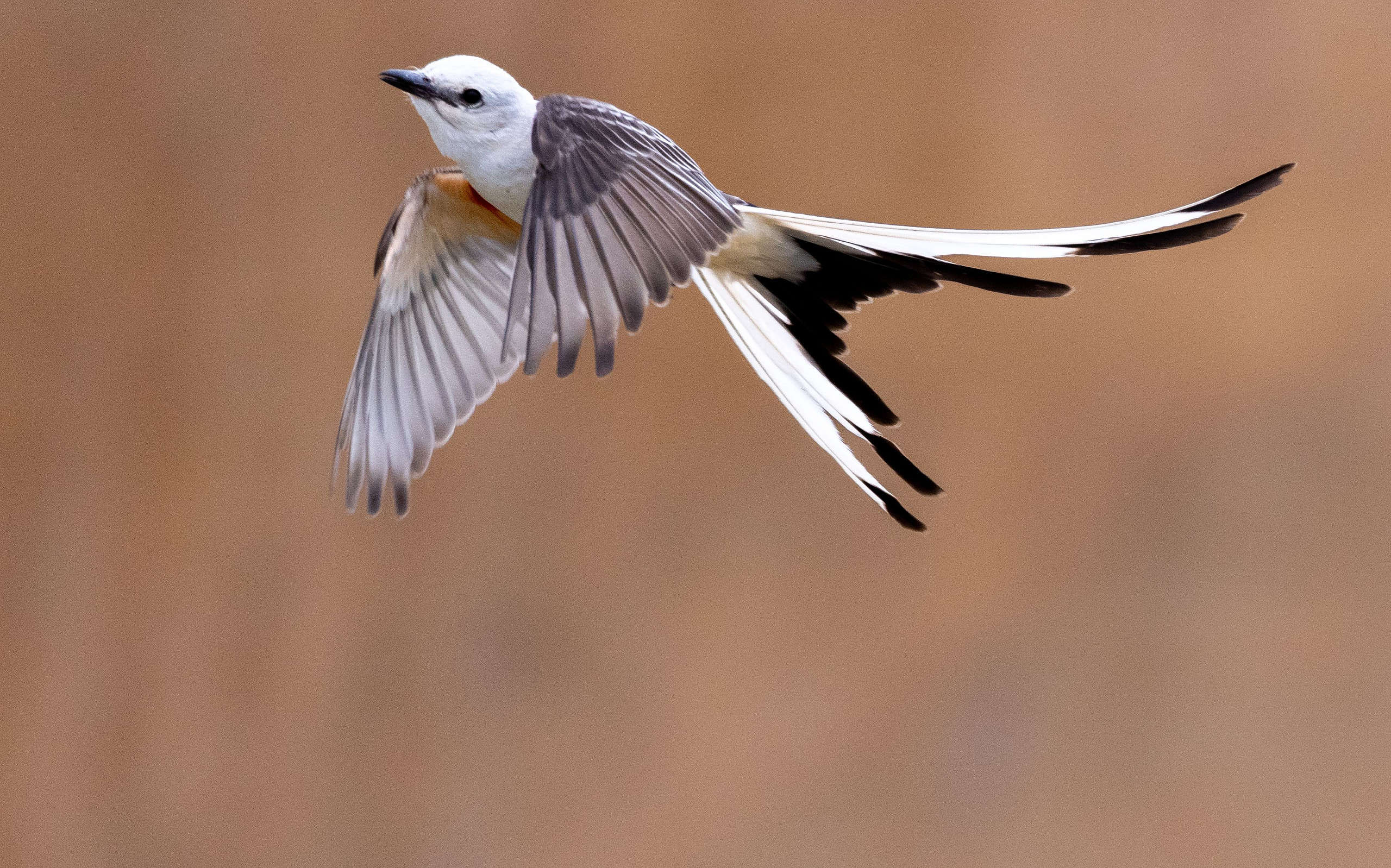
The official state bird of Oklahoma is the Scissor-tailed Flycatcher. Officially designated by the 1951 Legislature, this striking bird has captivated Oklahomans for decades. Its presence is most notable during the warmer months, as it is a migratory species that spends its winters in Central and South America. Upon its return, the Scissor-tailed Flycatcher becomes a ubiquitous and celebrated part of the Oklahoma sky.
Distinctive Features and Identification
What makes the Scissor-tailed Flycatcher so recognizable? The answer lies in its extraordinary tail. Adult males possess an exceptionally long, deeply forked tail that, when spread, resembles a pair of scissors in flight. This distinctive feature is a primary identifier and a source of great admiration. The tail can be nearly as long as the bird’s body, adding to its dramatic aerial displays.
Beyond its remarkable tail, the Scissor-tailed Flycatcher is a medium-sized bird, typically measuring around 15-17 inches in length, with a wingspan of about 24-27 inches. Its plumage is predominantly grey with a lighter underside. A striking patch of salmon-pink or bright orange is often visible on its flanks and under its wings, particularly noticeable during flight. The head is relatively small, with a prominent crest that it can raise or lower depending on its mood. Females also have the forked tail, but it is generally shorter and less dramatic than that of the males. Juveniles resemble the females but lack the full development of the tail.
Habitat and Behavior
The preferred habitat of the Scissor-tailed Flycatcher is open country. This includes prairies, grasslands, savannas, and agricultural fields, areas that offer ample perching spots and open spaces for foraging. They are often seen perched on fences, utility wires, or scattered trees, patiently waiting for insects to fly by. Their common name, “flycatcher,” directly refers to their hunting technique: they sally forth from their perch to catch flying insects in mid-air, often performing acrobatic maneuvers. Their diet primarily consists of grasshoppers, beetles, moths, and other flying insects.
During the breeding season, the male Scissor-tailed Flycatcher engages in elaborate courtship flights. These displays involve dramatic dives and ascents, often accompanied by vocalizations, all showcasing its spectacular tail. Nests are typically built in trees or shrubs, often in open areas, and are cup-shaped constructions made from plant materials and lined with softer substances. The female incubates the eggs, and both parents share the responsibility of feeding the young.
Significance as a State Symbol
The adoption of the Scissor-tailed Flycatcher as Oklahoma’s state bird was a deliberate choice that reflects the state’s natural landscape and character. It is a bird that is intrinsically tied to the open skies and vast plains that define much of Oklahoma. Its vibrant display and energetic flight are often seen as mirroring the spirit of the state and its people.
Historical Context and Selection Process
The journey to officially designate a state bird for Oklahoma involved a period of consideration and public engagement. While the Scissor-tailed Flycatcher was officially adopted in 1951, discussions about state symbols often occur over time, influenced by popular sentiment and educational initiatives. The choice likely gained momentum due to the bird’s widespread presence and its distinctive beauty, making it a natural candidate for recognition.

Cultural Representation and Tourism
The Scissor-tailed Flycatcher has become a beloved symbol, appearing in various forms of state-related imagery and merchandise. Its image can be found on postcards, artwork, and local crafts, offering a tangible connection to Oklahoma’s natural environment. For tourists visiting Oklahoma, spotting a Scissor-tailed Flycatcher in its natural habitat is a rewarding experience, a chance to connect with the state’s identity on a more personal level. Birdwatchers and nature enthusiasts often seek out areas known for good Scissor-tailed Flycatcher populations, adding a specific draw to the state’s natural attractions. Popular birding routes and wildlife refuges within Oklahoma become destinations for those hoping to witness this magnificent bird.
Exploring the Habitat of the Scissor-tailed Flycatcher in Oklahoma
Oklahoma offers numerous opportunities to observe the Scissor-tailed Flycatcher in its natural environment. Understanding where to look can significantly enhance the experience for both casual observers and dedicated birdwatchers.
Key Regions and Habitats for Observation
The western and central parts of Oklahoma are particularly rich in Scissor-tailed Flycatcher populations. Areas characterized by rolling prairies and expansive grasslands are prime locations.
- The Great Plains: Much of the state falls within the Great Plains region, offering vast expanses of grassland ideal for this species. Counties in western and central Oklahoma are consistently good for sightings.
- Agricultural Landscapes: Farms and ranches with open fields and scattered trees provide the necessary perching sites and insect populations. Roadsides with fence lines are excellent places to scan for them.
- Wildlife Refuges and Parks: Many state and federal wildlife refuges are managed to preserve these grassland habitats, making them excellent places to observe a variety of bird species, including the Scissor-tailed Flycatcher. Examples include the Black Kettle National Grassland in southwestern Oklahoma and various units of the National Wildlife Refuge System scattered throughout the state.
- The Cross Timbers Region: While more wooded in parts, the transitional zones of the Cross Timbers can also support Scissor-tailed Flycatcher populations, especially in its more open prairie-like sections.
Best Times for Birdwatching
The Scissor-tailed Flycatcher is a migratory bird. They typically arrive in Oklahoma in the spring, usually by late March or early April, and remain throughout the summer months, departing in the fall, often by September or October.
- Spring Migration and Breeding: The months of April through July are ideal for observing the Scissor-tailed Flycatcher. This is when males are most active with their courtship displays, and nests are being built and young are being raised. Mornings and late afternoons often provide the most activity.
- Fall Departure: As the season changes, the birds begin to gather in larger flocks before migrating south. While less conspicuous than during the breeding season, observing these fall gatherings can also be a fascinating experience.

Tips for Responsible Observation
When venturing out to observe the Scissor-tailed Flycatcher or any wildlife, it is crucial to practice responsible tourism and birdwatching ethics.
- Maintain Distance: Always observe wildlife from a respectful distance. Use binoculars or a spotting scope to get a closer look without disturbing the birds or their habitat.
- Stay on Trails: When visiting parks or refuges, stay on designated trails to minimize your impact on the environment.
- Minimize Noise: Speak quietly and avoid sudden movements or loud noises that could startle the birds.
- Do Not Feed Wildlife: Feeding wild animals can disrupt their natural diets and behaviors, and it is often prohibited in protected areas.
- Pack Out What You Pack In: Ensure you leave natural areas as you found them, taking all trash with you.
By understanding the habits and habitats of the Scissor-tailed Flycatcher, visitors and residents can better appreciate this iconic symbol of Oklahoma and contribute to the preservation of its natural beauty. This magnificent bird, with its unparalleled tail, continues to be a source of pride and a testament to the vibrant biodiversity that characterizes the Sooner State.
LifeOutOfTheBox is a participant in the Amazon Services LLC Associates Program, an affiliate advertising program designed to provide a means for sites to earn advertising fees by advertising and linking to Amazon.com. Amazon, the Amazon logo, AmazonSupply, and the AmazonSupply logo are trademarks of Amazon.com, Inc. or its affiliates. As an Amazon Associate we earn affiliate commissions from qualifying purchases.