
Understanding the time zone in Oklahoma is more than just a practical matter for residents; for travelers and visitors, it’s a crucial element in planning journeys, scheduling activities, and avoiding unnecessary confusion. This central US state, known for its wide-open spaces, rich history, and vibrant cities, operates under a single, unified time zone, simplifying matters considerably compared to states with multiple zones. This guide aims to provide a comprehensive overview of Oklahoma’s time zone, its implications for visitors, and how to best navigate it for a seamless experience.
Navigating Oklahoma’s Time: Central Standard Time
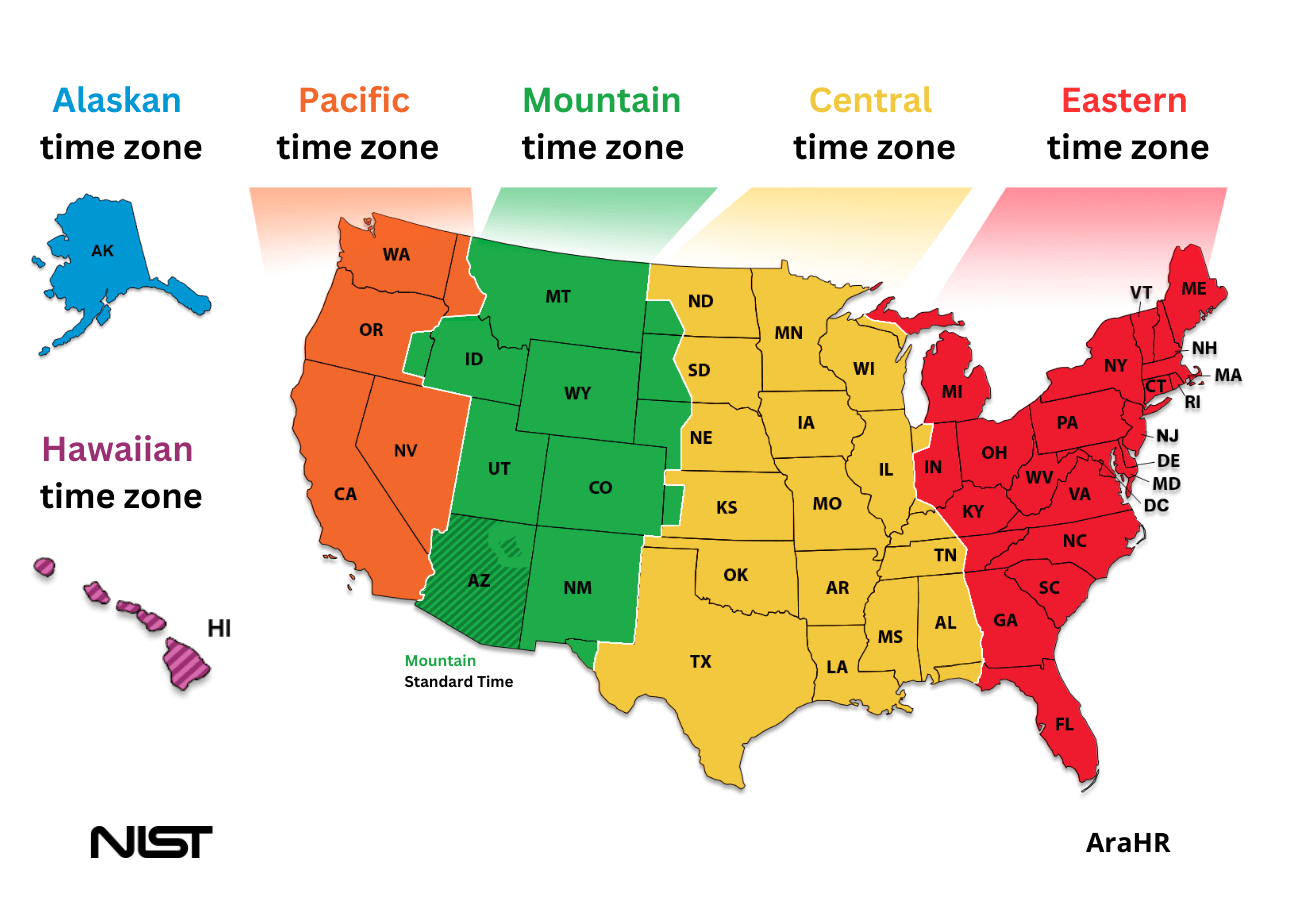
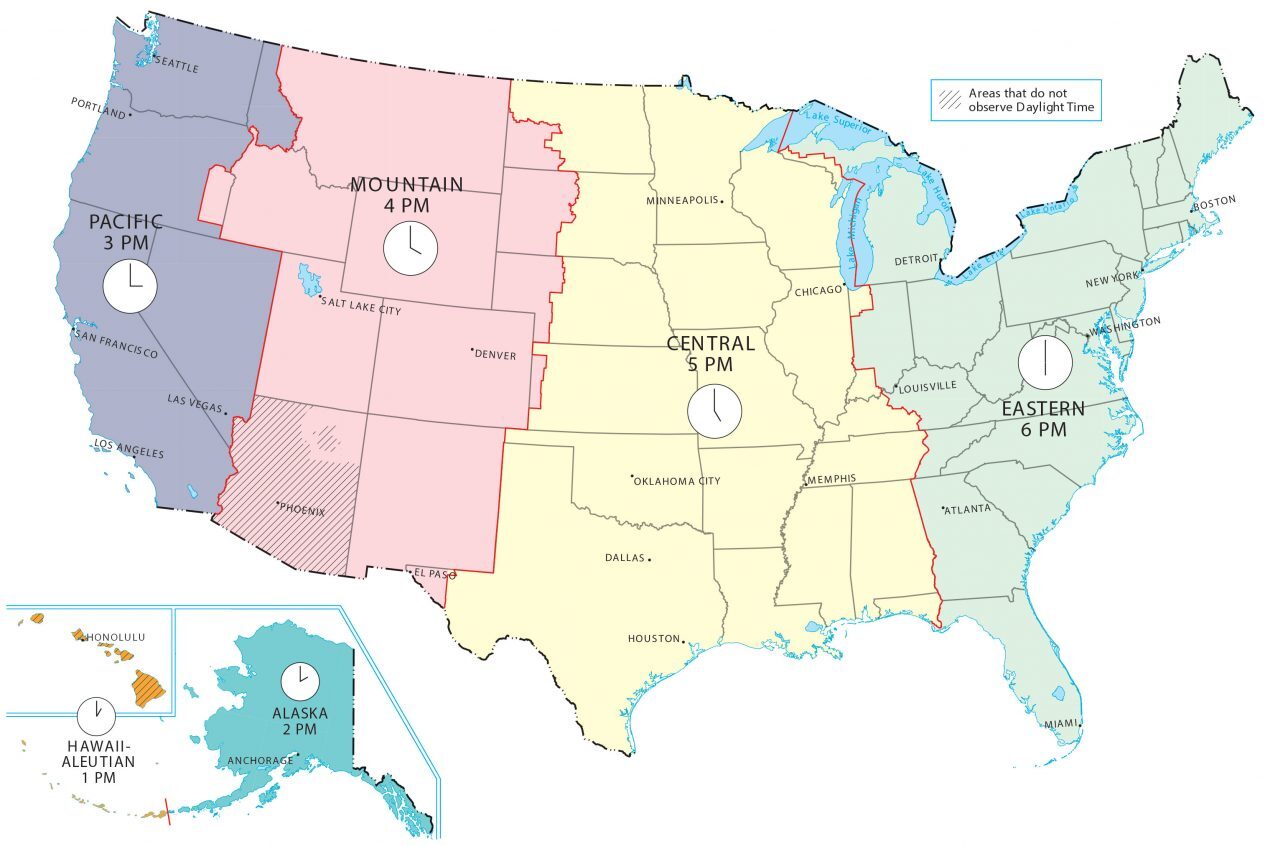
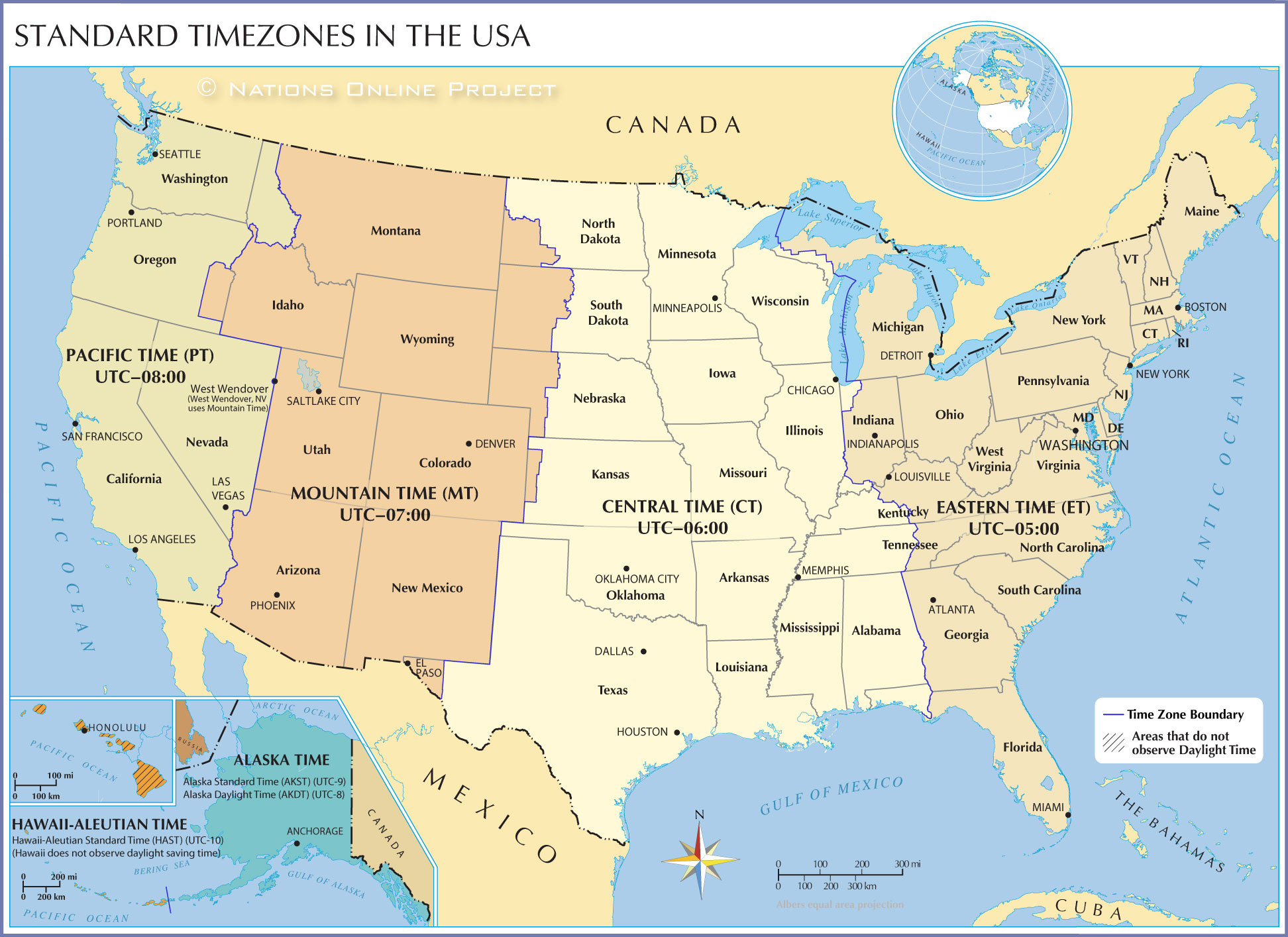
Oklahoma observes Central Standard Time (CST) year-round, except during the period of Daylight Saving Time. During Daylight Saving Time, the state transitions to Central Daylight Time (CDT). This means that for a significant portion of the year, Oklahoma is one hour ahead of Mountain Time and two hours ahead of Pacific Time. Conversely, it is one hour behind Eastern Time.
The Significance of Daylight Saving Time
Daylight Saving Time in the United States typically begins on the second Sunday in March and ends on the first Sunday in November. During this period, clocks are advanced by one hour. For Oklahoma, this means that from March to November, the state is on CDT, which is UTC-5. Outside of this period, during the winter months, it reverts to CST, which is UTC-6. This change, while seemingly minor, can impact flight schedules, meeting times, and even the perceived length of a day for tourists. Being aware of these transitions is key to avoiding any potential logistical hiccups during your visit. For instance, if you are traveling from a state that does not observe Daylight Saving Time, such as Arizona (with the exception of the Navajo Nation), you’ll need to account for this difference.
Geographical Placement and Time Zone Alignment
Oklahoma is geographically situated within the Central Time Zone, a vast expanse of North America that stretches across numerous states in the central and eastern parts of the continent. This alignment is a result of historical decisions and geographical considerations, aiming to synchronize daily life and business operations with the sun’s position. The state’s location means it is in step with major metropolitan areas like Chicago, Dallas, and Houston, facilitating business and travel connections. This uniformity across the state, from the panhandle’s stark beauty to the rolling hills of the Ozarks, simplifies the experience for anyone exploring its diverse attractions.
Planning Your Oklahoma Itinerary: Time Zone Considerations
When planning a trip to Oklahoma, understanding the time zone is paramount for a smooth and enjoyable experience. Whether you’re arriving by air, coordinating with local contacts, or scheduling activities, being informed about the local time can prevent misunderstandings and maximize your enjoyment.
Arriving in Oklahoma: Flights and Airport Schedules
For air travelers, time zone differences are a constant consideration. Flights arriving in Oklahoma City (OKC) or Tulsa from different time zones require careful attention to arrival and departure times. Always confirm flight times in local Oklahoma time. For example, a flight departing from Los Angeles at 10:00 AM Pacific Time will arrive in Oklahoma City at 12:00 PM Central Time, assuming no significant delays. It’s also wise to factor in potential delays and how they might affect your onward connections or pre-booked activities. Many booking platforms and airline websites automatically display times in the destination’s local time zone, but double-checking against a reliable clock is always prudent.
Coordinating Meetings and Activities
If your visit involves business meetings, social gatherings, or scheduled tours, clearly specifying the time zone is essential. Using “Central Time,” “CST,” or “CDT” (depending on the season) in all communications will eliminate ambiguity. This is particularly important when interacting with individuals or businesses located in different time zones. For instance, scheduling a virtual meeting with someone on the West Coast (Pacific Time) requires a clear understanding of the three-hour difference when Oklahoma is observing CDT. This clarity ensures that everyone is on the same page, preventing missed appointments and potential frustration.
Maximizing Daylight Hours for Exploration
Oklahoma offers a wealth of attractions, from the historical sites of Oklahoma City to the natural beauty of the Wichita Mountains Wildlife Refuge. Understanding the local time, especially during Daylight Saving Time, can help you make the most of the longer daylight hours. Early mornings in summer can be ideal for outdoor activities like hiking or visiting the Myriad Botanical Gardens, while evenings offer opportunities to explore vibrant downtown districts or enjoy outdoor dining. Planning your day with the local sunrise and sunset times in mind, and how they align with CDT, can enhance your sightseeing experience.
Local Culture and Time: A Harmonious Blend
The single time zone across Oklahoma contributes to a sense of shared rhythm and synchronicity within the state. This uniformity subtly influences daily life, from business hours to community events, fostering a cohesive cultural experience for both residents and visitors.
Business and Commerce Operations
Most businesses in Oklahoma, from small shops in Tulsa to larger corporations headquartered in Oklahoma City, adhere to standard business hours within the Central Time Zone. This means that typical opening hours for retail establishments and the operating schedules for most services align predictably. For travelers, this makes errands, shopping, and accessing services straightforward. You can generally expect most businesses to open between 9:00 AM and 10:00 AM and close between 5:00 PM and 6:00 PM on weekdays, with some variations for weekend hours and specific industries.
Event Scheduling and Community Life
Community events, festivals, and cultural happenings in Oklahoma are also scheduled within the Central Time Zone. Whether it’s a local rodeo, a concert at the Cain’s Ballroom, or a museum exhibit opening, times are always presented in local Oklahoma time. This consistent reference point simplifies participation for locals and makes it easier for tourists to plan their engagement with the state’s vibrant cultural calendar. When checking event listings, always look for the explicit mention of “CT,” “CST,” or “CDT” to confirm.
Time Zone Etiquette for Visitors
When interacting with locals in Oklahoma, it’s always best practice to use local time when discussing arrangements. If you are calling from a different time zone, explicitly state the time in Oklahoma when proposing a meeting. For example, instead of saying “Let’s meet at 3 PM,” you would say “Let’s meet at 3 PM Central Time.” This simple courtesy can prevent confusion and demonstrate your consideration for local timekeeping. This applies to everything from casual meetups to more formal engagements.
Staying Connected: Time Zone Apps and Tools
In today’s interconnected world, staying aware of time zones is easier than ever, thanks to a plethora of digital tools and applications. Whether you’re a seasoned traveler or planning your first trip to Oklahoma, these resources can ensure you’re always on time.
Smartphone and Digital Calendars
Most modern smartphones and digital calendars automatically adjust to the local time zone of your device’s location. When you arrive in Oklahoma, your phone will typically display the correct local time. Furthermore, when setting appointments or reminders, these tools often allow you to specify the time zone or will use your current location’s time zone by default. If you are syncing calendars across multiple devices or with contacts in different time zones, ensure that your settings are correctly configured to avoid conflicts. Many calendar applications also offer the feature to display multiple time zones simultaneously, which can be invaluable when coordinating with people in various parts of the world.
Online Time Zone Converters
For quick checks and precise conversions, online time zone converters are indispensable. Websites like TimeandDate.com or WorldTimeBuddy.com allow you to input a time in one time zone and instantly see its equivalent in another. This is incredibly useful for confirming flight times, scheduling international calls, or simply understanding the temporal difference between your home base and Oklahoma. When planning activities that span across states or countries, these tools ensure accuracy and prevent any last-minute confusion. Simply search for “time zone converter” and input the relevant cities or time zones to get an instant answer.
Local News and Weather Forecasts
Local news channels and weather forecasts in Oklahoma will always operate under the Central Time Zone. Checking these resources upon arrival can be a quick way to confirm the local time and get acquainted with the daily schedule of events, traffic updates, and weather patterns. Many weather apps also automatically update to your current location’s time zone, providing a seamless experience. For example, tuning into a local Oklahoma City news broadcast at 6:00 PM will be referring to 6:00 PM Central Time. This also provides an excellent opportunity to gain insights into local happenings and attractions, further enriching your travel experience.
By understanding and utilizing the available tools, navigating the time zone in Oklahoma becomes an effortless aspect of your travel planning, allowing you to focus on enjoying the unique experiences this state has to offer.
LifeOutOfTheBox is a participant in the Amazon Services LLC Associates Program, an affiliate advertising program designed to provide a means for sites to earn advertising fees by advertising and linking to Amazon.com. Amazon, the Amazon logo, AmazonSupply, and the AmazonSupply logo are trademarks of Amazon.com, Inc. or its affiliates. As an Amazon Associate we earn affiliate commissions from qualifying purchases.