
Planning a trip to the Lone Star State means preparing for an adventure filled with vibrant cities, breathtaking natural landscapes, and a rich cultural tapestry. From the bustling streets of Houston and Dallas to the historic charm of San Antonio and the live music capital of Austin, Texas offers an unparalleled travel experience. However, for many travelers, understanding the local regulations, especially concerning alcohol sales, is a crucial part of planning their itinerary and ensuring a smooth, enjoyable visit. This comprehensive guide will illuminate the complexities of Texas alcohol laws, helping you navigate your stay whether you’re seeking a lively night out, a relaxed evening with a fine meal, or simply want to pick up some local craft brews for your hotel room.
Texas’ alcohol laws are known for their intricate details, often varying not just by the type of alcohol but also by the day of the week, the type of establishment, and even the specific county or city you’re in. These regulations can significantly impact your travel plans, from dining experiences to evening entertainment. For visitors focusing on tourism and lifestyle experiences, knowing these rules ahead of time can prevent unexpected inconveniences and enhance your overall enjoyment of Texas’ diverse offerings. This article will delve into the general timelines for alcohol sales, explore local variations, and provide practical tips for travelers, ensuring you can fully immerse yourself in the Texas experience responsibly and without confusion.
Navigating Texas Alcohol Laws: A Traveler’s Guide
Understanding when and where you can purchase alcohol in Texas is fundamental for any visitor. The rules differentiate significantly between packaged alcohol (for off-premise consumption) and alcohol served in bars, restaurants, and other venues (for on-premise consumption). These regulations are primarily governed by the Texas Alcoholic Beverage Commission (TABC), but local jurisdictions often have their own specific ordinances that can further refine or restrict these state-level mandates. For those planning a trip that might involve enjoying Texas’ vibrant food and drink scene, knowing these times is key to maximizing your experiences.
General Alcohol Sale Hours Across the Lone Star State
When it comes to purchasing packaged alcohol from grocery stores, convenience stores, or specialized liquor stores (known as package stores in Texas), the hours are distinctly regulated:
-
Beer and Wine Sales (Grocery and Convenience Stores):
- Monday to Friday: Beer and wine can be purchased from 7:00 AM to midnight.
- Saturday: Sales are permitted from 7:00 AM to 1:00 AM.
- Sunday: Sales begin later, from 10:00 AM to midnight.
These hours apply to most grocery chains and convenience stores across the state, making it relatively easy to pick up your preferred beer or wine for a relaxing evening at your hotel or accommodation. Many visitors staying at apartments or villas might appreciate these options for preparing their own meals and drinks.
-
Liquor Sales (Package Stores):
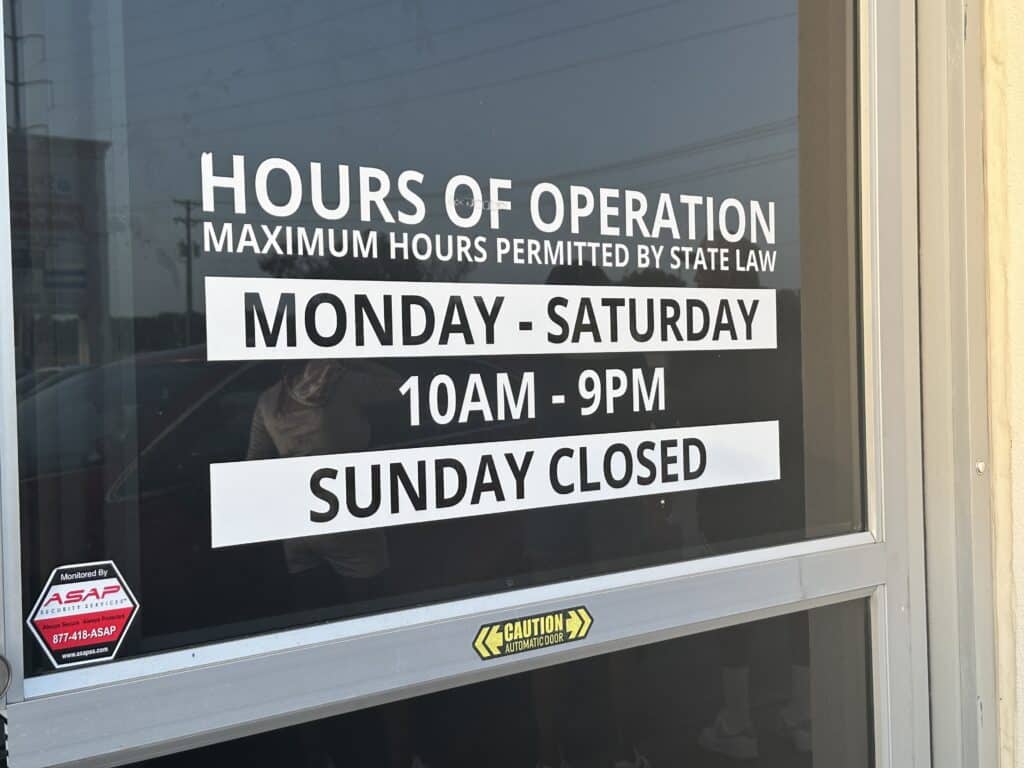
- Monday to Saturday: Liquor, including spirits like whiskey, vodka, and tequila, can only be sold from 10:00 AM to 9:00 PM.
- Sunday: This is a crucial distinction: package stores are closed on Sundays. You cannot purchase liquor from a package store on Sundays in Texas.
- Holidays: Package stores are also closed on certain holidays, including New Year’s Day, Thanksgiving Day, and Christmas Day. If any of these holidays fall on a Sunday, the store remains closed on the following Monday as well.
This means if you’re planning a cocktail party at your resort suite or simply want to stock your minibar, it’s wise to plan your liquor purchases in advance, especially around weekends and holidays. For luxury travel experiences, ensuring your preferred spirits are available requires a little foresight.
These general rules provide a baseline, but visitors exploring cities like Fort Worth, El Paso, Corpus Christi, or Galveston should also be aware that some specific municipal ordinances might exist. While they generally adhere to state law, it’s always good practice to check local specifics if you’re unsure, especially when venturing into smaller towns within the state.
On-Premise Consumption: Bars, Restaurants, and Hotels
For those looking to enjoy a drink in a social setting, Texas offers a wide array of bars, restaurants, and hotel lounges. The regulations for on-premise alcohol consumption are generally more lenient than for packaged sales:
-
Standard Permit Holders (Bars and Restaurants):
- Monday to Saturday: Alcohol can be served from 7:00 AM to midnight.
- Sunday: Sales are permitted from 10:00 AM to midnight.
This covers the majority of establishments serving alcohol. Whether you’re enjoying Tex-Mex with a margarita or a craft beer at a local brewpub, these are the standard hours.
-
Late-Night Permits (Bars and Restaurants):
- Many establishments, particularly in larger cities and entertainment districts, hold a “late-night” permit from the TABC.
- With this permit, alcohol can be served until 2:00 AM any day of the week, including Sundays.
This is vital information for travelers interested in nightlife and enjoying the vibrant music scenes of Austin or the uptown districts of Dallas. If your itinerary includes late-night activities, look for establishments advertising extended hours. Popular landmarks and entertainment zones like Sixth Street in Austin or the Deep Ellum neighborhood in Dallas are usually teeming with venues holding these permits.
-
Hotel Bars and Room Service:
- Most hotels with on-site bars or lounges, such as the luxurious Omni Dallas Hotel or the sophisticated JW Marriott Austin, operate under the same on-premise permits. This means their bars generally follow the 7:00 AM to midnight (or 2:00 AM with a late-night permit) schedule.
- Room service alcohol sales typically align with these hours as well. For guests seeking convenience or a private evening, this can be a significant amenity. Whether you’re staying in a suite at The Houstonian Hotel, Club & Spa or a standard room at the Hyatt Regency Dallas, you can often enjoy a drink delivered right to your door within these timeframes. This is particularly beneficial for business stays or for those who prefer to unwind in the comfort of their own temporary accommodation.
Local Nuances and Dry Counties: Planning Your Texas Itinerary
One of the most distinctive and sometimes perplexing aspects of Texas alcohol laws is the concept of “wet,” “dry,” and “moist” counties. This local control adds another layer of complexity for travelers and is crucial to understand when planning your destinations and attractions. These local variations underscore why some advance research is beneficial for any comprehensive travel guide to the state.
The “Wet” and “Dry” Landscape of Texas Counties
Historically, many counties in Texas remained “dry” after Prohibition, meaning they prohibited the sale of all or most types of alcohol. Over time, many have voted to become “wet,” but a patchwork of regulations still exists:
- Dry Counties: In a fully dry county, no alcohol can be sold for off-premise or on-premise consumption. This means no grocery stores selling beer, no liquor stores, and no bars or restaurants serving alcoholic beverages. While fewer in number today, they still exist, particularly in rural areas.
- Wet Counties: These counties permit all types of alcohol sales, generally adhering to the statewide hours discussed previously. Most major metropolitan areas like Dallas, Houston, Austin, and San Antonio are in wet counties.
- Moist Counties (and Partially Dry): This is where it gets interesting. Some counties or specific precincts within them may be “moist,” meaning they permit some forms of alcohol sales but not others. For example, a county might allow beer and wine sales but prohibit liquor sales, or it might permit on-premise consumption at restaurants (especially if they are private clubs or derive a high percentage of sales from food) but not package store sales.
The impact on travel planning can be significant. If you’re visiting a landmark or a specific destination in a dry or moist county, you might need to purchase alcohol in a neighboring wet county before arriving or adjust your expectations for dining and evening activities. The TABC website is the official resource for checking the current status of any county or precinct. This knowledge is especially important for those embarking on road trips through the diverse landscapes of Texas, perhaps exploring regions like the Texas Hill Country with its scenic wineries or venturing near Big Bend National Park or Guadalupe Mountains National Park, where local regulations might be quite different from urban centers.
Special Event Permits and Tourist Zones
Even in areas with restrictions, there can be exceptions. Texas allows for special permits that can alter typical alcohol sale hours for certain events:
- Festivals and Concerts: Major festivals, music concerts, and other large public gatherings often secure permits that allow for extended serving hours or permit alcohol sales in areas where they might otherwise be restricted. For example, a music festival in Austin might serve alcohol beyond standard bar hours, or a local fair in a moist county might temporarily allow beer sales.
- Sporting Events: Venues like AT&T Stadium in Arlington (home of the Dallas Cowboys) or Minute Maid Park in Houston (home of the Houston Astros) have specific permits that dictate alcohol sales during games. Typically, sales stop at a designated point in the game (e.g., end of the 7th inning for baseball, start of the 4th quarter for football) rather than a fixed clock time.
- Tourist Districts: Some cities may designate specific tourist or entertainment districts where rules are slightly more flexible to cater to visitors. The River Walk in San Antonio, for instance, operates under robust regulations that ensure visitors can enjoy a drink with their meal or while exploring this famous landmark.
It’s always a good idea to check the event’s specific rules or the venue’s policy if you plan to attend a special event where alcohol will be served. For those engaging in family trips, these events can be a central part of the experience, and knowing alcohol rules ensures smooth participation for all adults.
Enhancing Your Texas Experience: Beyond the Bottle
While understanding alcohol sale times is practical, a true Texas travel experience encompasses so much more than just where and when you can buy a drink. The state offers a rich tapestry of local culture, food, and activities that can be fully enjoyed whether you choose to indulge in alcoholic beverages or not. Integrating your knowledge of alcohol laws into your broader travel strategy can enhance your trip, allowing you to focus on the unique spirit of Texas.
Culinary Adventures and Texan Hospitality
Texas’ culinary scene is legendary, from mouth-watering BBQ to authentic Tex-Mex, and from sophisticated fine dining to inventive food trucks. Alcohol, when consumed responsibly, can perfectly complement these food experiences.
- Food Pairings: Embrace the opportunity to pair local Texas wines from the Texas Hill Country, craft beers from Austin’s burgeoning brewery scene, or even Texas-distilled spirits with your meals. Many restaurants will have knowledgeable staff to guide you through these pairings.
- Breweries and Distilleries: Even if you can’t buy liquor on a Sunday from a package store, many breweries and distilleries (like those in Fredericksburg or in the urban centers) offer tours and tastings. Some even have on-site taprooms or tasting rooms that operate under different permits, allowing sales for on-premise consumption or even limited sales of their own products on days when package stores are closed. This can be a fascinating way to learn about the local craft beverage industry and sample unique Texas creations.
- Mocktails and Non-Alcoholic Options: For those who prefer not to drink, or when alcohol sales hours are over, Texas’ hospitality ensures there are plenty of delicious non-alcoholic options. Many establishments pride themselves on creative mocktail menus, freshly brewed iced tea, or specialty sodas, so you can still enjoy the vibrant social scene without alcohol.
Accommodations and Amenities for the Discerning Traveler
Your choice of accommodation can significantly impact your access to and enjoyment of alcoholic beverages within the bounds of Texas law.
- On-Site Bars and Lounges: As mentioned, many hotels and resorts feature on-site bars or lounges that operate until midnight or 2:00 AM with proper permits. This provides a convenient option for guests, particularly after off-premise sales have concluded. Hotels with premium amenities often curate exceptional wine and spirits lists, catering to luxury travel tastes.
- Proximity to Retailers: For budget travelers or those staying in apartments or villas who prefer to purchase their own beverages, consider booking accommodation that is within walking distance or a short drive of grocery or package stores. This makes it easier to adhere to the designated sales hours.
- Minibars and Room Service: Check if your hotel offers a minibar stocked with alcoholic beverages. These are generally available for consumption at any time, with charges applied to your room. Room service, operating within on-premise hours, is another valuable amenity for convenience.
Practical Tips for Responsible Travel in Texas
To ensure your Texas travel is both enjoyable and responsible, keep these practical tips in mind regarding alcohol consumption:
Always Carry ID and Know Your Limits
- Proof of Age: In Texas, the legal drinking age is 21. Establishments are strict about checking identification, so always carry a valid government-issued ID (driver’s license, state ID, or passport), even if you are clearly over 21. This is a common practice across the state, from the bustling Space Center Houston area to the beaches of South Padre Island.
- Responsible Consumption: Texas has severe penalties for driving under the influence (DUI). Never drink and drive. Utilize ride-sharing services, taxis, or designated drivers. Many cities offer robust public transportation options or are very walkable, especially in key entertainment zones. For those on budget travel or simply valuing safety, planning transportation in advance is a must. Knowing your personal limits ensures a fun and safe experience for everyone.
Utilizing Delivery Services and Online Resources
- Alcohol Delivery Services: In many urban areas of Texas, you can find services that deliver beer, wine, and even liquor directly to your accommodation within legal hours. These services can be a convenient option, especially if you arrive after package stores have closed or are staying slightly outside a city center. However, they still must adhere to the state’s alcohol sale hours, so planning is still required.
- Official TABC Website: For the most accurate and up-to-date information on Texas alcohol laws, including specific county ordinances, always refer to the official Texas Alcoholic Beverage Commission (TABC) website. This resource is invaluable for detailed guides and legal specifics that may impact your travel plans.
In conclusion, while Texas’ alcohol laws can appear complex due to their layered nature, a little prior knowledge goes a long way. By understanding the general sale hours for off-premise and on-premise consumption, being aware of the “wet” and “dry” county distinctions, and utilizing the resources available, you can seamlessly integrate alcohol into your Texas itinerary. Whether you’re savoring the local cuisine near The Alamo, enjoying live music in Austin, or relaxing at a resort after a day of exploring, responsible planning ensures that your Lone Star State adventure is memorable, enjoyable, and hassle-free. Texas offers an incredible range of experiences for every type of traveler, and knowing these tips will help you make the most of your visit.
LifeOutOfTheBox is a participant in the Amazon Services LLC Associates Program, an affiliate advertising program designed to provide a means for sites to earn advertising fees by advertising and linking to Amazon.com. Amazon, the Amazon logo, AmazonSupply, and the AmazonSupply logo are trademarks of Amazon.com, Inc. or its affiliates. As an Amazon Associate we earn affiliate commissions from qualifying purchases.