
The question of whether brass knuckles are legal in Oregon is a complex one, often leading to confusion for residents and visitors alike. While Oregon has a generally permissive stance on many types of personal defense items, certain weapons, including brass knuckles, fall into a grey area governed by specific statutes and interpretations. Understanding these regulations is crucial for anyone considering carrying such items, whether for self-defense or as part of a collection. This article aims to navigate the legal landscape surrounding brass knuckles in Oregon, exploring the relevant laws, potential penalties, and the broader context of concealed weapons.
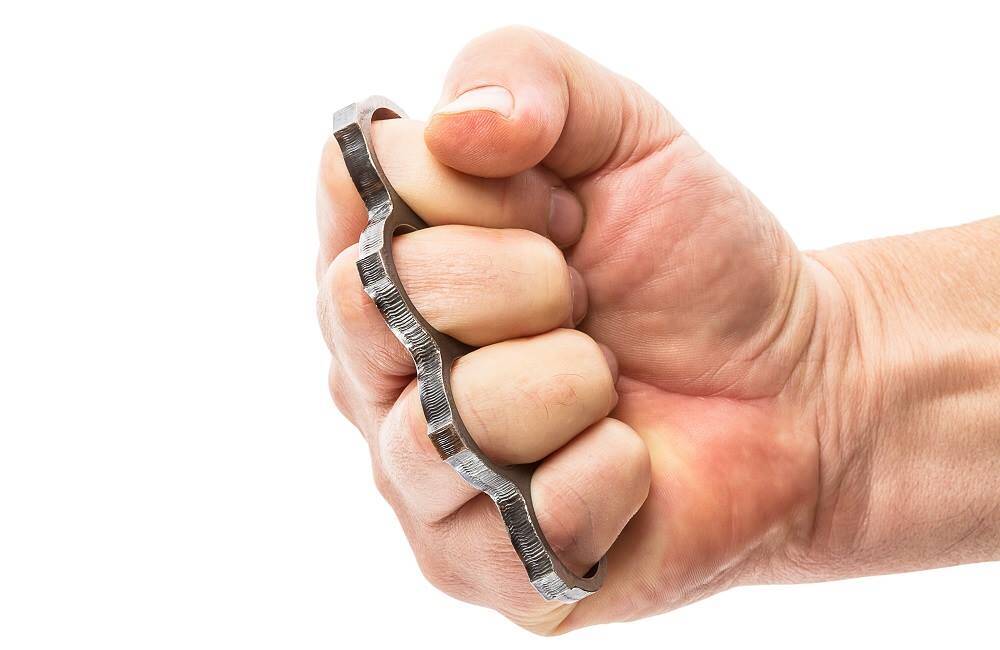
Understanding Oregon’s Weapon Laws
Oregon Revised Statute (ORS) Chapter 166 deals extensively with firearms and dangerous weapons. While the term “brass knuckles” itself might not be explicitly listed in every prohibition, the broader definitions of prohibited weapons and prohibited conduct often encompass them.
Prohibited Weapons and Dangerous Knives
Oregon law, specifically ORS 166.240, addresses the carrying of dangerous weapons. This statute generally prohibits any person, except a peace officer in the performance of their duties, from carrying concealed upon their person any dangerous weapon. The definition of “dangerous weapon” is broad and can be interpreted by courts to include items not specifically named.
While brass knuckles are a specific type of weapon, the intent behind them is clearly offensive and defensive. Laws often target weapons that are primarily designed or adapted for causing serious bodily injury. Brass knuckles, with their ability to amplify the force of a punch, undoubtedly fall into this category for law enforcement and judicial interpretation.
The Nuance of “Dangerous Weapon”
The classification of an item as a “dangerous weapon” in Oregon is not always straightforward and can depend on several factors:
- Intent of Manufacture/Design: Was the item manufactured with the primary purpose of being used as a weapon? Brass knuckles are almost exclusively designed for this purpose.
- Manner of Use: Even an everyday object can be considered a dangerous weapon if used in a manner that is likely to cause death or serious physical injury. However, brass knuckles are inherently dangerous due to their design.
- Context and Circumstance: While not directly applicable to the legality of possession itself, the circumstances under which someone is found with brass knuckles can influence how law enforcement and courts view the possession.
Metal Knuckles vs. Other Similar Items
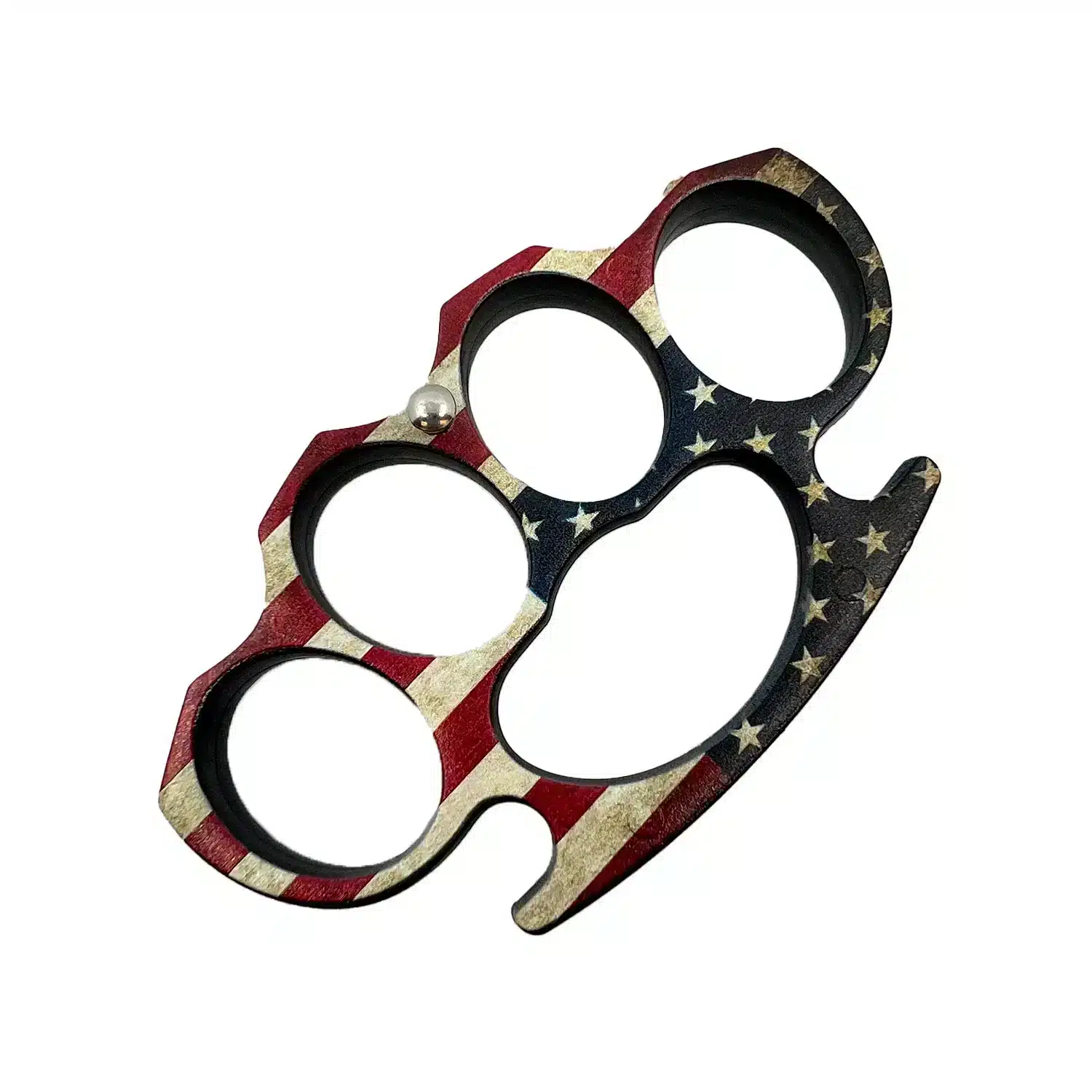
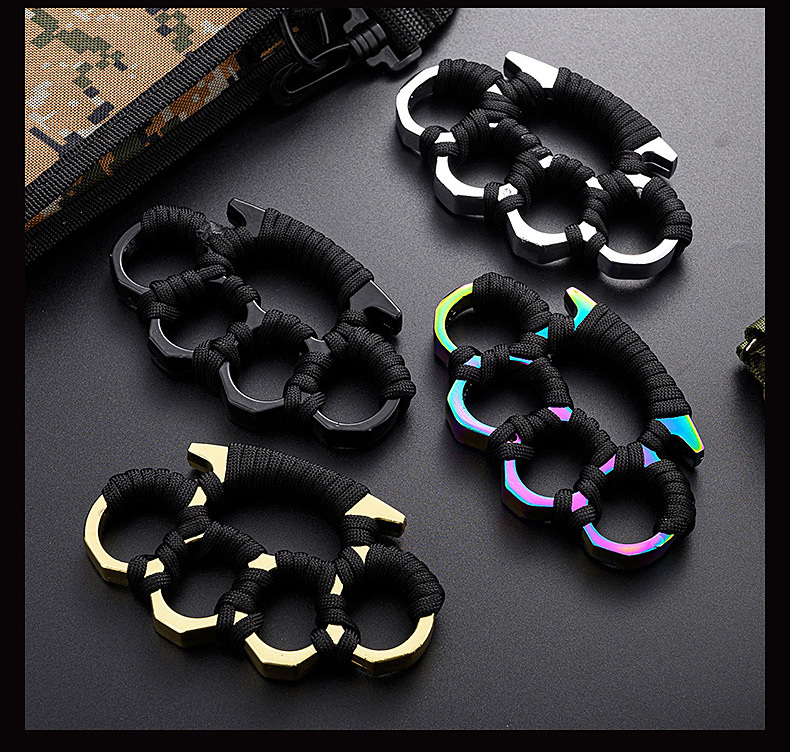
It’s important to distinguish brass knuckles from other items that might appear similar but have different legal standing. For instance, certain non-metallic knuckle-duster-like devices, or items that could theoretically be used to enhance a punch but are not designed for that specific purpose, might not be treated the same way. However, traditional brass knuckles, made of metal and designed to fit over the knuckles for striking, are almost universally viewed with suspicion under weapons laws.
Carrying Concealed Weapons in Oregon
The prohibition against carrying concealed dangerous weapons is a key aspect of Oregon firearm and weapon laws.
What Constitutes “Concealed”?
In Oregon, a weapon is generally considered “concealed” if it cannot be seen by ordinary observation. This means that even if an item is in a pocket, bag, or under clothing, if it’s hidden from plain view, it can be considered concealed.
Penalties for Carrying Concealed Weapons
Carrying a concealed dangerous weapon in Oregon is a Class A misdemeanor, as defined by ORS 166.250. Penalties can include:
- Jail Time: Up to one year in jail.
- Fines: Up to $6,250.
- Probation: Court-ordered supervision.
The severity of the penalties can also be influenced by prior offenses and the specific circumstances of the arrest.
Specific Statutes and Interpretations
While Oregon has specific laws regarding firearms and concealed carry, the direct mention of “brass knuckles” might be absent in some sections. However, their classification as dangerous weapons is often inferred or established through case law and prosecutorial discretion.
Absence of Explicit Mention vs. Implicit Prohibition
The absence of “brass knuckles” in a list of prohibited weapons does not automatically make them legal. Courts often interpret broad statutes to cover items that fit the spirit and intent of the law. Because brass knuckles are designed to inflict harm and are not typically used for any legitimate civilian purpose other than as a weapon, they are very likely to be considered prohibited dangerous weapons under existing Oregon statutes.
Case Law and Precedent
Legal interpretations of weapon laws evolve through court decisions. While a specific Oregon Supreme Court case directly addressing the legality of brass knuckles might be difficult to pinpoint for the general public, the underlying principles of weapon classification and prohibition are well-established. These principles generally lean towards prohibiting items designed for causing serious harm and not serving a legitimate, non-weaponized purpose.
Beyond Brass Knuckles: Other Weapon Laws in Oregon
To fully understand the context of brass knuckles, it’s helpful to briefly look at Oregon’s broader approach to self-defense tools.
Firearms and Concealed Handgun Licenses
Oregon is a “shall-issue” state for concealed handgun licenses (CHLs). This means that if an applicant meets the state’s requirements, the issuing authority must grant the license. However, CHLs primarily pertain to firearms and do not grant permission to carry other prohibited weapons.
Other Types of Weapons
Laws in Oregon also address other types of weapons, such as:
- Switchblades and Gravity Knives: These have specific regulations regarding their possession and sale.
- Explosives and Destructive Devices: These are heavily regulated and prohibited for civilian possession.
- Stun Guns and Tasers: Possession of stun guns and tasers is generally legal in Oregon for individuals who are not prohibited from owning firearms. However, there are restrictions on carrying them concealed.
The consistent theme across these regulations is the prohibition of items designed or likely to cause serious harm, especially when carried concealed. Brass knuckles, by their very nature, fit this description.
Conclusion: A High Likelihood of Illegality
Given the existing legal framework in Oregon, it is highly probable that brass knuckles are considered illegal to possess, particularly when carried concealed. The broad definition of “dangerous weapon” and the specific statutes prohibiting concealed dangerous weapons are likely to encompass brass knuckles. While the law might not explicitly list them by name in every instance, their design and intended use strongly suggest they fall under prohibited categories.
For individuals interested in self-defense, Oregon offers legal avenues such as obtaining a concealed handgun license or carrying legal self-defense tools like pepper spray (with certain limitations) or legal stun guns. It is always advisable to consult with a legal professional in Oregon for definitive advice on weapon laws and regulations to ensure compliance with all state and local statutes. Navigating these laws can be intricate, and seeking expert guidance is the safest approach.
LifeOutOfTheBox is a participant in the Amazon Services LLC Associates Program, an affiliate advertising program designed to provide a means for sites to earn advertising fees by advertising and linking to Amazon.com. Amazon, the Amazon logo, AmazonSupply, and the AmazonSupply logo are trademarks of Amazon.com, Inc. or its affiliates. As an Amazon Associate we earn affiliate commissions from qualifying purchases.