
Oregon Grape, scientifically known as Mahonia aquifolium, is a native shrub found throughout the Pacific Northwest, particularly in Oregon, Washington, and parts of British Columbia. While its name suggests a direct connection to consumption, the question of whether this vibrant plant is edible is more nuanced than a simple yes or no. For those venturing into the wilderness or simply curious about the flora in their backyard, understanding the edibility of Oregon Grape is crucial for both culinary exploration and ensuring safety.
This article delves into the edibility of Oregon Grape, separating fact from folklore, and explores its historical and contemporary uses, primarily within the realm of foraging and traditional practices. It aims to provide a comprehensive guide for individuals interested in the local food scene and the natural bounty of the Pacific Northwest.

Understanding Oregon Grape: Identification and Characteristics
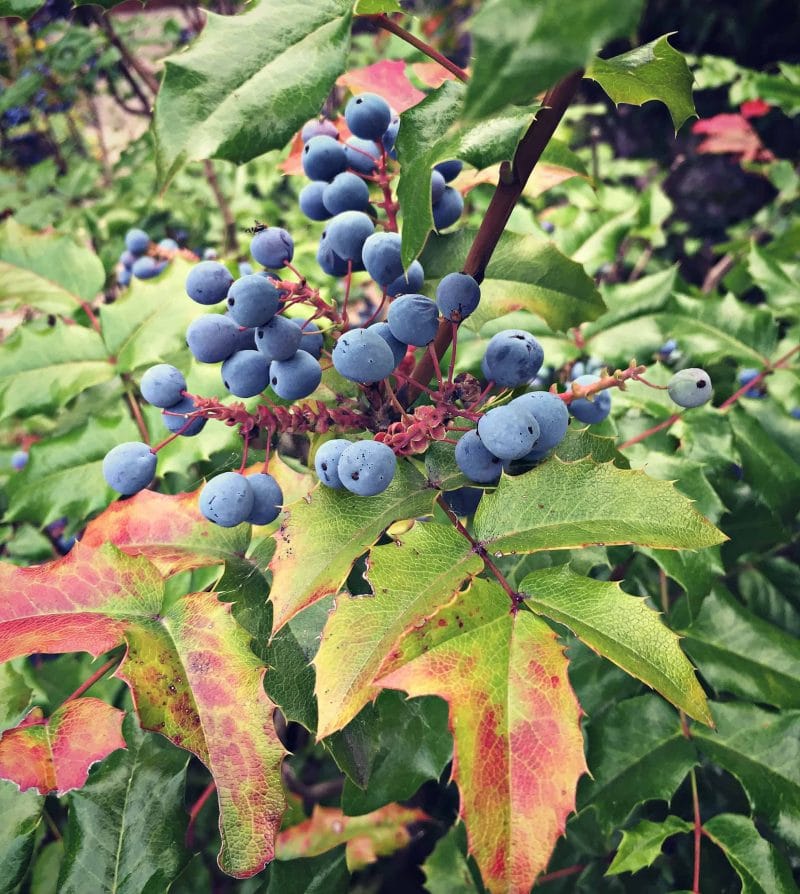
Before considering consumption, accurate identification of Oregon Grape is paramount. This evergreen shrub is characterized by its glossy, holly-like leaves, which are typically spiny and dark green, often turning a reddish-bronze in cooler months. It produces bright yellow flowers in spring, followed by clusters of small, dark blue to purplish-black berries in late summer and fall. These berries are the most commonly discussed part of the plant in relation to edibility.
Distinguishing Features
- Leaves: Spiny, leathery, evergreen, resembling those of a holly plant. They are typically arranged in a whorl at the end of branches.
- Flowers: Small, bright yellow, bell-shaped, and borne in drooping clusters, usually appearing in spring.
- Berries: Round, pea-sized, and a deep bluish-purple when ripe. They are covered in a powdery bloom, giving them a matte appearance.
- Habitat: Commonly found in forests, woodlands, open fields, and along roadsides in the Pacific Northwest. It thrives in partial shade but can tolerate full sun.
It is important to distinguish Oregon Grape from other native plants that may share similar habitats or appearances but are not edible. Misidentification can lead to accidental ingestion of toxic species. While Oregon Grape is generally not considered acutely poisonous, consuming misidentified plants can have severe health consequences.
Varieties and Similar Species
There are several species within the Mahonia genus, and while Mahonia aquifolium is the most widespread and commonly referred to as Oregon Grape, other varieties exist, such as creeping Oregon Grape (Mahonia repens). While their edibility profiles are similar, subtle differences in taste and preparation might exist. Crucially, one must avoid confusing the berries with those of toxic plants like nightshade or certain yew species, which are highly poisonous.
The Edibility of Oregon Grape Berries
The primary part of the Oregon Grape plant that is considered for consumption is its berries. These berries are notably sour, even bordering on bitter, with a distinct tartness that often surprises first-time tasters. This intense flavor profile is due to their high concentration of alkaloids, particularly berberine, which is responsible for their medicinal properties and potent taste.
Taste Profile and Texture
The flavor of Oregon Grape berries is often described as lemony and intensely sour. The texture can be slightly mealy when raw, and the seeds within are hard and are typically not consumed. The tartness is so pronounced that most people find them unpalatable eaten raw in any significant quantity.
Preparation and Culinary Uses
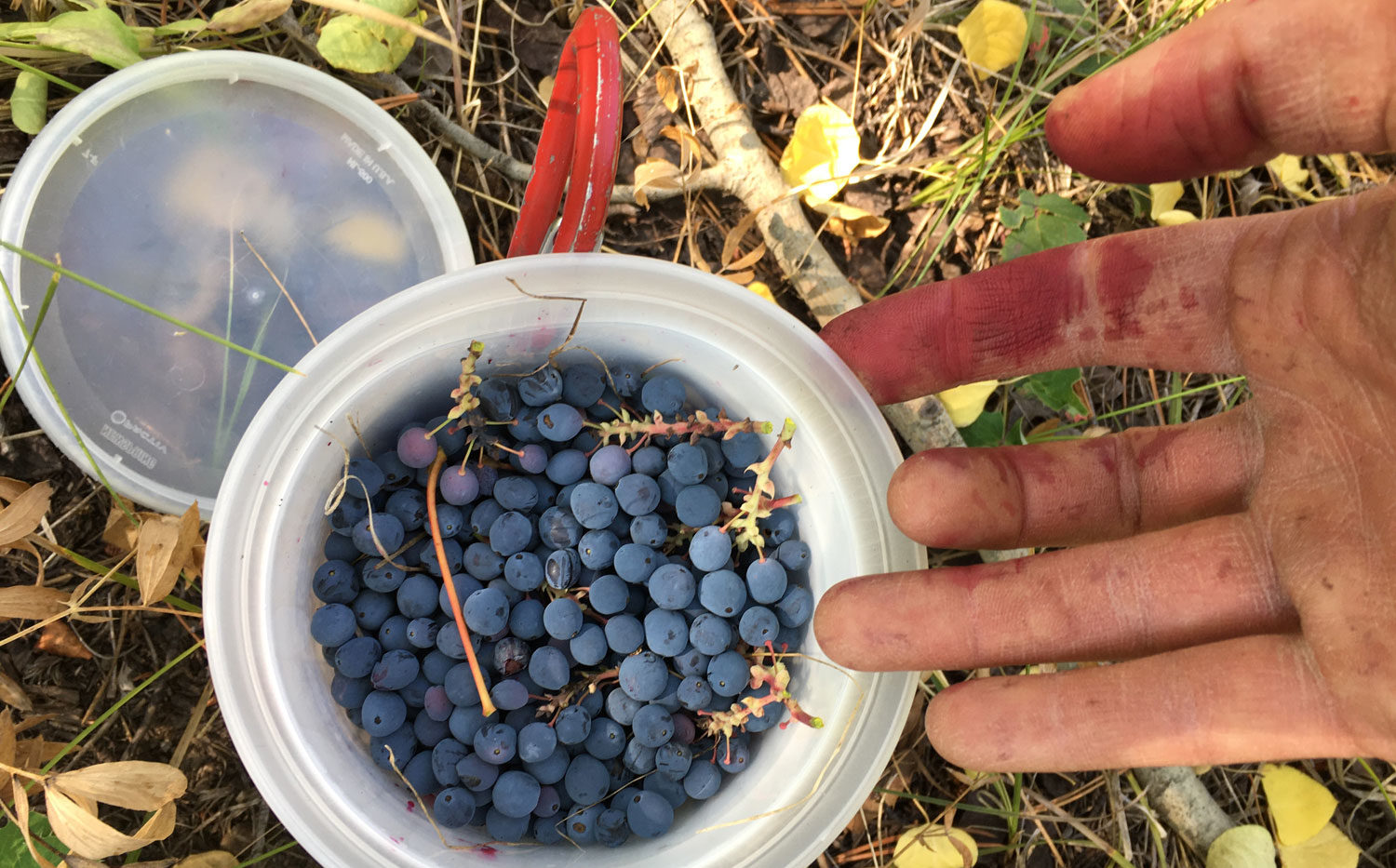
Due to their extreme tartness, Oregon Grape berries are rarely eaten fresh. Instead, they are almost always processed to mellow their flavor and make them more palatable. Common preparation methods include:
- Cooking: Boiling the berries can help to break down some of the tartness and alkaloids. They are often simmered with water to extract their juice.
- Sweetening: Adding significant amounts of sugar or other sweeteners is essential to counteract the sourness. This makes them suitable for jams, jellies, syrups, and wines.
- Combining with Other Fruits: Blending Oregon Grape berries with sweeter fruits like apples or pears can create a more balanced flavor profile in preserves and baked goods.
Traditional and Folk Uses
Historically, indigenous peoples of the Pacific Northwest utilized Oregon Grape for both medicinal and food purposes. The berries were a source of tartness and vitamin C, and were often dried or made into a paste. The roots and bark were more commonly used for medicinal purposes, known for their antiseptic and anti-inflammatory properties. While the berries were consumed, their usage was more about supplementation and medicinal benefit rather than being a staple food.
Nutritional and Medicinal Aspects
While the taste of Oregon Grape berries may be a deterrent for some, they do possess certain nutritional and medicinal properties that have contributed to their historical use. The berries contain vitamin C and antioxidants, which are beneficial for overall health.
Alkaloids and Their Effects
The most significant compound in Oregon Grape is berberine, a bitter alkaloid. Berberine has been studied for its potential antimicrobial, anti-inflammatory, and blood sugar-lowering properties. It is this compound that gives the plant its characteristic bitter taste. While berberine can have therapeutic effects, it can also cause gastrointestinal upset in large doses. Therefore, moderation is key when consuming products derived from Oregon Grape.
Potential Health Benefits
- Antioxidant Properties: The berries contain compounds that can help combat oxidative stress in the body.
- Digestive Aid: Traditionally, the bitter taste was believed to stimulate digestion.
- Antimicrobial Effects: Berberine is known for its potential to fight certain bacteria and fungi.
It is important to note that while traditional uses and some scientific studies suggest potential health benefits, Oregon Grape is not a substitute for conventional medical treatment. If considering Oregon Grape for medicinal purposes, consulting with a healthcare professional is advisable.
Foraging Safety and Considerations
Foraging for Oregon Grape offers a unique opportunity to connect with the natural environment and explore local food traditions. However, it is crucial to approach foraging with caution and a thorough understanding of best practices to ensure safety and sustainability.
Proper Identification is Crucial
As mentioned earlier, accurate identification is the first and most critical step. Never consume any wild plant unless you are 100% certain of its identification. Resources such as field guides specific to the Pacific Northwest, reputable foraging websites, and local expert guidance are invaluable. When in doubt, do not consume.
Harvesting Responsibly
When harvesting Oregon Grape, it is essential to do so responsibly to ensure the plant population can regenerate.
- Take only what you need: Avoid over-harvesting from any single plant or area.
- Leave plenty behind: Ensure enough berries and plant material remain for wildlife and for the plant to reproduce.
- Know the regulations: Be aware of any local rules or regulations regarding foraging on public or private lands. Some parks and reserves may have restrictions.
- Avoid polluted areas: Do not forage near roadsides where plants may be exposed to vehicle emissions or in areas that may have been sprayed with pesticides or herbicides.
Processing and Storage
Once harvested, Oregon Grape berries should be cleaned thoroughly. Remove any leaves, stems, or debris. It is best to process the berries soon after harvesting. They can be stored fresh in the refrigerator for a short period, but for longer storage, they are typically cooked down into jams, jellies, or syrups, which can then be preserved through canning. Freezing the processed products is also an option.
Conclusion: A Tart Treat for the Adventurous Palate
Oregon Grape berries are indeed edible, but their consumption is not for the faint of heart or for those seeking a naturally sweet snack. Their intense sourness and slight bitterness, attributed to potent alkaloids like berberine, mean they are best enjoyed in processed forms where their flavor can be tempered with sweetness and combined with other ingredients.
For the adventurous cook and the curious forager in the Pacific Northwest, Oregon Grape offers a unique culinary experience, a connection to traditional practices, and a glimpse into the potent bounty of the region’s native flora. By prioritizing proper identification, responsible harvesting, and careful preparation, one can safely explore the tart rewards of this iconic Oregon shrub. Whether transformed into a vibrant jam, a bracing syrup, or a unique wine, the taste of Oregon Grape is an unforgettable testament to the wild flavors of the Pacific Northwest.
LifeOutOfTheBox is a participant in the Amazon Services LLC Associates Program, an affiliate advertising program designed to provide a means for sites to earn advertising fees by advertising and linking to Amazon.com. Amazon, the Amazon logo, AmazonSupply, and the AmazonSupply logo are trademarks of Amazon.com, Inc. or its affiliates. As an Amazon Associate we earn affiliate commissions from qualifying purchases.