
Oregon, a state celebrated for its diverse landscapes, from rugged coastlines and verdant forests to arid high deserts and snow-capped mountains, often conjures images of lush greenery. This vibrant ecology is intrinsically linked to its precipitation patterns. For travelers, understanding Oregon’s climate, particularly its rainfall, is crucial for planning an enjoyable and well-prepared visit. The answer to “Does it rain a lot in Oregon?” is nuanced, varying significantly by region and season, but generally, yes, many parts of the state receive substantial rainfall, especially during certain times of the year.
Understanding Oregon’s Diverse Climate Zones
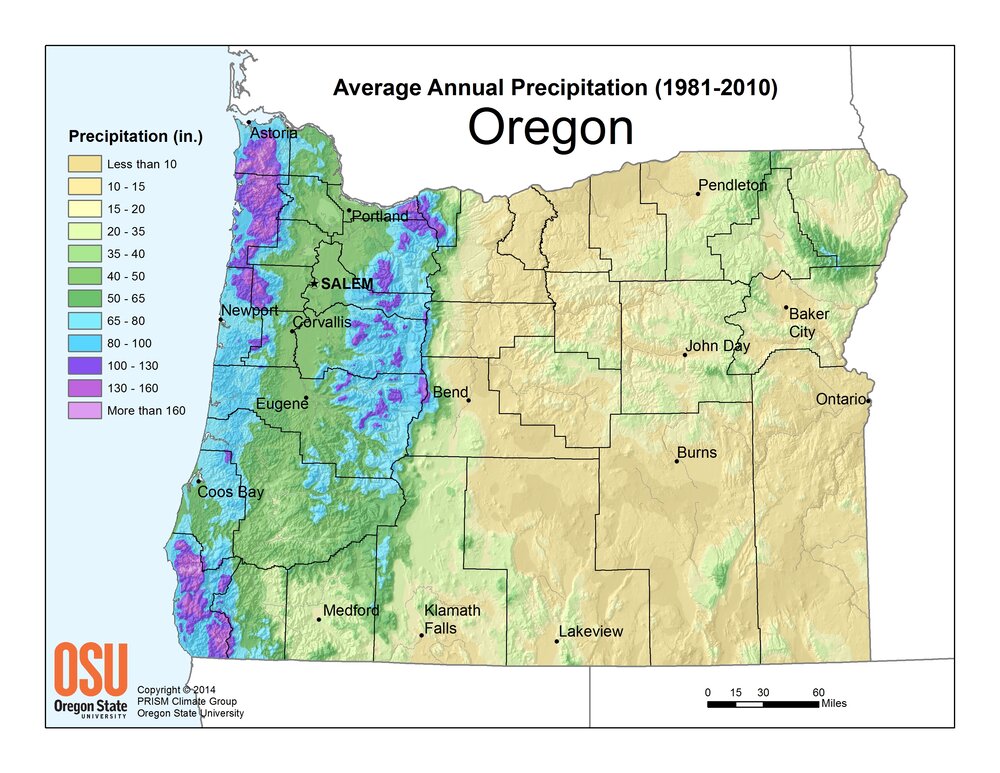
Oregon’s geography is characterized by a dramatic rain shadow effect created by the Cascade Mountains. This natural barrier divides the state into two distinct climate regions: the western, wetter side, and the eastern, drier side. This fundamental difference dictates precipitation levels, influencing everything from local flora and fauna to the types of activities best suited for each area.

Western Oregon: The Emerald Empire
West of the Cascade Mountains, the climate is heavily influenced by the Pacific Ocean. The prevailing winds carry moist air from the ocean inland, and as this air is forced upward by the coastal mountain ranges and the Cascades, it cools and condenses, leading to significant rainfall. This is the part of Oregon that truly lives up to its verdant reputation.
- Coastal Strip: The immediate coastal region, including popular destinations like Cannon Beach and Seaside, experiences a maritime climate. While it’s milder than inland areas, it’s also consistently damp. Expect frequent rain, mist, and fog throughout the fall, winter, and spring months. Summers tend to be drier and cooler than many people might expect, with less humidity and more sunshine, though scattered showers are still possible.
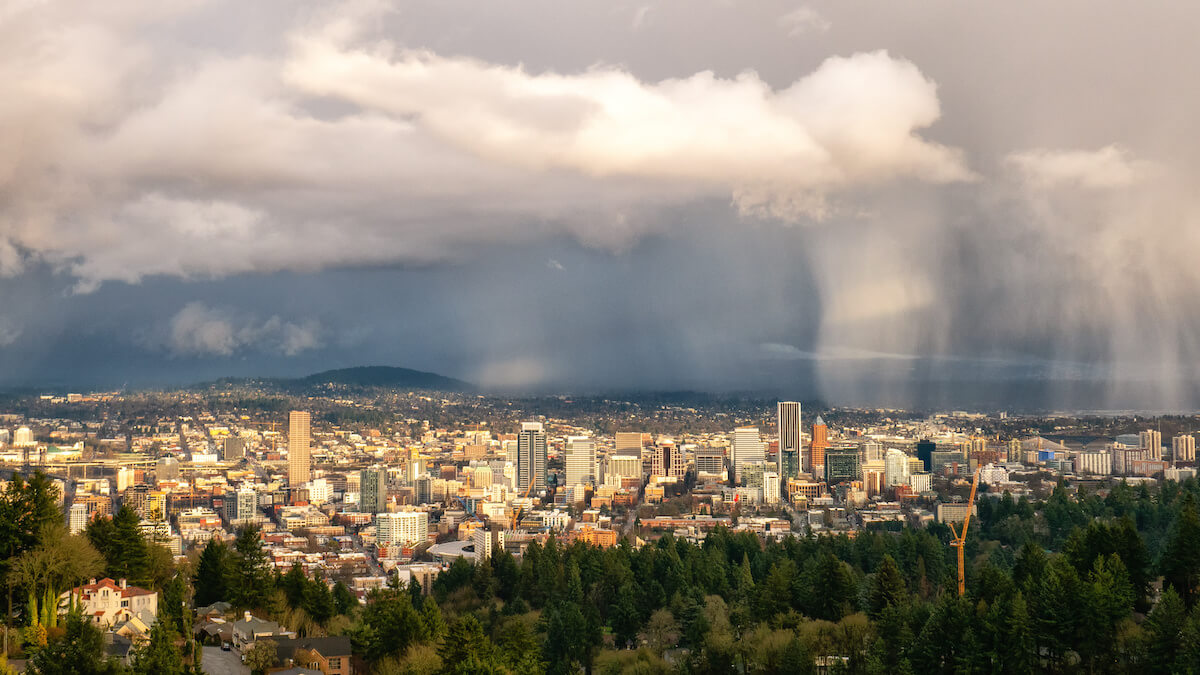
- Willamette Valley: This is Oregon’s most populous region, home to cities like Portland, Salem, and Eugene. The Willamette Valley experiences a Mediterranean-like climate, characterized by wet, mild winters and dry, warm summers. The majority of the annual precipitation falls between October and May. Portland, for instance, receives an average of about 36 inches of rain annually, which is comparable to New York City but distributed differently. The rain here is often a persistent drizzle or light showers rather than torrential downpours, making it possible to explore even on damp days with the right gear.
- Southern Oregon: Areas like Medford and the Rogue Valley have a slightly warmer and drier climate than the northern parts of Western Oregon, though they still receive significant rainfall, particularly in winter. This region is known for its vineyards and orchards, benefiting from a combination of adequate water and sunshine.
Eastern Oregon: The High Desert and Beyond
East of the Cascade Mountains, the landscape transforms dramatically. The mountain ranges block most of the moisture from the Pacific, creating a semi-arid to arid climate. This is where the “dry” side of Oregon resides.
- High Desert: Regions like Bend and Malheur National Forest experience much less precipitation than the west. Summers are typically hot and dry, with very little rainfall. Winters can bring snow, especially at higher elevations, but total precipitation is considerably lower than in the Willamette Valley. This makes Bend a popular destination for outdoor activities like hiking and biking in the summer, with a lower chance of rain interrupting plans.
- Northeastern Oregon: This region, including areas around the Blue Mountains, receives more precipitation than the high desert, especially in mountainous areas. However, it’s still significantly drier than Western Oregon. The climate here is more continental, with hotter summers and colder winters.
Seasonal Rainfall Patterns
Understanding Oregon’s rainfall is not just about geography; it’s also about seasonality. The timing and intensity of precipitation play a significant role in how the state looks and feels throughout the year.
Fall (September – November)
Fall marks the transition from the dry summer to the wet winter. In Western Oregon, the first rains typically begin in September or October, gradually increasing in frequency and intensity. The landscape becomes a vibrant tapestry of autumn colors, enhanced by the increasing moisture. This season is beautiful but requires preparation for wet conditions, especially for outdoor exploration.
Winter (December – February)
Winter is the wettest season for most of Oregon. Western Oregon experiences its heaviest rainfall during these months, characterized by cool temperatures and persistent drizzle, or heavier downpours during storm systems. Snowfall is common at higher elevations, particularly in the Cascade Mountains, making it a prime destination for winter sports. Eastern Oregon sees snowfall, but often less frequent and less intense rain compared to the west.
Spring (March – May)
Spring in Oregon is a period of transition and renewal. While the rain continues in Western Oregon, it gradually begins to taper off as summer approaches. The landscape bursts into bloom with wildflowers, and the increasing sunshine offers more opportunities for outdoor activities. This is a wonderful time to visit, as you can experience both the lingering dampness that keeps the greenery lush and the emerging warmth and sunshine. Eastern Oregon begins to dry out, though snowmelt can contribute to water levels in rivers and streams.
Summer (June – August)
Summer is generally the driest and warmest season across Oregon, especially in the Willamette Valley and Eastern Oregon. While Western Oregon still receives some rain, it’s significantly less frequent and often in the form of brief showers. This is peak season for many outdoor activities, including exploring the Oregon Coast, hiking in the mountains, and enjoying the wine regions. Even on the coast, where summer fog can be prevalent, days are often clear and pleasant.
Implications for Travel and Activities
The rainfall patterns in Oregon directly influence the best times to visit and the types of activities that are most enjoyable.
Preparing for Rain
For travelers heading to Western Oregon, especially during the fall, winter, and spring, rain gear is essential. A good waterproof and windproof jacket, waterproof shoes or boots, and an umbrella are highly recommended. Layers are also key, as the weather can change quickly. Don’t let the rain deter you; Oregon’s lush beauty is a direct result of its precipitation, and many attractions are still accessible and enjoyable on a damp day. Museums, cozy cafes, bookstores, and the vibrant arts scene in cities like Portland offer excellent indoor options.
Embracing the Outdoors
Even with the rain, Oregon offers abundant opportunities for outdoor enthusiasts.
- Hiking: Trails in areas like the Columbia River Gorge are spectacular after rain, with waterfalls at their most powerful. The lush forests, such as those in the Oregon Coast Range and Cascade Mountains, are at their most vibrant.
- Coastal Exploration: The Oregon Coast is a year-round destination. Storm watching in the winter can be an exhilarating experience, while beachcombing and tide pooling are rewarding in all seasons.
- Winter Sports: For those who enjoy snow, the Cascades offer world-class skiing and snowboarding at resorts like Mount Hood Meadows and Timberline Lodge.
- Dry Season Adventures: Summer and early fall are ideal for exploring Eastern Oregon’s high desert landscapes, including areas around Crater Lake National Park (though it can still be snowy at higher elevations into early summer) and the vast wilderness areas.
Conclusion: A State Defined by Water
So, does it rain a lot in Oregon? For much of the state, particularly west of the Cascade Mountains, the answer is a resounding yes, especially during the fall, winter, and spring. However, this abundant precipitation is precisely what creates the state’s iconic natural beauty, from its emerald forests and dramatic waterfalls to its fertile valleys. By understanding the regional and seasonal variations in rainfall, travelers can better prepare for their visit and fully appreciate the diverse climates and landscapes that make Oregon such a unique and captivating destination. Whether you’re seeking the misty charm of the coast or the sunny expanses of the high desert, Oregon’s weather is an integral part of its identity, offering something for every kind of adventurer.
LifeOutOfTheBox is a participant in the Amazon Services LLC Associates Program, an affiliate advertising program designed to provide a means for sites to earn advertising fees by advertising and linking to Amazon.com. Amazon, the Amazon logo, AmazonSupply, and the AmazonSupply logo are trademarks of Amazon.com, Inc. or its affiliates. As an Amazon Associate we earn affiliate commissions from qualifying purchases.