
Becoming a notary public in Oregon is a structured process designed to ensure that individuals appointed to this role possess the necessary integrity and understanding of their duties. A notary public serves as an impartial witness to the signing of important documents, verifying the identity of the signer and ensuring they are signing willingly. This role is vital for maintaining the integrity of legal and financial transactions, from real estate closings to estate planning. For those interested in providing this essential public service, understanding the requirements and steps involved is key.

Understanding the Role and Requirements of an Oregon Notary Public
A notary public in Oregon is a public official appointed by the Governor’s office to serve as an impartial witness. Their primary function is to deter fraud by verifying the identity of signers of important documents. This involves witnessing signatures, administering oaths and affirmations, and taking acknowledgments. The position requires a high degree of trust and responsibility, as the actions of a notary public can have significant legal ramifications.
Eligibility Criteria
To be eligible for appointment as a notary public in Oregon, applicants must meet several fundamental requirements. These ensure that only qualified individuals are entrusted with this important role.
Age and Residency
Applicants must be at least 18 years of age. Furthermore, they must be legal residents of Oregon or have a principal place of employment within the state. This ensures that the notary public is accountable to the state and its laws.
Legal Standing
A crucial requirement is that applicants must not have been convicted of a felony or a crime involving dishonesty or moral turpitude, unless certain conditions have been met, such as the full satisfaction of the sentence and a waiting period. This is a fundamental check to ensure the integrity of the notary commission.
Education and Competency
While Oregon does not mandate a specific educational background, applicants are expected to be able to read, write, and understand English. They must also be competent to perform notary acts. This generally implies an understanding of the basic principles of notarial law and procedure.
Other Disqualifications
Certain other factors can disqualify an applicant. This includes having a notary commission revoked or suspended in Oregon or any other state, or having been removed from another public office for malfeasance.
The Application Process: Step-by-Step Guide
The journey to becoming a notary public in Oregon involves a clear, sequential process managed by the Secretary of State’s office. Each step is designed to verify eligibility and prepare the applicant for their duties.
Step 1: Complete the Notary Public Application Form
The initial step is to obtain and accurately complete the official Notary Public Application form. This form can typically be downloaded from the Oregon Secretary of State’s website or requested by mail. It is imperative to fill out all sections truthfully and completely. Any omissions or inaccuracies can lead to delays or denial of the application.
Step 2: Pass the Notary Public Examination
All new applicants and those seeking reappointment after their commission has expired are required to pass a proctored examination. This examination assesses an applicant’s knowledge of notarial laws, procedures, ethics, and responsibilities in Oregon. The exam is designed to ensure that notaries understand their duties and can perform them correctly to prevent fraud and protect the public. Information regarding exam dates, locations, and study materials is provided by the Secretary of State’s office. Preparation for this exam is highly recommended, often involving reviewing the official notary handbook.

Step 3: Obtain a Notary Bond
Upon passing the examination, applicants must obtain a surety bond. A notary bond is a type of insurance policy that protects the public from financial harm caused by a notary’s misconduct or negligence. The bond does not protect the notary; rather, it provides a financial guarantee to those who may be harmed by a notary’s errors. The bond amount is set by state law, and it must be obtained from a surety company authorized to do business in Oregon. The bond must be in the name of the applicant and submitted with other application materials.
Step 4: Submit the Application Package
Once the application form is completed, the examination is passed, and the notary bond is secured, the complete application package must be submitted to the Oregon Secretary of State’s office. This package typically includes the completed application form, proof of passing the examination, the notary bond, and the required application fee. The fee covers the administrative costs associated with processing the application and issuing the commission.
Step 5: Await Commission and Oath of Office
After the application package is reviewed and approved, the Secretary of State will issue a notary commission. The commission is the official document authorizing the individual to act as a notary public. Along with the commission, the applicant will typically receive instructions on how to take the Oath of Office. The Oath of Office is a formal declaration by which the notary public swears to faithfully and impartially perform the duties of their office. This oath must be taken before a judge or other authorized official, and a record of it is usually filed with the county clerk’s office.
Essential Tools and Supplies for an Oregon Notary Public
Once commissioned, a notary public needs to acquire specific tools and supplies to perform their duties effectively and compliantly. These items are essential for accurately recording notarial acts and maintaining the integrity of the documents they notarize.
The Notary Seal
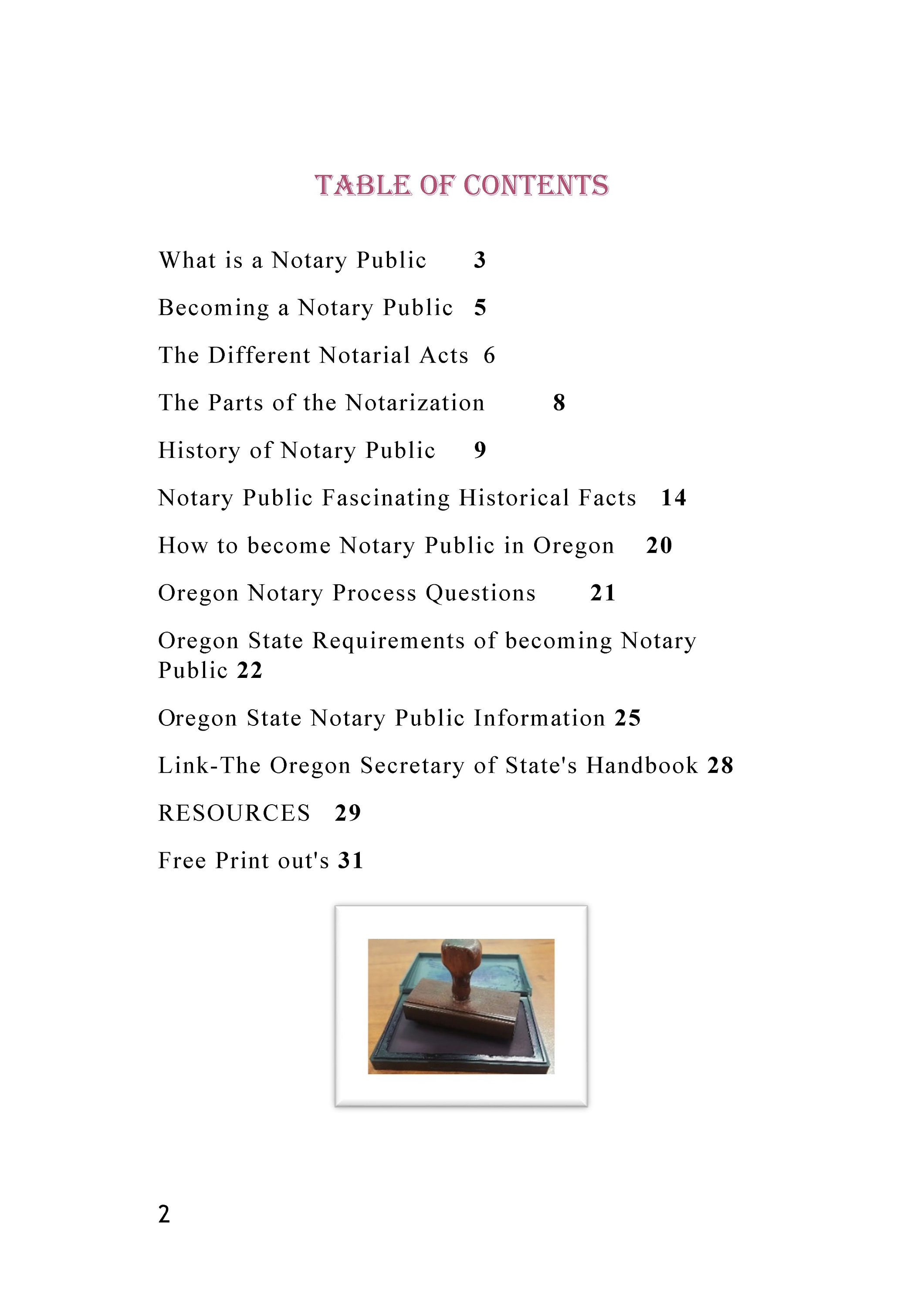
The notary seal is one of the most critical tools. It is an embosser or a stamp that contains specific information required by state law, including the notary’s name, the words “Notary Public,” the county of their principal place of business, their commission expiration date, and their commission number. The seal is used to authenticate the notary’s signature on a notarial certificate. The quality and specifications of the seal are important to ensure it is legible and meets legal requirements. Many vendors offer notary seals that comply with Oregon statutes.
The Notary Journal
Maintaining a detailed notary journal is a mandatory requirement in Oregon for every notarial act performed. The journal serves as a chronological record of all notary activities and is crucial for protecting both the notary and the public. It typically includes the date and time of the notarization, the type of notarial act, the title of the document, the printed name and signature of the signer, the signer’s identification details (type of ID, issuing agency, serial number, and expiration date), the fee charged (if any), and the notary’s signature. A well-maintained journal can be invaluable in the event of a dispute or legal challenge.
Notarial Certificates
While not always a physical “supply” in the same sense as a seal or journal, understanding and using the correct notarial certificates is vital. These are pre-printed statements that are attached to or included in a document, detailing the notarial act performed. Common notarial certificates include the acknowledgment and the jurat. An acknowledgment confirms that the signer appeared before the notary, was identified, and acknowledged that they signed the document voluntarily. A jurat requires the signer to appear before the notary, be identified, and swear or affirm that the statements in the document are true, and then sign the document in the notary’s presence. Oregon has specific wording requirements for these certificates.
Maintaining Your Commission and Continuing Education
Becoming a notary public is not a one-time achievement; it requires ongoing commitment to professional standards and renewal of the commission. Staying informed about legal updates and best practices is essential.
Commission Renewal
A notary public commission in Oregon is valid for a period of four years. To continue serving as a notary, the commission must be renewed before its expiration date. The renewal process typically involves a similar application and examination requirement as the initial application, though the specific procedures may vary. It is the notary’s responsibility to track their commission expiration date and initiate the renewal process in a timely manner. Failure to renew before expiration will result in the loss of the commission, requiring a new application and examination from scratch.
Staying Informed and Ethical Conduct
The laws and regulations governing notaries public can change. It is incumbent upon every notary to stay abreast of these changes. This includes regularly consulting the Oregon Secretary of State’s website, reviewing any updated notary handbooks, and potentially attending continuing education seminars. Ethical conduct is paramount. Notaries must always act with impartiality, avoid conflicts of interest, and perform their duties diligently and accurately. Any breach of ethical standards can lead to disciplinary action, including suspension or revocation of the notary commission. Practicing ethical notary service ensures the public’s trust in the notarial system.
In conclusion, the path to becoming a notary public in Oregon is a clear and achievable process for individuals who meet the eligibility criteria and are willing to commit to the responsibilities of the role. By understanding the requirements, diligently following the application steps, acquiring the necessary tools, and adhering to ethical standards, any eligible resident can successfully become a commissioned notary public and contribute to the integrity of legal and personal documents within the state.
LifeOutOfTheBox is a participant in the Amazon Services LLC Associates Program, an affiliate advertising program designed to provide a means for sites to earn advertising fees by advertising and linking to Amazon.com. Amazon, the Amazon logo, AmazonSupply, and the AmazonSupply logo are trademarks of Amazon.com, Inc. or its affiliates. As an Amazon Associate we earn affiliate commissions from qualifying purchases.