
The question of distance between two prominent cities in the Pacific Northwest, Portland, Oregon and Eugene, Oregon, is a common one for travelers, residents, and anyone planning a trip through the scenic Willamette Valley. While seemingly close on a map, the actual mileage, travel time, and the various ways to traverse this route offer a richer understanding of regional connectivity and the diverse experiences awaiting between these two vibrant hubs. Understanding the exact distance and optimal travel methods can significantly enhance a journey, whether you’re seeking a quick road trip, a leisurely exploration, or a logistical calculation for business or family visits.
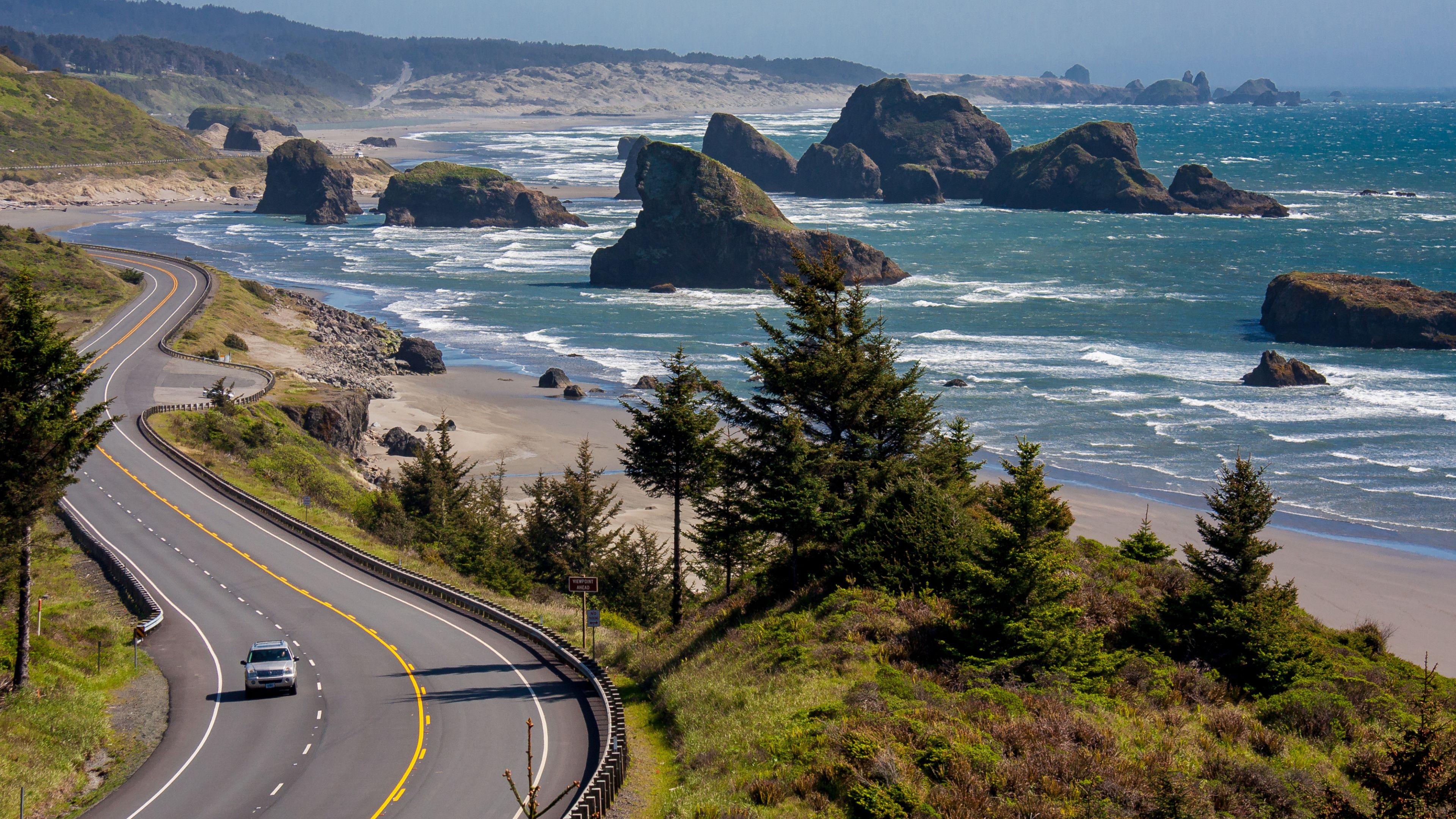
The journey from Portland, Oregon to Eugene, Oregon is a quintessential Oregon experience, showcasing the state’s natural beauty and its unique blend of urban sophistication and natural wilderness. The proximity of these two cities makes them ideal starting or ending points for exploring the broader Willamette Valley, a region renowned for its agricultural bounty, burgeoning wine scene, and captivating landscapes.
The Direct Route: Mileage and Driving Time
The most straightforward way to measure the distance between Portland, Oregon and Eugene, Oregon is by road. The primary route is via Interstate 5 (I-5) South, a major artery that connects the two cities efficiently.
Distance by Road
The driving distance between Portland, Oregon and Eugene, Oregon is approximately 110 miles (about 177 kilometers). This figure can vary slightly depending on your specific starting point within Portland and your exact destination within Eugene, as both are sizable metropolitan areas. However, for general planning purposes, 110 miles is a reliable estimate.
Estimated Driving Time
Under normal traffic conditions, the drive from Portland, Oregon to Eugene, Oregon typically takes between 1 hour and 45 minutes to 2 hours and 30 minutes. This timeframe is heavily influenced by several factors:
- Traffic Congestion: Portland and its surrounding areas, particularly the southern outskirts, can experience significant traffic, especially during peak commuting hours (weekdays from roughly 7-9 AM and 4-6 PM) and on Friday afternoons. Similarly, approaching Eugene can also see delays.
- Construction and Roadwork: Like any major highway, I-5 is subject to periodic construction, which can lead to lane closures and slower speeds. It’s always advisable to check local traffic reports before departing.
- Weather Conditions: Oregon’s weather can be a significant factor. During the winter months, rain, fog, and occasional ice or snow can slow down travel considerably, especially in the pass areas. Summer driving is generally smoother, though heat can sometimes impact road conditions.
- Stops Along the Way: The estimated driving time does not include any stops for gas, food, or sightseeing. If you plan to break up the journey, you will need to add that time accordingly.
The majority of the drive takes place on I-5 South, a well-maintained and largely straightforward interstate highway. The landscape transitions from the urban sprawl of Portland to rolling hills, agricultural fields, and forests as you head south, offering glimpses of the natural beauty that defines the Willamette Valley.
Alternative Travel Methods
While driving is the most common and often the most flexible way to travel between Portland, Oregon and Eugene, Oregon, other transportation options are available, each offering a different travel experience.
Amtrak Train Service
The Amtrak Cascades train service provides a scenic and relaxed alternative to driving. The train route runs through the heart of the Willamette Valley, offering picturesque views of the countryside, rivers, and forests that are often missed from the highway.
- Stations: Trains depart from Portland Union Station and arrive at the Eugene Station. Both stations are centrally located and offer good access to local transportation.
- Travel Time: The train journey typically takes around 2 hours and 45 minutes to 3 hours. While this is longer than driving in ideal conditions, it allows passengers to relax, read, work, or simply enjoy the scenery without the stress of navigating traffic or finding parking.
- Amenities: Amtrak trains often feature comfortable seating, Wi-Fi, power outlets, and a café car, making the journey comfortable.
- Environmental Impact: For those seeking a more sustainable travel option, train travel generally has a lower carbon footprint per passenger mile compared to driving.
Bus Services
Several bus companies operate routes between Portland, Oregon and Eugene, Oregon, providing an economical choice for travelers. Companies like FlixBus and Greyhound offer regular services.
- Departure and Arrival Points: Bus pick-up and drop-off locations are typically in convenient downtown areas or near transit hubs.
- Travel Time: Bus journeys usually take between 2 hours and 30 minutes to 3 hours and 30 minutes, depending on the number of stops and traffic.
- Cost-Effectiveness: Bus travel is often the most budget-friendly option, making it attractive for students, backpackers, and cost-conscious travelers.
- Onboard Experience: Modern intercity buses often provide Wi-Fi, power outlets, and comfortable seating, though the experience can be more variable than with train travel.
Flying (Indirect)
Direct commercial flights between Portland, Oregon and Eugene, Oregon are not typically offered due to the short distance and the availability of more efficient ground transportation. If one were to fly, it would involve a flight from Portland International Airport (PDX) to another major hub and then connecting to Eugene Airport (EUG). This would be a significantly longer, more expensive, and less practical option than driving, taking the train, or using a bus. Therefore, flying is generally not a viable or recommended method for traveling between these two specific cities.
Factors Influencing Travel Time and Experience
Beyond the raw mileage and the chosen mode of transport, several other elements can influence your journey from Portland, Oregon to Eugene, Oregon.
Time of Day and Day of Week
As mentioned, traffic is a major variable. Traveling early in the morning on a weekday, before the main rush, or late in the evening after the commute has subsided, will generally result in a faster drive. Weekends can also be busy, especially during popular event seasons or holidays. Sunday afternoons can see returning travelers heading north, leading to increased southbound traffic.
Road Conditions and Weather
Oregon’s climate is diverse. The wet season (typically October through May) brings frequent rain, which can reduce visibility and increase stopping distances. Fog is also common, especially in the mornings and evenings. The Willamette Valley experiences milder winters than some other parts of the country, but snow and ice can occur, particularly at higher elevations or during cold snaps, impacting the efficiency of the I-5 corridor. Summer travel is usually more predictable, with longer daylight hours and less precipitation, but can be affected by heat.
Potential Stops and Sightseeing Opportunities
The 110-mile stretch between Portland, Oregon and Eugene, Oregon is dotted with charming towns and scenic points of interest that can transform a simple transit into a rewarding road trip. Depending on your interests, you might consider these stops:
- Salem, Oregon: As the state capital, Salem offers historical sites like the Oregon State Capitol Building and the Willamette Heritage Center. It’s roughly midway between the two cities, making it a convenient place for a lunch break.
- Woodburn, Oregon: Known for its significant Portuguese community and the Oregon Garden, a beautifully landscaped botanical attraction.
- Silverton, Oregon: A quaint town often visited in conjunction with the Oregon Garden.
- Willamette Valley Wine Country: Numerous wineries are located along or just off I-5, particularly around Salem and further south. A detour through these areas can be a delightful experience for wine enthusiasts, though it will significantly increase travel time. Popular areas include those around McMinnville and Newberg, which are slightly west of the direct I-5 route but easily accessible with a small diversion.
- St. Louis Catholic Church: A historic and picturesque Catholic church with a distinctive bell tower, offering a unique photo opportunity.
Each of these potential stops adds time to your journey but enriches the travel experience, allowing you to explore the diverse character of the Willamette Valley.
Preparing for Your Journey
Whether you are a tourist planning an exploration of Oregon or a resident making a regular commute, understanding the distance and travel time between Portland, Oregon and Eugene, Oregon is crucial for efficient planning.
Navigation Tools
Utilizing GPS navigation apps like Google Maps, Waze, or Apple Maps is highly recommended. These tools provide real-time traffic updates, suggest the fastest routes, and can alert you to accidents or construction delays, helping you adjust your travel plans dynamically. They also offer estimated arrival times, which are invaluable for making connections or arriving at scheduled appointments.
Vehicle Maintenance
If you are driving, ensure your vehicle is in good working order. Check tire pressure, oil levels, and fluids, especially if traveling during extreme weather conditions. A well-maintained vehicle reduces the risk of breakdowns and ensures a safer journey.

Packing Essentials
For any trip, it’s wise to pack essentials. This includes water, snacks, a fully charged phone, a car charger, and any necessary medications. If traveling during the wetter months, consider rain gear, as you may encounter precipitation. For longer train or bus journeys, a book, headphones, or entertainment device can make the time pass more comfortably.
In conclusion, the distance between Portland, Oregon and Eugene, Oregon is a manageable 110 miles by road. While the direct drive can take as little as 1 hour and 45 minutes, factors like traffic, weather, and your own pace can extend this significantly. By considering the various transportation options and potential detours, you can tailor your journey to best suit your travel style and objectives, making the most of the beautiful Willamette Valley experience.
LifeOutOfTheBox is a participant in the Amazon Services LLC Associates Program, an affiliate advertising program designed to provide a means for sites to earn advertising fees by advertising and linking to Amazon.com. Amazon, the Amazon logo, AmazonSupply, and the AmazonSupply logo are trademarks of Amazon.com, Inc. or its affiliates. As an Amazon Associate we earn affiliate commissions from qualifying purchases.