
Understanding the scale of homelessness in any given city is a critical step in addressing the complex issues surrounding it. For Portland, Oregon, this question is not just about statistics; it’s about the lives, challenges, and community efforts that define the city’s response to this pervasive social concern. While definitive, real-time numbers are elusive, periodic point-in-time counts and ongoing research provide valuable insights into the demographics and trends of those experiencing homelessness in Portland.
The Point-in-Time (PIT) Count: A Snapshot of Homelessness
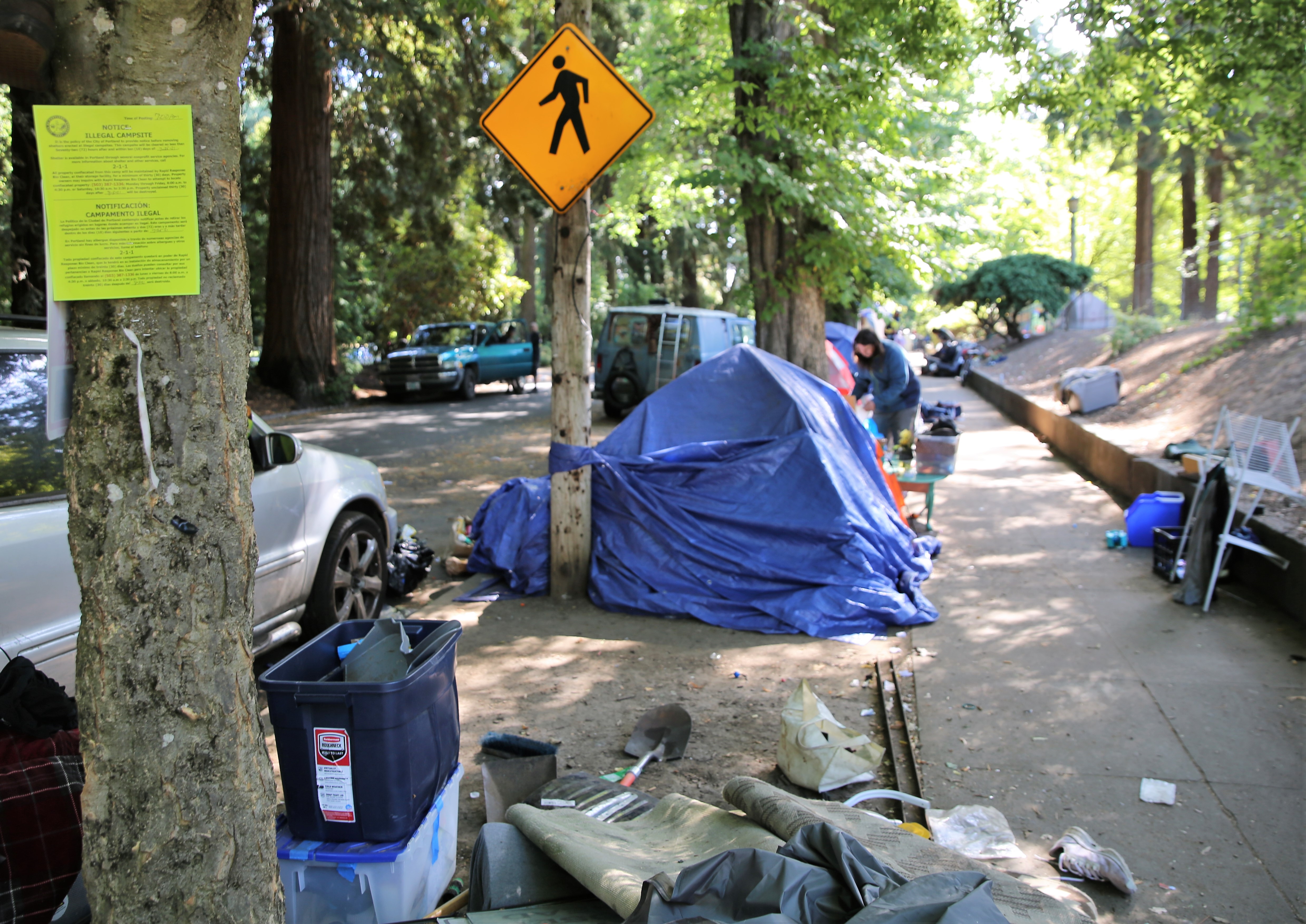
The most widely cited data on homelessness comes from the annual Point-in-Time (PIT) count, a federally mandated exercise conducted across the United States. On a single night each year, typically in January, trained volunteers and service providers canvas the community to count individuals and families experiencing homelessness. This count includes those in emergency shelters, transitional housing programs, and unsheltered locations such as streets, parks, and vehicles.
Methodology and Limitations of the PIT Count
The PIT count is a valuable tool for understanding the scope of homelessness at a specific moment. However, it is essential to recognize its inherent limitations. By its very nature, a one-night count cannot capture the full spectrum of homelessness, which is often fluid and dynamic. Some individuals may be temporarily sheltered on the count night, while others may be in the process of transitioning into or out of homelessness. Furthermore, reaching and accurately counting highly mobile or deeply unsheltered populations can be challenging.
Despite these limitations, the PIT count provides a consistent methodology that allows for comparisons over time and between different jurisdictions. The data collected helps inform funding decisions, resource allocation, and policy development at local, state, and federal levels. For Portland, the PIT count has consistently shown a significant number of individuals experiencing homelessness, a figure that has seen fluctuations in recent years.
Key Demographics Identified in the Count
The PIT count in Portland aims to gather demographic information to better understand the populations most affected by homelessness. This often includes data on:
- Age: The age distribution of individuals experiencing homelessness can vary, with a significant portion often being young adults.
- Gender Identity: Information on gender identity helps tailor services and programs.
- Race and Ethnicity: Disparities are often evident, with certain racial and ethnic groups being disproportionately represented among the homeless population.
- Household Composition: The count distinguishes between individuals and families with children, as well as those experiencing chronic homelessness (defined as experiencing homelessness for at least a year or on at least four occasions in the last three years while disabled).
- Veterans: The number of veterans experiencing homelessness is a specific focus, given the historical commitment to serving those who have served.
- Mental Health and Substance Use: While not always directly measured in the PIT count itself, subsequent analyses and data from service providers often highlight the prevalence of mental health conditions and substance use disorders among those experiencing homelessness, which can be both a cause and a consequence of their situation.
- Disability Status: The presence of a disabling condition is a key factor in understanding chronic homelessness.
By dissecting these demographics, Portland can develop more targeted interventions and support systems.
Beyond the Count: Understanding the Broader Homelessness Landscape
While the PIT count offers a crucial snapshot, a comprehensive understanding of homelessness in Portland requires looking at broader trends, contributing factors, and the ongoing efforts to address the crisis.
Factors Contributing to Homelessness in Portland
Homelessness is a multifaceted issue with no single cause. In Portland, as in many urban centers, a confluence of factors contributes to the rising numbers:
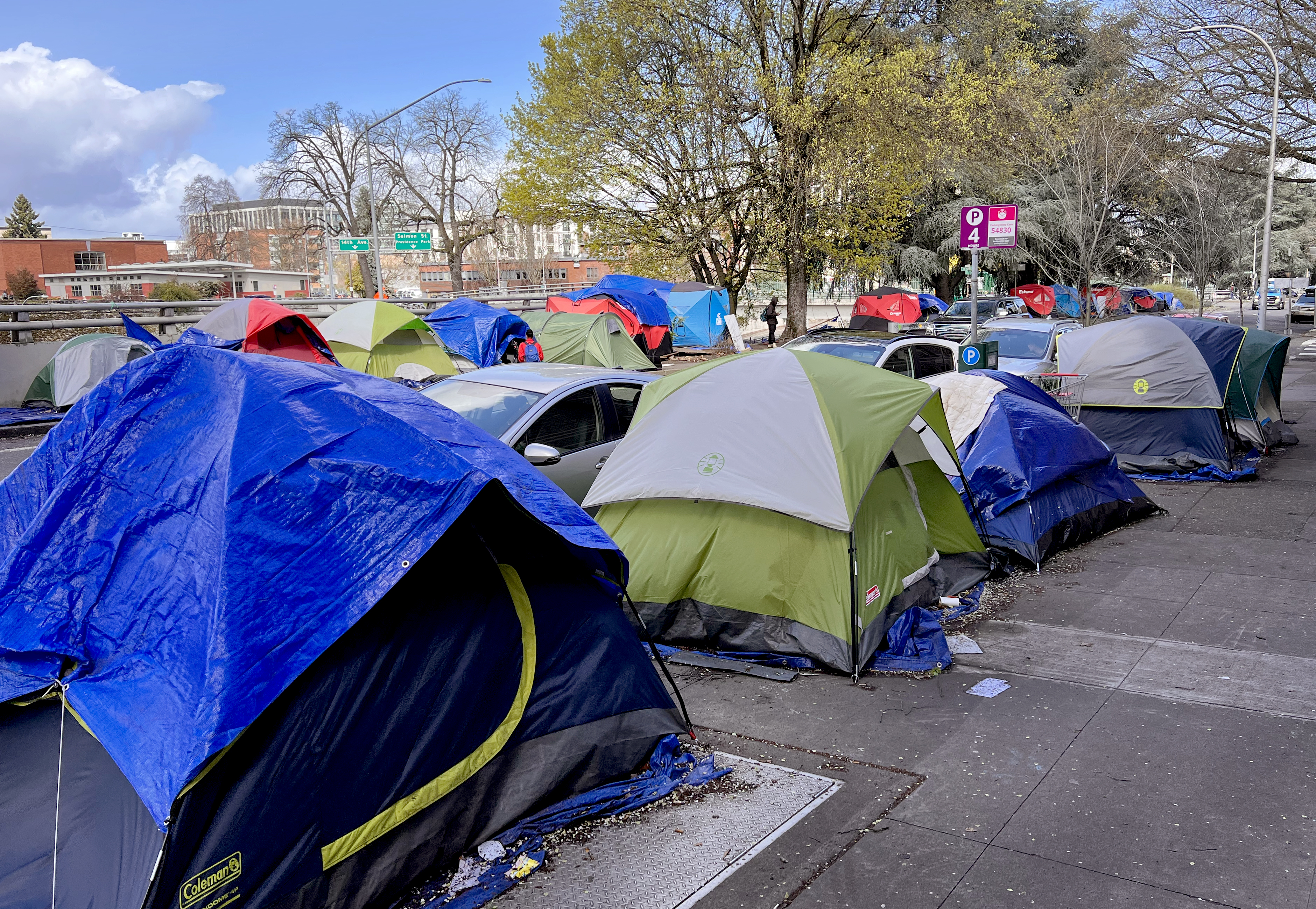
- Housing Affordability Crisis: A significant driver is the dramatic increase in housing costs, particularly rent, outpacing wage growth. Many low-income residents are priced out of the market, making it difficult to secure and maintain stable housing. This affects individuals and families across various income brackets, but especially those at the lower end of the economic spectrum.
- Economic Instability: Job loss, underemployment, and stagnant wages can quickly lead to housing insecurity, especially for those living paycheck to paycheck. Unexpected expenses, such as medical bills or car repairs, can be catastrophic for vulnerable households.
- Systemic Issues: For some, homelessness is linked to exiting systems such as foster care, correctional facilities, or hospitals without adequate support structures in place. These individuals may lack the resources, job skills, or social networks necessary to secure stable housing.
- Mental Health and Substance Use Disorders: While not the sole cause, untreated or inadequately managed mental health conditions and substance use disorders can significantly impair an individual’s ability to maintain employment, relationships, and housing. Access to affordable and comprehensive mental healthcare and addiction treatment is a critical component of any effective homelessness solution.
- Domestic Violence: For many, fleeing an unsafe home situation is a direct precursor to homelessness. Women and children, in particular, may seek safety in shelters or on the streets when they have no other options.
- Lack of Support Systems: Individuals experiencing personal crises, such as the death of a loved one, divorce, or severe illness, may find themselves without the crucial support networks that can prevent them from falling into homelessness.
Ongoing Efforts and Initiatives in Portland
Portland has seen numerous initiatives and partnerships aimed at combating homelessness. These range from direct service provision to systemic policy changes.
Shelter and Housing Programs
- Emergency Shelters: These provide immediate, temporary housing for individuals and families. Portland has various emergency shelter options, including those specifically for families, youth, and individuals with pets.
- Transitional Housing: These programs offer longer-term housing combined with support services designed to help individuals develop the skills and resources needed to achieve permanent housing.
- Permanent Supportive Housing (PSH): This model combines affordable housing with voluntary support services, such as case management, healthcare, and life skills training, for individuals with disabling conditions and a history of homelessness. PSH has been shown to be highly effective in reducing chronic homelessness.
- Rapid Re-housing: This intervention provides short-term rental assistance and supportive services to help individuals and families quickly exit homelessness and return to permanent housing.
Outreach and Prevention
- Street Outreach Teams: These dedicated teams work to connect unsheltered individuals with services, build trust, and assist them in accessing shelters, housing, and other resources.
- Prevention Programs: Efforts are also focused on preventing people from becoming homeless in the first place. This includes rental assistance programs, eviction prevention services, and mediation services between tenants and landlords.
- Mental Health and Addiction Services: Increased access to comprehensive mental healthcare and addiction treatment is a vital component of both prevention and intervention strategies.
Policy and Advocacy
Portland has engaged in ongoing policy discussions and advocacy efforts to address the root causes of homelessness. This includes advocating for increased affordable housing development, stronger tenant protections, and more robust social safety nets. The city has also explored innovative approaches, such as safe rest villages and managed encampments, as temporary solutions for unsheltered individuals while working towards more permanent housing options.
The Human Element: Stories and Perspectives
Behind the numbers and statistics are individuals with unique stories, struggles, and resilience. Understanding these human elements is crucial for fostering empathy and driving effective solutions. Many individuals experiencing homelessness in Portland are working towards stability, facing significant barriers such as the lack of affordable housing, limited job opportunities, and the pervasive stigma associated with homelessness.
Service providers often highlight the immense strength and determination of the people they serve, many of whom have experienced trauma, loss, and systemic failures. Building trust and providing consistent, compassionate support are paramount to helping individuals navigate their path to housing and self-sufficiency.

Conclusion: A Continuous Challenge and Collective Responsibility
The question of “How Many Homeless In [Portland, Oregon]?” is not one that yields a single, static answer. The Point-in-Time count provides a critical benchmark, but the reality of homelessness is far more complex and dynamic. It is a challenge shaped by economic forces, social inequities, and individual circumstances.
Addressing homelessness in Portland requires a sustained, multi-pronged approach. This involves not only providing immediate shelter and services but also investing in long-term solutions such as affordable housing, mental healthcare, and economic opportunity. It is a challenge that calls for the collective responsibility of government agencies, non-profit organizations, businesses, and the community at large to ensure that every resident has access to safe, stable housing and the support they need to thrive. The journey towards ending homelessness is ongoing, and continuous data collection, adaptive strategies, and a deep understanding of the human impact are essential for progress.
LifeOutOfTheBox is a participant in the Amazon Services LLC Associates Program, an affiliate advertising program designed to provide a means for sites to earn advertising fees by advertising and linking to Amazon.com. Amazon, the Amazon logo, AmazonSupply, and the AmazonSupply logo are trademarks of Amazon.com, Inc. or its affiliates. As an Amazon Associate we earn affiliate commissions from qualifying purchases.