
Oregon, a state celebrated for its diverse landscapes, from the rugged Oregon Coast to the majestic Cascade Mountains, and its vibrant cities like Portland and Eugene, presents a compelling option for those seeking a high quality of life. However, as with any desirable destination, understanding the financial commitment involved in establishing residency is crucial. This exploration delves into the multifaceted costs associated with living in Oregon, encompassing housing, utilities, transportation, groceries, healthcare, and entertainment, to provide a comprehensive overview for potential residents.
The Housing Market: A Significant Investment
Housing is invariably the largest expense for any resident, and Oregon is no exception. The cost of real estate varies dramatically across the state, with urban centers commanding higher prices than rural areas. Factors such as proximity to amenities, school districts, and the type of dwelling all play a significant role.
Homeownership Costs
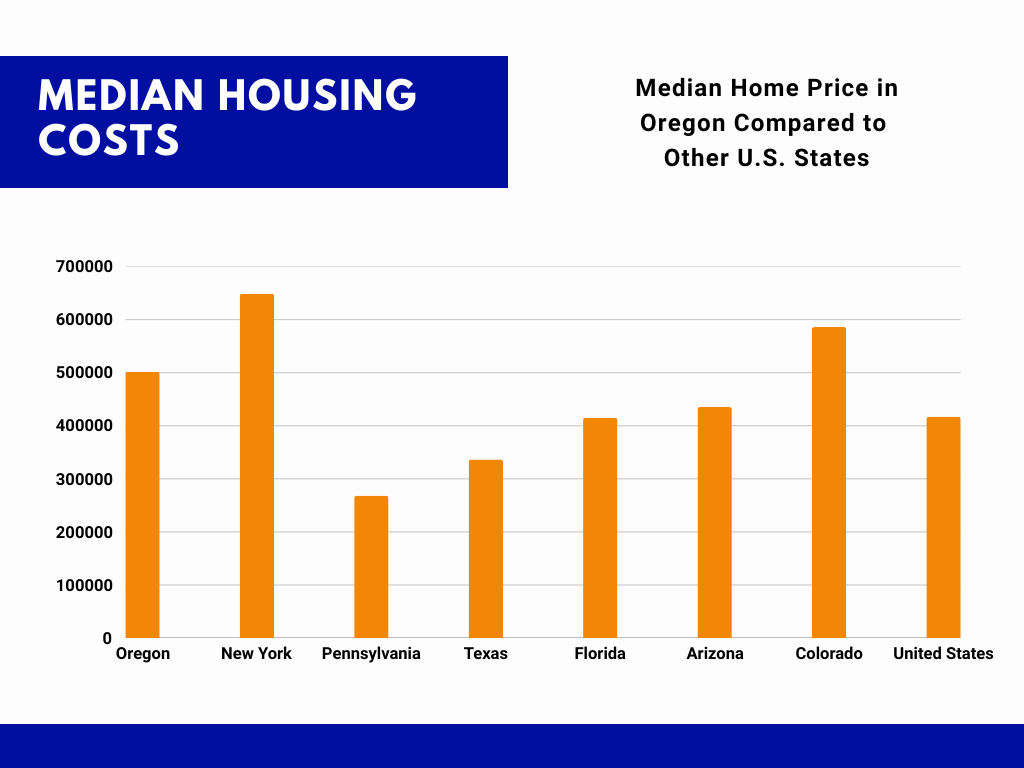
For those considering purchasing a home, the median home price in Oregon fluctuates but generally sits above the national average. Cities like Portland, Beaverton, and Lake Oswego tend to have the most expensive housing markets, driven by strong demand and limited supply. The median home price in the Portland metropolitan area can easily reach into the $500,000s and beyond, with desirable neighborhoods seeing even higher figures.
When budgeting for homeownership, it’s essential to factor in not only the mortgage principal and interest but also property taxes, homeowners insurance, and potential private mortgage insurance (PMI) if a down payment is less than 20%. Property tax rates vary by county, with some areas in Oregon having higher millage rates than others. For example, Clackamas County and Washington County might have different tax burdens compared to more rural counties.
Rental Market Dynamics
For individuals or families opting for rental properties, the cost can still be substantial, particularly in popular urban areas. A one-bedroom apartment in downtown Portland can range from $1,500 to over $2,000 per month, while a two-bedroom unit would naturally command a higher price. Outside of the immediate city centers, rental prices may decrease, but often not to a degree that significantly alters the overall cost of living for those accustomed to more affordable regions.
In smaller cities like Salem, the state capital, or Medford in southern Oregon, rental rates might be more modest, perhaps in the range of $1,200 to $1,700 for a similar-sized apartment. However, it’s crucial to research specific neighborhoods within these cities, as even within the same municipality, prices can differ based on amenities and desirability. When signing a lease, prospective renters should also consider security deposits, potential pet fees, and the cost of renter’s insurance.
Daily Living Expenses: Utilities, Groceries, and Transportation
Beyond housing, everyday expenses contribute significantly to the monthly budget. These costs are more uniform across the state than housing but can still see variations based on usage and location.
Utility Costs
Utility expenses in Oregon are generally in line with the national average, though some components can be higher. Electricity costs can be influenced by the prevalence of renewable energy sources and the state’s overall energy consumption. Heating and cooling costs will depend on the climate of your specific location within Oregon – coastal regions tend to be milder, while inland areas can experience hotter summers and colder winters.
A typical monthly bill for electricity, natural gas (if applicable), water, and trash/recycling for a moderate-sized home could range from $200 to $400. Internet and cable services are additional, with prices varying based on provider and package chosen, often adding another $100 to $200 per month. High-speed internet is widely available in urban and suburban areas, but may be more limited and expensive in remote locations.
Grocery Bills
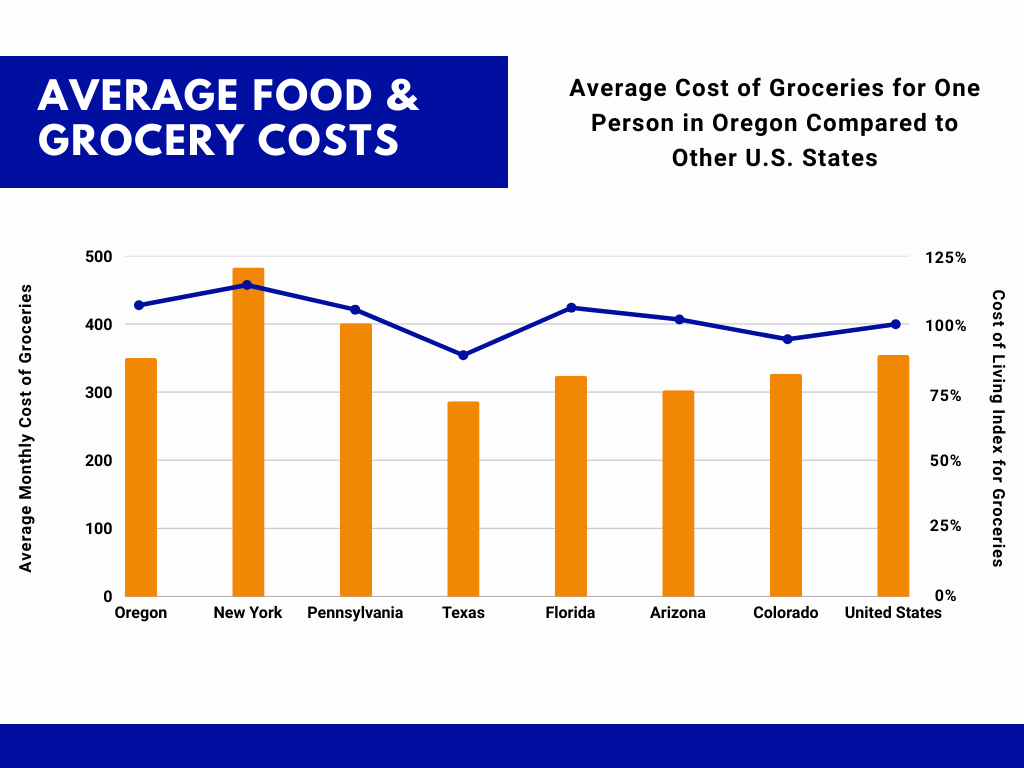
The cost of groceries in Oregon is generally considered average to slightly above average. Fresh produce, a hallmark of the Pacific Northwest’s agricultural bounty, is abundant and can be a cost-effective option, especially when purchasing from local farmers’ markets during peak seasons. However, processed foods, meat, and specialty items can be more expensive, mirroring national trends.
A single individual might spend between $300 and $450 per month on groceries, while a family of four could see this figure rise to $700 to $1,000 or more, depending on dietary habits and brand preferences. Shopping at discount grocery stores versus upscale markets will also impact the final bill. It’s worth noting that Oregon has a thriving array of farmers’ markets and a strong emphasis on local food, which can influence both cost and quality.

Transportation Expenses
Transportation costs in Oregon are multifaceted. For residents of Portland, public transportation, including the TriMet bus and MAX light rail system, offers a viable and often cost-effective alternative to car ownership. A monthly adult fare for TriMet is currently around $100.
However, for those living outside of major transit hubs or who prefer the convenience of personal vehicles, the costs associated with car ownership become paramount. This includes car payments, insurance, fuel, maintenance, and registration fees. Gas prices in Oregon can fluctuate and are often comparable to or slightly higher than the national average. Annual vehicle registration fees also apply, varying by vehicle type and value. The overall monthly transportation budget for a car owner could easily range from $300 to $700 or more, depending on commuting distance and vehicle type.
Healthcare and Personal Care Costs
Healthcare is a significant expense for individuals and families, and Oregon follows national trends with varying costs for insurance premiums, co-pays, and out-of-pocket expenses. Personal care items and services also contribute to the monthly budget.
Healthcare Expenditures
The average monthly premium for health insurance in Oregon can vary widely based on age, coverage level, and the provider chosen. For a single adult, this could range from $300 to $600 or more. Families will face significantly higher premiums. Beyond premiums, out-of-pocket costs such as deductibles, co-payments for doctor visits and prescriptions, and coinsurance for procedures add to the financial burden.
Access to healthcare providers is generally good in urban and suburban areas, with numerous hospitals, clinics, and specialized medical centers across the state, including institutions like Oregon Health & Science University (OHSU) in Portland. However, in more rural parts of Oregon, access to specialists might be more limited, potentially requiring travel to larger cities.
Personal Care and Miscellaneous Expenses
Personal care encompasses a range of items and services, from toiletries and haircuts to gym memberships and leisure activities. While these costs are highly discretionary, they are a part of the overall cost of living. A monthly budget for personal care might range from $50 to $200 or more, depending on individual needs and lifestyle choices. This category also includes expenses like clothing, entertainment, and personal savings.
Leisure and Entertainment: Enjoying the Oregon Lifestyle
Oregon offers a rich tapestry of recreational opportunities, from exploring national parks and engaging in outdoor adventures to enjoying the vibrant cultural scene in its cities. The cost associated with these activities can range from negligible to substantial.
Outdoor Recreation
The natural beauty of Oregon provides ample opportunities for free or low-cost recreation. Hiking in the Columbia River Gorge, visiting Crater Lake National Park, or spending a day at the Oregon Coast requires minimal financial outlay, primarily covering transportation and perhaps park entrance fees. Annual passes for national parks can be a cost-effective option for frequent visitors.
However, more specialized outdoor activities like skiing at Mount Hood, kayaking on the Willamette River, or guided fishing trips can incur significant costs for equipment rental, lift tickets, or guided services.
Cultural and Culinary Experiences
Oregon, particularly Portland, boasts a renowned culinary scene and a lively arts and culture landscape. Dining out, whether at a high-end restaurant or a popular food cart, can add up quickly. A casual meal for two might cost $40-$70, while a fine dining experience could easily exceed $150.
Entertainment options include attending concerts, theater performances, sporting events, and visiting museums. Ticket prices for these events vary widely, but a typical night out could add $50-$200 or more to a monthly budget. The presence of craft breweries, wineries, and distilleries throughout the state also presents opportunities for tasting and tours, which come with their own associated costs.
In conclusion, the cost of living in Oregon is a dynamic equation influenced by location, lifestyle, and personal choices. While housing represents the most significant variable, careful budgeting for utilities, groceries, transportation, healthcare, and leisure activities is essential for a realistic financial plan. Prospective residents are encouraged to research specific cities and neighborhoods that align with their budget and lifestyle preferences to make an informed decision about embracing the Oregon way of life.
LifeOutOfTheBox is a participant in the Amazon Services LLC Associates Program, an affiliate advertising program designed to provide a means for sites to earn advertising fees by advertising and linking to Amazon.com. Amazon, the Amazon logo, AmazonSupply, and the AmazonSupply logo are trademarks of Amazon.com, Inc. or its affiliates. As an Amazon Associate we earn affiliate commissions from qualifying purchases.