
Navigating the process of registering a vehicle in Oregon involves understanding a tiered system of fees, with the primary cost being the registration fee itself, which varies based on factors like vehicle weight, type, and age. Beyond the standard registration, Oregonians also encounter other mandatory charges and optional services that contribute to the overall expense. This guide aims to demystify the various components of car registration fees in the Beaver State, providing clarity for both new residents and those renewing their existing registrations.
Understanding the Core Registration Fee
The cornerstone of vehicle registration in Oregon is the registration fee, levied by the Oregon Department of Transportation (ODOT) through its DMV division. This fee is not a flat rate; rather, it is calculated based on specific characteristics of the vehicle.
Vehicle Weight and Type
A significant determinant of the registration cost is the vehicle’s weight. Heavier vehicles, such as trucks and SUVs, generally incur higher registration fees than lighter vehicles like compact cars. This tiered system is often justified by the argument that heavier vehicles contribute more to road wear and tear. The DMV provides detailed fee schedules, often accessible online or at their service centers, outlining the precise cost per weight class.
For passenger vehicles, the weight is typically the curb weight, which is the weight of the vehicle without passengers or cargo. For commercial vehicles, the gross vehicle weight rating (GVWR) is usually the determining factor. Understanding your vehicle’s weight, usually found on a sticker inside the driver’s side doorjamb or in the owner’s manual, is crucial for estimating this primary fee.
Vehicle Age and Emissions Standards
In some jurisdictions, vehicle age can influence registration costs, often with older vehicles having lower fees. However, in Oregon, the primary driver for this factor is less about age and more about emissions. The state has implemented emissions testing requirements in certain counties, specifically Multnomah, Washington, and Clackamas.
If your vehicle is subject to emissions testing, the registration process will include a fee associated with this inspection. Vehicles that fail to meet the emissions standards may incur additional costs for repairs before they can be registered. Conversely, newer vehicles that meet stringent emissions standards may not be subject to these specific fees, but their registration cost will still be determined by weight and other factors. For vehicles not in these designated emission counties, this specific fee is non-existent.
New vs. Renewal Registration
The initial registration for a newly purchased vehicle, especially if it’s new to the state, may involve slightly different procedures and potentially a one-time title fee in addition to the annual registration. Renewing an existing Oregon registration typically involves paying the recurring registration fee, which is usually assessed annually or biennially. The DMV will send out renewal notices well in advance, detailing the exact amount due and the methods of payment.
Additional Fees and Surcharges
Beyond the fundamental registration fee, Oregon has several other mandatory fees and optional services that contribute to the final bill. These are often earmarked for specific purposes, such as infrastructure improvements or public safety initiatives.
County and Local Fees
While the primary registration is managed by the state DMV, some counties may have their own associated fees or surcharges. These are typically related to local road maintenance or public transportation initiatives. It is essential to check with your local county government or the Oregon DMV for any specific local charges that might apply to your registration, especially if you reside in an urban or heavily populated area.
Elective Vehicle Fees
In recognition of the growing popularity and environmental benefits of electric vehicles (EVs), Oregon has introduced specific fees for these vehicles. These fees are often intended to offset the loss of state fuel tax revenue, as EVs do not consume gasoline. The exact amount of these fees can vary and is subject to change as the state’s vehicle fleet evolves. Owners of hybrid and electric vehicles should inquire about these specific charges when registering their cars.
Plate Fees
While standard license plates are typically included in the registration fee, Oregon offers a variety of special interest plates. These might include plates supporting causes like environmental conservation, higher education, or professional sports teams. These special plates often come with an additional one-time or annual fee on top of the standard registration cost. The proceeds from many of these special plates go directly to the organizations or causes they represent, making them a popular choice for drivers who wish to personalize their vehicles and support specific initiatives.
Title Fees
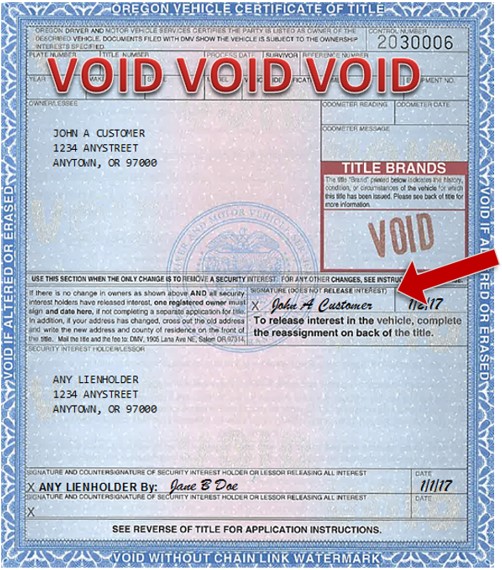
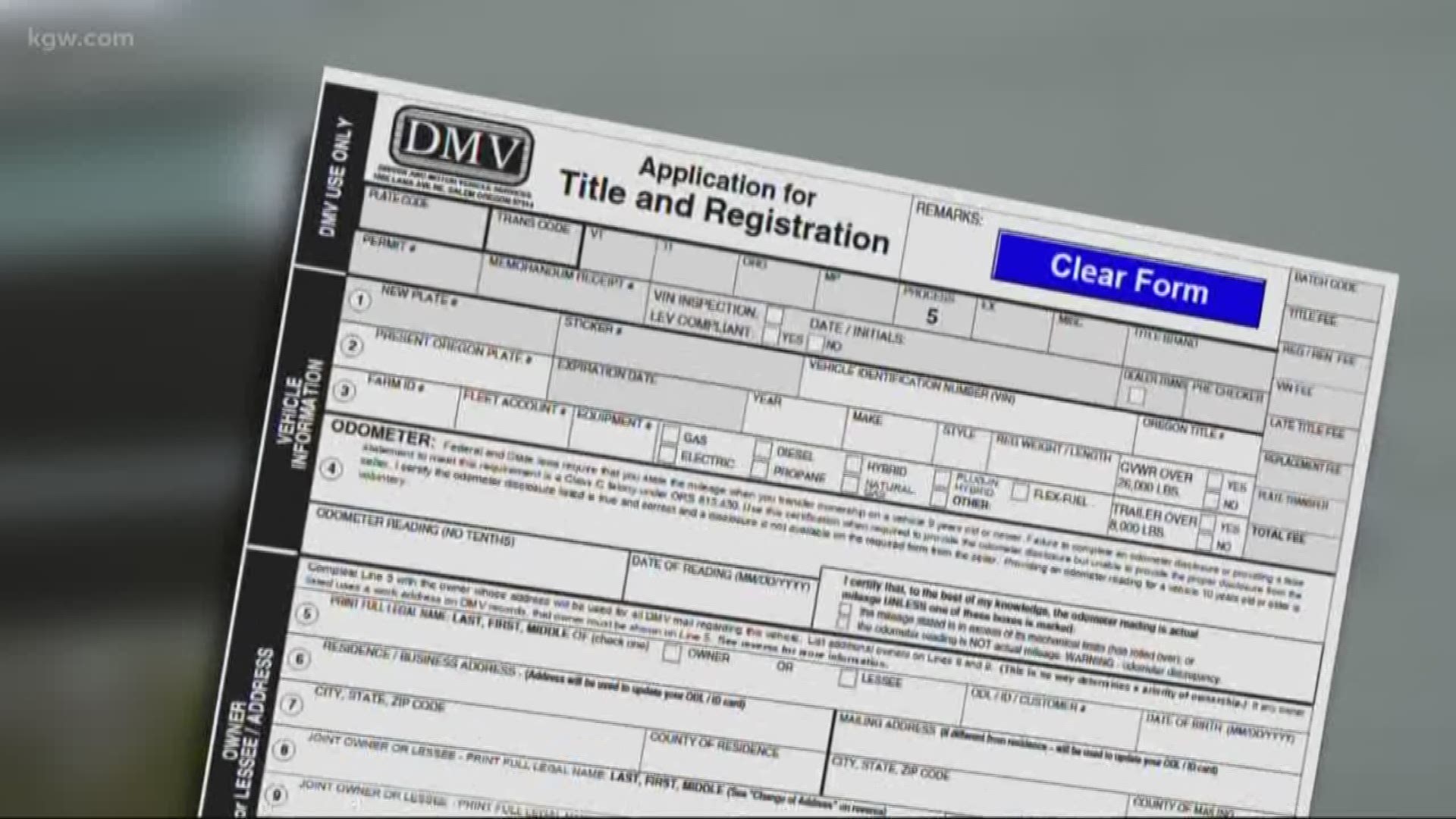
When registering a vehicle for the first time in Oregon, or when transferring ownership, a title fee is typically required. This fee covers the cost of issuing a new vehicle title, which serves as legal proof of ownership. The title fee is a one-time charge per ownership change and is separate from the ongoing registration costs.
Estimating Your Total Registration Cost
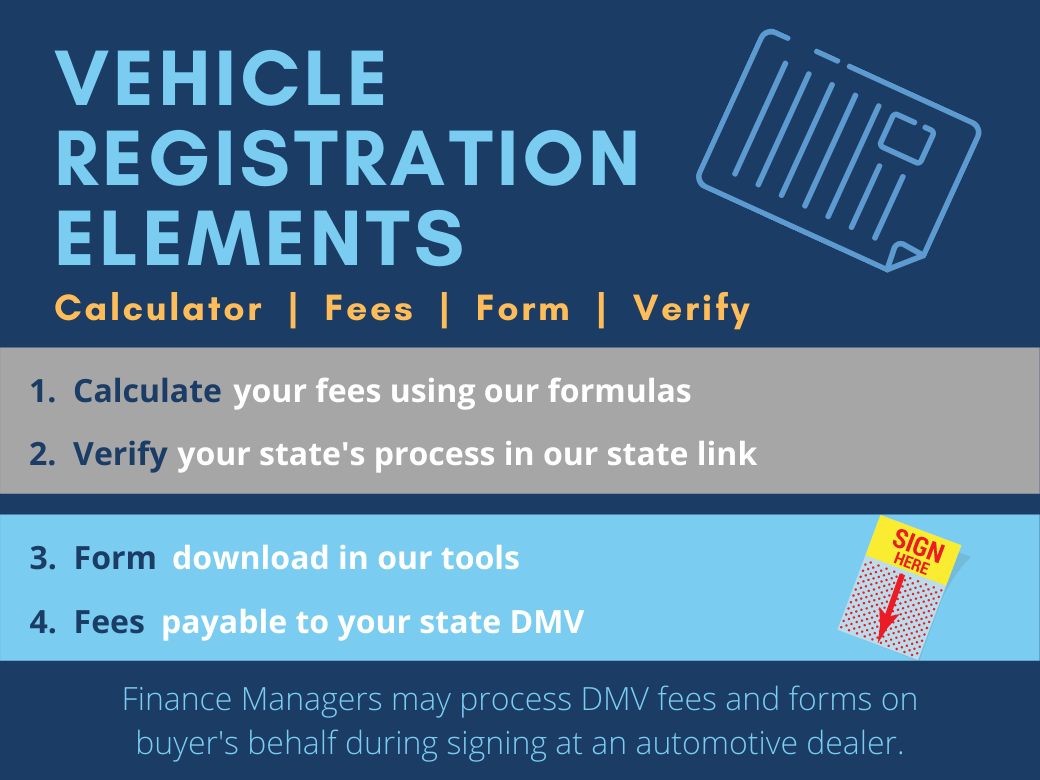
To accurately estimate the total cost of registering your car in Oregon, consider the following steps:
- Identify Your Vehicle’s Details: Determine your vehicle’s weight, type (passenger, truck, motorcycle, etc.), model year, and whether it is a hybrid or electric vehicle.
- Check Emissions Requirements: Verify if your vehicle is located in a county that requires emissions testing. If so, factor in the cost of the emissions test and potential repair costs if your vehicle doesn’t pass.
- Consult the Oregon DMV Fee Schedule: The most reliable way to get precise figures is to visit the official Oregon DMV website or contact them directly. They provide comprehensive fee schedules that detail costs by vehicle weight, type, and other relevant factors.
- Factor in Special Plates (Optional): If you are interested in special interest plates, research their associated costs.
- Include Title Fees (If Applicable): If this is a new registration or transfer of ownership, remember to include the title fee.
For example, a mid-size passenger car in a non-emissions testing county would likely have a base registration fee determined by its weight, plus any applicable local fees. An older diesel truck might have a higher weight-based fee and could be subject to emissions testing. An electric vehicle would have its specific EV fee in addition to its weight-based registration cost.
The Oregon DMV website is an invaluable resource, often featuring online calculators or detailed tables that allow you to input your vehicle’s information and receive an accurate cost estimate. Understanding these various components ensures that you are prepared for the financial aspect of vehicle ownership in Oregon, allowing for a smoother and more informed registration process.
LifeOutOfTheBox is a participant in the Amazon Services LLC Associates Program, an affiliate advertising program designed to provide a means for sites to earn advertising fees by advertising and linking to Amazon.com. Amazon, the Amazon logo, AmazonSupply, and the AmazonSupply logo are trademarks of Amazon.com, Inc. or its affiliates. As an Amazon Associate we earn affiliate commissions from qualifying purchases.