
Navigating the process of applying for unemployment benefits in Oregon can feel daunting, especially during times of economic uncertainty. This comprehensive guide aims to demystify the application process, outlining the steps, eligibility criteria, and essential information you need to secure the support you are entitled to. Understanding these procedures is crucial for anyone facing job loss and seeking financial assistance while they search for new employment opportunities.
Understanding Unemployment Benefits in Oregon
Unemployment insurance in Oregon is designed to provide temporary financial assistance to individuals who have lost their jobs through no fault of their own. Administered by the Oregon Employment Department (OED), this program ensures a safety net for workers as they transition between jobs. The benefits are funded by taxes paid by employers, and eligibility is determined based on your past earnings and your current work status.
Eligibility Requirements
To be eligible for unemployment benefits in Oregon, you must meet several key criteria. These are designed to ensure that the benefits are provided to those who genuinely need them and have a strong connection to the Oregon workforce.
Minimum Earnings
You must have earned a minimum amount of wages during your “base year.” The base year is a specific 12-month period used to calculate your potential benefit amount. The OED defines the base year as the first four of the last five completed calendar quarters before you file your claim. For example, if you file a claim in October 2023, your base year would typically be from July 1, 2022, to June 30, 2023. The exact minimum earnings requirement can vary, so it’s essential to check the latest figures on the OED website. This ensures you have a demonstrated history of employment and contribution to the state’s economy.
Reason for Separation
The reason you are no longer employed is a critical factor. You must have lost your job through no fault of your own. This generally includes situations such as:
- Layoffs: When an employer reduces staff due to economic conditions, lack of work, or restructuring.
- Involuntary Separation: Being terminated for reasons unrelated to your job performance, such as company downsizing.
- Discharge for reasons other than misconduct: If you were fired for a reason that does not constitute willful misconduct, you may still be eligible. The OED will investigate the circumstances of your separation.
Situations that typically disqualify you from receiving benefits include quitting your job voluntarily without good cause or being discharged for misconduct. “Misconduct” is defined as a deliberate and intentional disregard of the employer’s interests, a disregard of the standards of behavior the employer has a right to expect, or a recurring pattern of behavior that shows an intentional disregard of the employer’s interests.
Availability and Willingness to Work
You must be able to work, available for work, and actively seeking suitable employment. This means:
- Physical and Mental Capacity: You must be physically and mentally capable of performing work.
- Availability for Full-Time Work: You must be available to accept full-time employment.
- Active Job Search: You are expected to conduct a diligent job search and keep records of your efforts, which may be requested by the OED. This includes applying for suitable positions, attending interviews, and networking.
The OED may ask for proof of your job search activities. It’s crucial to maintain a detailed log of every job you apply for, including the employer’s name, contact information, the date you applied, and the type of position.
Types of Unemployment Claims
There are two primary types of unemployment claims you can file in Oregon:
Initial Claim
This is the first claim you file when you become unemployed. It establishes your eligibility and begins the process of determining your weekly benefit amount and how long you can receive benefits. You will need to provide detailed information about your work history, including previous employers, dates of employment, and reasons for separation.
Weekly Claim
Once your initial claim is approved, you will need to file a weekly claim for each week you wish to receive benefits. This claim certifies that you were unemployed, able to work, available for work, and actively seeking employment during that specific week. You will be asked questions about your work search activities, any earnings you may have had, and if you refused any job offers. Filing weekly claims is mandatory to continue receiving payments.
The Application Process: Step-by-Step
Applying for unemployment benefits in Oregon is primarily done online, offering a convenient and efficient way to submit your claim. While phone assistance is available, the online system is generally the fastest method.
Step 1: Gather Necessary Information
Before you begin your application, ensure you have the following information readily available. Having these details organized will expedite the process and minimize potential errors.
- Personal Information: Your full legal name, Social Security number, date of birth, and contact information (phone number, email address, mailing address).
- Employment History: For the last 18 months (or longer if requested), you will need:
- Names and addresses of all employers.
- Dates of employment for each employer.
- Reason for leaving each employer.
- Gross wages earned from each employer.
- Driver’s License or State ID: You may need this for identity verification.
- Alien Registration Number (if applicable): If you are not a U.S. citizen, you’ll need your work authorization documents.
- Military Service Records (if applicable): If you were in the military, you will need your DD 214 form.
- Federal Employment Records (if applicable): If you were a federal employee, you will need SF 8 and SF 50 forms.
Step 2: File Your Initial Claim Online
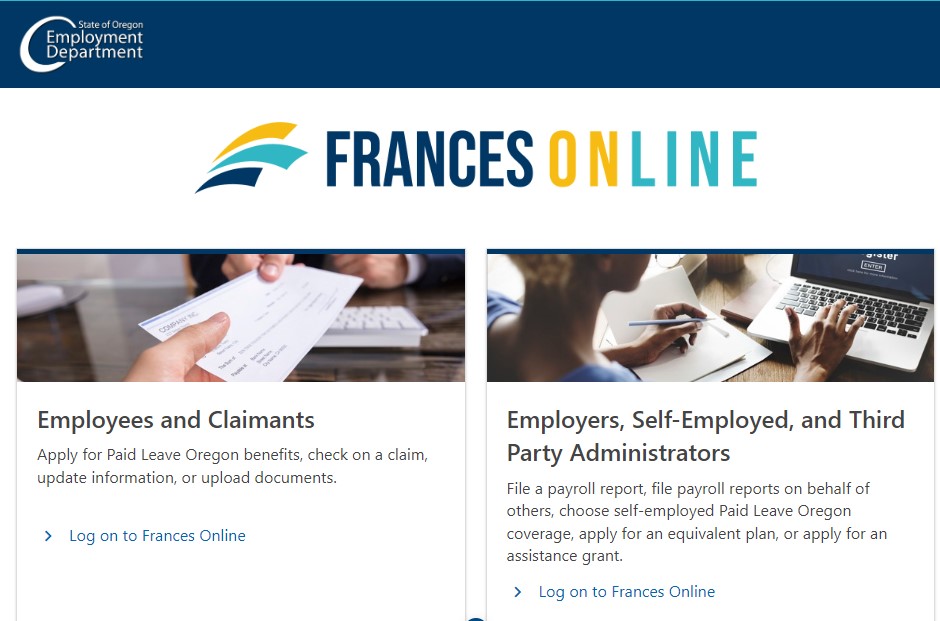
The most efficient way to file your initial claim is through the OED’s online portal, the “Online Claims System.”
- Visit the OED Website: Navigate to the official Oregon Employment Department website. Look for the “Unemployment” section.
- Create an Account or Log In: If you are a new user, you will need to create an account. If you have filed a claim before, you can log in with your existing credentials.
- Complete the Application: Follow the prompts carefully. You will be asked to provide all the information you gathered in Step 1. Be truthful and accurate in your responses. Incomplete or inaccurate information can delay your claim or lead to disqualification.
- Review and Submit: Before submitting, review all the information you have entered. Ensure there are no typos or omissions. Once you are satisfied, submit your claim.
Filing by Phone
If you are unable to file online, you can file by phone. However, be aware that wait times can be significant. The OED provides a dedicated phone number for unemployment claims. You can find this number on their official website. It is recommended to have all your information ready before you call to make the most of your time.
Step 3: Await Determination and Potential Interview
After submitting your initial claim, the OED will review your application.

- Review Process: They will verify your employment history and earnings with your former employers.
- Potential Interview: In some cases, an OED representative may contact you for an interview to clarify details about your separation from employment or your work search efforts. This is common if there is a dispute regarding the reason for your separation. Be prepared to provide specific details and documentation if requested.
- Notice of Decision: You will receive a “Notice of Benefit Rights and Responsibilities” and a “Notice of Weekly Benefit Amount” and potential duration. This document outlines your potential weekly benefit amount, the maximum number of weeks you can receive benefits, and important information about your rights and responsibilities. Carefully read and understand this document.
Step 4: File Weekly Claims
Once your initial claim is approved, you must file a weekly claim for each week you wish to receive benefits. This is a crucial step to ensure continuous payment.
- Access the Online Claims System: Log in to your account on the OED website.
- Certify Your Eligibility: Answer the questions accurately for the week you are claiming. These questions typically relate to:
- Whether you were able and available for work.
- Whether you actively searched for work.
- If you earned any wages during the week.
- If you refused any job offers or referrals.
- Submit Your Weekly Claim: Submit your claim before the deadline. Claims must generally be filed within a week of the end of the week being claimed. Late submissions may result in a loss of benefits for that week.
Maintaining Your Claim and Benefits
Successfully applying for unemployment is only the first part; maintaining your eligibility requires ongoing diligence. Adhering to the OED’s rules and actively participating in the job search process are paramount.
Your Job Search Responsibilities
As mentioned, actively seeking suitable employment is a core requirement for receiving unemployment benefits. The OED expects you to make a genuine effort to find new work.
What Constitutes a Valid Job Search?
A valid job search typically involves a variety of activities aimed at securing employment, such as:
- Applying for Jobs: Submitting applications online, in person, or via email to companies that are hiring for positions that match your skills and experience.
- Networking: Informing your professional contacts that you are seeking employment.
- Attending Job Fairs: Participating in events where you can connect with multiple employers.
- Contacting Employers: Following up on previous applications or inquiring about potential openings.
- Utilizing State Resources: Engaging with services offered by the OED, such as career counseling or job placement assistance.
Documenting Your Job Search
It is imperative to keep detailed records of all your job search activities. The OED may audit your claim and request this documentation at any time. A comprehensive log should include:
- Date of activity.
- Name of the employer.
- Contact person (if applicable).
- Employer’s address and phone number.
- Method of contact (e.g., online application, phone call, in-person visit).
- Type of position applied for.
- Outcome of the contact (e.g., application submitted, interview scheduled, job offered, rejected).
Reporting Earnings and Changes
Any earnings you receive while collecting unemployment benefits must be reported to the OED. This includes wages from part-time work, self-employment, or any other source of income.
- Partial Benefits: If you work part-time and earn wages below a certain threshold, you may still be eligible for partial unemployment benefits. However, all earnings must be reported accurately for the week they are earned, not when you are paid.
- Failure to Report: Failing to report earnings can result in penalties, including repayment of benefits, disqualification from future benefits, and potential legal action.
You must also report any significant changes in your circumstances that could affect your eligibility, such as:
- Becoming unable to work due to illness or injury.
- Moving out of state.
- Returning to full-time employment.
- Receiving pension or retirement payments.
Appeals Process
If your claim for unemployment benefits is denied, or if you disagree with a decision made by the OED, you have the right to appeal.
- Understand the Decision: Carefully review the OED’s decision notice to understand the reasons for denial or the specific issue.
- File an Appeal: You will typically have a limited timeframe (often 30 days) from the date of the decision to file an appeal. The appeal process usually begins with a hearing before an administrative law judge.
- Prepare Your Case: Gather all relevant documentation and evidence to support your appeal. This may include pay stubs, termination letters, witness statements, and records of your job search efforts.
- Attend the Hearing: Present your case clearly and concisely during the hearing. Be prepared to answer questions from the judge and the OED representative.
Resources and Support
The Oregon Employment Department offers various resources to assist individuals applying for and receiving unemployment benefits. Familiarizing yourself with these resources can make the process smoother and more successful.
OED Online Tools and Information
The OED’s official website is an invaluable resource. It provides:
- Online Claims System: For filing initial and weekly claims, managing your account, and viewing claim status.
- FAQs and Guides: Detailed explanations of eligibility, application procedures, and benefit calculations.
- Forms and Publications: Access to all necessary forms and informational brochures.
- Contact Information: Phone numbers and email addresses for specific departments and inquiries.
Career Services and Job Search Assistance
Beyond financial benefits, the OED also offers services to help you find new employment:
- WorkSource Oregon Centers: These centers provide free services to job seekers, including career counseling, resume writing assistance, interview coaching, and access to job listings. They can help you identify transferable skills and explore career paths.
- Training Programs: Information on vocational training and educational programs that can enhance your employability.
- Job Fairs and Recruitment Events: Announcements and registration for events designed to connect job seekers with employers.
Seeking Help and Clarification
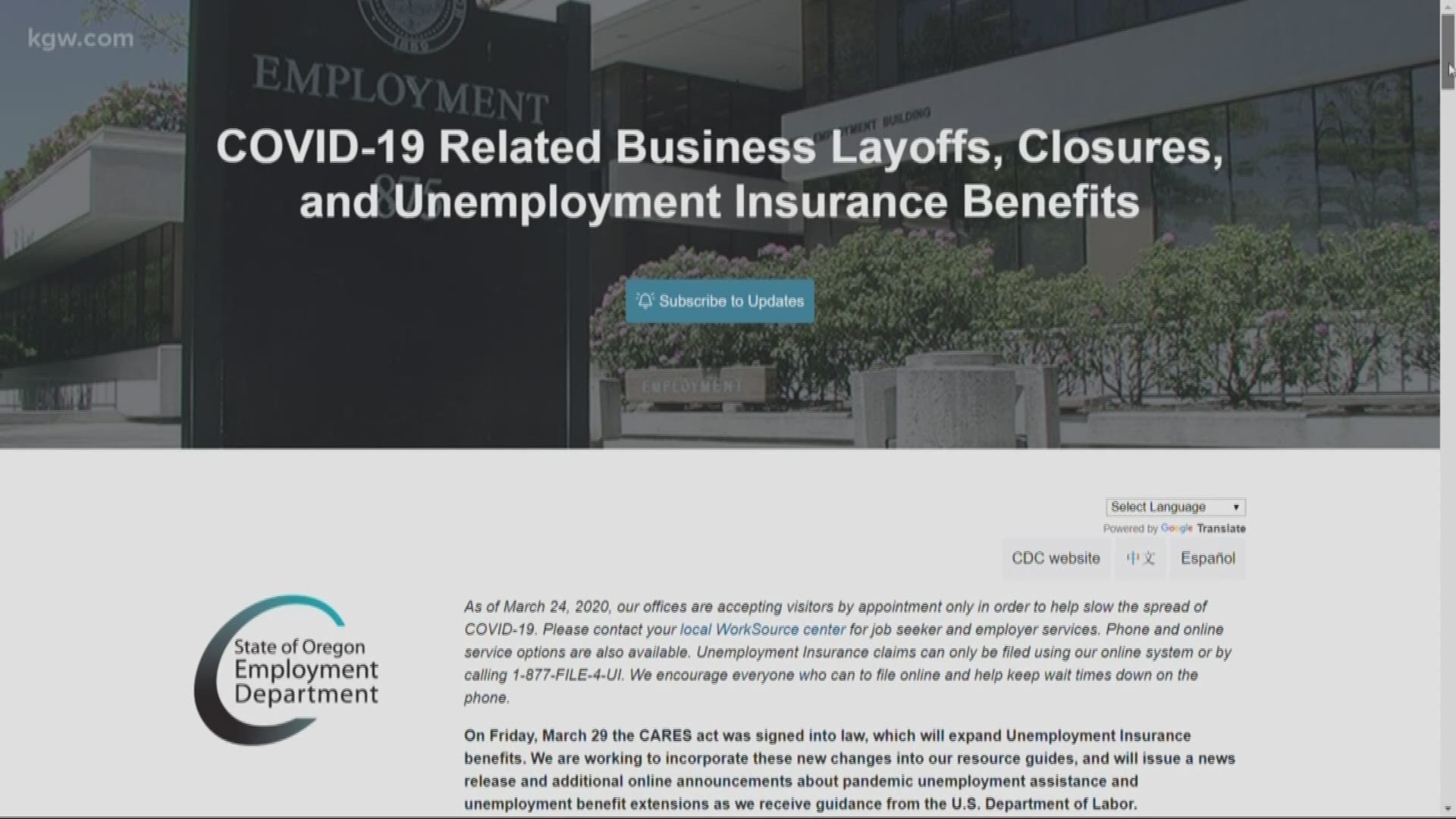
If you encounter difficulties or have questions that are not addressed by online resources, do not hesitate to reach out to the OED directly.
- Customer Service Line: For general inquiries and assistance with filing claims.
- Local WorkSource Centers: For personalized career services and job search support.
Applying for unemployment benefits in Oregon requires attention to detail and adherence to specific guidelines. By understanding the eligibility criteria, meticulously following the application steps, diligently fulfilling your ongoing responsibilities, and utilizing the available resources, you can effectively navigate this process and secure the financial support necessary to rebuild your career.
LifeOutOfTheBox is a participant in the Amazon Services LLC Associates Program, an affiliate advertising program designed to provide a means for sites to earn advertising fees by advertising and linking to Amazon.com. Amazon, the Amazon logo, AmazonSupply, and the AmazonSupply logo are trademarks of Amazon.com, Inc. or its affiliates. As an Amazon Associate we earn affiliate commissions from qualifying purchases.