
For entrepreneurs looking to establish a business in the Pacific Northwest, Oregon offers a dynamic and supportive environment. A Limited Liability Company, or LLC, is a popular choice for business owners due to its flexibility and the protection it offers to personal assets. Forming an LLC in Oregon involves a structured process that, while straightforward, requires careful attention to detail. This guide will walk you through each step, ensuring a smooth and successful establishment of your Oregon-based LLC.
Understanding the Oregon LLC Formation Process
Establishing an LLC in Oregon is governed by the Oregon Secretary of State’s office. The core of the formation process involves filing a set of documents and adhering to ongoing compliance requirements. Understanding these fundamental aspects is crucial before diving into the specifics.
Key Advantages of Forming an LLC in Oregon
Before embarking on the formation journey, it’s beneficial to understand why an LLC is a favored structure and what specific advantages it holds within Oregon.
- Limited Liability Protection: This is the primary draw of an LLC. It legally separates your personal assets (like your home, car, and personal bank accounts) from your business debts and liabilities. If the LLC incurs debt or faces a lawsuit, your personal assets are generally protected.
- Pass-Through Taxation: By default, LLCs are treated as pass-through entities for tax purposes. This means the business itself does not pay income tax. Instead, profits and losses are passed through to the members (owners) and reported on their individual income tax returns. This avoids the “double taxation” that corporations often face.
- Flexibility in Management: Oregon LLCs offer significant flexibility in how they are managed. They can be member-managed, where all owners actively participate in daily operations, or manager-managed, where designated managers (who may or may not be members) handle the day-to-day business. This adaptability caters to various business models and ownership structures.
- Credibility and Professionalism: Operating as an LLC can enhance your business’s credibility in the eyes of customers, suppliers, and potential investors. It signals a more formal and established business structure compared to a sole proprietorship or partnership.
- Oregon’s Business Climate: Oregon boasts a diverse economy, ranging from technology in Portland‘s Silicon Forest to agriculture in the Willamette Valley and thriving tourism along the Oregon Coast. The state’s business-friendly policies and access to skilled labor make it an attractive location for new ventures.
Essential Pre-Formation Considerations
Before you begin filing any paperwork, it’s wise to lay a solid foundation by considering a few key elements:
- Business Name Selection: Your LLC name must be unique and distinguishable from other registered business names in Oregon. It must also include an LLC designator, such as “LLC,” “L.L.C.,” or “Limited Liability Company.” You can perform a business name search on the Oregon Secretary of State’s website to ensure availability.
- Registered Agent: Every Oregon LLC must designate a registered agent. This is an individual or a company responsible for receiving official legal and tax documents on behalf of the LLC. The registered agent must have a physical street address in Oregon (not a P.O. Box) and be available during normal business hours.
- Operating Agreement: While not legally required by the state of Oregon to form an LLC, an Operating Agreement is a critical internal document. It outlines the ownership structure, member responsibilities, profit and loss distribution, and operational procedures of the LLC. A well-drafted agreement can prevent future disputes among members.
Step-by-Step Guide to Forming Your Oregon LLC
With the foundational understanding in place, let’s delve into the practical steps required to officially establish your LLC in Oregon.
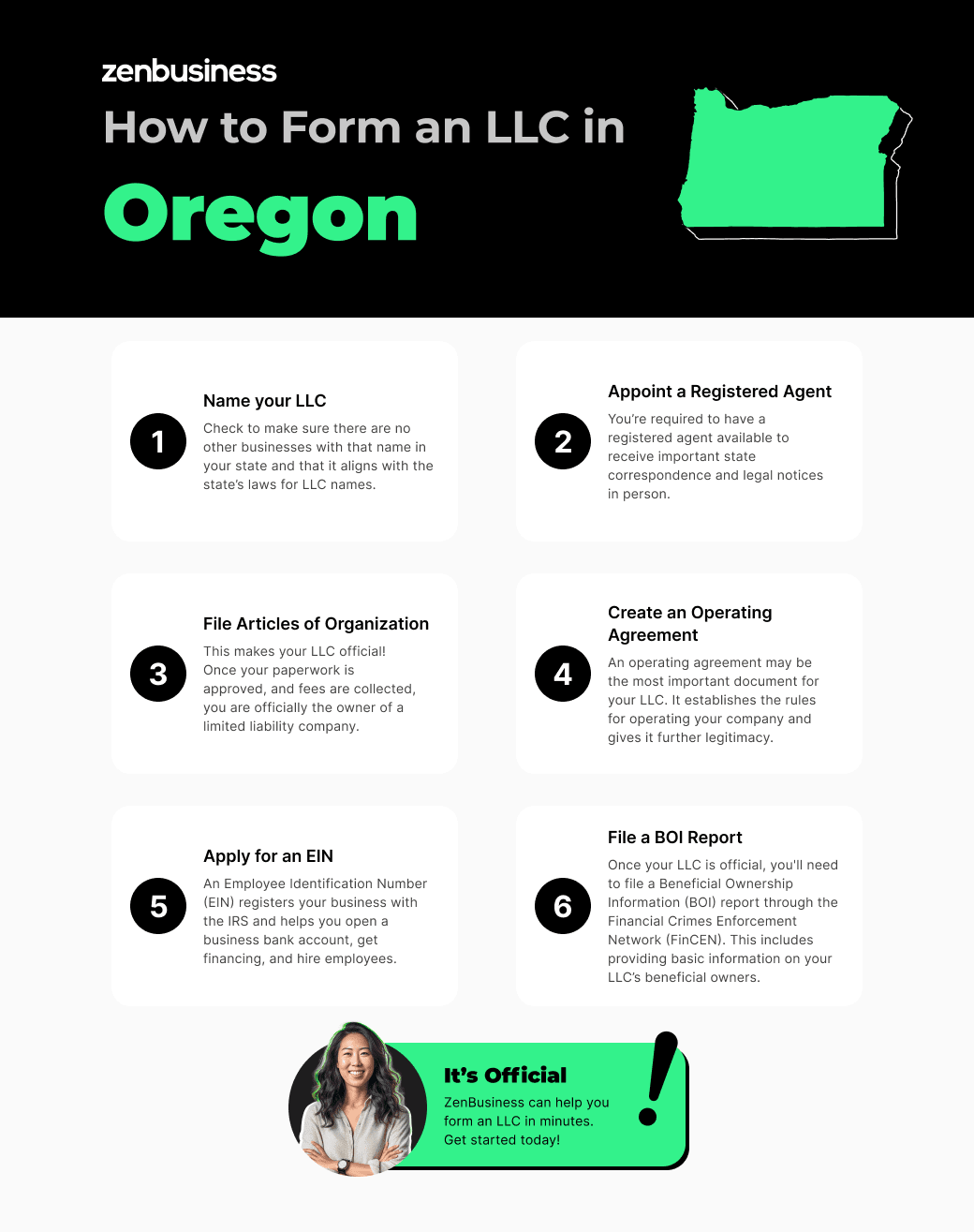
Step 1: Choose and Reserve Your Business Name
As mentioned, your chosen name must be unique. The Oregon Secretary of State’s website provides a database for checking name availability. Once you’ve confirmed availability, you can opt to reserve the name for a period of 120 days by filing a “Name Reservation Request” form and paying a small fee. This is particularly useful if you are not ready to file all other formation documents immediately but want to secure your desired business name.
Step 2: Appoint a Registered Agent
Selecting a reliable registered agent is crucial. You can serve as your own registered agent if you meet the physical address and availability requirements. Alternatively, you can appoint another individual within your business or hire a professional registered agent service. These services often provide additional benefits like compliance reminders and secure document handling.
Step 3: File the Articles of Organization
This is the most critical document for forming your LLC. The Articles of Organization (sometimes called a Certificate of Organization) officially register your LLC with the state of Oregon. You can file this document online, by mail, or in person with the Oregon Secretary of State. The form typically requires:
- The name of the LLC.
- The name and address of the registered agent.
- The principal office address of the LLC.
- The name and address of each organizer (the person filing the document).
- An indication of whether the LLC is member-managed or manager-managed.
- The duration of the LLC, if it is to be a limited-life company (most are perpetual).
A filing fee is associated with submitting the Articles of Organization. The current fee schedule can be found on the Oregon Secretary of State’s website.

Step 4: Create an Operating Agreement
While not a state filing requirement, drafting a comprehensive Operating Agreement is highly recommended for every LLC. This internal document serves as the “rulebook” for your LLC. It should cover:
- Membership Interests: How ownership is divided among members.
- Contributions: What each member contributes (money, property, services).
- Profits and Losses: How profits and losses will be allocated and distributed.
- Management Structure: Details on how decisions will be made and who has authority.
- Member Responsibilities: Specific duties and roles.
- Dissolution Procedures: How the LLC will be dissolved if necessary.
- Buy-Sell Provisions: What happens if a member wants to leave or passes away.
Having a clear Operating Agreement can prevent misunderstandings and legal disputes among members as the business grows.
Step 5: Obtain an Employer Identification Number (EIN)
An Employer Identification Number (EIN), also known as a Federal Tax Identification Number, is like a Social Security number for your business. You will need an EIN if your LLC plans to hire employees, operates as a corporation or partnership for tax purposes, or files certain tax returns. You can apply for an EIN for free directly from the Internal Revenue Service (IRS) website.
Post-Formation Compliance and Best Practices
Forming an LLC is just the beginning. To maintain your LLC’s good standing and ensure continued compliance, several ongoing responsibilities must be met.
Annual Report Filing
Oregon requires LLCs to file an annual report with the Secretary of State. This report updates the state on your LLC’s information, such as its registered agent and principal office address. Filing the annual report ensures your LLC remains active and compliant. There is a filing fee associated with this annual requirement. Missing the deadline can lead to administrative dissolution of your LLC.
Business Licenses and Permits
Depending on your specific industry and the location of your business operations within Oregon (whether in Eugene, Salem, or a smaller community), you may need to obtain various federal, state, and local licenses and permits. Researching these requirements early on is essential to avoid penalties and ensure legal operation. For instance, food service businesses will have different requirements than a tech startup or a retail store.
Business Bank Account
It is crucial to maintain a separate business bank account for your LLC. Commingling personal and business funds can jeopardize your limited liability protection. Depositing all business income into this account and paying all business expenses from it creates a clear financial separation between you and your business.
Maintaining Business Records
Good record-keeping is vital for financial management, tax preparation, and demonstrating the separateness of your LLC. This includes maintaining financial statements, invoices, receipts, and records of all business transactions. Keeping these records organized will also be invaluable if your business ever undergoes an audit or legal scrutiny.
Understanding Oregon Tax Obligations
While LLCs benefit from pass-through taxation, understanding your tax obligations is still paramount. You will need to file appropriate federal and state tax returns. This may include Schedule C for sole proprietorships or partnerships, or potentially S-corp or C-corp elections if you choose to be taxed differently. Consulting with a tax professional familiar with Oregon’s tax laws is highly recommended to ensure you are meeting all your obligations accurately.
Conclusion: Building Your Business Future in Oregon
Forming an LLC in Oregon is a strategic move for any entrepreneur seeking to establish a solid and protected business entity. By diligently following the steps outlined – from selecting a strong business name and appointing a registered agent to filing the Articles of Organization and adhering to ongoing compliance – you can confidently launch your venture. Remember that a well-defined Operating Agreement and consistent attention to record-keeping and tax obligations will serve as the bedrock for your LLC’s sustained success and growth in the vibrant economic landscape of Oregon.
LifeOutOfTheBox is a participant in the Amazon Services LLC Associates Program, an affiliate advertising program designed to provide a means for sites to earn advertising fees by advertising and linking to Amazon.com. Amazon, the Amazon logo, AmazonSupply, and the AmazonSupply logo are trademarks of Amazon.com, Inc. or its affiliates. As an Amazon Associate we earn affiliate commissions from qualifying purchases.