
For any traveler planning a journey to the sprawling Lone Star State, understanding the local time is far more than a simple curiosity – it’s a critical element for seamless travel planning, efficient hotel bookings, and maximizing every precious moment of your Texas adventure. Texas, a state renowned for its vast landscapes, vibrant cities, and rich history, actually spans two distinct time zones. This unique geographical characteristic, coupled with the annual shift of Daylight Saving Time, can present a nuanced challenge for visitors and residents alike.
Whether you’re aiming to catch a sunrise over Big Bend National Park, secure a dinner reservation in Houston, or coordinate a business meeting in Dallas, knowing “what time it is in Texas right now” is the first step towards a perfectly synchronized trip. This guide delves into the intricacies of Texas time, offering essential insights for optimizing your travel experiences, from securing the perfect accommodation to exploring iconic landmarks and immersing yourself in the local culture.
Understanding Texas Time Zones: A Traveler’s Essential Guide
At first glance, one might assume a state as contiguous as Texas operates under a single time zone. However, its immense size, spanning over 800 miles from east to west, necessitates a dual-zone approach. This geographical reality is crucial for anyone planning a comprehensive itinerary across the state.
Central Time vs. Mountain Time: The Geographic Divide
The vast majority of Texas observes the Central Time Zone. This includes all of the state’s major metropolitan areas and popular tourist destinations. When people generally refer to “Texas time,” they are almost always referring to Central Standard Time (CST) during standard months or Central Daylight Time (CDT) during Daylight Saving Time.
Cities like Houston, Dallas, Austin, San Antonio, Fort Worth, Galveston, Corpus Christi, Waco, Amarillo, and Lubbock all fall within the Central Time Zone. This means that for most Texas trips, you’ll be setting your watch to CST or CDT. This zone is generally six hours behind Coordinated Universal Time (UTC) during standard time and five hours behind during Daylight Saving Time.
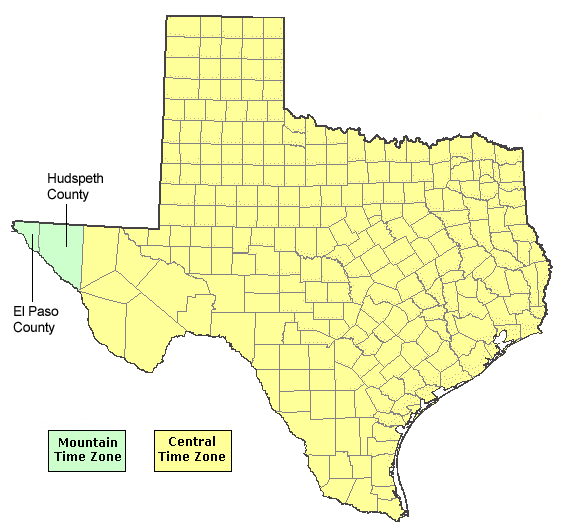
However, a small but significant portion of West Texas operates on the Mountain Time Zone. This includes El Paso and parts of Hudspeth County and El Paso County, particularly west of the Pecos River and north of the Rio Grande that borders New Mexico. These areas observe Mountain Standard Time (MST) or Mountain Daylight Time (MDT). This means that El Paso is consistently one hour behind Dallas or Houston. For instance, if it’s 3:00 PM in Dallas, it will be 2:00 PM in El Paso. This difference is particularly important for travelers venturing to the rugged beauty of Guadalupe Mountains National Park or Big Bend National Park, where park operating hours and guided activities will adhere to the Mountain Time Zone.
Navigating Daylight Saving Time in Texas
Like most of the United States, Texas observes Daylight Saving Time. This annual shift typically occurs on the second Sunday in March, when clocks “spring forward” by one hour, and on the first Sunday in November, when they “fall back” by one hour. This means that during the warmer months, the Central Time Zone becomes CDT, and the Mountain Time Zone becomes MDT.
The switch to Daylight Saving Time essentially shifts both time zones forward by an hour relative to UTC, but the one-hour difference between the Central and Mountain Time Zones remains constant. While this might seem straightforward, it can introduce an extra layer of complexity for travelers, especially those crossing state lines or flying internationally. Always double-check your flight times, hotel check-in/check-out, and attraction hours around these transition dates to avoid any confusion.
The Practical Impact of Time Zones on Your Texas Trip
Understanding Texas’s time zones is more than just academic; it has tangible implications for every aspect of your trip, from the initial planning stages to enjoying your daily activities and managing your accommodation.
Planning Your Itinerary and Booking Accommodations
The first and most critical area affected by time zones is your itinerary and accommodation bookings. When booking flights into major airports like Dallas-Fort Worth International Airport (DFW), George Bush Intercontinental Airport (IAH) in Houston, Austin-Bergstrom International Airport (AUS), or San Antonio International Airport (SAT), all of which are in the Central Time Zone, your arrival times will be relative to CST or CDT. If you’re then taking a connecting flight or driving to El Paso International Airport (ELP), remember that the local time will be one hour earlier.
When reserving hotels, resorts, apartments, or villas across different regions of Texas, confirm the check-in and check-out times in the local time zone of each property. For instance, a 3:00 PM check-in at a hotel in San Antonio (CST/CDT) would mean a 2:00 PM check-in at a resort in El Paso (MST/MDT), even if you booked both simultaneously from an external platform. This small detail can affect your first impression, especially after a long journey. Always review your booking confirmations carefully. Many booking platforms now display local times automatically, but a quick manual check is always wise.
Synchronizing with Texas Attractions and Activities
Texas boasts an incredible array of attractions, from historical landmarks to thrilling theme parks and bustling museum districts. Each of these operates on specific hours, and understanding the local time zone is paramount to avoiding disappointment. Imagine planning to visit The Alamo in San Antonio or Space Center Houston, only to arrive an hour late or early due to a time zone miscalculation.
For popular attractions like Six Flags Over Texas in Grand Prairie, the Riverwalk boat tours in San Antonio, the Sixth Floor Museum at Dealey Plaza in Dallas, or a visit to the State Capitol Building in Austin, all operating within the Central Time Zone, your clock will align seamlessly. However, if your itinerary includes a drive from San Antonio to explore the remote beauty of Big Bend National Park or Guadalupe Mountains National Park, which are often accessed via the Mountain Time Zone city of El Paso, you’ll need to account for that one-hour difference. This is especially true for ranger-led activities or gate closing times in the national parks.
Dining reservations, concert start times, sporting events (like a Dallas Cowboys game or Houston Rockets match), and even scheduled calls with family or friends back home can all be affected. Always confirm times against the local zone of your current location to ensure you’re punctual and don’t miss out on any planned experiences.
Business Travel and Meeting Schedules
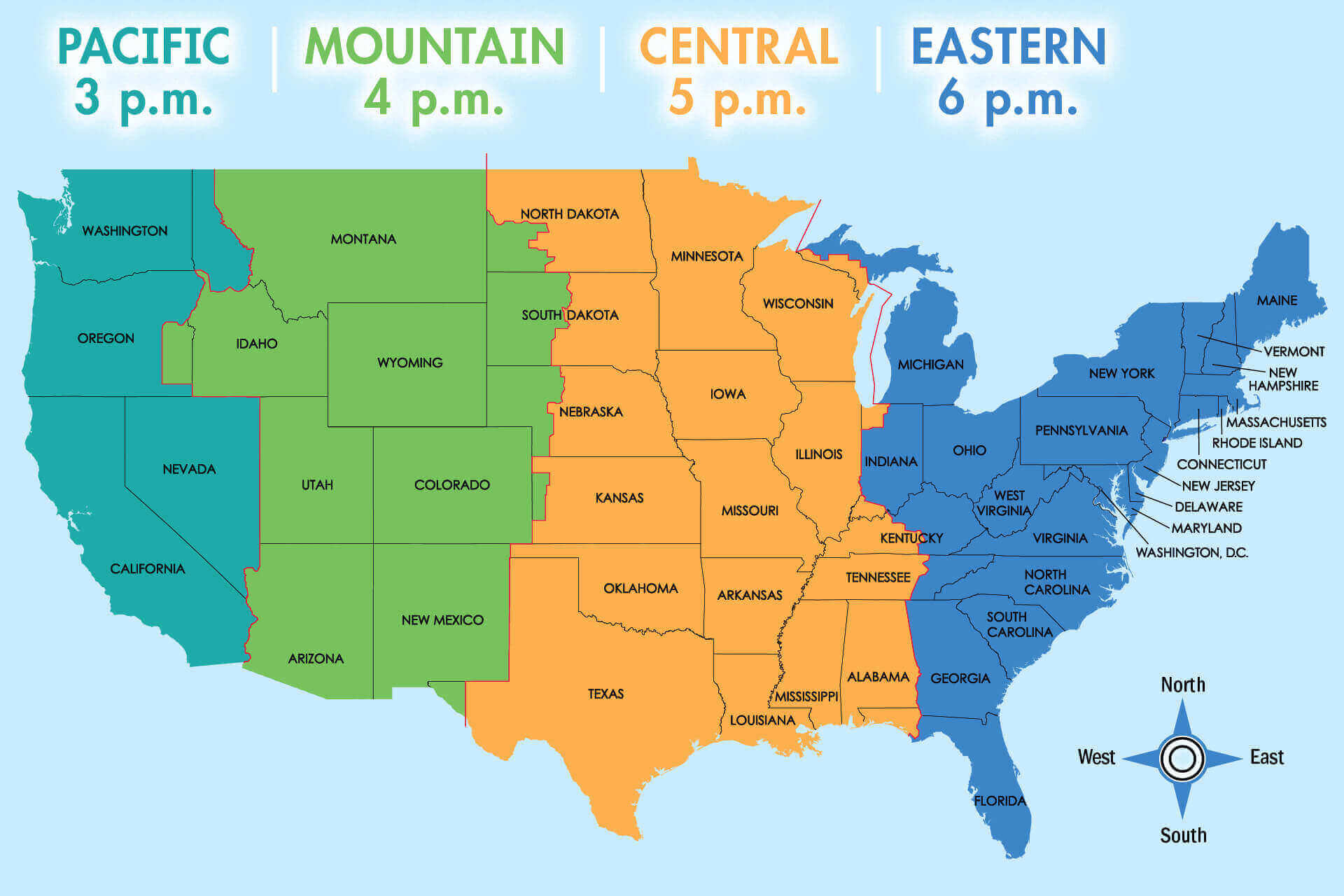
For those on a business stay in Texas, time zone awareness becomes even more critical. Coordinating meetings, conference calls, and presentations across different geographical locations requires meticulous attention to detail. If you’re based in Dallas and have a virtual meeting with a colleague in El Paso, remember that there’s an hour’s difference. What might be 10:00 AM for you is 9:00 AM for them.
Furthermore, if your business travel involves internal flights within Texas, such as from Houston to Midland/Odessa (both CST/CDT), the schedule is straightforward. However, a flight from Dallas to El Paso means you “gain” an hour upon arrival. While this might sound like a bonus, it can be disorienting if not accounted for in your meeting schedule immediately upon landing. Successful business travel hinges on efficiency and punctuality, making time zone mastery a key professional skill in Texas.
Embracing Texas Time: Tips for a Seamless Travel Experience
Navigating Texas’s dual time zones doesn’t have to be a source of stress. With a few smart travel tips and a proactive approach, you can ensure your trip is as smooth and enjoyable as the open road.
Adjusting to the Clock: Overcoming Jet Lag and Time Shifts
For travelers arriving in Texas from distant time zones, or even those just making the one-hour shift between Central and Mountain Time, jet lag or simply adjusting your internal clock can be a factor.
- Pre-adjust: If possible, begin shifting your sleep schedule a day or two before your trip. Even a 30-minute adjustment can make a difference.
- Hydrate: Drink plenty of water and avoid excessive alcohol and caffeine, which can exacerbate jet lag symptoms.
- Embrace local time immediately: Upon arrival, set your watch to local Texas time. Try to eat and sleep according to this new schedule.
- Seek sunlight: Exposure to natural light, especially in the morning, helps reset your circadian rhythm. Take a walk around your hotel or explore a nearby park.
- Plan lighter first days: Avoid packing too many demanding activities into your first day or two, giving your body time to adapt. This is particularly relevant for family trips with young children.
Modern technology is your friend here. Most smartphones automatically update to the local time zone, but it’s always good to have a traditional watch as a backup or a world clock widget to keep track of other time zones if you’re coordinating with people elsewhere.
Exploring Iconic Destinations Across Time Zones
Texas offers an incredible diversity of destinations, each with its own charm and timetable.
- The Big Cities (Central Time): Houston, Dallas, Austin, and San Antonio are vibrant hubs brimming with museums like the Houston Museum District, art galleries in the Dallas Arts District, live music venues, and world-class dining experiences. Plan your visits to landmarks such as the University of Texas at Austin or Moody Gardens in Galveston, ensuring you’re aware of their operating hours in CST/CDT. Events like SXSW in Austin, the Houston Rodeo, or the Formula 1 United States Grand Prix at Circuit of the Americas will all follow Central Time.
- The Texas Panhandle and Beyond (Central Time): Cities like Amarillo and Lubbock also adhere to CST/CDT, offering unique cultural experiences and gateway access to the state’s northern plains.
- Far West Texas (Mountain Time): When journeying to El Paso or the majestic national parks, remember the one-hour shift. This is where diligent planning pays off, especially for timed entry to parks or coordinating with guides for hiking or outdoor activities in the Chihuahuan Desert. Many resorts and unique accommodations in this region will cater to MDT/MST.
Whether you’re enjoying the beaches of South Padre Island, exploring the charming towns of the Texas Hill Country, or delving into the rich history of San Antonio, being mindful of the local time zone ensures a smoother, more enjoyable trip. For luxury travel, a missed reservation could mean a lost opportunity, while for budget travel, a time mix-up could lead to unnecessary expenses.
Making the Most of Every Moment in the Lone Star State
Ultimately, understanding what time it is in Texas right now is about enabling you to fully immerse yourself in all the Lone Star State has to offer. By being aware of the Central and Mountain Time Zones, and the cyclical nature of Daylight Saving Time, you empower yourself to craft a meticulously planned and unforgettable journey.
From booking the perfect suites at a five-star resort to securing tickets for a coveted attraction, or simply knowing when to call home, time management is a cornerstone of successful travel. Embrace the challenge, utilize the tools at your disposal, and prepare to experience the vast, diverse, and timeless beauty of Texas. Your adventure, perfectly timed, awaits.
LifeOutOfTheBox is a participant in the Amazon Services LLC Associates Program, an affiliate advertising program designed to provide a means for sites to earn advertising fees by advertising and linking to Amazon.com. Amazon, the Amazon logo, AmazonSupply, and the AmazonSupply logo are trademarks of Amazon.com, Inc. or its affiliates. As an Amazon Associate we earn affiliate commissions from qualifying purchases.