
The geographical and cultural identity of the American states is often a subject of fascination, particularly for those who live outside the United States. When considering the Pacific Coast of North America, California, Oregon, and Washington are invariably grouped together. The question “Is Oregon West Coast?” might seem simplistic to those intimately familiar with the region, but it invites a deeper exploration into what defines the West Coast and how Oregon fits into that perception. This examination extends beyond mere cartography to encompass historical context, economic ties, cultural trends, and the very essence of the Pacific Northwest experience.

Defining the West Coast
The term ” West Coast ” primarily refers to the contiguous coastal states of the United States that border the Pacific Ocean. Historically and geographically, this encompasses California, Oregon, and Washington. These states share a common frontier with the vast Pacific, influencing their climate, ecosystems, economies, and cultural development. The West Coast is often associated with certain lifestyle elements, including a spirit of innovation, environmental consciousness, outdoor recreation, and a diverse, multicultural population.
Geographical Boundaries
Geographically, the West Coast is defined by its adjacency to the Pacific Ocean. Oregon‘s coastline stretches for approximately 363 miles, featuring dramatic cliffs, sandy beaches, and vibrant coastal towns. This direct access to the Pacific is a defining characteristic, linking it intrinsically to its southern neighbor, California, and its northern neighbor, Washington. The Cascade Mountains form a significant inland barrier, separating the wetter, coastal regions from the drier, more arid areas of eastern Oregon. However, the dominant geological and climatic influence on the western portion of the state remains the Pacific Ocean.
Cultural and Economic Connections
Beyond geography, the West Coast is characterized by strong cultural and economic interdependencies. Cities like Los Angeles, San Francisco, and Seattle have long been hubs for industries such as technology, entertainment, and aerospace. Oregon, while perhaps not as globally recognized for these specific sectors as its neighbors, plays a vital role in the Pacific Coast economy through its contributions to agriculture, forestry, manufacturing, and a burgeoning tech scene centered around Portland. The cultural exchange between these states is constant, with shared trends in food, fashion, music, and social movements permeating the region.
Oregon’s Pacific Identity
Oregon is undeniably a West Coast state, not just by its geographical position but by its shared heritage and contemporary characteristics with California and Washington. Its identity is deeply intertwined with the Pacific Ocean, and its culture reflects many of the broader West Coast sensibilities.
Coastal Oregon: A Direct Connection
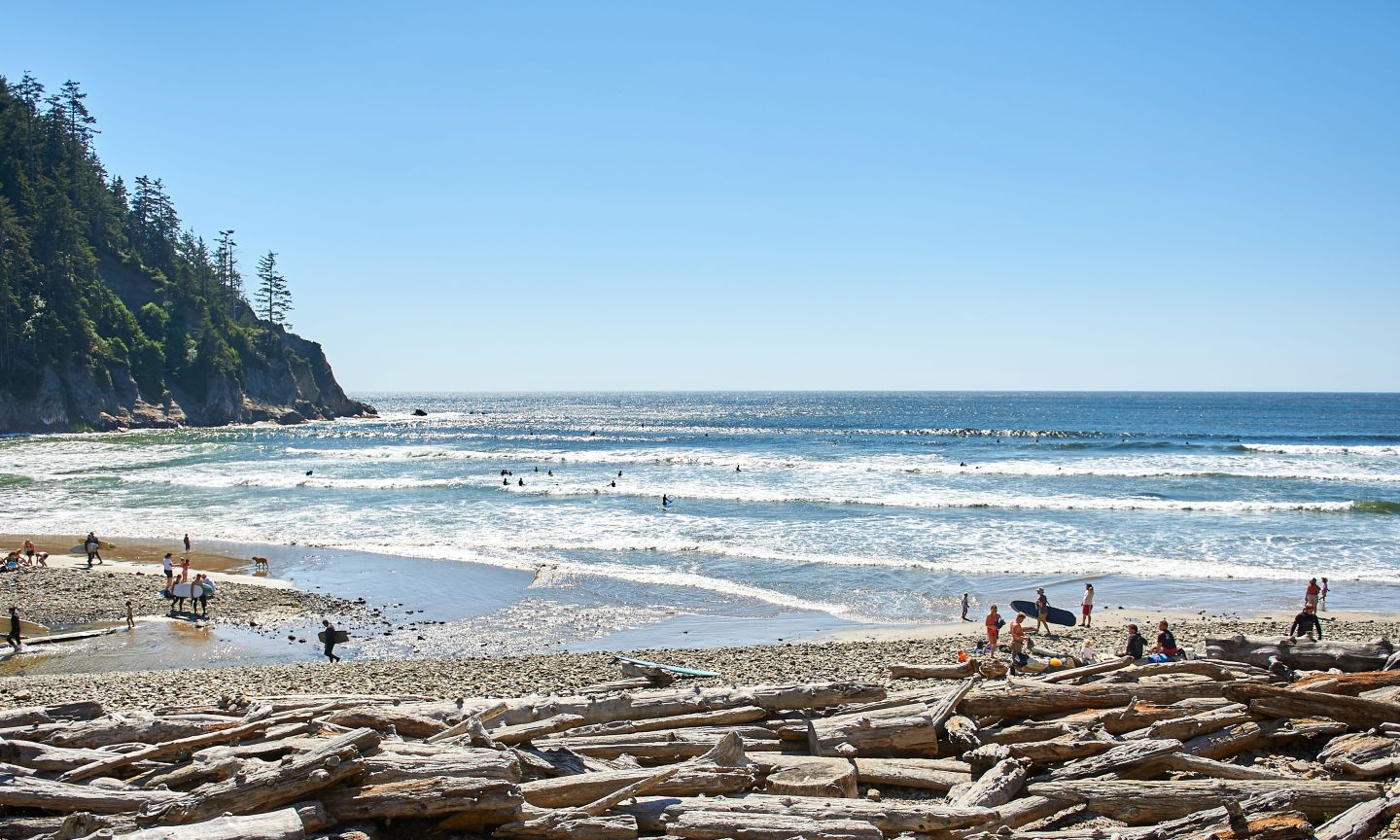
The westernmost part of Oregon is its coastline, a rugged and breathtaking expanse that directly faces the Pacific Ocean. Towns like Cannon Beach, Lincoln City, and Florence are quintessential Pacific Coast destinations, drawing visitors for their natural beauty and recreational opportunities. The Oregon Coast is a vital part of the state’s identity, influencing its weather patterns, its maritime industries, and its tourism sector. The constant presence of the Pacific shapes the lives of those who live along its shores, fostering a unique connection to the sea.
The Pacific Northwest Influence
Oregon is a core state within the Pacific Northwest, a sub-region of the West Coast that also includes Washington and parts of Idaho and British Columbia. This designation further solidifies its West Coast status. The Pacific Northwest is known for its lush forests, abundant rainfall, and a strong environmental ethic. Oregon embodies these traits, particularly in its western regions. The connection to the Pacific also brings a distinct maritime influence, from fresh seafood to a certain laid-back, yet forward-thinking, attitude often associated with coastal living.

Beyond the Coast: Oregon’s Diverse Landscape
While its western edge defines its West Coast adjacency, Oregon‘s interior boasts a diverse landscape that might surprise those who only picture coastal vistas. This internal diversity does not negate its West Coast identity but rather enriches it, showcasing how a West Coast state can encompass varied environments.
The Cascade Mountains and Beyond
The Cascade Mountains serve as a dramatic natural divide. East of the Cascades, Oregon transforms into a high desert plateau, with landscapes that bear more resemblance to Nevada or eastern Washington. Cities like Bend offer a different kind of Pacific Northwest experience, focused on outdoor adventure in a drier climate, with activities like hiking, mountain biking, and skiing. However, even in these inland areas, the overall economic and cultural currents are still largely influenced by the broader West Coast context. The proximity to the Pacific, and the established transportation and trade routes that connect the entire state to it, ensures that even the eastern parts of Oregon are part of the West Coast economic and cultural sphere.
Economic Interplay
The economic structure of Oregon is deeply integrated with the rest of the West Coast. Major industries, such as agriculture, timber, and manufacturing, are all influenced by the demand and logistics driven by coastal ports and markets. The tech industry in Portland, often referred to as the “Silicon Forest,” has strong ties to Silicon Valley in California, facilitating talent flow and investment across state lines. This economic interconnectedness further cements Oregon‘s place within the West Coast paradigm.
Cultural Nuances of an Oregonian West Coast Experience
Understanding Oregon as West Coast also involves appreciating its unique cultural nuances, which blend broader Pacific influences with its own distinctive character.
The Portland Vibe
Portland is often seen as the cultural heart of Oregon, and its identity is distinctly West Coast. Known for its progressive politics, vibrant arts scene, craft breweries, and a renowned culinary landscape, Portland embodies many of the stereotypes and realities of West Coast living. The emphasis on sustainability, local sourcing, and a strong DIY ethos are hallmarks of Oregon‘s urban centers, aligning it closely with cities like Seattle and San Francisco in spirit, if not in scale.
Natural Beauty and Outdoor Recreation
A defining feature of the West Coast is its unparalleled access to natural beauty and a culture that highly values outdoor recreation. Oregon is no exception. From the lush temperate rainforests of the Columbia River Gorge to the volcanic peaks of Mount Hood, and of course, its extensive coastline, the state offers a wealth of opportunities for hiking, camping, skiing, surfing, and exploring. This deep connection to nature and the active lifestyle it encourages is a shared characteristic of West Coast states, making Oregon an integral part of this experience.
A State of Contrasts, United by the Pacific
In conclusion, the answer to “Is Oregon West Coast?” is a resounding yes. While Oregon possesses its own distinct character, shaped by its diverse landscapes and unique history, it is undeniably a West Coast state. Its direct access to the Pacific Ocean, its integration into the Pacific Northwest region, its economic ties to California and Washington, and its shared cultural sensibilities all confirm its status. Whether one is exploring the dramatic cliffs of the Oregon Coast, the urban energy of Portland, or the rugged beauty of its inland territories, the overarching influence of the Pacific and the broader West Coast identity is ever-present. Oregon is a vital and vibrant part of the American West Coast, offering a unique blend of natural splendor, cultural dynamism, and a forward-thinking spirit that is synonymous with this iconic region.
LifeOutOfTheBox is a participant in the Amazon Services LLC Associates Program, an affiliate advertising program designed to provide a means for sites to earn advertising fees by advertising and linking to Amazon.com. Amazon, the Amazon logo, AmazonSupply, and the AmazonSupply logo are trademarks of Amazon.com, Inc. or its affiliates. As an Amazon Associate we earn affiliate commissions from qualifying purchases.