
Understanding the precise time in Texas is more than a simple clock check; it’s a fundamental step for anyone planning to travel, work, or even just communicate with the vast and diverse Lone Star State. From coordinating flights to scheduling business meetings or simply figuring out when to catch the perfect Austin sunset, time dictates the rhythm of life and travel throughout this expansive region. As a major hub for travel, tourism, and lifestyle, knowing the local time empowers you to make the most of every moment, whether you’re exploring historic landmarks, indulging in local cuisine, or settling into a luxurious resort.
Understanding Texas Time Zones: CST and MST
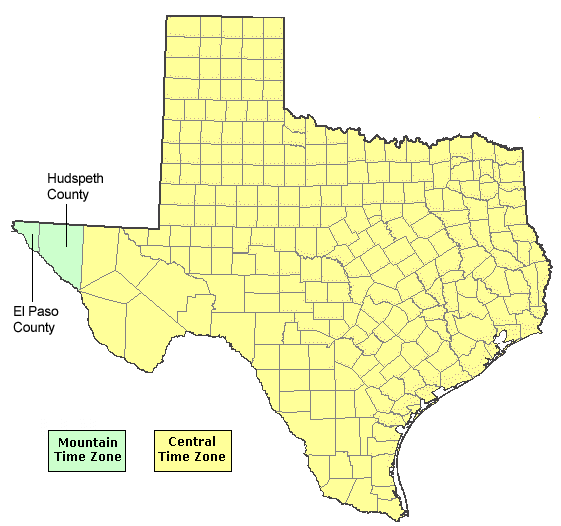
Texas, by virtue of its immense size, straddles two distinct time zones, though the vast majority of the state observes just one. This dual-zone system is a crucial detail for travelers, especially those venturing to the far western reaches of the state.
Central Standard Time Dominance
The overwhelming majority of Texas, including its major cities like Houston, Dallas, Austin, and San Antonio, operates on Central Standard Time (CST). This time zone is six hours behind Coordinated Universal Time (UTC-6). During Daylight Saving Time, which typically begins in March and ends in November, these areas switch to Central Daylight Time (CDT), moving one hour forward to UTC-5. This means that for most residents and visitors, keeping track of time involves simply knowing whether it’s standard or daylight saving. The consistent application of CST/CDT across the most populous and frequently visited parts of the state simplifies logistics for travelers arriving at major airports like Dallas/Fort Worth International Airport or George Bush Intercontinental Airport, ensuring minimal confusion regarding arrival times and local schedules.
The Western Edge: Mountain Time
There’s a notable exception to Texas’ Central Time rule: a small pocket in the far western part of the state. Specifically, El Paso County and a western portion of Hudspeth County observe Mountain Standard Time (MST), which is UTC-7. When Daylight Saving Time is in effect, these areas switch to Mountain Daylight Time (MDT), moving to UTC-6. This means that if you’re traveling from Dallas to El Paso, you will gain an hour upon arrival. For example, if it’s 3:00 PM in Dallas, it would be 2:00 PM in El Paso on the same day. This time zone shift is particularly relevant for those exploring the rugged beauty of West Texas or crossing the border into New Mexico or Mexico from El Paso, where coordinated schedules are paramount. Always double-check your itinerary and local times when planning visits to these specific areas to avoid missing appointments, flights, or reservations.

The Traveler’s Guide to Time in Texas
For the discerning traveler, time in Texas is more than a numerical value; it’s a strategic element in crafting the perfect journey. From optimizing your itinerary to selecting the best time of year for your visit, a mindful approach to the clock can significantly enhance your travel experience.
Planning Your Itinerary Across Time Zones
When constructing your Texas adventure, especially if it involves traversing the state’s vast expanse, being aware of the time zones is essential. For instance, a road trip from Houston to Big Bend National Park will eventually take you through the transition from CST to MST as you approach El Paso. This hour difference can impact booking tours, checking into accommodations, or even simply making dinner reservations.
Travelers should always confirm the local time for their destination, particularly when making bookings that are sensitive to timing, such as guided tours, flights, or train departures. Many digital devices automatically adjust to local time zones, but it’s always wise to manually confirm, especially in transition zones. This meticulous planning ensures seamless connections and maximizes your precious vacation time, allowing you to fully immerse yourself in the local culture, from catching a live music show in Austin to exploring historic sites in San Antonio. For business travelers, understanding time zone differences is even more critical for scheduling meetings and presentations across various regions of Texas and beyond.
Optimal Times to Visit Texas
Beyond just the time of day, selecting the right time of year to visit Texas can dramatically shape your experience. The state’s climate varies widely, from the humid subtropical east to the arid west.
- Spring (March to May): Often considered the best time to visit. The weather is generally pleasant, wildflowers like bluebonnets blanket the landscapes, and outdoor activities are in full swing. Festivals, such as South by Southwest in Austin, draw crowds.
- Fall (September to November): Similar to spring, fall offers comfortable temperatures, especially for exploring cities and natural parks. Texas State Fair in Dallas and various culinary events create a vibrant atmosphere.
- Summer (June to August): Can be intensely hot, particularly in inland areas. This is a popular time for coastal destinations like Galveston and Padre Island National Seashore, or for indoor attractions like Space Center Houston. Hydration and planning activities for early mornings or late evenings are key.
- Winter (December to February): Generally mild in most parts of the state, though northern Texas can experience freezing temperatures. This is an excellent time for cultural tours, museum visits, and exploring West Texas’s desert landscapes without the intense heat.
Choosing your travel window based on these seasonal considerations will ensure that your Texas trip aligns perfectly with your desired activities and comfort levels, maximizing enjoyment and minimizing any weather-related disruptions.

Exploring Texas: Beyond the Clock
While understanding time zones is practical, the true essence of Texas lies in its diverse offerings, from bustling metropolitan centers to serene natural landscapes, all experienced at their own pace. Texas presents a mosaic of travel experiences, blending history, modernity, and untamed beauty.
Iconic Cities and Their Rhythms
Each major Texas city has its own unique rhythm and appeal, reflecting the broad spectrum of the state’s culture and lifestyle.
- Houston: A global city renowned for its energy industry, Space Center Houston, and a vibrant Museum District. Its cosmopolitan vibe offers world-class dining, shopping, and arts, including the Houston Grand Opera and Houston Ballet.
- Dallas: A hub for fashion, business, and arts. Explore the historic Sixth Floor Museum at Dealey Plaza, the expansive Dallas Arts District, and upscale shopping. Fort Worth, its neighbor, offers a distinct Western heritage at the Stockyards National Historic District.
- Austin: The state capital, famously known as the “Live Music Capital of the World.” Austin is a progressive city with a laid-back atmosphere, beautiful natural springs like Barton Springs Pool, and an incredible food scene, especially its renowned food trucks.
- San Antonio: Steeped in history, home to The Alamo and the enchanting River Walk. Its Spanish colonial heritage is visible in its architecture and UNESCO World Heritage missions. San Antonio offers a unique blend of historical exploration and vibrant cultural experiences.
- El Paso: Located at the western tip of Texas, bordering Mexico and New Mexico, El Paso boasts a rich binational culture and stunning desert landscapes, including the Franklin Mountains State Park. Its unique position provides a distinct Texas experience, often a gateway to exploring the broader Southwest.
Natural Wonders and Timeless Landscapes
Beyond the urban centers, Texas boasts an array of natural landmarks that offer a timeless escape from the clock’s demands.
- Big Bend National Park: A remote gem in West Texas, offering dramatic desert and mountain scenery, including the Chisos Mountains and the Rio Grande river canyons. It’s a haven for hiking, stargazing, and experiencing true wilderness.
- Padre Island National Seashore: The longest undeveloped barrier island in the world, stretching over 70 miles. It’s a crucial habitat for sea turtles and migratory birds, perfect for birdwatching, fishing, and peaceful beach exploration.
- Texas Hill Country: A picturesque region known for its rolling hills, vineyards, clear rivers, and charming small towns like Fredericksburg. It’s an ideal destination for wine tasting, river tubing, and scenic drives.
These landscapes remind us that some experiences transcend the temporal, offering moments of profound connection with nature that are truly timeless.
Accommodation and Lifestyle: Making Every Moment Count
Texas’ vastness is matched by its diverse accommodation options and lifestyle offerings, catering to every type of traveler. From opulent hotels to cozy vacation rentals, your choice of lodging can significantly shape your travel experience.
For those seeking luxury, cities like Houston and Dallas offer exquisite properties such as The Post Oak Hotel and Hotel ZaZa, where amenities like world-class spas, gourmet dining, and personalized concierge services are standard. Resorts in the Texas Hill Country, like the Hyatt Regency Hill Country Resort and Spa in San Antonio, provide an escape with golf courses, lazy rivers, and expansive grounds perfect for family trips or romantic getaways.
Budget-conscious travelers will find a plethora of options, from charming boutique hotels to well-appointed apartment rentals available through various booking platforms. These options allow for longer stays, offering a more immersive experience in local culture and daily life. Whether you’re planning a family trip to Six Flags Over Texas in Arlington, a business stay in the Houston Galleria area, or a solo adventure exploring the backcountry, choosing the right accommodation is key. Utilize online reviews and comparison tools to find the perfect fit, ensuring your stay is comfortable and convenient, allowing you to focus on the experiences Texas has to offer. The lifestyle in Texas can range from the high-energy, sophisticated urban environment to the relaxed, open-range rural existence. Embracing the local pace, savoring Tex-Mex cuisine or authentic Texas BBQ, and attending a rodeo or a local fair will truly immerse you in the Lone Star spirit.
Embracing the Texas Experience, Minute by Minute
Ultimately, answering “What time is it in Texas now?” is just the beginning of a grand adventure. While the precise hour and minute are essential for logistical planning and maintaining a smooth itinerary, the true joy of Texas travel comes from experiencing its vastness, diversity, and unique character. From the bustling streets of Houston and Dallas to the live music scene of Austin and the historic charm of San Antonio, every destination offers a different facet of the state’s appeal.
Whether you’re meticulously planning your time to hike the trails of Big Bend during optimal temperatures, timing your visit to catch a specific festival, or simply allowing yourself the luxury of slow travel through the Hill Country, Texas invites you to make every moment count. By understanding its time zones and planning accordingly, you’re not just moving through different hours; you’re unlocking a richer, more profound travel experience that aligns with the rhythm of this magnificent state. So, check the time, but more importantly, prepare to lose yourself in the endless wonders that Texas proudly presents, from its iconic landmarks to its vibrant local culture and unforgettable lifestyle.
LifeOutOfTheBox is a participant in the Amazon Services LLC Associates Program, an affiliate advertising program designed to provide a means for sites to earn advertising fees by advertising and linking to Amazon.com. Amazon, the Amazon logo, AmazonSupply, and the AmazonSupply logo are trademarks of Amazon.com, Inc. or its affiliates. As an Amazon Associate we earn affiliate commissions from qualifying purchases.