
Navigating the financial landscape of any destination is crucial for travelers, whether planning a short excursion or an extended stay. For those considering Oregon as a travel destination, understanding its tax structure, particularly income tax, can offer valuable insights into budgeting and the overall cost of visiting or residing. While Oregon is renowned for its stunning natural beauty, vibrant cities like Portland and Bend, and a thriving cultural scene, its tax policies play a significant role in its economic identity. This exploration delves into the specifics of Oregon’s income tax system, providing a clear picture for potential visitors and those contemplating a longer sojourn.
Understanding Oregon’s Income Tax System
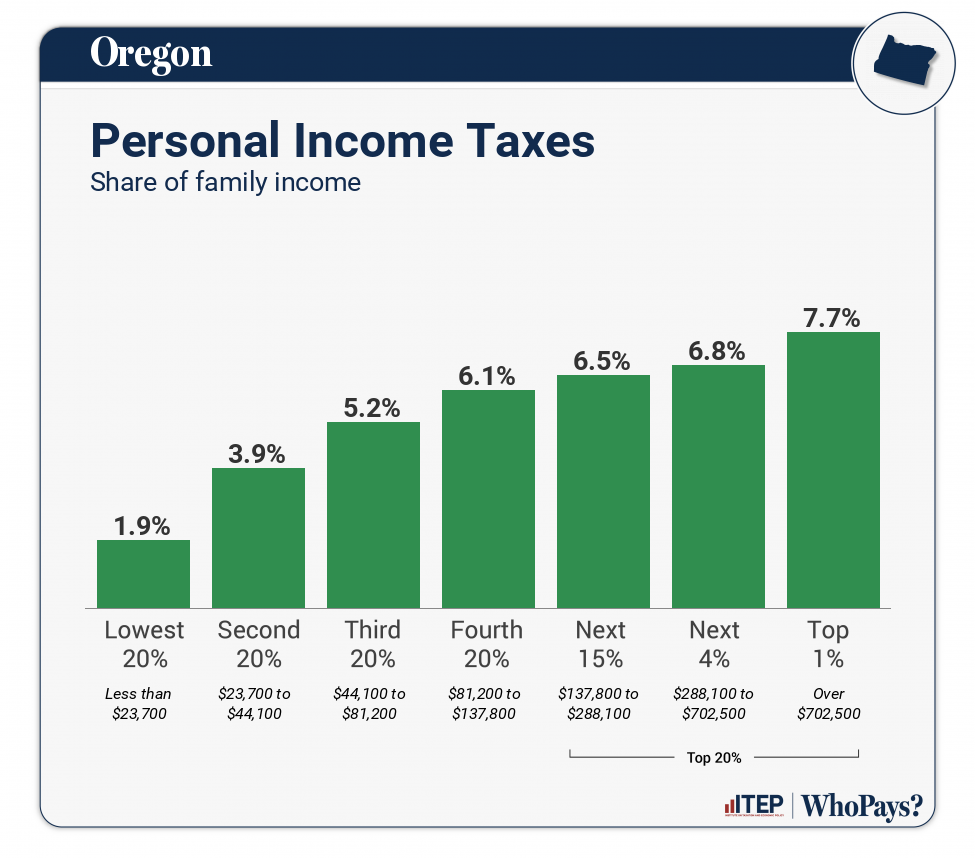
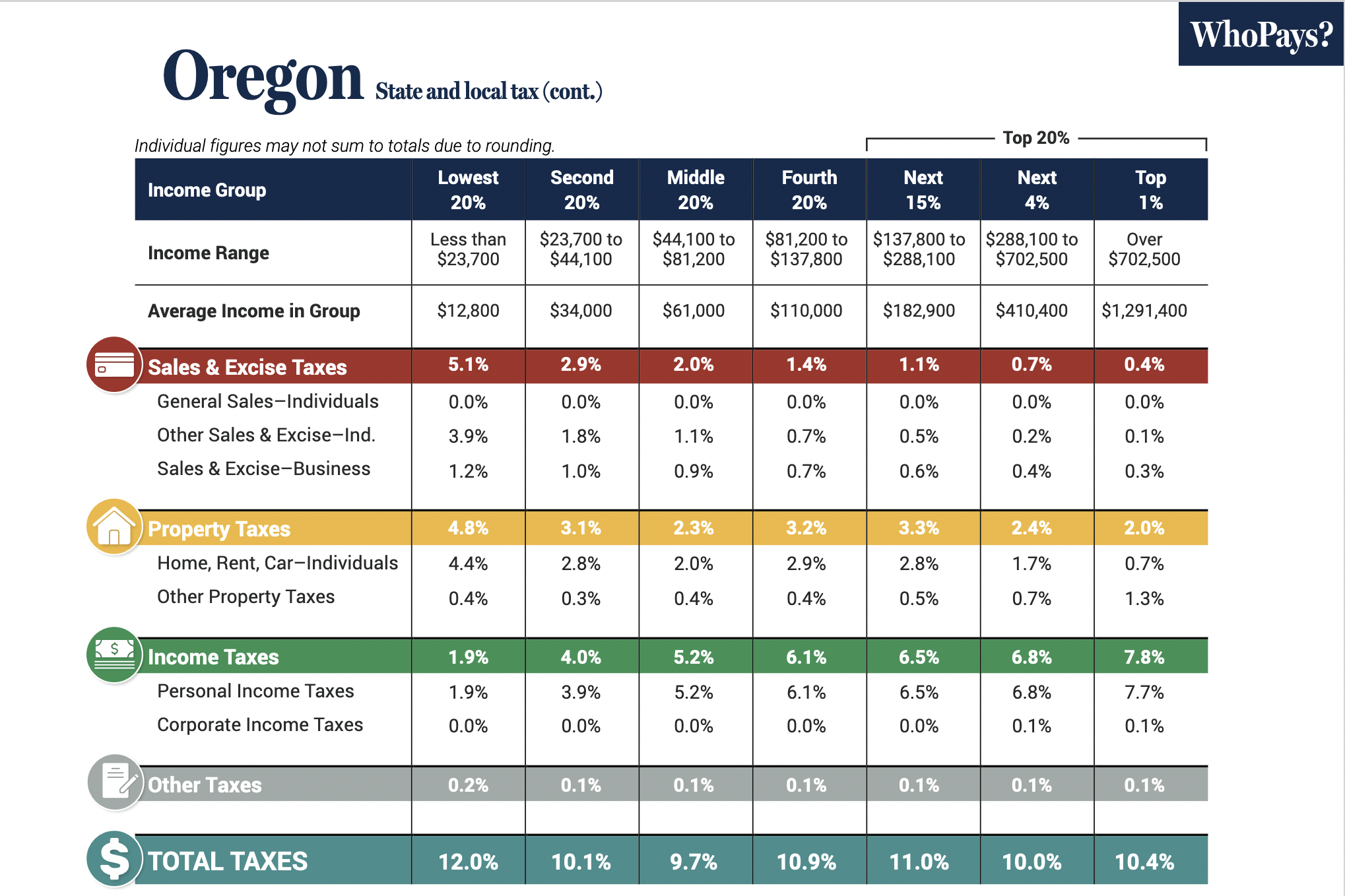
Oregon stands apart from many other U.S. states by operating without a state sales tax. However, this absence is compensated by a progressive income tax system that applies to various forms of income earned within the state. This progressive nature means that higher earners are subject to higher tax rates, a common approach in many jurisdictions aimed at redistributing wealth and funding public services. For travelers, understanding how their income, if any is earned during their stay, might be taxed is an important consideration, especially for those engaging in freelance work, short-term employment, or receiving passive income while enjoying the Pacific Northwest.
Key Components of Oregon Income Tax
The Oregon Department of Revenue is the governing body responsible for administering and collecting income taxes. The tax is levied on individuals, estates, and trusts. The tax base generally includes wages, salaries, tips, bonuses, commissions, and income from investments, pensions, and retirement accounts. For visitors who might be working remotely from a Oregonian base, the state’s tax regulations on income earned while physically present in the state are paramount.
Progressive Tax Brackets
Oregon employs a graduated income tax system, meaning that tax rates increase as income levels rise. This system is divided into several tax brackets, each with a corresponding tax rate. For instance, lower income earners will fall into lower tax brackets with lower percentages, while those with significantly higher incomes will be taxed at a higher rate on the portion of their income that falls within the highest brackets. The exact income thresholds for these brackets are adjusted periodically to account for inflation and other economic factors. Understanding these brackets is essential for accurately estimating tax liabilities.
Taxable Income Calculation
To determine an individual’s tax liability, the first step is to calculate their taxable income. This is typically derived from their gross income by subtracting various allowable deductions and exemptions. Oregon offers a range of deductions that can reduce a taxpayer’s overall tax burden. These might include deductions for dependents, medical expenses, certain business expenses, and contributions to retirement accounts. For visitors, understanding which deductions might apply, especially if they have ties to the state through property ownership or a temporary business venture, can be beneficial.
Filing Requirements and Deadlines
Individuals who earn income in Oregon may be required to file a state income tax return. The filing requirements depend on the amount of income earned and the individual’s residency status. Generally, if your gross income exceeds certain thresholds, filing becomes mandatory. The primary filing deadline for Oregon individual income tax returns is April 15th of the year following the tax year. However, extensions can be requested, pushing the filing deadline to October 15th. It is important for anyone with income-generating activities in Oregon to be aware of these deadlines to avoid penalties and interest.
Residency vs. Non-Residency
A critical distinction in Oregon’s tax law is between residents and non-residents. Oregon residents are taxed on their worldwide income, meaning all income earned, regardless of where it is earned, is subject to Oregon income tax. Non-residents, on the other hand, are only taxed on income derived from Oregon sources. For travelers who might be on extended vacations or temporary work assignments, determining their residency status is crucial for understanding their tax obligations. Factors such as domicile, the location of their permanent home, and the amount of time spent in Oregon can influence this determination.
Specific Considerations for Travelers and Visitors
While Oregon is a popular destination for its natural wonders like the Oregon Coast and the Columbia River Gorge, and its urban attractions such as Powell’s City of Books in Portland, the income tax implications for visitors are typically minimal unless they engage in income-generating activities.
Remote Work and Income Taxation
In the age of digital nomads and remote work, many individuals can earn income from anywhere in the world. If a traveler chooses to work remotely from Oregon for an extended period, they may be subject to Oregon income tax on the income earned while physically present in the state, regardless of where their employer is located or where the income is ultimately paid from. This is a complex area, and it’s advisable to consult with tax professionals if undertaking long-term remote work from Oregon to ensure compliance.
Business and Investment Income
Individuals who conduct business activities or generate investment income within Oregon while visiting may also have tax obligations. This could include income from a business operated within the state, rental income from property owned in Oregon, or capital gains from the sale of Oregonian assets. The specific rules and reporting requirements for such income can vary, and seeking professional advice is recommended.
Short-Term Stays and Tourist Activities
For the vast majority of tourists visiting Oregon for leisure, such as exploring Crater Lake National Park or enjoying the culinary scene in Portland, there are generally no income tax implications. Income tax is typically tied to earning income within the state, not merely spending money as a tourist. Therefore, the absence of a state sales tax often makes Oregon a more appealing destination from a consumer spending perspective, as the prices of goods and services reflect their base cost without an added state tax.
Tax Credits and Incentives
While the focus is on income tax, it’s worth noting that Oregon does offer certain tax credits and incentives, though these are primarily designed for residents or businesses. These can include credits for renewable energy, low-income housing, and business development. For travelers, these are unlikely to be directly applicable unless they are establishing residency or engaging in significant investment within the state.
The Absence of Sales Tax: A Key Distinguishing Feature
One of the most significant aspects of Oregon’s tax landscape, especially from a traveler’s perspective, is the complete absence of a state sales tax. This means that when you purchase goods or services, the price you see is the price you pay, without an additional percentage added at the point of sale. This contrasts sharply with neighboring states like Washington and California, which have substantial sales taxes.
Impact on Tourist Spending
The lack of sales tax can make Oregon a more attractive destination for shoppers and those looking to make significant purchases, such as electronics, clothing, or even vehicles. Travelers can enjoy their purchases and experiences without the added burden of state sales tax, potentially making their overall travel budget stretch further. This is a key selling point for the state and a factor that many visitors appreciate.
Funding Public Services
It is important to acknowledge that while the absence of sales tax benefits consumers, the state government still needs to fund public services such as education, infrastructure, and public safety. In Oregon, this funding is primarily derived from the progressive income tax and other business taxes. Understanding this trade-off provides a more complete picture of the state’s fiscal policies.

Conclusion: A Tax Landscape for Every Traveler
In summary, for the typical tourist visiting Oregon for its magnificent landscapes, vibrant cities like Salem, and unique cultural experiences, the state’s income tax system will likely have minimal direct impact. The absence of a sales tax offers a clear advantage for consumer spending. However, for individuals who are considering extended stays, working remotely from Oregon, or engaging in business activities within the state, a thorough understanding of Oregon’s progressive income tax structure, filing requirements, and residency rules becomes essential. Consulting with tax professionals specializing in Oregon tax law is always recommended for personalized advice to ensure compliance and optimize financial planning during your travels or stays in the Beaver State.
LifeOutOfTheBox is a participant in the Amazon Services LLC Associates Program, an affiliate advertising program designed to provide a means for sites to earn advertising fees by advertising and linking to Amazon.com. Amazon, the Amazon logo, AmazonSupply, and the AmazonSupply logo are trademarks of Amazon.com, Inc. or its affiliates. As an Amazon Associate we earn affiliate commissions from qualifying purchases.