
The state bird of Oregon is a vibrant emblem that resonates deeply with the state’s natural beauty and rich biodiversity. Understanding this avian symbol offers a delightful window into the local culture, the natural heritage of the Pacific Northwest, and the unique ecosystems that define this captivating region. It’s a detail that adds a touch of character to any exploration of Oregon, enriching the experience for both residents and visitors alike.
The Majestic Western Meadowlark: Oregon’s Avian Ambassador
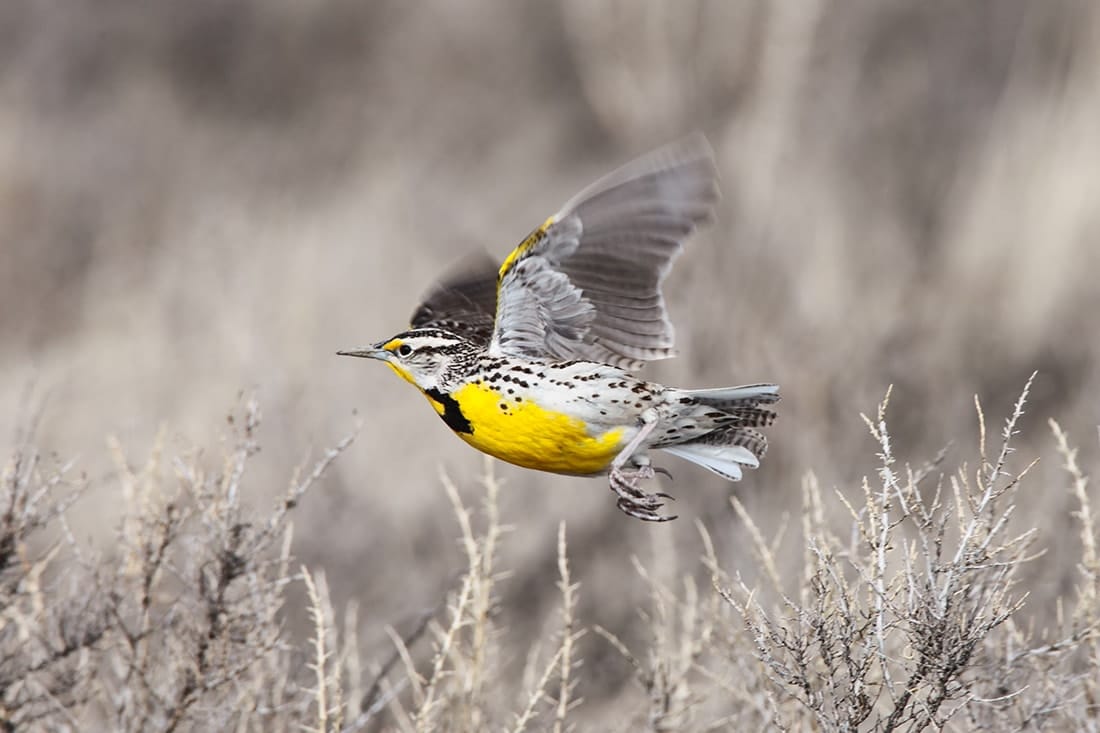
The Western Meadowlark ( Sturnella neglecta) proudly holds the title of Oregon’s state bird. Officially adopted on April 23, 1927, this charismatic songbird is more than just a designation; it is a living symbol woven into the fabric of the state’s identity. Its presence is a common and cherished sight across the diverse landscapes of Oregon, from the rolling prairies of the eastern high desert to the verdant agricultural valleys and even along the coastal grasslands.
Distinctive Characteristics and Identification
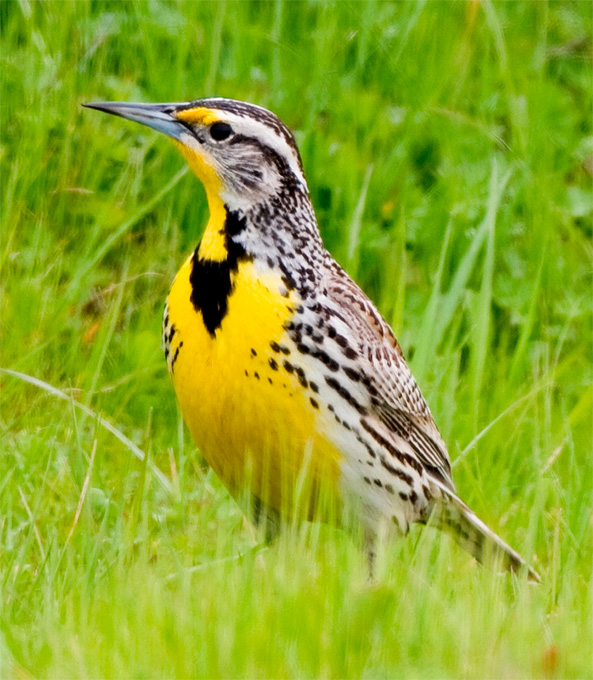
The Western Meadowlark is instantly recognizable by its striking appearance and melodic song. It is a medium-sized bird, measuring about 9 to 11 inches in length. Its most distinctive feature is its brilliant yellow breast, boldly marked with a prominent black “V” shaped band. The back and wings are a mottled brown, providing excellent camouflage against the earth and vegetation. Its tail feathers are often edged with white, which flash conspicuously in flight.
While males and females share similar plumage, males are generally slightly larger and possess a more robust song. Their songs are a series of clear, whistling, flute-like notes, often described as pure and beautiful, carrying far across open country. This melodious call is a quintessential sound of the Oregon countryside, an auditory marker of its natural habitats.
Habitat and Distribution in Oregon
The Western Meadowlark thrives in open, grassy areas, making it a common inhabitant of Oregon’s various grassland ecosystems. These include:
- Eastern Oregon’s High Desert: Vast sagebrush steppe and grasslands provide ample foraging and nesting opportunities. Areas around cities like Bend and Malheur National Wildlife Refuge are particularly good for spotting them.
- Willamette Valley: This fertile agricultural region, home to major cities such as Portland and Salem, features extensive pastures, meadows, and fields that are ideal for meadowlarks.
- Coastal Plains and Prairies: Even along the Oregon Coast, where coastal prairies and dune systems exist, the Western Meadowlark can be found, adapted to the unique environment.
They prefer areas with short to medium-height grasses, which offer both protection from predators and easy access to their primary food source: insects and seeds. Their ground-nesting habits mean they build their nests concealed within dense grass clumps.
The Meadowlark’s Significance Beyond Ornithology
The selection of the Western Meadowlark as the state bird of Oregon reflects a broader appreciation for the state’s natural heritage and the simpler, yet profound, elements of its landscape. Its unassuming beauty and cheerful song embody a spirit of resilience and natural abundance that many Oregonians find deeply appealing.
Cultural Resonance and Symbolism
The Western Meadowlark’s adoption was a grassroots effort, indicative of its widespread popularity among the citizens of Oregon. It represents the connection between the people and the land, a symbol of the unspoiled natural world that many strive to protect. Its presence evokes feelings of peace, simplicity, and the enduring spirit of the frontier that shaped much of the state’s history.
In a state known for its dramatic coastlines, lush forests, and rugged mountains, the Western Meadowlark serves as a reminder of the vital importance of its open spaces and the life they sustain. It connects the urban centers with the rural heartland, a common thread binding the state together.
Educational and Conservation Value
The state bird designation also plays a crucial role in environmental education and conservation efforts within Oregon. By highlighting the Western Meadowlark, schools and organizations can educate younger generations about local wildlife, biodiversity, and the importance of preserving natural habitats.
Conservation initiatives often focus on protecting the grassland ecosystems that are critical for meadowlark populations. Threats such as habitat fragmentation, agricultural intensification, and invasive species can impact these birds. Recognizing the Western Meadowlark as a state symbol encourages awareness and support for conservation strategies that benefit not only this species but also a myriad of other plants and animals sharing its environment.
Exploring Oregon Through its State Bird
Encountering the Western Meadowlark can become a rewarding part of any visit to Oregon, offering a tangible connection to the state’s natural identity. Planning a trip with an eye towards the bird’s habitats can lead to unique and memorable experiences.
Birdwatching Opportunities in Oregon
For avid birdwatchers, Oregon offers numerous prime locations to observe the Western Meadowlark. Beyond the specific refuges and natural areas mentioned, many state parks and publicly accessible farmlands offer opportunities. For instance, exploring the open fields near the agricultural towns of the Willamette Valley or driving through the expansive landscapes of Harney County can yield excellent sightings.
- Early Morning and Late Afternoon: These are often the most active periods for meadowlarks, when they are more likely to be foraging or singing.
- Driving Tours: Many rural roads in Oregon traverse ideal meadowlark territory, allowing for easy observation from the roadside.
- Local Nature Centers: Information from local nature centers or visitor bureaus can provide up-to-date tips on recent sightings and prime viewing locations.
Connecting with Nature in Oregon
Observing the Western Meadowlark is a simple yet profound way to engage with Oregon’s natural environment. It encourages a slower pace of travel, a greater appreciation for the subtle beauty of the landscape, and an understanding of the ecological interconnectedness that makes the state so special.
Whether one is exploring the charming small towns, hiking through scenic vistas, or simply enjoying a scenic drive, keeping an eye and ear out for the Western Meadowlark can add an extra layer of discovery. It’s a reminder that the true essence of a place is often found in its smallest, most vibrant inhabitants, a melody of nature that defines the spirit of Oregon.
The Western Meadowlark in Relation to Other Oregon Symbols
The Western Meadowlark stands as one of several state symbols that collectively paint a picture of Oregon’s identity. Each symbol, from the state tree to the state flower, contributes to a richer understanding of the state’s natural heritage and the values it holds dear.
A Natural Pantheon of Oregon Symbols
Oregon’s state symbols are a curated selection of natural elements that represent its diverse geography and ecosystems.
- State Tree: The Douglas Fir (Pseudotsuga menziesii), a towering evergreen that dominates much of the state’s forests, symbolizes the immense timber industry and the breathtaking scale of its woodlands.
- State Flower: The Oregon Grape (Mahonia aquifolium), with its distinctive spiky leaves and vibrant yellow flowers, represents the hardy, adaptable flora found throughout the state.
- State Marine Mammal: The Gray Whale (Eschrichtius robustus), a majestic visitor to the Oregon Coast during its annual migrations, highlights the importance of the Pacific Ocean to the state’s identity and economy.
The Western Meadowlark, in its own right, occupies a significant place among these natural icons. While the Douglas Fir speaks of the majestic forests and the Oregon Grape of the state’s understory, the meadowlark embodies the open spaces, the agricultural heartland, and the cheerful, melodic voice of Oregon’s open country. Its widespread distribution and familiar presence make it a universally recognized and beloved symbol.

The Meadowlark’s Role in Defining Oregon’s Character
The choice of the Western Meadowlark is particularly fitting for Oregon because it represents a less dramatic, yet equally profound, aspect of the state’s natural beauty. While the soaring peaks of the Cascade Mountains or the dramatic cliffs of the Oregon Coast command immediate attention, the meadowlark speaks to the quiet resilience and persistent beauty of the everyday landscape.
It’s a bird of the fields, the ranches, and the wide-open spaces that form the backbone of Oregon’s agricultural economy and provide essential habitats for wildlife. Its song, often heard at dawn or dusk, is a gentle soundtrack to the state’s agricultural rhythms and its connection to the land. This makes the Western Meadowlark a symbol not just of nature, but of the very spirit of place that defines Oregon – a spirit that is both hardy and beautiful, familiar and inspiring.
LifeOutOfTheBox is a participant in the Amazon Services LLC Associates Program, an affiliate advertising program designed to provide a means for sites to earn advertising fees by advertising and linking to Amazon.com. Amazon, the Amazon logo, AmazonSupply, and the AmazonSupply logo are trademarks of Amazon.com, Inc. or its affiliates. As an Amazon Associate we earn affiliate commissions from qualifying purchases.