
Texas, the second-largest state in the United States, presents a unique geographical expanse that, while mostly uniform in its timekeeping, features a notable exception on its western frontier. For any traveler, whether planning a short getaway, an extended adventure, or a crucial business trip, understanding the time zones within this vast state is paramount for seamless travel and a well-coordinated itinerary. From the bustling metropolises like Dallas and Houston to the serene landscapes of West Texas, the clock can tick differently, impacting everything from flight schedules to dinner reservations. This guide aims to demystify Texas time zones, ensuring your visit to the Lone Star State is as smooth and stress-free as possible.
The Dominant Time Zone: Central Standard Time (CST)
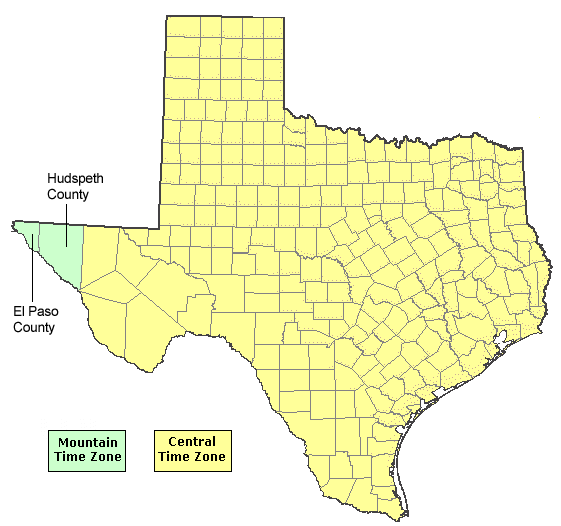
The vast majority of Texas operates on Central Standard Time (CST), which is UTC-6 during standard time and UTC-5 during Daylight Saving Time (CDT). This encompasses the state’s most populous cities and vibrant cultural centers, making it the primary time zone you’ll encounter when exploring the state.
Understanding CST and its Significance
Central Standard Time governs a significant portion of the central United States, extending from the Canadian border down to the Gulf of Mexico. Its adoption across most of Texas means that travelers originating from states also observing CST, or neighboring states like Oklahoma and Louisiana, will experience minimal time differences, simplifying cross-state travel planning. For those arriving from the East Coast (Eastern Time Zone) or West Coast (Pacific or Mountain Time Zones), a time adjustment will be necessary, which can impact jet lag and initial acclimatization.
The consistency of CST across such a large area of Texas is a boon for tourism and business. It means that whether you’re enjoying the lively music scene in Austin, delving into the rich history of San Antonio, or exploring the art districts of Fort Worth, your watch will remain aligned with the local schedule. This uniformity is particularly helpful when managing hotel bookings, coordinating meeting times, or scheduling visits to attractions and restaurants. Many resorts and accommodation providers throughout these areas are well-versed in advising guests about time changes and local practices, particularly during the transition to Daylight Saving Time.
Key Cities Operating on CST
Virtually all major and mid-sized Texas cities adhere to Central Standard Time. This includes:
- Houston: Home to NASA’s Johnson Space Center and a thriving culinary scene.
- Dallas: A hub for business, fashion, and culture, with landmarks like Klyde Warren Park.
- Austin: The state capital, famous for its “Live Music Capital of the World” moniker and vibrant outdoor activities.
- San Antonio: Rich in history with the iconic Alamo and the picturesque Riverwalk.
- Fort Worth: Known for its Western heritage, the Stockyards National Historic District is a must-visit.
- Corpus Christi: A coastal gem offering beautiful beaches and the Texas State Aquarium.
- Galveston: An island city with Victorian architecture and historic attractions.
- Amarillo: The largest city in the Texas Panhandle, known for the Cadillac Ranch.
- Lubbock: A cultural and economic center of the South Plains, home to Texas Tech University.
When planning visits to these destinations, rest assured that your time will be consistently aligned with CST/CDT, simplifying logistics for accommodation from boutique hotels to luxury resorts. Many tour operators and local guides in these areas specifically cater to travelers, offering detailed itineraries that account for efficient time management.
The Western Edge: Mountain Standard Time (MST)
While most of Texas enjoys the consistency of CST, a small but significant portion of the far western part of the state observes Mountain Standard Time (MST), which is UTC-7 during standard time and UTC-6 during Daylight Saving Time (MDT). This time zone boundary is crucial for anyone venturing into the Trans-Pecos region.
Where MST Applies in Texas
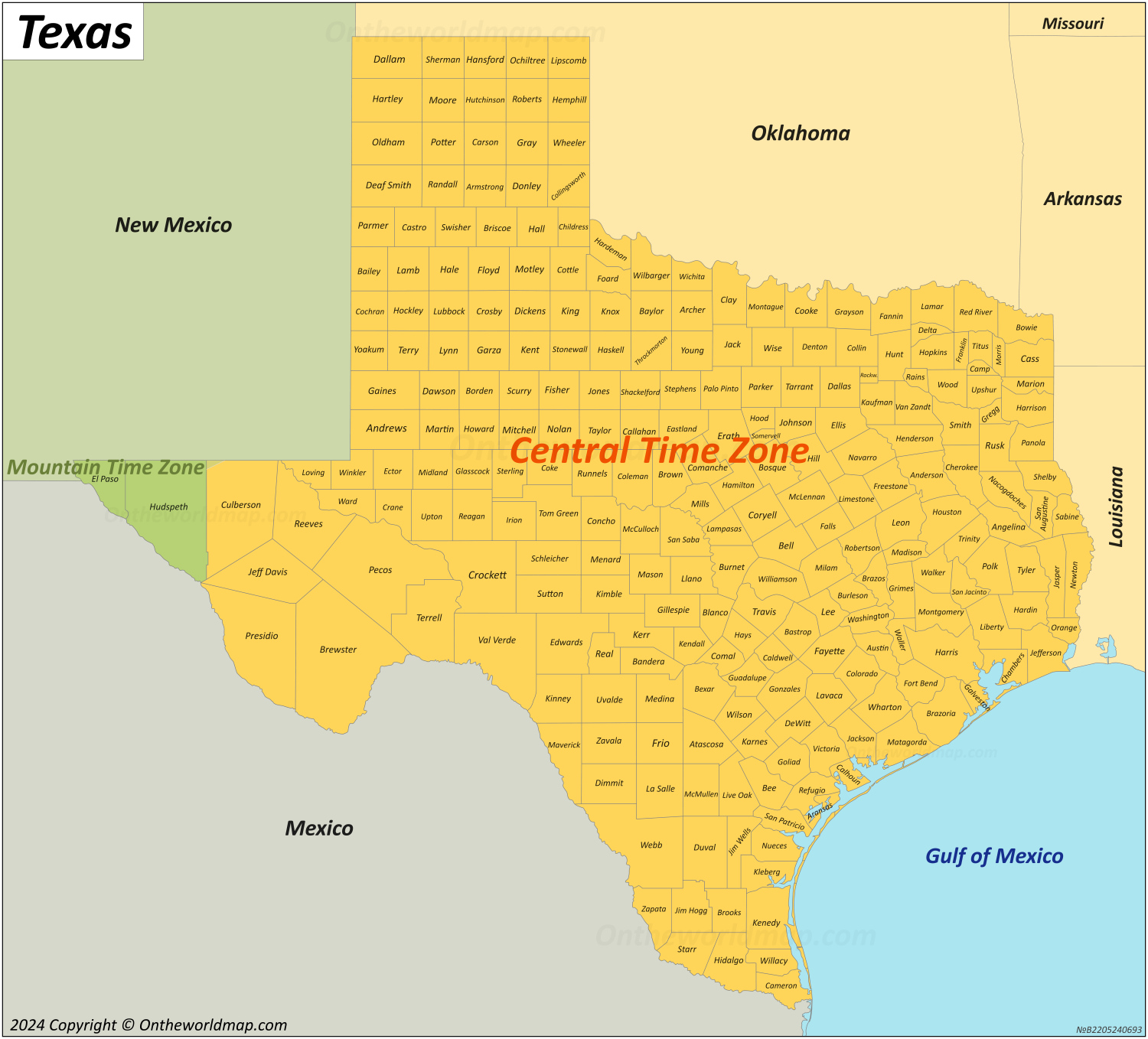
The primary area of Texas that observes Mountain Standard Time is the city of El Paso and the western parts of Hudspeth County. This is a direct result of their geographical proximity to New Mexico, which predominantly observes MST. For travelers driving across the state, this means a one-hour time shift as you move between the central and westernmost regions.
The transition typically occurs east of El Paso, particularly as you approach the New Mexico border. Areas within Hudspeth County, such as Dell City, also fall within the MST zone. This distinction is vital for those planning to visit natural wonders like Guadalupe Mountains National Park or Big Bend National Park. While Big Bend National Park itself primarily observes CST, understanding the proximity to MST zones is important, especially when coordinating with tour groups or connecting flights through El Paso International Airport.
Distinguishing Between MST and CST Regions
The key takeaway is that the vast expanse of Texas from the Gulf Coast to the Panhandle and south to the Mexico border (excluding El Paso and western Hudspeth County) is on CST. The difference is most pronounced when traveling directly between El Paso and cities like Pecos or Fort Stockton, which are on CST. This time zone shift can catch unsuspecting travelers off guard, particularly when dealing with tight schedules.
For instance, if you are driving from Dallas to El Paso, expect to lose an hour upon arrival. Conversely, traveling eastward from El Paso into the main body of Texas will see you gain an hour. This time change is particularly important for business travelers with scheduled meetings or for families trying to stick to a rigid itinerary. Always double-check your devices; most smartphones will automatically update, but it’s good practice to be aware of the shift. Many hotels in El Paso often provide reminders about the time zone difference to help their guests.
Daylight Saving Time in Texas
Like most of the United States, Texas observes Daylight Saving Time (DST). This annual adjustment further complicates timekeeping for a few months of the year, although the overall pattern of time zones within the state remains consistent.
How DST Affects the Lone Star State
Daylight Saving Time typically begins on the second Sunday in March and ends on the first Sunday in November. During this period, clocks are moved forward by one hour. This means:
- Most of Texas switches from Central Standard Time (CST, UTC-6) to Central Daylight Time (CDT, UTC-5).
- El Paso and western Hudspeth County switch from Mountain Standard Time (MST, UTC-7) to Mountain Daylight Time (MDT, UTC-6).
The one-hour difference between the CST/CDT and MST/MDT zones remains constant. The primary effect of DST is on the absolute UTC offset and the shift in daylight hours. For tourism, this often means longer evenings for outdoor activities, sightseeing, and enjoying local culture before sunset. Many attractions and restaurants may adjust their operating hours to capitalize on the extended daylight, which can be a pleasant surprise for visitors.
Planning Your Visit Around Time Changes
When planning your trip to Texas, especially during the spring and fall transitions, it’s wise to double-check the exact dates of Daylight Saving Time.
- Spring Forward: On the second Sunday in March, clocks jump forward an hour at 2:00 AM local time. This can mean losing an hour of sleep if you arrive on that specific day, but it grants you more daylight in the evenings.
- Fall Back: On the first Sunday in November, clocks fall back an hour at 2:00 AM local time. This grants an extra hour, which can be beneficial for those departing or needing a little more rest.
For international travelers, understanding these shifts is even more critical, as it adds another layer to managing jet lag and coordinating with home time zones. Many hotel booking systems and airline schedules automatically account for DST, but a quick verification is always a good practice. If you’re scheduling calls with contacts outside of Texas, be mindful of how DST might affect their local time relative to yours.
Practical Implications for Travelers and Visitors
Navigating time zones in Texas might seem complex initially, but with a few practical tips, you can ensure your trip runs smoothly. From booking flights to coordinating meetings, being time-aware is a key aspect of successful travel planning.
Booking Flights and Accommodation Across Time Zones
When booking flights into or out of Texas airports, always pay close attention to the time zone listed for departure and arrival. Major airports like Dallas/Fort Worth International Airport (DFW) and George Bush Intercontinental Airport (IAH) operate on CST/CDT. If flying into El Paso International Airport (ELP), remember it’s on MST/MDT.
- Departure/Arrival Times: Confirm whether times are local to the departure city or arrival city. Most airline tickets clearly state “local time,” but a quick check never hurts.
- Connecting Flights: Be extremely diligent with layovers, especially if your connection bridges the CST and MST zones or occurs during a Daylight Saving Time change. An hour can make or break a tight connection.
- Hotel Check-ins/Check-outs: Most hotels and accommodation providers operate strictly on local time. If you arrive early after gaining an hour (e.g., traveling from El Paso to San Antonio), you might find yourself with extra time before check-in. Conversely, losing an hour could put you behind schedule. Always communicate your estimated arrival time with your hotel or Airbnb host.
Coordinating Meetings and Activities
For business travelers or those scheduling family meetups, time zone awareness is paramount.
- Internal Texas Meetings: If you’re arranging a meeting between colleagues in Dallas and El Paso, remember the one-hour difference. A 9:00 AM meeting in Dallas would be 8:00 AM in El Paso.
- Tours and Excursions: Many tour guides and attraction operators will specify their times in local time. However, if you’re booking a tour that crosses time zones (e.g., a multi-day trip starting in San Antonio and venturing into West Texas near El Paso), confirm how the schedule will adjust.
- Dining Reservations: Restaurants operate on local time. Be sure your reservation aligns with your local clock, especially when traveling between CST and MST zones. A late dinner reservation in El Paso might feel much later if you’re mentally still on CST.
Time Zone Tools and Tips for Seamless Travel
Several tools and habits can help you manage time zones effectively:
- Smartphone Automatic Updates: Most modern smartphones automatically update to the local time zone when you travel. Ensure this feature is enabled in your settings.
- World Clock Apps: Utilize world clock features on your phone or dedicated apps to quickly check the time in different Texas cities or your home location.
- Physical Watch Adjustment: If you wear a traditional watch, make a point to reset it immediately upon entering a new time zone.
- Confirm All Bookings: Double-check all flight, hotel, and activity confirmations for listed times, paying close attention to whether they specify local time or a particular time zone.
- Inform Your Contacts: Let anyone expecting you know about your time zone transitions, especially if you have an important call or meeting scheduled.
- Allow Buffer Time: When driving between CST and MST zones, or during Daylight Saving Time changes, always build in extra buffer time. This is especially true if you are on a tight schedule or have an early morning engagement.
- Consult Local Information: Many local visitor centers or hotel concierges can offer insights into specific local time considerations.
Exploring Texas: Time Zone Considerations for Your Itinerary
Texas offers an incredible diversity of destinations, each with its unique charm and a largely consistent time zone experience.
East Texas Adventures
In East Texas, known for its pine forests, charming small towns, and strong Southern culture, you’ll be firmly in the Central Standard Time zone. Cities like Tyler, famous for its roses, or the historic town of Nacogdoches, the oldest town in Texas, operate seamlessly on CST/CDT. This means if you’re exploring the Big Thicket National Preserve or enjoying the lakes, your internal clock will match local time without effort. Travelers can enjoy the rhythm of the region without time concerns, focusing on the local cuisine, historical landmarks, and outdoor beauty.
Central Texas Highlights
Central Texas, encompassing the major urban centers of Austin, San Antonio, Dallas, and Fort Worth, is also entirely within the CST/CDT zone. This is where most visitors will spend the majority of their time, experiencing the state’s vibrant lifestyle, from luxury hotels and fine dining to budget-friendly attractions and family fun. Whether you’re attending a festival in Austin, visiting Six Flags Over Texas in Arlington, or enjoying the beaches of South Padre Island, time zone shifts won’t be a factor within this expansive region. This simplifies planning for multi-city itineraries, allowing you to focus on experiences like exploring the State Capitol Building or venturing into the Texas Hill Country for wine tasting.

West Texas Expeditions
West Texas offers a dramatic shift in landscape and, for its far western edge, a shift in time zone. While cities like Midland and Odessa in the Permian Basin remain on CST, the transition to MST occurs further west. If your adventure takes you to the remote beauty of Big Bend National Park (CST), the serene Davis Mountains (CST), or the majestic Guadalupe Mountains National Park (CST but close to the MST boundary), you’ll mostly be on CST. However, once you reach El Paso or the western parts of Hudspeth County, you’ll officially be in Mountain Standard Time. This is particularly important if you’re coordinating with border activities with Mexico or moving onward to New Mexico or Arizona. Knowing this small but significant detail can prevent missed connections or early arrivals, ensuring your exploration of this rugged and beautiful part of Texas is truly boundless.
In conclusion, while the majority of your Texas journey will undoubtedly unfold under the watchful eye of Central Standard Time (and Central Daylight Time during warmer months), the distinct presence of Mountain Standard Time (and Mountain Daylight Time) in the far west demands your attention. With proper planning and a quick glance at your watch (or smartphone), you can navigate the Lone Star State’s time zones with confidence, allowing you to fully immerse yourself in all the incredible experiences Texas has to offer. Enjoy your travels!
LifeOutOfTheBox is a participant in the Amazon Services LLC Associates Program, an affiliate advertising program designed to provide a means for sites to earn advertising fees by advertising and linking to Amazon.com. Amazon, the Amazon logo, AmazonSupply, and the AmazonSupply logo are trademarks of Amazon.com, Inc. or its affiliates. As an Amazon Associate we earn affiliate commissions from qualifying purchases.