
The allure of a state is often captured in its symbols, emblems that speak to its unique character, history, and natural beauty. For Oregon, a state renowned for its diverse landscapes ranging from the rugged Pacific coast to the arid high desert and the lush, temperate rainforests, its state flower is a perfect representation of this natural richness. The official state flower of Oregon is the dazzling Oregon-grape. While its name might suggest a simple berry, the Oregon-grape is a captivating evergreen shrub with a story deeply intertwined with the state’s identity and natural heritage.
The Majestic Oregon-Grape: A Botanical Gem
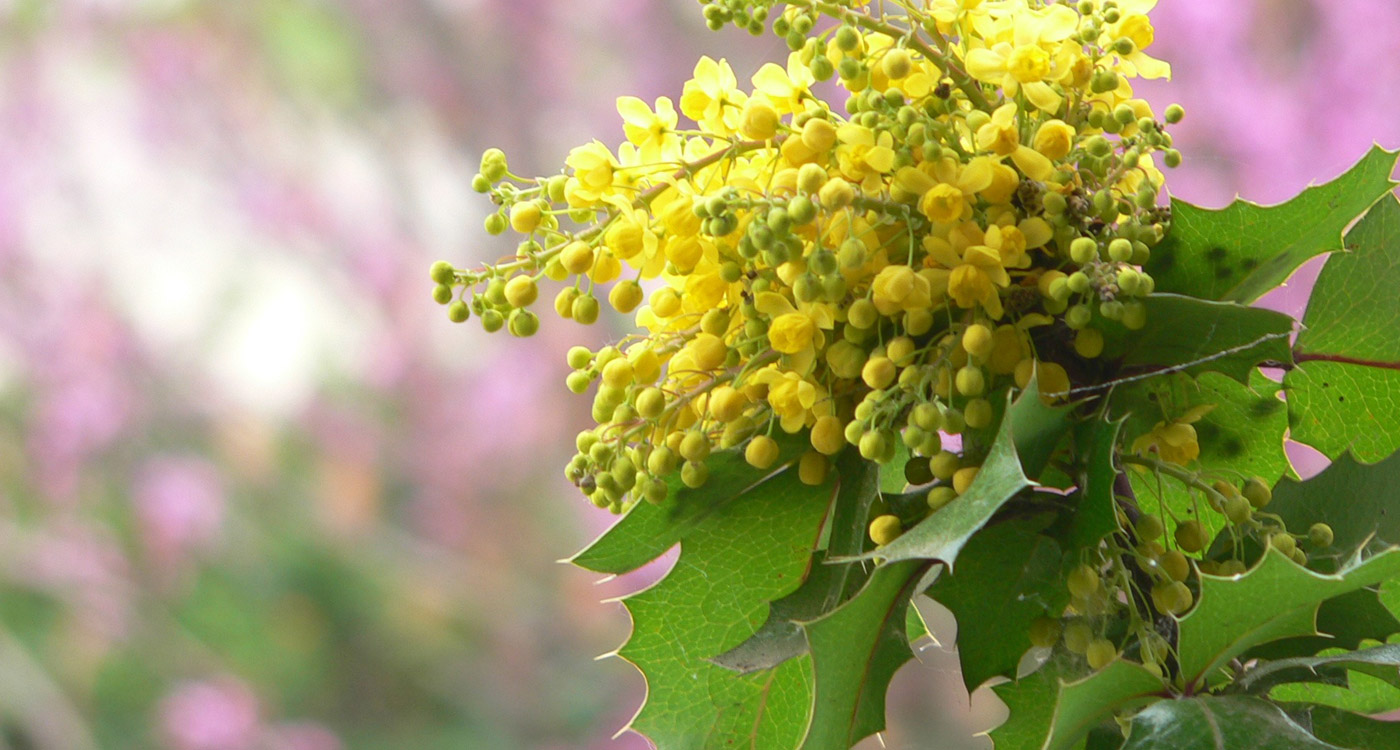
The Oregon-grape, scientifically known as Mahonia aquifolium (formerly Berberis aquifolium), is a remarkable plant that earns its place as Oregon’s floral emblem. Its selection as the state flower in 1899 was a testament to its widespread presence and its visual appeal throughout the state. Unlike more delicate, fleeting blooms, the Oregon-grape is a robust and resilient shrub, thriving in a variety of conditions that mirror Oregon’s own varied ecosystems.
Distinctive Characteristics and Bloom
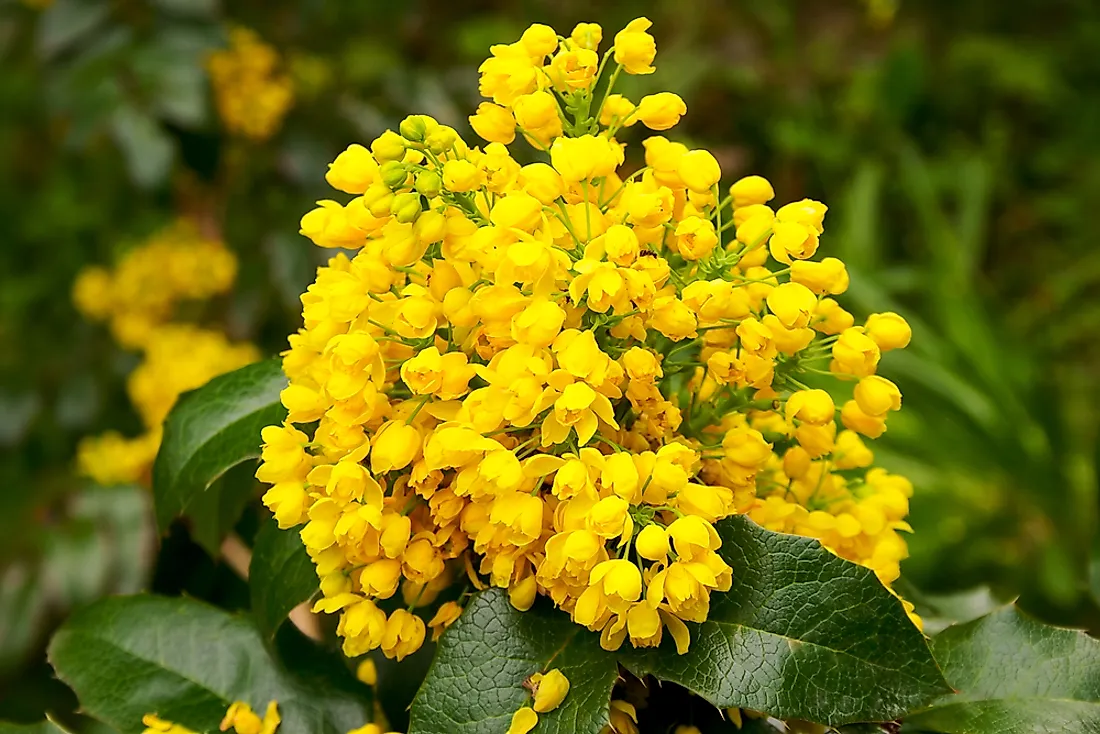
What sets the Oregon-grape apart is its striking appearance, particularly its vibrant spring and early summer bloom. The plant features glossy, holly-like evergreen leaves, which provide year-round visual interest and a touch of deep green to the landscape. However, it is the clusters of bright yellow, pendulous flowers that truly steal the show. These blossoms, often described as resembling tiny, fragrant buttercups or honeysuckle, emerge in dense racemes, creating a spectacular display of color. The scent is subtly sweet and delightful, a welcome herald of warmer weather.
Following the bloom, the plant produces clusters of dark blue, berry-like fruits. While edible and tart, these are not typically consumed fresh but are often used to make jams, jellies, and wines, especially by those familiar with traditional foraging. These fruits also serve as an important food source for local wildlife, further integrating the Oregon-grape into the state’s ecological tapestry.
Habitat and Distribution
The Oregon-grape is native to the western United States and southwestern Canada, flourishing in regions with moist, shaded environments. Within Oregon, it is commonly found in forests, woodlands, and along stream banks, particularly in the western parts of the state. Its adaptability allows it to grow in various soil types, though it prefers well-drained, acidic to neutral soil. This widespread presence means that encountering the Oregon-grape is a common and cherished experience for residents and visitors alike, from the Willamette Valley to the foothills of the Cascade Mountains.
Historical Significance and Cultural Ties
The designation of the Oregon-grape as the state flower was not merely an arbitrary choice; it was rooted in the plant’s historical significance and its deep connection to the region’s natural history. Indigenous peoples of the Pacific Northwest have long utilized the Oregon-grape for its medicinal properties. The roots and bark were historically used to create teas and tinctures believed to have antiseptic and anti-inflammatory qualities. This traditional knowledge underscores the plant’s practical and symbolic importance to the land and its original inhabitants.
A Symbol of Resilience and Natural Bounty
The choice of the Oregon-grape also reflects a broader appreciation for the state’s natural bounty and its spirit of resilience. Its evergreen nature signifies steadfastness and enduring beauty, while its vibrant yellow flowers embody the optimism and renewal that spring brings to the Pacific Northwest. The Oregon-grape stands as a constant reminder of the region’s wild heart and its abundant natural resources that have shaped its history and continue to define its identity.
Naming Origins
The name “Oregon-grape” is a direct reflection of its geographical association and its fruit. While the fruits are not true grapes, their clustered growth and somewhat similar appearance led to the common moniker. This simple, descriptive name further solidifies its connection to the state, making it instantly recognizable and cherished by those who call Oregon home.
Experiencing the Oregon-Grape in its Natural Habitat
For travelers and nature enthusiasts, seeking out the Oregon-grape can be a rewarding aspect of exploring the state. Its presence is often a signifier of healthy, thriving natural environments, offering an opportunity to connect with Oregon’s verdant landscapes.
Suggested Locations for Observation
- Forest Park, Portland: This extensive urban forest within the city of Portland offers numerous trails where the Oregon-grape can be found, particularly in shaded, moist areas. It’s a convenient way to experience the state flower without venturing far from urban amenities.
- Oregon Coast Range: The western foothills and mountains of Oregon are prime habitat for the Oregon-grape. Driving scenic routes or hiking in state parks like Silver Falls State Park (home to the Trail of Ten Falls) often reveals abundant patches of these flowering shrubs, especially in late spring.
- Columbia River Gorge: Along the scenic highway and hiking trails in the Columbia River Gorge, especially in the lower elevation areas, the Oregon-grape thrives. It often grows alongside other native flora, creating a rich tapestry of natural beauty.
- Willamette Valley Foothills: As you move east from the Willamette Valley towards the Cascades, the Oregon-grape becomes increasingly prevalent in wooded areas and open fields.
Best Times to Visit
The most spectacular time to see the Oregon-grape in bloom is typically from late April through June, depending on the specific microclimate and elevation. The bright yellow flowers create a stunning contrast against the evergreen foliage. The blue berries begin to form in mid-summer and ripen through the fall, offering another visual point of interest and attracting wildlife.
Beyond the Bloom: The Oregon-Grape’s Broader Ecological Role
The Oregon-grape is more than just a beautiful symbol; it plays a vital role in the ecosystems of the Pacific Northwest. Its ability to thrive in shaded understories makes it a foundational plant in many forest environments, providing habitat and sustenance for a variety of creatures.
Food Source for Wildlife
The berries, though tart to human palates, are a valuable food source for birds, small mammals, and other wildlife, particularly as autumn approaches. This makes the Oregon-grape an important part of the food web, contributing to the biodiversity of Oregon’s natural areas.
Supporting Pollinators
The abundant nectar produced by the Oregon-grape flowers attracts a variety of native pollinators, including bees and butterflies, during the spring months. This ecological service is crucial for the health of the surrounding plant communities and the overall ecosystem.
Contributing to Soil Health
As an evergreen shrub, the Oregon-grape helps to stabilize soil and prevent erosion, particularly on slopes and in wooded areas. Its dense root system contributes to soil structure, and its fallen leaves decompose to enrich the soil over time.

Conclusion: A Symbol Worth Celebrating
The Oregon-grape, with its distinctive foliage, radiant yellow blossoms, and hardy nature, is a fitting and beloved state flower for Oregon. It encapsulates the state’s wild beauty, its rich history, and its enduring connection to the natural world. Whether encountered on a scenic hike, in a local park, or simply as a topic of conversation, the Oregon-grape serves as a vibrant reminder of the unique character and botanical treasures of the Beaver State. Its presence throughout the state, from the coast to the mountains, makes it an accessible yet significant symbol for all who appreciate the natural heritage of Oregon.
LifeOutOfTheBox is a participant in the Amazon Services LLC Associates Program, an affiliate advertising program designed to provide a means for sites to earn advertising fees by advertising and linking to Amazon.com. Amazon, the Amazon logo, AmazonSupply, and the AmazonSupply logo are trademarks of Amazon.com, Inc. or its affiliates. As an Amazon Associate we earn affiliate commissions from qualifying purchases.