
Oregon, a state celebrated for its dramatic coastlines, lush forests, and diverse natural landscapes, holds a special arboreal emblem that speaks volumes about its identity. Understanding the state tree is not merely an academic exercise in botany; it’s a window into the ecological heritage, cultural significance, and historical narrative of the Beaver State. This iconic tree, deeply intertwined with the fabric of Oregon, plays a vital role in its environment and has been a silent witness to its development.
The Douglas Fir: An Enduring Symbol of Oregon
The Douglas fir (Pseudotsuga menziesii) stands proudly as the official state tree of Oregon. This majestic coniferous species was officially designated as the state tree in 1939. Its selection was a testament to its ubiquitous presence across the state’s vast forests and its profound economic and ecological importance. From the Cascade Mountains to the Coast Range, the Douglas fir dominates the arboreal landscape, shaping the very character of Oregon’s wilderness.

Botanical Characteristics and Ecological Dominance
The Douglas fir is renowned for its impressive stature, with mature specimens commonly reaching heights of over 200 feet, and some even exceeding 300 feet. Its trunk can be several feet in diameter, supporting a dense, pyramidal crown. The needles are soft and flat, typically about an inch long, with a distinctive sharp point. They are arranged spirally around the twig, giving the branches a full, luxuriant appearance. The bark of younger trees is smooth and gray, becoming thick, deeply furrowed, and reddish-brown as the tree ages, providing excellent protection against fire.
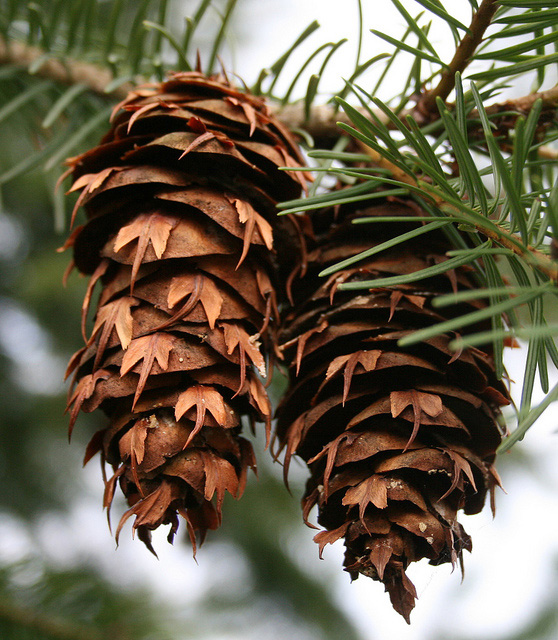
Perhaps the most distinctive feature of the Douglas fir is its cone. These elegant cones hang downwards and possess unique, three-pointed bracts that protrude from between the scales, resembling the hind legs and tail of a mouse – a detail that has led to its common name, “Douglas fir,” honoring the Scottish botanist David Douglas.
Ecologically, the Douglas fir is a keystone species in many Oregon ecosystems. It thrives in the temperate rainforests of the Pacific Northwest, benefiting from the region’s abundant rainfall and mild temperatures. It can tolerate a range of soil conditions but prefers well-drained loams. As a pioneer species, it readily colonizes open areas, including clear-cut forests and burned-over lands, playing a crucial role in forest regeneration and succession. Its presence supports a rich understory of ferns, shrubs, and wildflowers, and provides habitat and food for a wide array of wildlife, from small mammals to large herbivores and numerous bird species.
Historical and Economic Significance
The economic impact of the Douglas fir on Oregon cannot be overstated. For generations, it has been the backbone of the state’s timber industry, a sector that has profoundly shaped its economy and communities. The strength, durability, and beauty of Douglas fir lumber have made it a highly sought-after material for construction, furniture making, and various other applications both domestically and internationally.
The history of logging in Oregon is inextricably linked to the Douglas fir. Indigenous peoples of the region have long utilized the tree for various purposes, including shelter, tools, and fuel. European American settlers, recognizing the immense timber resources, began extensive logging operations in the 19th century. These operations led to the establishment of numerous logging towns and contributed significantly to the state’s growth. While the industry has evolved over time, with a greater emphasis on sustainable forestry practices, the Douglas fir remains a vital resource for the state’s economy.
The legacy of logging is visible in the mosaic of Oregon’s forests, which include vast tracts of old-growth forests where towering Douglas firs stand as living monuments to the past, alongside managed forests that are carefully cultivated for timber production. This duality reflects Oregon’s ongoing effort to balance resource utilization with environmental stewardship.
Beyond the Timber: Cultural and Recreational Value
While its economic contributions are undeniable, the Douglas fir’s significance extends far beyond its value as timber. It is a cornerstone of Oregon’s natural beauty and a cherished element of its cultural identity. The iconic silhouette of these magnificent trees gracing the state’s skylines is a familiar and beloved sight for residents and visitors alike.
A Backdrop for Outdoor Recreation
Oregon is a haven for outdoor enthusiasts, and the Douglas fir forests provide the quintessential setting for a myriad of recreational activities. Hiking trails wind through these majestic woods, offering opportunities to immerse oneself in the serene and awe-inspiring environment. The scent of pine needles, the dappled sunlight filtering through the canopy, and the sheer scale of the trees create an unforgettable experience.
Areas like the Columbia River Gorge National Scenic Area, with its dramatic waterfalls and lush vegetation, are defined by the presence of Douglas fir. Similarly, the Oregon Coast Range and the western slopes of the Cascade Mountains offer countless opportunities for exploration amidst these ancient giants.
Activities such as camping, backpacking, birdwatching, and simply enjoying nature’s tranquility are enhanced by the presence of the Douglas fir. The cool, crisp air, often carrying the subtle fragrance of the firs, contributes to the restorative power of these natural spaces. For many, the Douglas fir represents the wild and untamed spirit of Oregon, a landscape to be cherished and protected.
Artistic and Symbolic Inspiration
The profound beauty and resilience of the Douglas fir have long inspired artists, writers, and photographers. Its majestic presence evokes a sense of awe and wonder, capturing the essence of the Pacific Northwest. From landscape paintings to poetry, the tree serves as a muse, symbolizing strength, endurance, and the enduring spirit of nature.
In a broader sense, the Douglas fir embodies Oregon’s commitment to its natural heritage. Its designation as the state tree serves as a constant reminder of the importance of conservation and sustainable land management. It is a symbol of the state’s identity, deeply rooted in its rich natural resources and the responsible stewardship of those resources for future generations. This connection to nature is a defining characteristic of Oregonian culture, influencing everything from local cuisine to community values.
Conservation and Future of the Douglas Fir
The future of the Douglas fir, like many forest species, is intertwined with the challenges of climate change, evolving land management practices, and the ongoing balance between human needs and ecological preservation. While the Douglas fir is a resilient species, understanding and addressing these factors are crucial for ensuring its continued abundance.
Sustainable Forestry Practices
The timber industry in Oregon has undergone significant transformation over the decades. Modern sustainable forestry practices aim to ensure that harvesting operations do not deplete forest resources. These practices include selective logging, reforestation efforts, and the protection of old-growth stands. The goal is to mimic natural forest processes and maintain the ecological integrity of the forest ecosystem.
Research into silviculture, the art and science of growing and caring for forests, plays a vital role in managing Douglas fir plantations. This includes understanding optimal planting densities, thinning strategies to promote growth, and pest and disease management. The aim is to grow healthy, vigorous trees that can eventually be harvested sustainably, while also preserving the biodiversity and ecological functions of the forest.
Addressing Climate Change Impacts
Climate change presents a complex set of challenges for forest ecosystems. Changes in temperature, precipitation patterns, and the frequency of extreme weather events can impact tree health, growth rates, and susceptibility to pests and diseases. For the Douglas fir, increased drought stress, altered fire regimes, and the potential for increased insect outbreaks are significant concerns.
Scientists are studying how Douglas fir populations are responding to these changes and exploring strategies for adaptation. This might include identifying more resilient genotypes, exploring assisted migration to suitable future climates, and implementing forest management techniques that enhance ecosystem resilience. The long-term health of Oregon’s forests, and thus the future of its state tree, depends on a proactive and informed approach to these environmental shifts.

The Enduring Legacy
The Douglas fir is more than just a tree; it is a living emblem of Oregon’s natural grandeur, its economic vitality, and its enduring connection to the land. From its towering presence in the forests to its role as a symbol of the state’s identity, the Douglas fir continues to inspire awe and respect. Its story is one of resilience, adaptation, and the profound relationship between a place and its most iconic natural inhabitant. As Oregon moves forward, the majestic Douglas fir will undoubtedly remain a central figure in its landscape and a powerful reminder of the natural treasures that define the Beaver State.
LifeOutOfTheBox is a participant in the Amazon Services LLC Associates Program, an affiliate advertising program designed to provide a means for sites to earn advertising fees by advertising and linking to Amazon.com. Amazon, the Amazon logo, AmazonSupply, and the AmazonSupply logo are trademarks of Amazon.com, Inc. or its affiliates. As an Amazon Associate we earn affiliate commissions from qualifying purchases.