
Oregon, a state etched with rugged coastlines, verdant forests, and dramatic mountain ranges, holds a distinct place in the tapestry of the United States. While its geographical and cultural significance are undeniable, many visitors and even some residents find themselves pondering its numerical identity within the union. Oregon proudly stands as the 33rd state to join the United States of America. This distinction, though seemingly simple, carries a weight of history, reflecting the journey of its admission and its evolving role in the nation’s narrative. Understanding Oregon’s number provides a gateway to appreciating its historical context, its place among its neighboring states, and the unique trajectory that has shaped it into the captivating destination it is today.

The Historical Path to Statehood
Oregon’s journey to becoming the 33rd state was a protracted process, marked by exploration, settlement, and territorial governance. The fertile lands and abundant resources of the Oregon Country had long attracted interest from various nations, including Great Britain and the United States. The Oregon Treaty of 1846 ultimately settled the boundary dispute between the two powers, ceding the territory south of the 49th parallel to the United States.
Following the treaty, the region was organized as the Oregon Territory in 1848. This period was characterized by rapid growth, fueled by pioneers seeking new opportunities and the allure of the Willamette Valley. The territorial government established laws, infrastructure, and a sense of burgeoning self-governance. However, the path to full statehood was not immediate. Debates surrounding representation, economic development, and the issue of slavery (though Oregon was admitted as a free state) delayed its admission for over a decade.
Finally, after years of petitioning and legislative maneuvering, Oregon was officially admitted to the Union on February 14, 1859. This date marks its numerical designation as the 33rd state, a testament to the dedication of its early inhabitants and the eventual recognition of its burgeoning significance within the United States.
Early Exploration and Settlement
The narrative of Oregon begins long before its statehood. Indigenous peoples had inhabited the land for millennia, developing rich cultures and sustainable ways of life. European and American explorers, such as Meriwether Lewis and William Clark on their famous expedition, began to chart the region in the early 19th century. Their reports ignited interest in the Pacific Northwest, leading to a surge in fur trading and eventually, overland migration.
The Oregon Trail and Territorial Growth
The Oregon Trail became a pivotal route for American expansion, bringing thousands of settlers to the region. These pioneers faced arduous journeys but were drawn by the promise of fertile land for farming and abundant natural resources. The establishment of the Oregon Territory in 1848 provided a framework for governance and further encouraged settlement, laying the groundwork for the eventual push for statehood.
The Road to the 33rd Star
The transition from territory to state involved political negotiations and the establishment of a state constitution. Oregon‘s admission was influenced by the national political climate, particularly the growing tensions leading up to the Civil War. Its admission as a free state was a significant point in the ongoing debate over slavery’s expansion in the United States.
Oregon’s Place in the American Landscape
As the 33rd state, Oregon occupies a unique geographical and cultural position within the United States. Its admission in 1859 placed it among a group of states that were solidifying the nation’s expansion westward. It joined states like California, admitted in 1850 as the 31st state, and Kansas, admitted in 1861 as the 34th. This chronological placement underscores Oregon‘s role in the westward movement and its integration into the burgeoning American identity.
The 33rd state is characterized by its diverse topography. From the iconic Oregon Coast with its dramatic cliffs and sandy beaches, to the lush Willamette Valley known for its agriculture and wineries, and the majestic Cascade Mountains boasting volcanic peaks, Oregon offers a stunning array of natural landscapes. This geographical diversity not only shapes the state’s economy and culture but also provides unparalleled opportunities for outdoor recreation and exploration.
Coastal Wonders and Inland Valleys
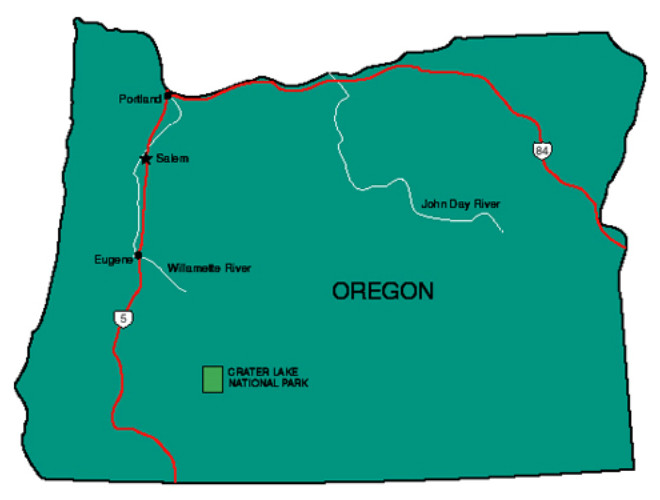
The Oregon Coast, a designated scenic byway, stretches for over 360 miles, featuring charming coastal towns like Cannon Beach with its famous Haystack Rock, and the dramatic landscapes of Cape Perpetua. Inland, the Willamette Valley is a verdant heartland, renowned for its Pinot Noir vineyards, sprawling farmlands, and vibrant cities such as Portland and Salem.
Majestic Mountains and High Desert
Further east, the Cascade Mountains form a formidable barrier, home to iconic peaks like Mount Hood and Crater Lake National Park, which boasts the deepest lake in the United States. Beyond the cascades lies Oregon‘s high desert region, a starkly beautiful landscape characterized by sagebrush, juniper, and unique geological formations.
A State of Innovation and Sustainability
Historically, Oregon has fostered a spirit of innovation and a commitment to environmental stewardship. The state has been at the forefront of movements promoting sustainability, renewable energy, and conservation. This ethos is reflected in its urban planning, its embrace of green technologies, and its dedication to preserving its natural heritage.
Experiencing the 33rd State: A Traveler’s Perspective
For travelers, Oregon offers a rich and varied experience, reflecting its designation as the 33rd state in its diverse attractions and unique character. Whether one is drawn to the vibrant urban energy of Portland, the serene beauty of its natural landscapes, or the historical echoes of its pioneering past, the 33rd state delivers an unforgettable journey.
The state’s commitment to local culture and artisanal products is evident throughout. Portland, often dubbed the “City of Roses,” is a hub for craft breweries, independent bookstores, and innovative culinary scenes. Visitors can explore its famous Powell’s City of Books, wander through its numerous parks, and indulge in its renowned food cart pods.
Beyond the cities, Oregon‘s natural wonders beckon. Exploring Crater Lake National Park offers a chance to witness the breathtaking beauty of the caldera lake. Hiking through the Columbia River Gorge reveals spectacular waterfalls, including Multnomah Falls, one of the tallest in the United States. The rugged coastline provides opportunities for whale watching, tide pooling, and enjoying the refreshing ocean air.
Urban Delights in Portland
Portland, Oregon‘s largest city and the 33rd state’s cultural epicenter, is a testament to its progressive spirit. Its vibrant arts scene, commitment to sustainability, and quirky charm make it a must-visit. From the International Rose Test Garden to the Oregon Zoo, there are attractions for every interest.
Natural Splendors Beyond the City
The call of the wild is strong in Oregon. The Oregon Caves National Monument & Preserve offers a subterranean adventure, while the John Day Fossil Beds National Monument provides a glimpse into ancient geological history. The vastness of Crater Lake and the dramatic vistas of the Cascades offer endless exploration.
Culinary Adventures and Local Flavors
Oregon‘s fertile land produces an abundance of world-class ingredients. The Willamette Valley is synonymous with exceptional Pinot Noir and Chardonnay, offering numerous wineries for tasting. Oregon‘s culinary scene celebrates farm-to-table dining, with fresh seafood from the coast and diverse agricultural products from its valleys.
Conclusion: The Enduring Identity of the 33rd State
Oregon, the 33rd state, is more than just a number. It represents a unique confluence of history, geography, and culture that has shaped its identity. From its territorial beginnings to its present-day status as a leader in innovation and environmentalism, Oregon has forged a distinct path within the United States. Its stunning natural beauty, vibrant cities, and progressive spirit continue to draw visitors and residents alike, cementing its place as a treasured member of the American union. Understanding its numerical designation as the 33rd state offers a point of reference, but the true essence of Oregon lies in its enduring spirit and its remarkable contributions to the nation.
LifeOutOfTheBox is a participant in the Amazon Services LLC Associates Program, an affiliate advertising program designed to provide a means for sites to earn advertising fees by advertising and linking to Amazon.com. Amazon, the Amazon logo, AmazonSupply, and the AmazonSupply logo are trademarks of Amazon.com, Inc. or its affiliates. As an Amazon Associate we earn affiliate commissions from qualifying purchases.