
Oregon, a state renowned for its dramatic coastlines, lush forests, and vibrant cities, offers a diverse array of experiences that can make for an unforgettable spring break. From the snow-capped peaks of the Cascade Mountains to the lively cultural hubs of Portland and the serene beauty of the Oregon Coast, planning a trip requires understanding the state’s academic calendars. While there isn’t a single, unified “Oregon Spring Break” that dictates a statewide pause for all educational institutions, most universities and K-12 school districts align with national trends, typically scheduling their breaks in late March or early April. This window is crucial for travelers aiming to experience Oregon’s awakening spring, a time when the state sheds its winter coat and bursts into colorful life.

Navigating Oregon’s Spring Break Timing
Understanding the specific timing of spring break is paramount for booking travel and accommodation in Oregon. The variation across different school districts and universities means that peak travel periods can be slightly staggered, offering windows of opportunity for those seeking to avoid the largest crowds.
The Typical Spring Break Window
The majority of Oregon colleges and universities, including institutions like the University of Oregon in Eugene and Oregon State University in Corvallis, generally observe their spring break in the last week of March or the first week of April. This aligns with the broader academic calendar in the United States. For K-12 schools, the timing can be more varied, with some districts opting for a single week off in March, while others might extend it or align more closely with university schedules.
Planning for Peak and Off-Peak Travel
Knowing these dates allows for strategic planning. Booking flights and accommodation well in advance is always recommended, especially if your spring break coincides with the most popular travel weeks. Prices for flights into Portland International Airport and accommodation in popular destinations like Bend or along the Oregon Coast will likely be at their highest during these periods. Conversely, if your travel dates are flexible, venturing out a week before or after the most common break times can lead to significant savings and a more relaxed experience.
Local Events and Spring Break Activities
Many local communities and attractions in Oregon plan special events and activities to coincide with the spring break period, catering to families, students, and travelers of all ages. These can range from outdoor festivals and sporting events to special museum exhibits and guided tours. Researching local event calendars for your intended destination a few months prior to your trip can help you capitalize on these unique offerings.
Unveiling Spring’s Charms: Destinations and Experiences
Once you’ve pinpointed the timing of Oregon’s spring break, the exciting task of choosing your destination begins. The state offers a breathtaking tapestry of landscapes and activities, perfectly suited for a spring getaway.
Coastal Wonders and Seaside Escapes
The Oregon Coast is a perennial favorite, and spring offers a dramatic and often less crowded experience than the summer months. Witness the power of the Pacific Ocean as it churns against rugged cliffs, explore charming coastal towns like Cannon Beach with its iconic Haystack Rock, or go tide pooling at Samuel H. Boardman State Scenic Corridor. Whale watching season often extends into spring, providing opportunities to spot migrating gray whales. The cooler spring air is also ideal for hiking along coastal trails, breathing in the crisp ocean breeze.
Mountain Majesty and Outdoor Adventures
For those seeking alpine beauty and adventure, the Cascade Mountains beckon. While higher elevations may still hold snow, lower trails begin to reveal themselves, adorned with early spring wildflowers. Mount Hood offers skiing and snowboarding opportunities well into spring at Timberline Lodge and Mount Hood Meadows. Beyond the snow, areas around Crater Lake National Park begin to thaw, offering stunning views of the impossibly blue caldera, though full access to park roads might be limited until later in the season. Hiking and exploring the forests around towns like Bend become increasingly appealing as the snow recedes.
Urban Exploration and Cultural Delights

Portland, the “City of Roses,” truly begins to bloom in spring. Parks and gardens, such as the International Rose Test Garden and the Japanese Garden, come alive with color and fragrance. The city’s renowned food scene, with its plethora of food carts, innovative restaurants, and craft breweries, is a perfect way to spend cooler spring evenings. Museums like the Portland Art Museum and the vibrant neighborhoods offer endless exploration. Further south, Eugene provides a more laid-back, bohemian vibe with its own thriving arts scene and proximity to outdoor recreational areas.
Planning Your Spring Break Itinerary
A well-planned itinerary is key to maximizing your spring break experience in Oregon. Consider the diverse interests of your travel companions and the specific timing of your break to craft a memorable journey.
Family Fun and Educational Excursions
For families, Oregon offers a wealth of engaging activities. The Oregon Zoo in Portland is a fantastic outing, and many smaller local zoos and wildlife refuges offer spring-specific programming. Children often enjoy exploring the tide pools along the coast, visiting interactive science museums like the OMSI (Oregon Museum of Science and Industry) in Portland, or discovering the wonders of the Evergreen Aviation & Space Museum in McMinnville. Spring is also an excellent time for gentle hikes in state parks, where the trails are less crowded and the scenery is refreshingly green.
Adventure and Relaxation for Adults
Adults seeking a blend of adventure and relaxation will find Oregon more than accommodating. Wine enthusiasts can explore the vineyards of the Willamette Valley, known for its Pinot Noir, with many wineries opening their tasting rooms for spring visitors. For the adventurous, spring is a prime time for activities like kayaking on rivers, mountain biking on newly accessible trails, or even trying whitewater rafting on rivers like the White Salmon River (depending on snowmelt and conditions). Those looking to unwind can indulge in the renowned spa culture in places like Sunriver Resort, or simply enjoy the tranquility of a quiet beach town.
Budget-Conscious Travel Tips
Spring break in Oregon doesn’t have to break the bank. Traveling during the shoulder weeks just before or after the peak break periods can yield significant savings on flights and accommodation. Exploring the numerous state parks, many of which have low entrance fees or are free to access, offers incredible natural beauty without a hefty price tag. Picnics with local produce from farmers’ markets can replace expensive restaurant meals. For accommodation, consider vacation rentals outside of the most popular tourist zones, or explore budget-friendly hostels and motels, especially in smaller towns. The abundance of free outdoor activities, from hiking and beachcombing to exploring charming downtowns, makes Oregon a rewarding destination for all budgets.
Embracing the Spring Season in Oregon
Spring in Oregon is a time of renewal and vibrant activity, a stark contrast to the quiet dormancy of winter. The meteorological and astronomical shifts usher in longer days, milder temperatures, and a landscape that begins to burst with life. Understanding when this magical transition occurs is the first step to planning an unforgettable spring break.
Spring’s Arrival: A Meteorological and Astronomical View
Astronomically, spring begins with the vernal equinox, typically falling around March 20th or 21st each year. This marks the point when the sun crosses the celestial equator, and day and night are of nearly equal length. Meteorologically, spring in Oregon often begins to show its colors even before the equinox, with early blooming flowers and a gradual warming trend. However, the most significant transformation, characterized by lush greenery and a wider array of accessible outdoor activities, usually solidifies in April.
Weather Patterns and What to Pack
Oregon’s spring weather can be famously variable. While you might encounter sunny, warm days perfect for exploring the Columbia River Gorge, it’s equally possible to experience rain showers, especially on the western side of the state. Packing layers is essential. Include a waterproof and windproof jacket, comfortable walking shoes, sweaters, and a hat. If venturing to higher elevations like the Cascades, warmer clothing and potentially waterproof boots might be necessary, as snow can linger. Checking the weather forecast for your specific destination a few days before departure will help you fine-tune your packing list.
Local Flora and Fauna Awakening
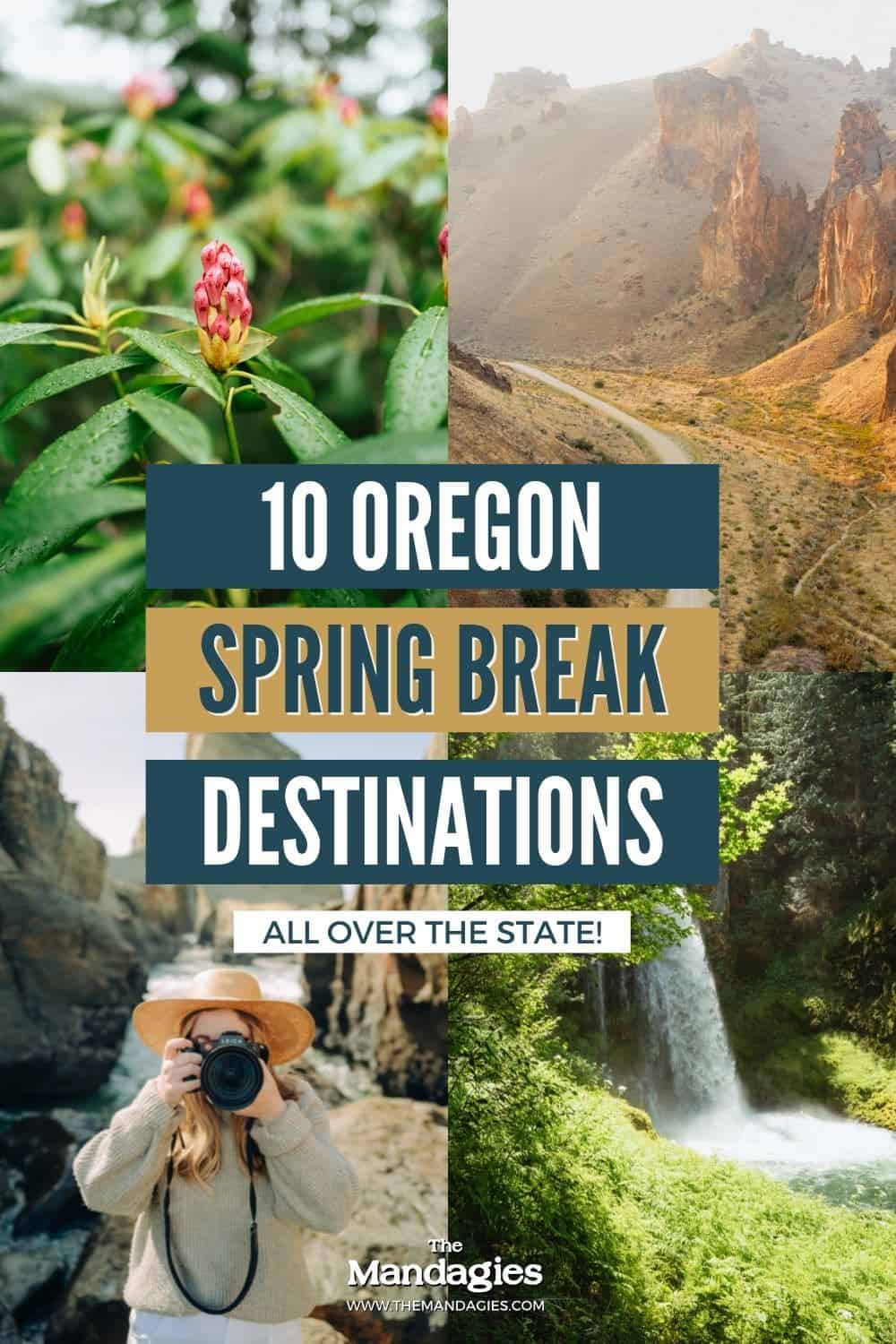
Spring is a spectacular time for wildlife viewing and appreciating the state’s natural beauty. Along the Oregon Coast, sea lions and seals are active, and as mentioned, whale migration continues. Inland, you might spot migrating birds returning to their nesting grounds, deer foraging in meadows, and perhaps even elk in more remote areas. The forests and meadows come alive with wildflowers, from the vibrant purple lupine and yellow balsamroot to delicate trilliums and camas lilies. Visiting botanical gardens like the Hoyt Arboretum in Portland or exploring the wilder trails offers a chance to witness this floral renaissance firsthand. The combination of budding trees, blooming flowers, and returning wildlife creates a sensory feast that defines an Oregon spring.
LifeOutOfTheBox is a participant in the Amazon Services LLC Associates Program, an affiliate advertising program designed to provide a means for sites to earn advertising fees by advertising and linking to Amazon.com. Amazon, the Amazon logo, AmazonSupply, and the AmazonSupply logo are trademarks of Amazon.com, Inc. or its affiliates. As an Amazon Associate we earn affiliate commissions from qualifying purchases.