
Oregon’s vast and varied landscapes, from the rugged Cascade Mountains to the coastal ranges and high desert regions, are integral to its identity and appeal as a travel destination. These forests, teeming with biodiversity and offering breathtaking vistas, are also susceptible to wildfires, a phenomenon that can significantly impact travel plans and experiences. Understanding the current and potential locations of these fires is crucial for any traveler looking to explore the Beaver State safely and responsibly. This guide delves into the areas most prone to forest fires, how to stay informed, and what adjustments might be necessary for a fulfilling Oregon adventure.

Understanding Oregon’s Fire-Prone Regions
Oregon’s topography and climate create a patchwork of ecosystems, each with its own fire risk profile. The state can be broadly divided into two main regions based on precipitation patterns, which directly influence wildfire behavior: the western, wetter side, and the eastern, drier side.
Western Oregon: Coastal Influence and Foothill Forests
While Western Oregon, particularly the Willamette Valley and the coast, receives significant rainfall, its extensive forests are not immune to fire. The coastal ranges and the foothills of the Cascades, often covered in dense conifer forests like Douglas fir and hemlock, can become dry during summer months.
- Cascade Foothills: Areas closer to the mountains, especially those with less frequent rainfall during drier periods, can experience fires. These fires are often smaller and more contained than those in the east but can still impact recreational areas and scenic routes.
- Douglas Fir Forests: These prevalent forests, while resilient, can carry fire, especially when undergrowth becomes dry. The vastness of these timberlands means that even localized ignitions can spread rapidly under the right conditions.
- Impact on Coastal Travel: While direct wildfire threats to coastal towns like Cannon Beach or Florence are rare, smoke from inland fires can drift westward, affecting air quality and visibility, which can mar the experience of coastal drives and beach activities.
Eastern Oregon: High Desert and Ponderosa Pine Ecosystems
Eastern Oregon presents a more arid climate, making its landscapes inherently more susceptible to large, intense wildfires. This region encompasses the Ochoco National Forest, the Malheur National Forest, and vast stretches of high desert scrubland and ponderosa pine forests.
- Ponderosa Pine Forests: These forests thrive in drier conditions and are adapted to fire, but with prolonged drought and increased fuel loads, fires can become more extreme. Areas around Bend and Sisters, while popular destinations, lie within these fire-prone zones.
- High Desert Ecosystems: The sagebrush steppe and grasslands of eastern Oregon are prone to fast-moving grass fires, which can ignite easily and spread rapidly due to wind. These fires can threaten remote communities and vital wildlife habitats.
- Remote Wilderness Areas: Much of the eastern part of the state consists of remote wilderness and national forest lands, where fires can sometimes burn for extended periods before being fully contained, impacting access to hiking trails and backcountry camping.
Monitoring Fire Activity: Essential Resources for Travelers
Staying informed about active wildfires and fire danger levels is paramount for anyone planning a trip to Oregon. Several official sources provide real-time updates and predictions.
Official Fire Information Sources
- InciWeb: This is the primary interagency all-risk incident information management system for large, complex wildfire incidents. Travelers can search for fires by state and view detailed incident information, maps, and updates.
- Oregon Department of Forestry (ODF): The ODF provides statewide fire restrictions, fire danger levels, and public use restrictions for forest protection areas. Their website is an invaluable resource for understanding the current risk across different regions.
- US Forest Service: For national forest lands, the US Forest Service websites for specific forests (e.g., Mt. Hood National Forest, Umatilla National Forest) offer information on fire activity and any closures.
- Local Emergency Management Agencies: Many counties and cities in Oregon have their own emergency management websites or social media accounts that provide localized updates during fire events.
Understanding Fire Danger Levels and Restrictions

Fire danger levels are typically categorized from low to extreme. As the danger level rises, so do restrictions on activities that could spark a wildfire.
- Low: Minimal fire danger.
- Moderate: Increased fire danger. Caution advised.
- High: Significant fire danger. Restrictions may be imposed.
- Extreme: Critical fire danger. Fires ignite easily and spread rapidly. Severe restrictions are in place, often including campfire bans and prohibitions on certain equipment use.
Travelers should be aware of specific restrictions such as Industrial Fire Precaution Levels (IFPLs), which affect logging operations, and Public Use Restrictions (PURs), which limit public activities like campfires, smoking, and vehicle use in undeveloped areas.
Planning Your Oregon Adventure Amidst Fire Season
Oregon’s “fire season” typically runs from late spring through early fall, with the highest risk often occurring from July through September, particularly in the drier eastern parts of the state. While wildfires are a natural part of many ecosystems, they can necessitate flexibility in travel plans.
Adapting Travel Itineraries
- Stay Flexible: Have alternative destinations or activities in mind. If a national park or forest you planned to visit is affected by fire or smoke, have a backup option. Coastal towns or cities like Portland often remain accessible and offer indoor attractions.
- Check Conditions Before Departure: Always check the ODF, InciWeb, and relevant forest service websites immediately before heading out on your trip and even daily during your stay.
- Consider Time of Year: Traveling earlier or later in the summer might expose you to lower fire risks, though warm, dry conditions can extend into early fall.
Safety and Preparedness
- Air Quality Alerts: Smoke from wildfires can travel hundreds of miles and significantly impact air quality. Monitor AirNow.gov or local air quality agencies for Air Quality Index (AQI) readings. If the AQI is unhealthy, it’s best to avoid strenuous outdoor activities or seek indoor alternatives.
- Evacuation Levels: Understand the different evacuation levels (ready, set, go) should you be traveling in or near an area with an active fire. Pay close attention to official instructions from emergency responders.
- Carry Essentials: If venturing into areas with potential fire risk, ensure you have a well-stocked emergency kit, including water, food, first-aid supplies, a map, a compass, and a reliable way to receive emergency alerts.
- Vehicle Preparedness: Ensure your vehicle is in good working order, with a full tank of gas, as services can be limited in remote fire-affected areas.
Experiencing Oregon’s Natural Beauty Responsibly
Oregon’s forests are a vital part of its natural heritage and a major draw for visitors. Traveling responsibly during fire season means understanding the risks and taking steps to minimize your impact and ensure your safety.
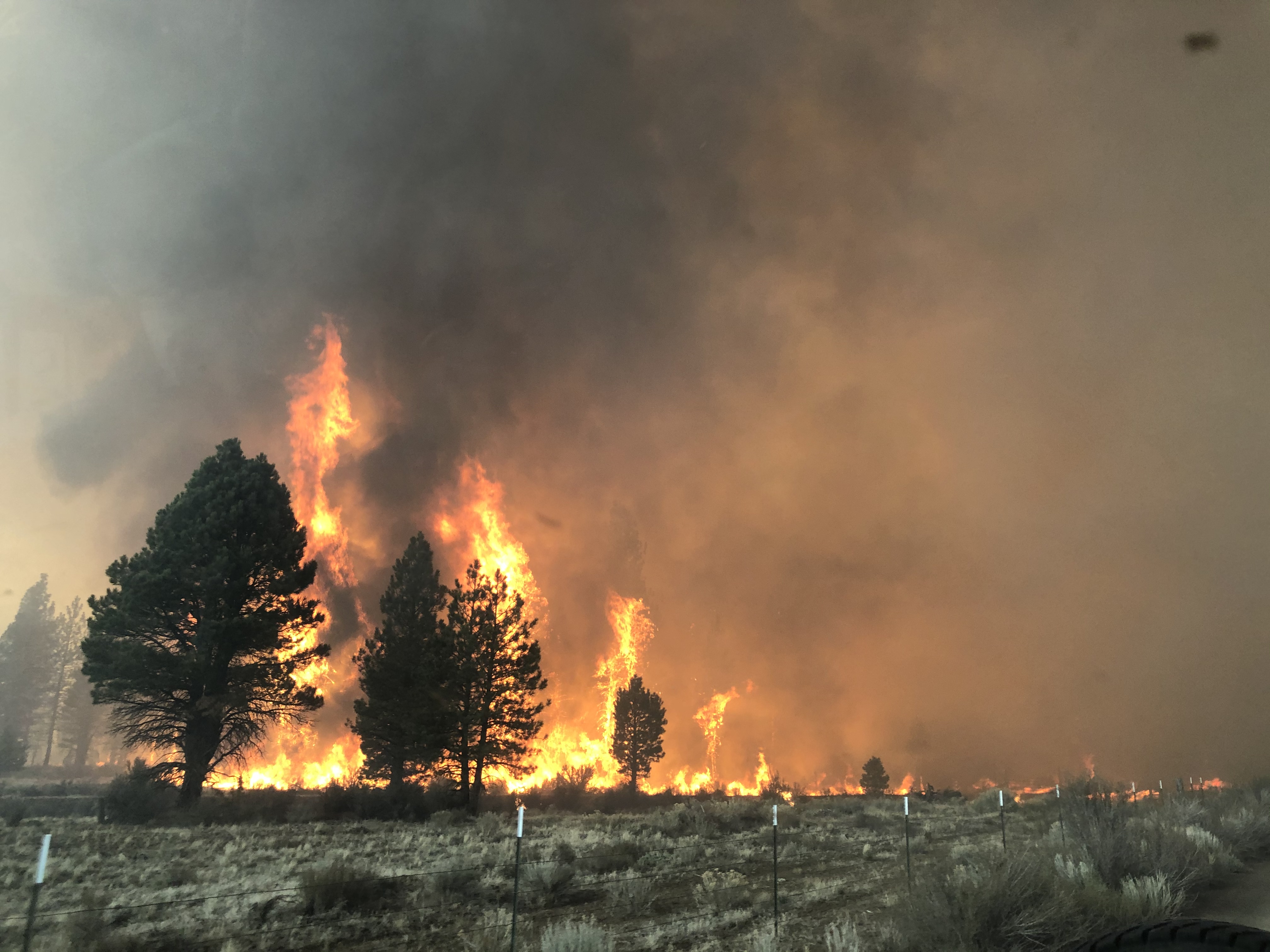
Minimizing Your Risk
- Campfire Safety: If campfires are permitted, always use designated fire rings, clear the area around the fire, never leave a fire unattended, and ensure it is completely out and cold before leaving.
- Vehicle Use: Avoid parking or driving vehicles in dry grassy areas, as hot exhaust systems can ignite vegetation.
- Debris Burning: If permitted, ensure you have the necessary permits and follow all regulations for debris burning on private property.
- Reporting Fires: If you see a potential wildfire, report it immediately by calling 911 or the ODF fire reporting number. Provide as much detail as possible about the location and the nature of the fire.
By staying informed, being flexible, and practicing fire safety, travelers can continue to enjoy the unparalleled natural beauty of Oregon, from its lush western forests to its starkly beautiful eastern landscapes, even during fire season. The resilience of the natural environment, coupled with the preparedness of visitors, ensures that the allure of the Pacific Northwest remains accessible and awe-inspiring.
LifeOutOfTheBox is a participant in the Amazon Services LLC Associates Program, an affiliate advertising program designed to provide a means for sites to earn advertising fees by advertising and linking to Amazon.com. Amazon, the Amazon logo, AmazonSupply, and the AmazonSupply logo are trademarks of Amazon.com, Inc. or its affiliates. As an Amazon Associate we earn affiliate commissions from qualifying purchases.