
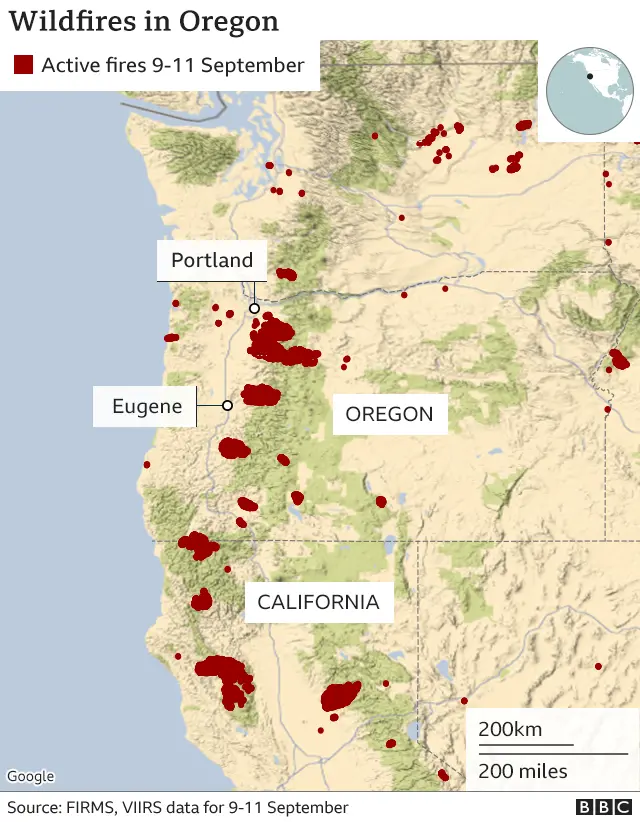
Oregon, a state renowned for its breathtaking natural beauty, from the rugged coastline of the Pacific Ocean to the majestic peaks of the Cascade Mountains, is unfortunately no stranger to the impact of wildfires. While the allure of destinations like Crater Lake National Park and the vibrant city of Portland draws millions of visitors annually, understanding the landscape and its potential for fire is crucial for responsible travel. This article aims to shed light on the current situation and historical context of fires in Oregon, focusing on how it impacts potential travel experiences and the management of these precious natural resources.
Understanding Wildfire Dynamics in Oregon
Wildfires are a natural, albeit sometimes destructive, part of many ecosystems, including those found in Oregon. The state’s diverse geography, ranging from the damp forests of the west to the drier, shrub-steppe environments east of the Cascades, creates varying fire behaviors and risks. Understanding these dynamics is key to appreciating the challenges faced by fire management agencies and the potential implications for travelers.
Seasonal Patterns and Contributing Factors
Oregon’s fire season typically kicks off in the summer months and can extend into the fall. Several factors contribute to the increased risk:
- Dry Vegetation: During the dry summer months, grasses, shrubs, and trees become highly flammable. This is exacerbated by prolonged periods of low rainfall and high temperatures.
- High Temperatures and Low Humidity: Hot, dry weather creates ideal conditions for fires to ignite and spread rapidly. Low humidity means that fuels dry out more quickly and intensely.
- Wind: Strong winds can fan flames, accelerate fire growth, and carry embers to new locations, leading to the rapid expansion of fire perimeters. This is particularly concerning in rugged terrain where fire can move upslope with increased speed.
- Lightning: Natural ignitions from lightning strikes are a significant cause of wildfires, especially in remote, forested areas.
- Human Activity: Unfortunately, human-caused ignitions, such as unattended campfires, discarded cigarettes, and equipment malfunctions, are also a frequent source of wildfires. Awareness and adherence to fire restrictions are paramount.
Geographic Hotspots and Vulnerable Areas
While fires can occur throughout Oregon, certain regions are historically more susceptible due to their climatic and vegetative characteristics:
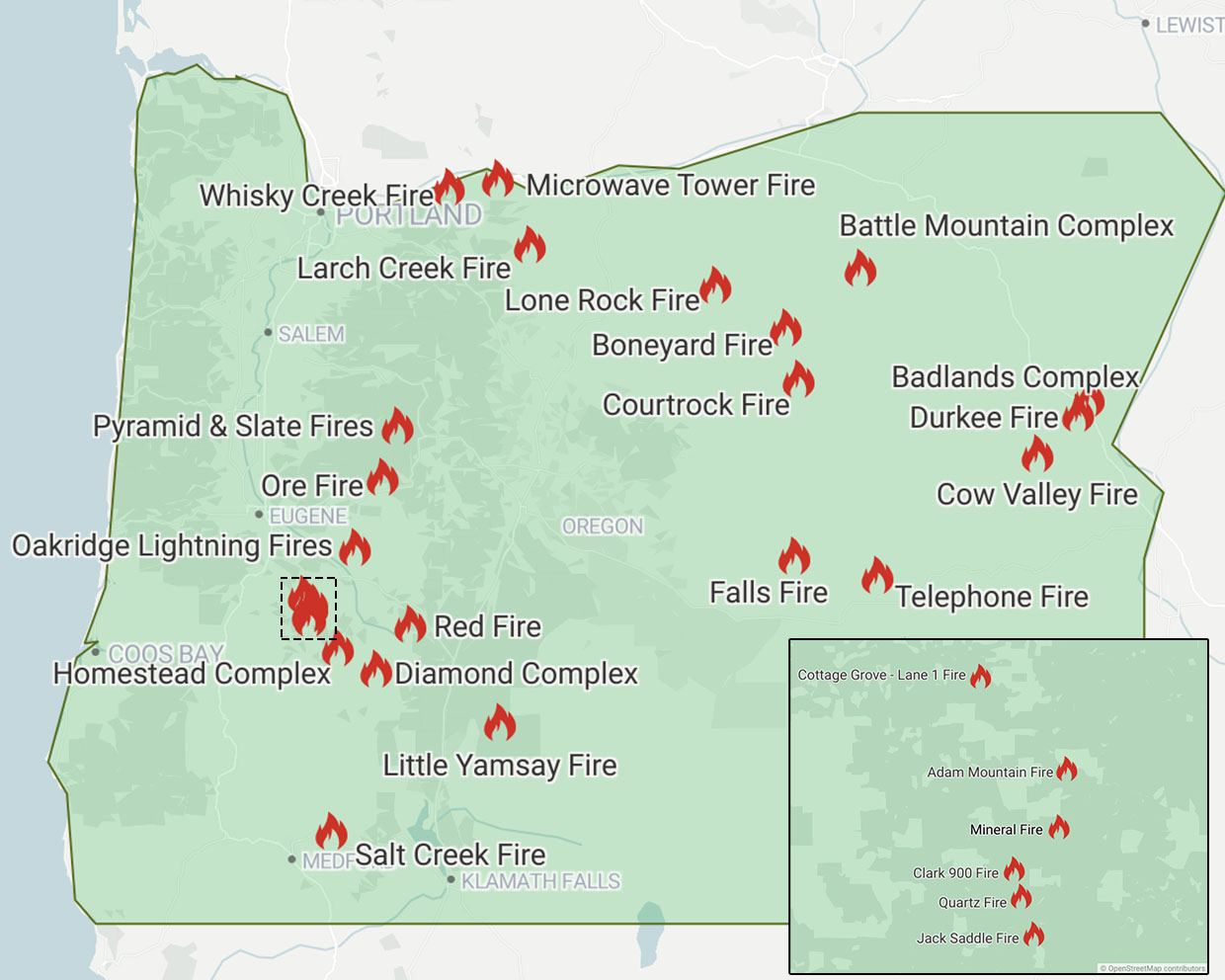
- Southern Oregon: This region, encompassing areas like the Rogue Valley, experiences hotter and drier summers, making it prone to significant wildfire activity. Destinations such as the Siskiyou-Rogue National Forest are often impacted.
- Central Oregon: The drier, more arid climate east of the Cascades, including areas around Bend and the Ochoco National Forest, is characterized by shrublands and Ponderosa pine forests that can burn intensely.
- Eastern Oregon: Similar to Central Oregon, the vast expanses of Eastern Oregon, with their dry grasslands and forests, are vulnerable to large fire events, especially during prolonged drought conditions.
- Western Oregon Forests: While typically wetter, the large expanses of Douglas fir and other coniferous forests in Western Oregon, particularly during extended dry spells or heatwaves, can also experience significant wildfires. This includes areas near the Oregon Coast Range and the western slopes of the Cascades.
Monitoring and Information Resources for Travelers
Staying informed about wildfire activity is essential for anyone planning to visit or travel through Oregon. Local and state agencies provide real-time updates and essential safety information to help the public make informed decisions.
Official Sources of Information
- Oregon Department of Forestry (ODF): The ODF is a primary source for fire information, including current fire maps, restrictions, and public safety alerts. Their website is an invaluable resource for understanding the wildfire situation across the state.
- InciWeb: This interagency all-risk incident information management system provides detailed information on major wildfires across the United States, including Oregon. It often includes incident maps, daily updates, and contact information for incident management teams.
- Local Fire Departments and Sheriff’s Offices: For localized information, especially regarding evacuations or immediate threats, monitoring the websites and social media of local emergency services in the specific area you plan to visit is highly recommended.
- National Weather Service (NWS): The NWS provides crucial weather forecasts that can indicate increased fire danger, such as high temperatures, low humidity, and wind advisories.
Understanding Fire Alerts and Restrictions
When traveling in or around areas experiencing wildfire activity, it’s crucial to understand the different types of alerts and restrictions:
- Red Flag Warnings: Issued by the NWS, these indicate that critical fire weather conditions are expected, meaning fires could start and spread rapidly. Travel in such conditions should be avoided if possible.
- Fire Bans/Restrictions: These can range from limitations on campfires to complete bans on campfires and fireworks. Always check local regulations before making a fire.
- Evacuation Orders: If an evacuation order is issued for an area, it is imperative to leave immediately and follow the guidance of emergency personnel. This is a serious safety measure.
- Area Closures: National forests, state parks, and other public lands may be temporarily closed due to active fires or to allow fire suppression efforts to proceed unimpeded. These closures are for public safety and to aid firefighting operations.
The Impact of Fires on Oregon Tourism and Travel
Wildfires can significantly impact the travel experience in Oregon, affecting accessibility, air quality, and the overall enjoyment of natural attractions. However, with careful planning and awareness, visitors can still experience the beauty of the state while respecting its natural cycles.
Accessibility and Infrastructure
- Road Closures: Active fires can lead to the closure of major highways and local roads, disrupting travel plans and potentially making certain destinations inaccessible. For example, fires in the Columbia River Gorge National Scenic Area have historically led to significant road closures, impacting access to popular waterfalls and hiking trails.
- Airport Disruptions: In severe cases, wildfire smoke can lead to flight delays or cancellations at airports like Portland International Airport, due to reduced visibility.
- Service Disruptions: Accommodations, restaurants, and other tourist services in affected areas may experience temporary closures or reduced operations due to proximity to fires, evacuation orders, or staffing issues.
Air Quality Concerns
Wildfire smoke is a significant concern for public health and the travel experience.
- Health Impacts: Smoke contains particulate matter that can irritate the eyes, nose, and throat, and exacerbate respiratory conditions like asthma. During periods of heavy smoke, outdoor activities should be limited, and N95 respirators may be advisable.
- Reduced Visibility: Thick smoke can drastically reduce visibility, obscuring scenic vistas and making driving hazardous. This can diminish the enjoyment of famously scenic drives like the Historic Columbia River Highway or the views from mountain passes.
- Air Quality Index (AQI): Travelers should monitor the Air Quality Index (AQI) for their intended destinations. High AQI values indicate unhealthy air quality.
Planning Your Visit During Fire Season
While wildfires are a reality, they do not have to derail your Oregon travel plans entirely. Proactive planning is key.
- Flexibility: Be prepared to adjust your itinerary. Have backup destinations or activities in mind that are less likely to be affected by current fire activity.
- Stay Informed: Regularly check official sources for fire updates before and during your trip. This includes checking the status of national forests, state parks, and specific attractions you plan to visit.
- Consider Timing: While some areas are prone to fires throughout the summer, shoulder seasons like late spring or early fall might offer a slightly reduced risk in some regions. However, it’s crucial to research the specific climate and historical fire patterns of your desired destination.
- Support Local Businesses: If your travel plans are impacted by closures or advisories, consider supporting businesses in unaffected areas. Many communities rely heavily on tourism, and your patronage can make a significant difference.
Fire Management and Conservation Efforts
Oregon’s land management agencies are dedicated to protecting natural resources and public safety through a combination of fire prevention, suppression, and prescribed burning. Understanding these efforts provides a broader perspective on the role of fire in the landscape.
Prevention and Education
A significant focus is placed on preventing human-caused ignitions.
- Public Awareness Campaigns: Agencies conduct outreach programs to educate the public about fire safety, proper campfire management, and the importance of adhering to fire restrictions.
- Enforcement: Patrols are increased during high-risk periods to enforce fire regulations and respond to illegal fire starts.
Fire Suppression
When fires do ignite, trained professionals work tirelessly to contain and extinguish them.
- Interagency Collaboration: Firefighting efforts are a massive collaborative undertaking involving federal agencies like the U.S. Forest Service and the Bureau of Land Management, state agencies like the ODF, and local fire departments.
- Resource Deployment: This includes ground crews, aerial resources like helicopters and air tankers, and sophisticated command structures to manage large incidents.

Prescribed Fire and Forest Health
In recent years, there has been an increased emphasis on using prescribed fire as a tool for forest management.
- Ecological Benefits: Prescribed burns, conducted under carefully controlled conditions, can reduce fuel loads, prevent catastrophic wildfires, restore habitat, and promote the health of fire-adapted ecosystems.
- Restoration of Natural Fire Regimes: For many Oregon ecosystems, fire has historically played a crucial role in their natural cycles. Prescribed fire helps to reintroduce this natural process in a controlled manner.
By understanding the complex interplay between natural conditions, human activity, and management strategies, travelers can gain a deeper appreciation for the challenges and resilience of Oregon’s natural landscapes. Staying informed and practicing responsible travel habits ensures that these iconic destinations can be enjoyed for generations to come.
LifeOutOfTheBox is a participant in the Amazon Services LLC Associates Program, an affiliate advertising program designed to provide a means for sites to earn advertising fees by advertising and linking to Amazon.com. Amazon, the Amazon logo, AmazonSupply, and the AmazonSupply logo are trademarks of Amazon.com, Inc. or its affiliates. As an Amazon Associate we earn affiliate commissions from qualifying purchases.