
For both seasoned hunters and those dreaming of their first Texas deer hunt, understanding the state’s intricate deer hunting seasons is paramount. Far more than just a date on the calendar, the end of deer season in Texas marks the conclusion of a significant annual tradition, a period of profound connection with nature, and a substantial economic and cultural event. Texas, a state renowned for its vast landscapes and rich wildlife, offers a diverse array of hunting opportunities, primarily targeting white-tailed deer and, in certain regions, mule deer. The closing dates are not universal; they fluctuate based on the specific hunting zone, the chosen weapon, and even the type of deer being pursued. Typically, the general white-tailed deer season concludes in early to late January, with some special late seasons extending into early February. However, delving into the specifics reveals a meticulously planned framework designed to ensure sustainable wildlife management while providing ample opportunity for hunters.

Beyond the regulatory dates, the deer season in Texas ignites a vibrant ecosystem of travel, tourism, and lifestyle experiences. Hunters and their companions flock to various destinations across the state, from the rugged expanses of South Texas to the rolling hills of the Hill Country and the dense forests of East Texas. This influx creates a demand for diverse accommodations, ranging from rustic cabins and hunting lodges to luxurious resorts and charming boutique hotels. The experience extends beyond the hunt itself, offering a chance to explore local culture, savor authentic Texan cuisine, and engage in a variety of recreational activities. For many, a deer hunting trip to Texas is not merely about harvesting an animal, but about immersing oneself in the unique Texan spirit and creating lasting memories amidst its iconic landscapes.
Decoding Texas Deer Hunting Seasons: Your Essential Guide
Understanding the precise end dates for deer season in Texas requires a close look at the detailed regulations set forth by the Texas Parks and Wildlife Department (TPWD). These regulations are designed to manage deer populations effectively, promote healthy herds, and provide equitable opportunities for hunters. The state is divided into specific zones, each with its own set of dates and rules, primarily for white-tailed deer, which are the most commonly hunted species.
The Rhythms of the Hunt: Archery, General, and Special Seasons
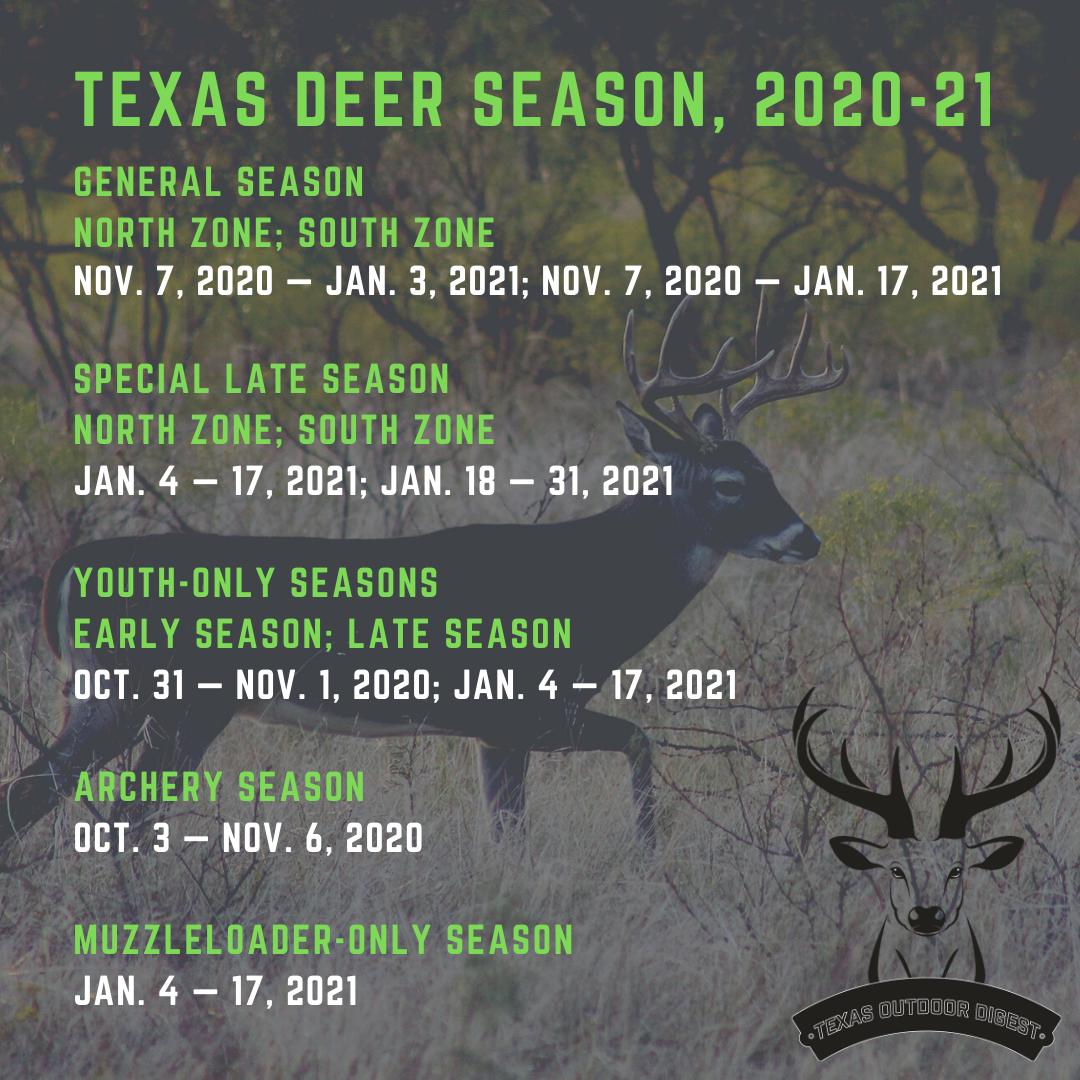
The deer hunting calendar in Texas typically kicks off with the Archery Season, a specialized period for bowhunters. This season usually begins in early October and runs through the first weekend of November. It offers a unique challenge and a chance to experience the solitude of the woods before the general rifle season opens. For those who prefer the quiet precision of a bow, this early window provides an excellent opportunity to connect with nature and pursue deer in a less crowded environment. The milder autumn weather during October and early November also adds to the appeal, making it a comfortable time for extended stays in hunting camps or lodges.
The most anticipated period for the majority of hunters is the General Season, which is divided into a North Zone and a South Zone for white-tailed deer. The precise delineation between these zones runs through the middle of the state, roughly following certain highway systems.
- North Zone: For counties in the North Zone, the general season typically commences on the first weekend of November and concludes on the first Sunday of January. This means hunters in areas like the Panhandle, Central Texas, and much of East Texas have a robust two-month window to pursue white-tailed deer. Popular hunting destinations in this zone include regions around San Angelo and Brady, where private ranches offer extensive hunting experiences.
- South Zone: The South Zone, encompassing the legendary South Texas brush country known for its trophy bucks, also opens on the first weekend of November but extends significantly longer, typically closing on the third Sunday of January. This extended season provides hunters with more flexibility, allowing them to capitalize on cooler weather and the late-season rut. Towns like Laredo, Cotulla, and Carrizo Springs become bustling hubs during this peak time, with hunters seeking out prime hunting grounds and expert outfitters.

Following the general season, many counties in Texas offer a Special Late Season for white-tailed deer, exclusively for specific weapons like archery or muzzleloaders, or for antlerless deer only. This season typically runs from mid-January into the first week or two of February, providing a final opportunity for hunters. Muzzleloader Season, specifically for white-tailed deer, often coincides with or is immediately after the General Season in certain counties, typically lasting for about two weeks in January. Additionally, Texas prioritizes youth involvement through special Youth-Only Seasons, usually held over a weekend in late October and another in early January, allowing young hunters (16 years or younger) a unique and less pressured hunting experience under adult supervision.
For mule deer, found predominantly in the Trans-Pecos and Panhandle regions, the season is much shorter, typically running for approximately two weeks in late November. It’s imperative for all hunters to consult the current year’s Texas Parks and Wildlife Department Outdoor Annual for the most accurate and up-to-date dates, as they can shift slightly each year.
Navigating Regulations: Licenses, Tags, and Bag Limits
Participation in Texas deer hunting requires strict adherence to regulations, which are crucial for conservation and ethical hunting practices. All hunters, regardless of age, must possess a valid Texas hunting license. Residents and non-residents have different license requirements and associated fees, but both provide access to the state’s hunting opportunities. Obtaining a license is often the first step in planning a hunting trip, and it can be done online through the TPWD website, at most sporting goods stores, or at licensed vendors across the state.
Crucially, each license comes with specific deer tags. These tags must be properly filled out and attached to the harvested deer immediately after the kill. Hunters are also required to report their harvest to the TPWD within 24 hours of returning from the hunt or leaving the property where the animal was harvested. This data is vital for wildlife biologists to monitor deer populations, track harvest rates, and make informed decisions regarding future season structures.
Bag limits specify the maximum number of deer a hunter can harvest during a season. For white-tailed deer, the statewide bag limit is generally five deer, no more than two of which may be bucks, and only one of those bucks may have an antler inside spread of 13 inches or greater (in counties with antler restrictions). Mule deer bag limits are typically one buck per season. It’s essential to understand that these limits can vary by county, particularly concerning antler restrictions. Certain counties in Texas enforce antler restrictions to allow younger bucks to mature, aiming to improve herd quality over time. These regulations are particularly important for hunters planning their trips, as they can influence which areas they choose to hunt and what kind of deer they can pursue. Familiarity with these rules ensures a legal and responsible hunting experience, contributing to the long-term health of Texas’ cherished deer populations.
Beyond the Thrill of the Chase: Crafting a Memorable Texas Hunting Trip
A deer hunting trip to Texas is often much more than just the hunt itself; it’s an opportunity for an immersive travel experience that blends outdoor adventure with local culture, exquisite cuisine, and comfortable accommodations. The state’s diverse geography means that hunting expeditions can be tailored to various preferences, from rugged, DIY adventures to luxurious, all-inclusive retreats. Planning the perfect trip involves considering prime hunting grounds and finding suitable places to stay, alongside exploring the myriad attractions that Texas offers.
Premier Hunting Grounds and Their Accommodations
Texas boasts several regions celebrated for their deer hunting, each offering distinct landscapes and types of experiences:
-
The Iconic Hill Country Havens: Nestled in the heart of Texas, the Hill Country is famous for its picturesque rolling hills, clear spring-fed rivers, and a robust white-tailed deer population. Cities like Fredericksburg, Kerrville, and Mason serve as excellent bases for hunters. Fredericksburg, with its German heritage, offers charming boutique hotels and delightful B&Bs, perfect for non-hunting companions who might prefer wine tasting or shopping. Many local ranches in the Hill Country provide guided hunts alongside comfortable lodging, such as the fictional yet plausible Deer Creek Ranch Resort, where guests can enjoy both the thrill of the hunt and serene natural surroundings. The blend of rugged hunting and refined amenities makes the Hill Country a favored destination for both avid hunters and their families.
-
South Texas Grandeur: The Brush Country: For those pursuing trophy white-tailed bucks, South Texas is often considered the holy grail. Its dense brush and unique habitat contribute to the growth of impressive antlers. Towns such as Laredo, Cotulla, and Carrizo Springs are central to this prime hunting region. Here, the accommodation landscape often leans towards luxury hunting lodges and expansive private ranches. These establishments, like the exemplary Lone Star Hunting Lodge, often offer all-inclusive packages that include expert guides, gourmet meals, comfortable suites, and even game processing services. This region caters to a high-end clientele looking for a premium hunting experience, emphasizing comfort and meticulous planning.
-
East Texas Piney Woods: A Forested Retreat: The eastern part of Texas, characterized by its dense pine forests and rolling terrain, offers a distinct hunting environment. Cities like Nacogdoches, Tyler, and Athens provide access to hunting areas within or adjacent to the Davy Crockett National Forest and the Sam Houston National Forest. Public land hunting opportunities are more prevalent here, appealing to hunters seeking a more budget-friendly or self-sufficient experience. Accommodation options typically include rustic cabins, local hotels, and motels that cater to outdoor enthusiasts. It’s an ideal choice for those who appreciate the quiet solitude of the forest and a more traditional, hands-on approach to their hunting trip.
Unveiling Texas Culture and Attractions Beyond the Hunt
While deer hunting is the primary draw, a complete Texas experience should encompass the state’s vibrant culture and diverse attractions. This ensures that even non-hunting family members or those looking for post-hunt relaxation have plenty to enjoy.
-
Culinary Adventures: Texas is a foodie paradise, particularly renowned for its BBQ and Tex-Mex cuisine. After a day in the field, there’s nothing quite like indulging in slow-smoked brisket, tender ribs, or flavorful enchiladas. Many small towns near hunting areas boast authentic, family-run diners and restaurants that offer a true taste of Texan hospitality. Beyond these staples, the state also offers sophisticated steakhouses and farm-to-table establishments, especially in regions like the Hill Country with its burgeoning culinary scene. Don’t forget to sample local delicacies like fresh peach or pecan pies, particularly delightful in towns like Fredericksburg.
-
Historical Exploration: Texas’ history is as vast as its landscapes. Hunters can easily integrate visits to iconic landmarks and historic sites into their itineraries. While The Alamo in San Antonio might be a bit of a drive from many hunting camps, its significance makes it a worthwhile stop for a longer trip. Smaller towns often feature well-preserved historic downtowns, museums, and battlefields that tell the stories of Texas’ journey from a frontier territory to a vibrant state. Exploring these sites offers a deeper appreciation for the land and its heritage.
-
Nature and Outdoor Pursuits: Even outside of hunting hours, Texas offers abundant outdoor activities. Many state parks are open year-round, providing opportunities for hiking, fishing, birdwatching, and camping. The Hill Country is dotted with wineries that offer tours and tastings, making for a pleasant cultural experience. Rivers like the Guadalupe River are popular for fishing and, during warmer periods, tubing. For those willing to travel a bit further, the stunning coastal beauty of Padre Island National Seashore offers a stark contrast to the inland hunting grounds, with miles of undeveloped beach ideal for fishing, birding, and shell collecting. This diverse range of attractions ensures that every member of a hunting party can find something to enjoy, making the trip truly unforgettable.
The Broader Impact: Lifestyle, Conservation, and Texas’ Enduring Legacy
Deer season in Texas is more than just a regulatory period; it’s a significant lifestyle choice for many, a major economic driver for rural communities, and a cornerstone of the state’s long-standing conservation efforts. The broad appeal of hunting means experiences can be tailored to various budgets and preferences, reinforcing its deep roots in the Texan identity.
Tailoring Your Experience: From Luxury Retreats to Budget-Friendly Expeditions
The Texas deer hunting experience offers a wide spectrum of options, catering to virtually every type of traveler and hunter. At one end of the scale are the luxury hunting lodges and all-inclusive resorts, often found in South Texas or the exclusive Hill Country ranches. These establishments provide opulent accommodation with gourmet meals, professional guides, full game processing services, and often additional amenities like spas, golf courses, or shooting ranges. They are designed for those seeking a premium, hassle-free hunting experience, perfect for corporate retreats or luxury travel where every detail is managed.
Conversely, Texas also embraces the spirit of budget-friendly expeditions. Public hunting lands, accessible through programs like the TPWD Annual Public Hunting Permit, allow hunters to pursue deer on a smaller budget. These trips often involve DIY camping or staying in more basic accommodations in nearby towns. Such trips appeal to hunters who enjoy the challenge of scouting, tracking, and the self-reliance of a more traditional hunting adventure. Furthermore, many family-focused hunts utilize youth-only seasons or public land opportunities, fostering a love for the outdoors in the next generation. This versatility ensures that deer hunting remains an accessible and cherished lifestyle for a broad demographic.
Deer Season’s Vital Role in Texas’ Economy and Wildlife Stewardship
The impact of deer season on Texas’ economy is profound. Annually, hunting generates billions of dollars in economic activity, providing a crucial economic stimulus for rural areas that might otherwise struggle. This includes direct spending on hunting licenses, gear, ammunition, and specialized clothing, as well as significant expenditures on travel, accommodation, food, and services from local businesses. From gas stations and grocery stores to hotels and restaurants, communities surrounding popular hunting zones see a surge in business, supporting countless jobs and local economies. Ranchers and landowners also benefit significantly through lease fees, which provide a vital source of income.
Beyond the immediate economic benefits, deer hunting plays an indispensable role in wildlife management and conservation across Texas. The funds generated from hunting license sales and related fees directly support the Texas Parks and Wildlife Department‘s conservation programs. These programs include habitat restoration, research, law enforcement, and efforts to control disease and manage predator populations, all of which contribute to the health and sustainability of deer herds and other wildlife. Hunters, through their financial contributions and active participation, are often the most dedicated stewards of the land. They provide critical data through harvest reporting and are keenly invested in maintaining thriving deer populations for future generations. This partnership between hunters, landowners, and conservation agencies underscores the enduring legacy of deer hunting in Texas – a tradition that blends sport with responsibility, passion with preservation.
Planning Your Next Texas Deer Adventure
The question “When does deer season end in Texas?” reveals a much broader narrative than simple dates. It opens a window into a world of rich Texan traditions, diverse travel opportunities, and significant conservation efforts. Whether you’re planning an archery hunt in October or a late-season general hunt in January, the key to a successful and enjoyable experience lies in meticulous planning. Always consult the most current Texas Parks and Wildlife Department Outdoor Annual for precise dates and regulations for your chosen zone and weapon.
Beyond the regulatory framework, consider the full scope of your trip: where will you stay, what local delicacies will you savor, and what unique Texan landmarks or attractions will you explore? From the upscale hunting lodges of South Texas to the rustic charm of Hill Country B&Bs, Texas offers an unparalleled blend of outdoor adventure and cultural immersion. Embrace the opportunity to create memories, forge new connections, and become a part of the vibrant Texan hunting legacy. Your next great Texas deer adventure awaits, promising both the thrill of the chase and the comfort of true Texan hospitality.
LifeOutOfTheBox is a participant in the Amazon Services LLC Associates Program, an affiliate advertising program designed to provide a means for sites to earn advertising fees by advertising and linking to Amazon.com. Amazon, the Amazon logo, AmazonSupply, and the AmazonSupply logo are trademarks of Amazon.com, Inc. or its affiliates. As an Amazon Associate we earn affiliate commissions from qualifying purchases.