
The iconic silhouette of Orlando, Florida, is synonymous with sun-drenched days spent exploring world-class theme parks, vibrant entertainment districts, and lush natural landscapes. However, the Sunshine State’s subtropical climate, while largely agreeable, is also prone to periods of intense rainfall and, yes, occasional flooding. For travelers planning a visit to this bustling tourist mecca, understanding the potential for wet weather and how it might impact their Orlando adventure is crucial for a smooth and enjoyable experience. This guide delves into the realities of flooding in Orlando, offering insights for tourists to navigate the challenges and still make the most of their trip.
Understanding Orlando’s Climate and Flood Risks
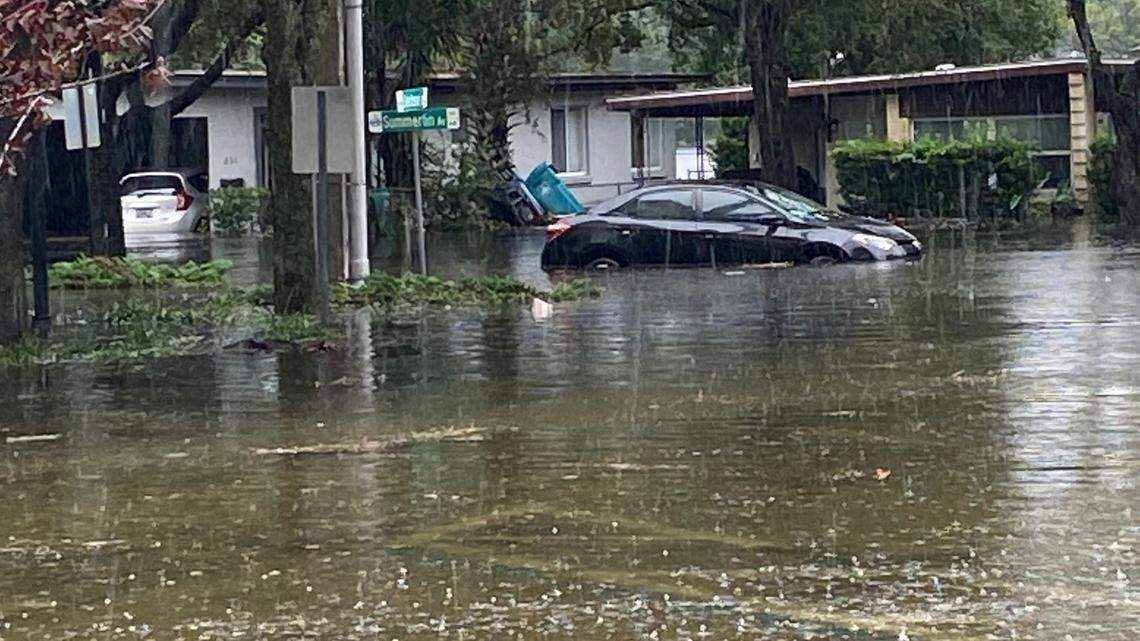
Orlando experiences a tropical rainforest climate, characterized by hot, humid summers and mild winters. The most significant rainfall typically occurs during the summer months, from June through September, often in the form of intense, short-lived thunderstorms. These afternoon downpours can be dramatic, bringing heavy rain, lightning, and gusty winds. While often localized and brief, they can sometimes lead to temporary street flooding, particularly in low-lying areas or those with inadequate drainage.
Beyond these seasonal thunderstorms, Orlando is also susceptible to tropical weather systems. Hurricanes and tropical storms, though less frequent, pose a more significant threat, bringing widespread and prolonged heavy rainfall, strong winds, and the potential for significant flooding across the region. Coastal areas are particularly vulnerable to storm surge, but inland areas like Orlando can experience substantial flooding from torrential rain and swollen rivers.
Types of Flooding in Orlando
- Flash Floods: These are the most common type of flooding experienced in Orlando during the summer months. Triggered by intense thunderstorms, flash floods can occur rapidly, overwhelming drainage systems and causing water levels to rise quickly on roads and in low-lying areas. While they are usually short-lived, they can disrupt traffic and temporarily impact access to attractions.
- Riverine Floods: While Orlando is not directly on the coast, the extensive network of rivers and lakes in Central Florida can become inundated during prolonged periods of heavy rainfall, often exacerbated by tropical storm activity. The St. Johns River basin, for example, can experience significant rises, potentially affecting areas downstream or those adjacent to its tributaries.
- Storm Surge Flooding: This type of flooding is primarily a concern during hurricanes making landfall on Florida’s coasts. While Orlando is inland, it can still experience some effects from storm surge if a powerful storm travels across the peninsula, contributing to overall rainfall and potential inland flooding.
Factors Contributing to Flood Susceptibility
Orlando‘s flat topography and its extensive network of lakes, wetlands, and drainage canals mean that water can accumulate readily. The rapid development of the region, while contributing to its appeal, has also altered natural drainage patterns in some areas. Furthermore, during peak tourist seasons, an increased number of vehicles on the roads can exacerbate traffic disruptions caused by temporary flooding.
Impact on Tourist Experiences
While the thought of flooding can be concerning for travelers, it’s important to maintain perspective. Orlando‘s tourism infrastructure is remarkably resilient, and most businesses and attractions are well-prepared to manage the impacts of typical weather events. However, understanding potential disruptions can help visitors adjust their plans.
Theme Park Operations
Walt Disney World Resort, Universal Orlando Resort, SeaWorld Orlando, and other major theme parks have robust contingency plans for inclement weather. During typical summer thunderstorms, parks often remain open. Rides may temporarily close due to lightning or high winds but usually resume operation once conditions improve. Heavy rainfall might lead to a more subdued atmosphere, with fewer crowds opting for outdoor attractions, but indoor shows, dining, and shops remain available.
In the event of a more severe weather system, such as a hurricane, parks may issue advisories, offer waivers for ticket changes, or even close temporarily for the safety of guests and Cast Members. It is always advisable to monitor official park communications for the most up-to-date information regarding operational status.
Transportation and Getting Around
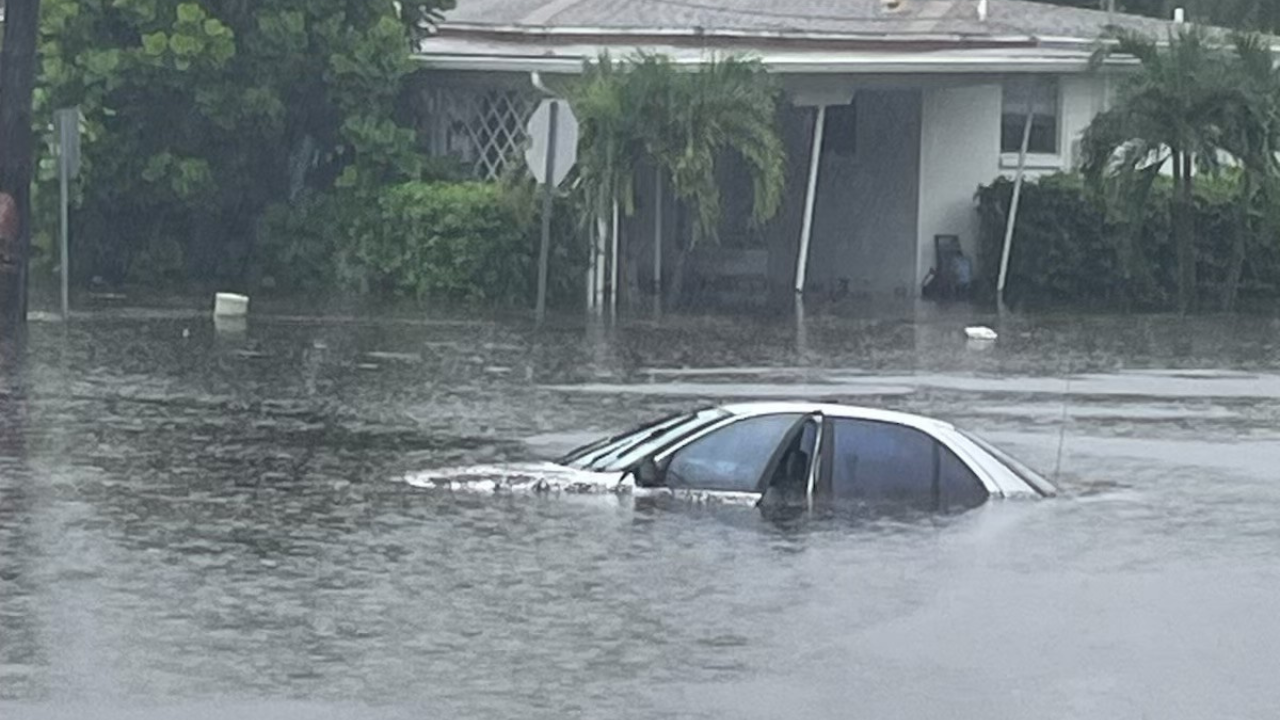
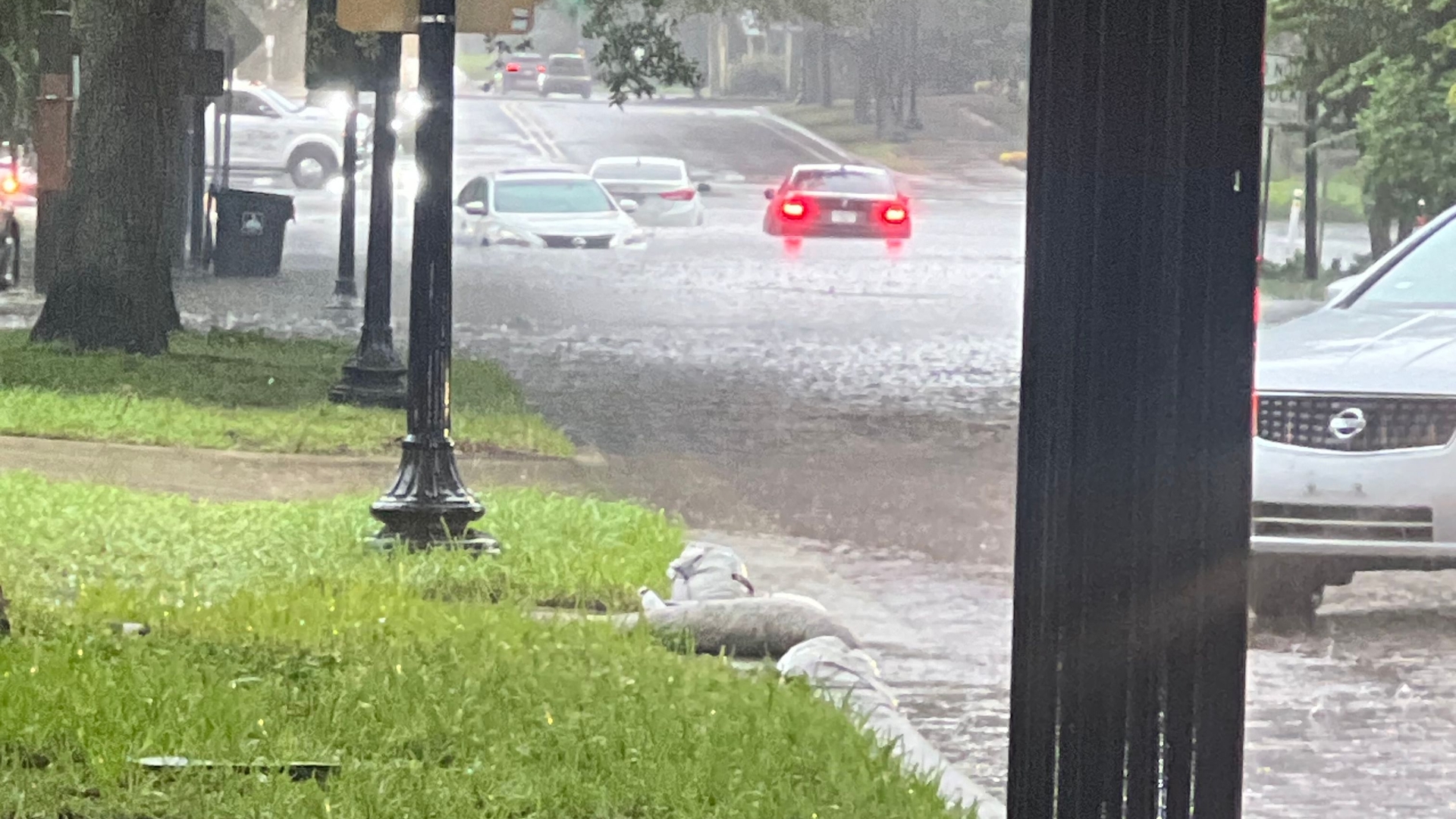
Heavy rainfall can impact road conditions in Orlando. Major roadways like International Drive, State Road 528 (Beachline Expressway), and State Road 417 (Central Florida GreeneWay) can experience temporary flooding, leading to traffic delays. Rental car agencies and transportation services are accustomed to these conditions and usually adapt their operations accordingly.
- Ride-Sharing Services: Services like Uber and Lyft operate throughout Orlando and can be a convenient option, though availability might be affected during peak storm periods.
- Public Transportation: Lynx buses provide public transportation services in Orlando, and while routes may be adjusted due to flooding, they generally continue to operate.
- Airport Operations: Orlando International Airport (MCO) is designed to withstand severe weather. While flights can be delayed or canceled during widespread storm systems impacting air travel across the region, the airport itself is equipped to handle significant rainfall.
Accommodation and Activities
Most hotels, resorts, and vacation rentals in Orlando are built to withstand Florida’s climate. While basement-level parking or ground-floor rooms in very low-lying areas might be more susceptible to minor water ingress during extreme events, the vast majority of accommodations are not significantly impacted by typical rainfall. Many resorts offer indoor amenities, pools covered by canopies, and sheltered common areas that provide refuge during downpours.
For activities outside the theme parks, such as visiting the Kennedy Space Center Visitor Complex or exploring areas like Winter Park, it’s wise to check their operational status and advisories if severe weather is forecasted. Many indoor attractions, museums, and dining experiences in Orlando offer excellent alternatives during rainy periods.
Preparing for and Mitigating the Impact of Flooding
While you cannot control the weather, you can certainly prepare for it. Proactive planning can significantly mitigate any potential disruptions caused by rain or flooding during your Orlando vacation.
Pre-Trip Planning and Monitoring
- Check the Forecast: In the days leading up to and during your trip, regularly check reliable weather forecasts for Orlando. Pay attention to the probability of precipitation and any severe weather advisories.
- Travel Insurance: Consider purchasing travel insurance that covers weather-related cancellations or disruptions. This can provide peace of mind and financial protection if your trip is significantly impacted.
- Flexible Itinerary: Build some flexibility into your itinerary. Having backup indoor activities or alternative plans can turn a rainy day into a productive one.
- Monitor Official Advisories: Keep an eye on advisories from Orange County emergency management, the National Weather Service, and your chosen theme parks or attractions.
During Your Visit
- Stay Informed: Utilize weather apps on your smartphone and pay attention to local news broadcasts for real-time updates on weather conditions and potential flooding.
- Heed Warning Signs: If you encounter flooded areas, do not attempt to drive or walk through them. “Turn around, don’t drown” is a critical safety message. Water depth can be deceptive, and even a few inches of moving water can sweep a vehicle away.
- Seek Shelter: During thunderstorms, avoid open areas and seek sturdy shelter indoors or in a vehicle.
- Pack Appropriately: Lightweight, waterproof rain gear, including a poncho or umbrella, is essential for navigating Orlando‘s frequent showers. Waterproof footwear can also be a lifesaver.
- Protect Valuables: Keep electronics and important documents in waterproof bags or cases.
- Utilize Resort Amenities: If your accommodation offers indoor pools, spas, arcades, or movie lounges, these can be excellent ways to spend time during heavy rain.
Beyond the Rain: Embracing Orlando’s Resilience
Orlando is a city that thrives on its ability to entertain and enchant visitors, regardless of the weather. While flooding is a reality of Florida’s climate, it is typically a manageable aspect of a visit. The vast majority of trips to Orlando proceed without significant disruption from rainfall.
By staying informed, being prepared, and maintaining a flexible attitude, travelers can ensure that even an unexpected downpour becomes just another memorable part of their Orlando adventure. From enjoying the vibrant indoor attractions of Universal CityWalk to indulging in world-class dining or simply relaxing in the comfort of a well-appointed resort, there are always ways to make the most of your time in the Theme Park Capital, rain or shine. The spirit of Orlando is one of resilience and boundless fun, ready to welcome you with open arms, even under a sky that might be a little bit wetter than usual.
LifeOutOfTheBox is a participant in the Amazon Services LLC Associates Program, an affiliate advertising program designed to provide a means for sites to earn advertising fees by advertising and linking to Amazon.com. Amazon, the Amazon logo, AmazonSupply, and the AmazonSupply logo are trademarks of Amazon.com, Inc. or its affiliates. As an Amazon Associate we earn affiliate commissions from qualifying purchases.