
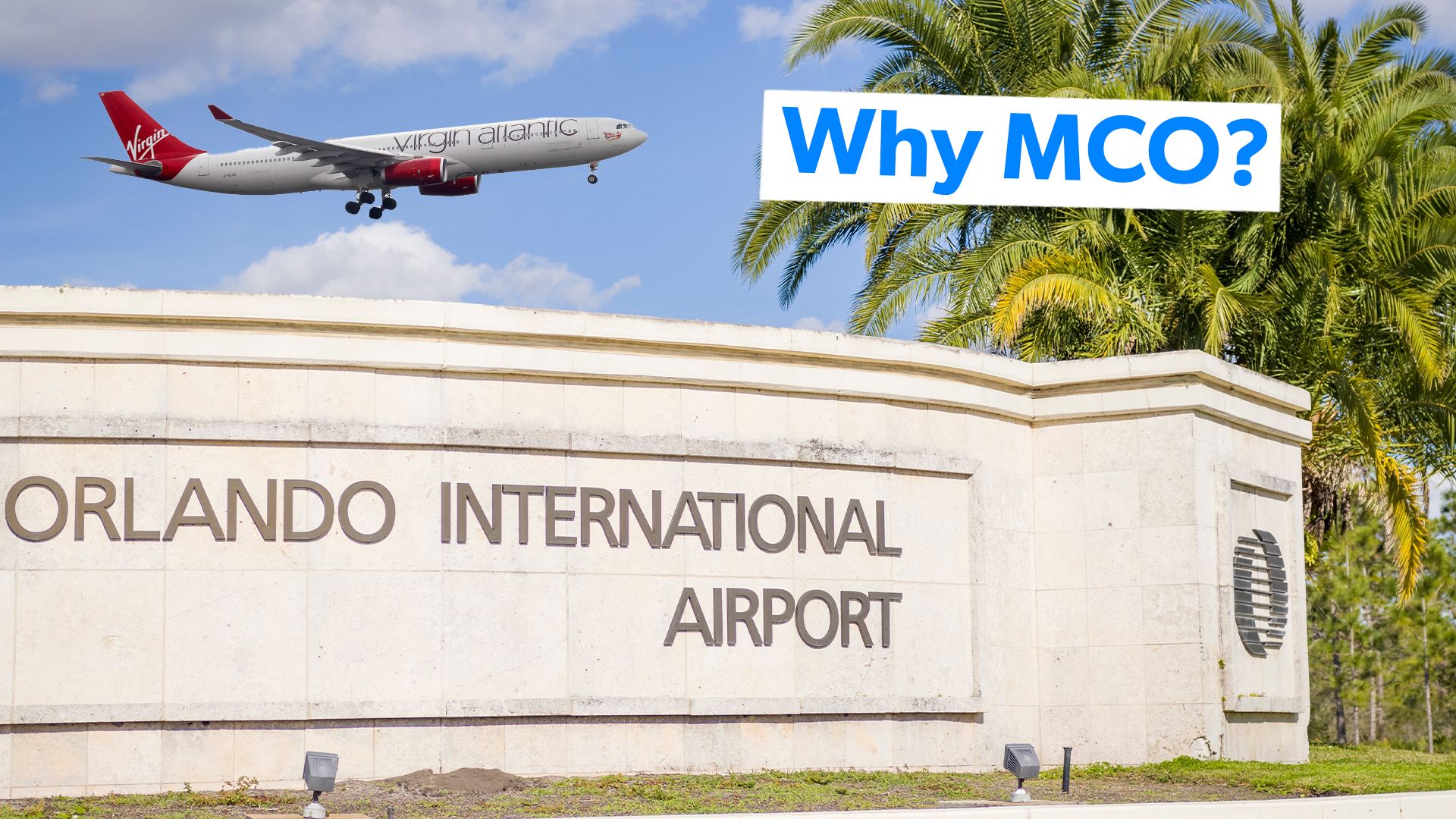
The acronym “MCO” might sound like a simple, three-letter designation, but for millions of travelers who pass through its gates each year, it represents a gateway to unforgettable Orlando experiences. While many are familiar with its function as the primary airport serving the vibrant heart of Central Florida, fewer know the origins of its unique identifier. This article delves into the history and meaning behind “MCO,” exploring its significance within the broader context of travel and the tourism industry.
The Genesis of MCO: From McCoy to International Hub
The story of MCO begins not with a grand vision of global connectivity, but with a more grounded military necessity. The land on which Orlando International Airport now stands was originally occupied by the Orlando Army Air Field during World War II. This facility played a crucial role in training pilots and aircrews for the war effort. Following the war, the airfield was deactivated and subsequently transferred to civilian control in 1947.

The airport that emerged from this military past was initially known as Orlando Municipal Airport. The three-letter identifier assigned to it at the time was MCO, derived directly from this original name. This designation was standard practice for airports worldwide, with the International Air Transport Association (IATA) assigning these codes to facilitate efficient air traffic control and ticketing.
However, the transition from a municipal airport to a major international hub was not immediate. For years, MCO served a growing but relatively modest flow of passengers. The true transformation began in the 1970s and 1980s, driven by the burgeoning appeal of Orlando as a premier vacation destination, largely propelled by the opening of Walt Disney World Resort in 1971. As visitor numbers surged, the need for a larger, more sophisticated airport became apparent.
This led to a massive expansion project, and in 1976, the airport was officially renamed Orlando International Airport to reflect its growing international aspirations. Despite the name change, the IATA code MCO remained. This persistence is a common occurrence in aviation; changing IATA codes can be a complex and costly process, often involving significant logistical challenges and potential confusion for passengers and airlines alike. Therefore, the legacy of “McCoy”—the unofficial, yet widely understood, origin of MCO, often associated with a former Air Force Base commander named Colonel Michael McCoy who had a significant role in the area’s aviation development—persists as a nod to its historical roots, even as the airport has evolved into a global gateway.
The Significance of MCO in the Travel Ecosystem
The continued use of MCO as the identifier for Orlando International Airport underscores its vital role in the global travel ecosystem. As one of the busiest airports in the United States and a major international gateway, MCO handles tens of millions of passengers annually. Its efficient operation and extensive network of airline partners are crucial for the success of Orlando as a top-tier tourist destination.
Connecting Travelers to Attractions
The primary function of MCO is to connect travelers from around the world to the myriad attractions that Orlando and its surrounding areas offer. From world-renowned theme parks like Walt Disney World Resort, Universal Orlando Resort, and SeaWorld Orlando, to its extensive convention centers and the natural beauty of the Florida landscape, MCO serves as the first point of arrival for most visitors.
The airport’s strategic location, approximately 6 miles (9.7 km) southeast of Downtown Orlando, makes it exceptionally convenient for accessing these popular destinations. Its robust infrastructure, including multiple terminals, extensive baggage handling systems, and efficient ground transportation options, is designed to accommodate the high volume of leisure and business travelers.
Facilitating Business and Event Tourism
Beyond leisure, MCO is a critical component of Orlando’s thriving business and convention tourism sector. The Orange County Convention Center, one of the largest exhibition facilities in North America, draws thousands of attendees for trade shows, conferences, and corporate events throughout the year. MCO’s direct flights from major domestic and international business hubs ensure that professionals can reach Orlando efficiently, contributing significantly to the local economy. The ease of access provided by MCO directly supports the city’s reputation as a premier destination for both work and play.
Navigating MCO: Tips for a Seamless Travel Experience
Understanding the significance of MCO is one thing; navigating its sprawling terminals is another. For travelers, a little preparation can go a long way in ensuring a smooth and stress-free journey. The airport’s continuous efforts to upgrade and expand its facilities mean that passengers can expect a modern and efficient experience, but familiarizing oneself with key aspects can enhance this further.
Ground Transportation Options
Upon arrival at MCO, travelers have a variety of ground transportation options to reach their destinations. These include:
- Rental Cars: Numerous car rental companies operate at MCO, offering a wide selection of vehicles for those who prefer the flexibility of driving themselves. Rental car facilities are conveniently located and well-signposted throughout the airport.
- Taxis and Ride-Sharing Services: Traditional taxis are readily available outside the arrival terminals. Additionally, Orlando has a strong presence of ride-sharing services like Uber and Lyft, with designated pick-up zones to streamline passenger access.
- Shuttles and Hotels: Many hotels in the Orlando area offer complimentary shuttle services for their guests. It is advisable to confirm shuttle availability and schedules with your accommodation provider in advance.
- Public Transportation: The Lynx Bus System provides bus routes connecting MCO to various parts of Orlando and Orange County. This is a budget-friendly option for those traveling independently.
- Airport Rail and Intercity Transport: While not as extensive as in some other major cities, MCO is connected to the SunRail commuter rail system, offering a link to downtown Orlando and other regional destinations. This service is particularly useful for those looking to avoid traffic congestion.
Airport Amenities and Services
Orlando International Airport is equipped with a comprehensive range of amenities designed to enhance the passenger experience. These include a wide selection of dining options, from quick-service eateries to sit-down restaurants, as well as numerous retail stores offering everything from travel essentials to souvenirs.
For passengers with longer layovers or those seeking a moment of tranquility, the airport also features several art installations and lounges. Free Wi-Fi is available throughout the terminals, allowing travelers to stay connected. Travelers with specific needs, such as those requiring assistance for disabilities or traveling with young children, will find dedicated services and facilities designed to accommodate them, ensuring a comfortable and accessible journey through MCO.
MCO’s Role in the Future of Aviation and Tourism
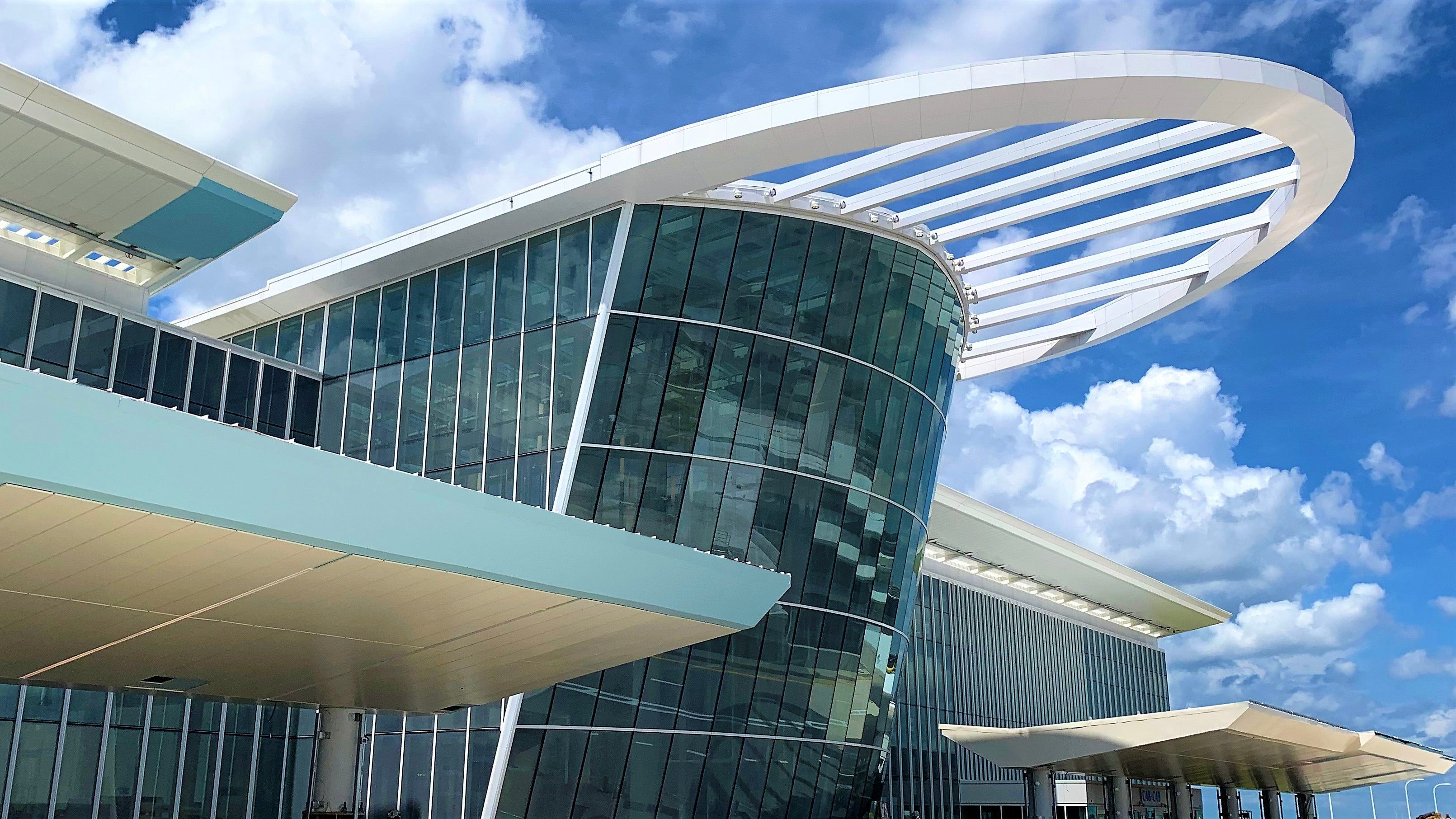
As the travel industry continues to evolve, so too does Orlando International Airport. The airport has ongoing expansion and modernization projects aimed at increasing capacity, improving efficiency, and enhancing the passenger experience. These initiatives are crucial for Orlando to maintain its position as a leading global destination.
Technological Advancements and Sustainability
MCO is increasingly incorporating technological advancements to streamline operations and improve passenger flow. This includes the implementation of advanced security screening technologies, digital signage, and improved connectivity options. Furthermore, like many leading airports, MCO is focusing on sustainability, exploring initiatives to reduce its environmental footprint through energy efficiency, waste management, and water conservation efforts. These forward-thinking strategies ensure that MCO remains a competitive and responsible hub for years to come.
Adapting to Evolving Travel Trends
The rise of new travel trends, such as the growing demand for experiential travel and the increasing importance of seamless digital integration, presents both challenges and opportunities for MCO. The airport’s ability to adapt by offering diverse transportation solutions, supporting contactless technologies, and fostering partnerships with local businesses and attractions will be key to its continued success. The familiar three-letter code, MCO, will continue to represent not just an airport, but a vital link in the chain of countless unforgettable travel memories created in Orlando.
LifeOutOfTheBox is a participant in the Amazon Services LLC Associates Program, an affiliate advertising program designed to provide a means for sites to earn advertising fees by advertising and linking to Amazon.com. Amazon, the Amazon logo, AmazonSupply, and the AmazonSupply logo are trademarks of Amazon.com, Inc. or its affiliates. As an Amazon Associate we earn affiliate commissions from qualifying purchases.