
As a premier destination for families, thrill-seekers, and those seeking a sun-drenched escape, Orlando’s allure is undeniable. However, a crucial element that shapes every visitor’s experience is the prevailing weather. Understanding the current temperature in Orlando is not merely a matter of curiosity; it’s a vital piece of information for effective planning, ensuring your trip is as comfortable and enjoyable as possible. From packing the right attire to scheduling outdoor activities and even selecting the perfect resort, the ambient temperature dictates much of what you can and will do during your stay. This guide delves into the current conditions and explores how to best navigate Orlando’s climate to maximize your vacation.

Understanding Orlando’s Climate Patterns
Orlando, situated in the heart of Florida, boasts a humid subtropical climate. This classification means the region experiences hot, humid summers and mild winters. Understanding these broad strokes is the first step in appreciating the nuances of its day-to-day weather. The city’s proximity to the coast, while not directly on the ocean, does influence its weather patterns, often bringing in moisture that contributes to its characteristic humidity.
Seasonal Temperature Variations
The most significant factor influencing the temperature in Orlando is the season. Each period of the year brings a distinct set of temperature ranges and weather phenomena.
Summer (June – August)
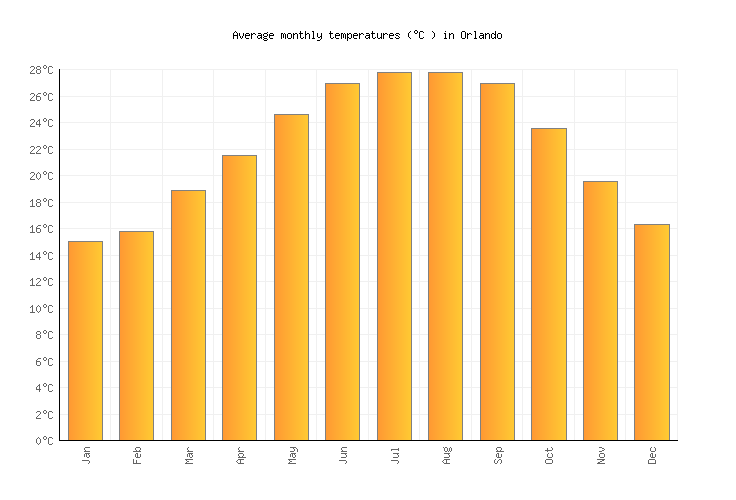
Summers in Orlando are notoriously hot and humid. Daytime temperatures frequently soar into the high 80s and low 90s Fahrenheit (around 31-33°C), with heat index values often making it feel considerably warmer. Humidity levels can exceed 70%, making the air feel thick and heavy. Afternoon thunderstorms are a daily occurrence, offering brief but intense relief from the heat, often accompanied by lightning. These storms are typically short-lived, usually passing within an hour or two.
Autumn (September – November)
As summer transitions into fall, Orlando experiences a welcome cooling trend. September can still be quite warm and humid, with temperatures in the mid-80s Fahrenheit (around 29-30°C), but by October and November, the air becomes noticeably more comfortable. Daytime temperatures often settle into the 70s Fahrenheit (21-26°C), and the humidity begins to decrease. This is generally considered one of the most pleasant times to visit the city, with cooler evenings perfect for exploring outdoor attractions.
Winter (December – February)
Orlando winters are mild, characterized by pleasant daytime temperatures that rarely dip below the 60s Fahrenheit (15-20°C). Freezing temperatures are uncommon, and snow is virtually unheard of. Evenings can be cool, sometimes dropping into the 40s Fahrenheit (4-9°C), making a light jacket or sweater a necessity. This period offers a respite from the intense heat and humidity of the summer months, making it an attractive time for visitors seeking a more temperate climate.
Spring (March – May)
Spring in Orlando is a period of transition, much like autumn. March and April typically offer increasingly warm temperatures, with averages in the 70s and low 80s Fahrenheit (21-28°C). As May arrives, the heat and humidity begin to build, foreshadowing the intense summer months ahead. Spring is also known for its blooming flowers and lush greenery, adding to the city’s scenic beauty.
Checking the Current Temperature for Immediate Planning
While understanding seasonal patterns is essential for long-term trip planning, knowing the exact temperature in Orlando right now is crucial for immediate decisions. This information directly impacts your choice of clothing for the day, your selection of activities, and even your energy levels.
Factors Influencing Real-Time Temperature
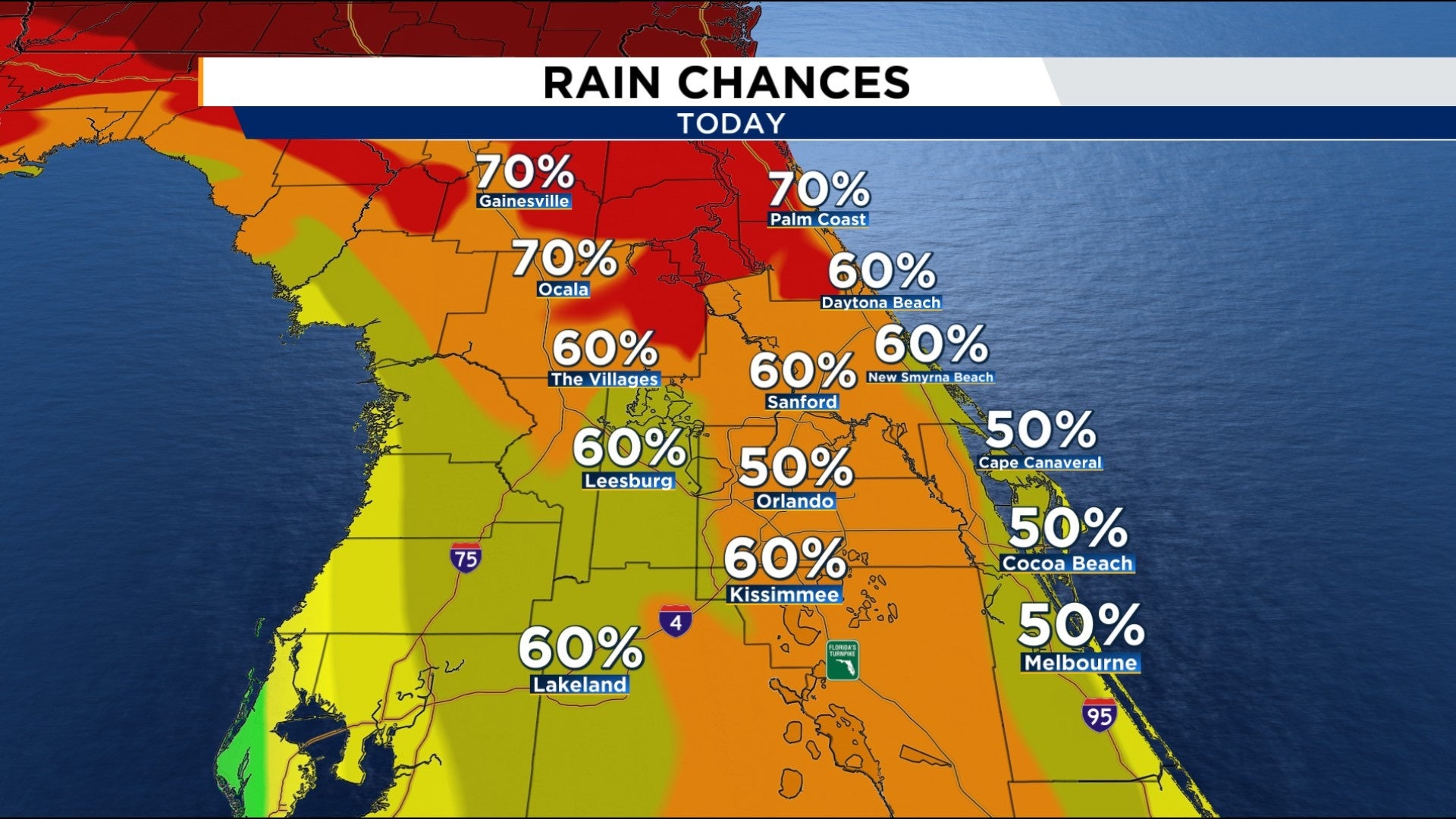
The temperature you experience in Orlando at any given moment is a dynamic interplay of several factors:
- Time of Day: Temperatures naturally fluctuate throughout a 24-hour period, peaking in the afternoon and reaching their lowest point just before sunrise.
- Cloud Cover: Clouds can moderate temperatures, keeping them cooler during the day by blocking direct sunlight and slightly warmer at night by trapping heat.
- Wind: Wind speed and direction can significantly affect the perceived temperature, making it feel cooler or warmer than the actual thermometer reading.
- Humidity: High humidity can make hot temperatures feel more oppressive and uncomfortable, while lower humidity can make cooler temperatures feel more brisk.
- Recent Weather Events: The aftermath of a rain shower or the approach of a weather system can all influence the current temperature.
Where to Find Real-Time Weather Data
Accessing accurate, up-to-the-minute weather information for Orlando is straightforward. Most modern smartphones come equipped with weather applications that provide current conditions, hourly forecasts, and extended outlooks. Additionally, numerous reputable weather websites and services offer detailed information, including:
- The National Weather Service: A reliable source for official weather forecasts and warnings.
- Major Weather Providers: Websites and apps like AccuWeather, The Weather Channel, and Weather Underground offer detailed, localized data.
When checking, look for the current temperature, the “feels like” temperature (which accounts for humidity and wind), and the current conditions (e.g., sunny, partly cloudy, chance of rain).
Optimizing Your Orlando Experience Based on Temperature
Armed with the current temperature and an understanding of Orlando’s climate, you can tailor your daily plans for maximum enjoyment and comfort.
Clothing and Packing Essentials
The temperature is the primary driver for your wardrobe choices.
- Hot and Humid Conditions (Summer, late Spring/early Autumn): Pack light, breathable fabrics like cotton and linen. Shorts, t-shirts, tank tops, and sundresses are ideal. Don’t forget a wide-brimmed hat and sunglasses for sun protection. Lightweight rain gear is also advisable due to frequent afternoon showers.
- Mild Temperatures (Autumn, Spring, mild Winter days): Layering is key. You might start the day with a light jacket or long-sleeved shirt and shed layers as the temperature rises. Comfortable pants or jeans, along with short-sleeved shirts, are generally suitable.
- Cooler Evenings (Winter, late Autumn/early Spring): A light to medium jacket, sweater, or fleece will be essential for evenings. Long pants and closed-toe shoes are recommended.
Activity Planning and Timing
The temperature directly influences the desirability of certain activities.
- Theme Parks: For the major theme parks like Walt Disney World Resort and Universal Orlando Resort, the cooler parts of the day are best for outdoor queues and extensive walking. Schedule indoor attractions or shows during the hottest part of the afternoon. Staying hydrated is paramount, especially during warmer months. Consider visiting water parks like Disney’s Typhoon Lagoon Water Park or Universal’s Volcano Bay when temperatures are high.
- Outdoor Exploration: Activities like visiting the Harry P. Leu Gardens or exploring nature trails are best enjoyed during the cooler morning hours or late afternoon.
- Evening Entertainment: Orlando offers a vibrant nightlife and dining scene. Whether it’s enjoying a show at Universal CityWalk or a relaxed dinner on International Drive, cooler evenings make these experiences more pleasant.
Health and Safety Considerations
Extreme temperatures, whether hot or cold, necessitate precautions to ensure well-being.
- Heat Safety: During hot weather, prioritize hydration. Drink plenty of water, even if you don’t feel thirsty. Avoid prolonged exposure to direct sunlight during peak hours. Seek air-conditioned environments frequently. Be aware of the signs of heat exhaustion and heatstroke.
- Sun Protection: Sunscreen with a high SPF, hats, and sunglasses are crucial year-round, but especially during warmer months.
- Cooler Weather Comfort: While Orlando winters are mild, sudden cold fronts can occur. Be prepared with appropriate outerwear to avoid discomfort.
By staying informed about the current temperature and understanding the prevailing climate patterns, you can transform potential weather-related challenges into opportunities for a perfectly tailored and memorable Orlando adventure.
LifeOutOfTheBox is a participant in the Amazon Services LLC Associates Program, an affiliate advertising program designed to provide a means for sites to earn advertising fees by advertising and linking to Amazon.com. Amazon, the Amazon logo, AmazonSupply, and the AmazonSupply logo are trademarks of Amazon.com, Inc. or its affiliates. As an Amazon Associate we earn affiliate commissions from qualifying purchases.