
The crisp air of late summer transitioning into early autumn in the Lone Star State ushers in one of Texas’s most cherished outdoor traditions: dove season. Far more than just a hunt, it’s a cultural phenomenon, drawing enthusiasts from across the nation and beyond, transforming towns into bustling hubs of activity, and offering a unique blend of adventure, camaraderie, and connection to the vast Texas landscape. For both seasoned hunters and curious travelers looking for an authentic Texas experience, understanding the nuances of dove season – when it begins, where the best spots are, and how to make the most of your trip – is key to unlocking an unforgettable journey.
This annual event is a significant driver of tourism and lifestyle experiences, touching upon everything from local culture and food to accommodation and travel logistics. Hunters, often accompanied by family and friends, converge on rural communities, filling hotels, dining at local eateries, and exploring regional attractions. It’s an opportunity to not only engage in a thrilling outdoor activity but also to immerse oneself in the heart of Texas hospitality and its diverse natural beauty. Whether you’re planning a rugged, off-grid hunting trip or a more luxurious retreat with a side of field sports, Texas dove season offers an unparalleled adventure for every type of traveler.
Understanding Texas Dove Season: Dates and Zones
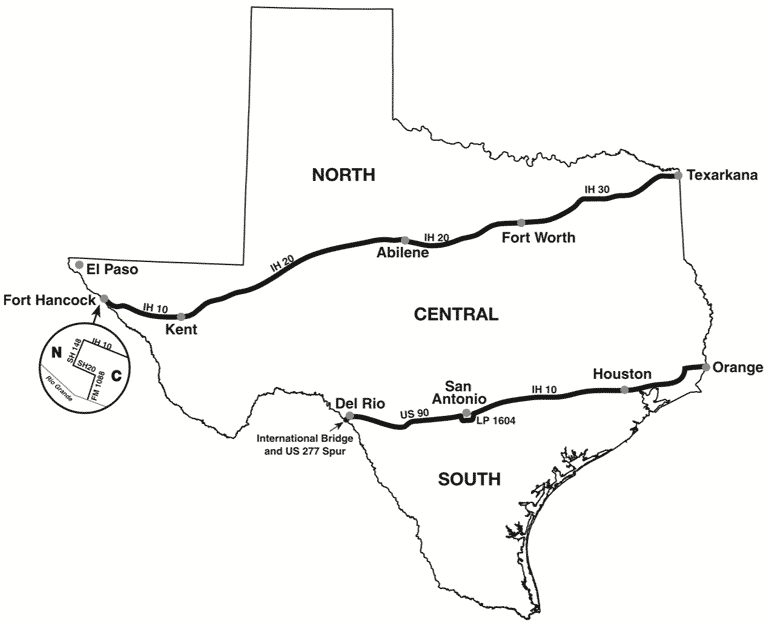
Texas is a vast state, and its sheer size means that dove season dates vary significantly depending on geographical zones. To maximize hunting opportunities and ensure compliance with regulations, the Texas Parks and Wildlife Department (TPWD) divides the state into three distinct zones: North, Central, and South. Each zone has its own specific opening and closing dates, as well as distinct bag limits for different species of doves, primarily Mourning Doves, White-winged Doves, and White-tipped Doves. These migratory patterns and population densities dictate the precise timings, making it crucial for hunters to consult the latest TPWD Outdoor Annual for current regulations before planning their trip.
North Zone
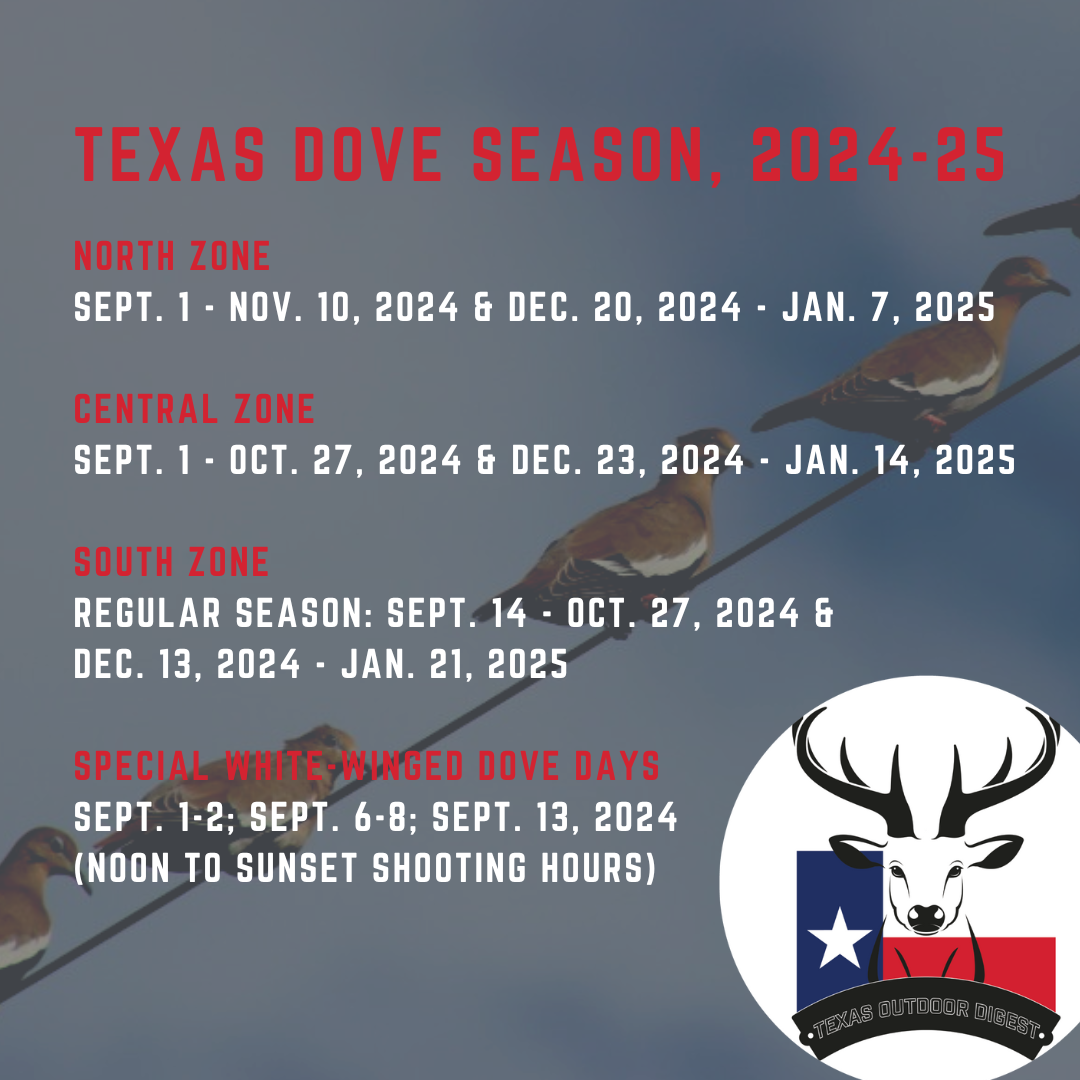
The North Zone typically kicks off the dove season, often beginning around September 1st. This early start capitalizes on the abundance of resident Mourning Doves before they begin their southward migration. Geographically, the North Zone encompasses the upper Panhandle, Rolling Plains, and parts of the Prairies and Lakes region. Popular cities within or near this zone that see an influx of hunters include Wichita Falls, Fort Worth, and areas surrounding Dallas. The landscape here varies from agricultural fields of sunflowers and milo, which are prime dove feeding grounds, to expansive rangelands. Hunters traveling to the North Zone often find a mix of public and private hunting opportunities, with many private landowners offering day leases or seasonal memberships.
Central Zone
Following closely behind the North Zone, the Central Zone also typically opens around September 1st. This zone is geographically diverse, stretching across the heart of Texas, including the Hill Country and parts of the Blackland Prairies. It is arguably the most popular dove hunting destination due to its central location and robust dove populations. Major cities like Austin and San Antonio serve as excellent base camps for hunters, offering a wide range of accommodations from luxury hotels to budget-friendly suites, as well as vibrant nightlife and culinary scenes for post-hunt relaxation. The Central Zone is renowned for its sunflower fields, especially near communities like Fredericksburg and Luckenbach, which become hotbeds of activity during the season. The hunting pressure can be high here, so booking private leases or guided hunts well in advance is often recommended.
South Zone
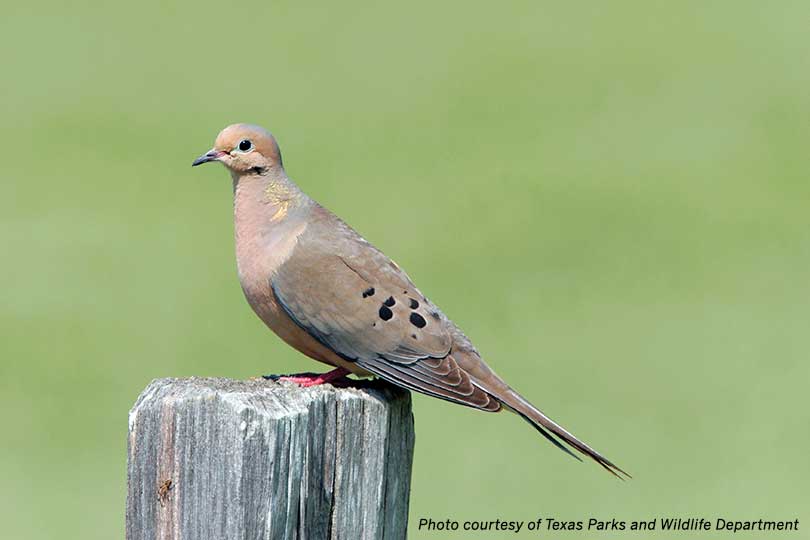
The South Zone typically has a later opening, often in mid-September, to accommodate the later migration patterns of doves in the warmer southern regions of the state. This zone extends from the southern part of the Central Zone down to the Rio Grande Valley and the Gulf Coast. It is particularly famous for its abundant White-winged Dove populations, which often stage in large numbers before continuing their migration into Mexico. Cities like Uvalde, Hondo, and Dilley are iconic destinations for South Zone hunters. The landscape here is characterized by vast agricultural fields, mesquite bosques, and brush country, offering diverse hunting scenarios. The slightly later start also often means milder weather, making for a more comfortable hunting experience compared to the early September heat further north.
Special White-winged Dove Days
In addition to the regular season, the Texas Parks and Wildlife Department often designates “Special White-winged Dove Days” for the South Zone. These special periods typically occur over the first two full weekends of September, preceding the regular South Zone opening. They are specifically designed to allow hunters to target White-winged Doves during their peak presence, with specific bag limits that differ from the regular season. This offers a fantastic early-season opportunity for those traveling to the southern reaches of Texas and adds another layer of excitement to the Texas dove hunting calendar.
Preparing for Your Texas Dove Hunt: Regulations and Gear
Embarking on a dove hunt in Texas requires more than just knowing the dates and zones; it demands careful preparation. Understanding the necessary licenses, adhering to bag limits, and assembling the right gear are paramount for a safe, successful, and legal hunting experience. This preparation is a crucial part of the lifestyle of a responsible outdoors enthusiast and ensures that your travel plans are hassle-free.
Licensing and Bag Limits
Every hunter participating in Texas dove season must possess a valid Texas hunting license. For migratory birds like doves, an additional Migratory Game Bird Endorsement is required. Furthermore, hunters must be HIP (Harvest Information Program) certified. These licenses and endorsements can be purchased online through the TPWD website, at most sporting goods stores, or at approved license retailers across the state. It’s advisable to purchase them well in advance to avoid last-minute rush and potential delays.
Bag limits are strictly enforced and vary by zone and species. Typically, the daily bag limit for doves is 15 birds, with a possession limit of 45. However, there are often specific restrictions within that total, such as limits on the number of White-winged Doves or White-tipped Doves. For instance, during the Special White-winged Dove Days, the bag limit is usually 15 white-winged, mourning, and white-tipped doves in the aggregate, with no more than 2 mourning doves and 2 white-tipped doves. Always consult the most current TPWD Outdoor Annual for precise and up-to-date regulations, as these can change annually. Violations can result in hefty fines and forfeiture of hunting privileges, emphasizing the importance of responsible hunting practices.
Essential Gear Checklist
A successful and comfortable dove hunt hinges on having the right equipment. Beyond your firearm and ammunition, consider the following essentials:
- Shotgun: A 12-gauge or 20-gauge shotgun is most common, with improved cylinder or modified chokes generally preferred for dove hunting.
- Ammunition: Bring plenty of light game loads (e.g., 7.5 or 8 shot). Doves are small and fast, so high-volume shooting is common.
- Hunting Vest/Bag: Essential for carrying shells, water, and harvested birds. Many vests have built-in game bags.
- Camouflage or Earth-Toned Clothing: Doves have excellent eyesight. Blending in with the environment, especially against a tree line or natural cover, is crucial. Lightweight, breathable fabrics are key for early season Texas heat.
- Comfortable Boots: You’ll be walking through fields, often with uneven terrain.
- Folding Chair or Bucket: Doves often fly in patterns, allowing hunters to sit and wait. A comfortable seat makes a big difference.
- Water and Snacks: Hydration is vital in the Texas heat, even in early autumn.
- Sun Protection: Hat, sunglasses, and sunscreen are non-negotiable.
- Insect Repellent: Mosquitoes and other biting insects can be prevalent, especially near water sources.
- Cooler with Ice: To properly store your harvested birds immediately after the hunt. This is essential for maintaining meat quality.
- Binoculars: Useful for scouting fields and identifying dove flight patterns.
- First-Aid Kit: For minor cuts, scrapes, or heat-related issues.
Top Destinations and Hunting Experiences
Texas offers an unparalleled variety of dove hunting experiences, from vast public lands to exclusive private ranches. The choice often depends on a hunter’s lifestyle preferences, budget, and desire for specific amenities or levels of challenge. Understanding the popular regions and types of hunts available is crucial for planning your travel and ensuring a memorable trip.
Renowned Hunting Regions
Certain areas of Texas have become legendary for their dove hunting opportunities. In the Central Zone, the Hill Country around Fredericksburg, Mason, and Llano is celebrated for its rolling hills, live oak mottes, and abundant agricultural fields that attract millions of doves. This region is also known for its charming small towns, vineyards, and historical landmarks, offering a rich cultural experience beyond the hunt.
Further south, the area around Uvalde, Hondo, and Dilley in the South Zone is often dubbed the “Dove Capital of the World,” particularly for its massive concentrations of White-winged Doves. The vast brush country and irrigated fields in this region provide ideal habitat and feeding grounds, leading to truly epic hunts. The Rio Grande Valley also offers fantastic hunting, with numerous outfitters catering to hunters seeking a high-volume shoot.
In the North Zone, regions around Vernon and Wichita Falls are excellent for Mourning Doves, especially in agricultural areas planted with sunflowers, milo, or wheat. These areas offer more expansive, open country hunting experiences.
Guided Hunts vs. Public Lands
The choice between a guided hunt and hunting on public lands significantly impacts the overall experience and travel planning.
-
Guided Hunts/Private Leases: For many, a guided hunt or a private lease offers the most convenient and often the most productive experience. Outfitters and landowners in prime hunting areas manage fields specifically for doves, providing food and water sources that attract birds. These operations can range from a simple day lease of a productive field to all-inclusive packages that include guides, meals, and accommodations at hunting lodges or resorts. This option is ideal for those seeking a hassle-free trip, guaranteed access to prime real estate, and often a higher success rate. It’s a popular choice for luxury travel or business stays where convenience is paramount. Booking these services well in advance, sometimes a year out, is crucial due to high demand.
-
Public Lands: Texas also offers extensive public hunting opportunities through its Public Hunting Program, managed by TPWD. This includes Wildlife Management Areas (WMAs) and various dove hunting areas leased from private landowners specifically for public access. Hunters need to purchase an Annual Public Hunting (APH) Permit in addition to their regular license. Public lands provide a more budget travel friendly option and a more DIY hunting experience. While potentially more challenging to find birds, it offers a raw, authentic connection to the land. Researching specific WMAs and public hunting units is essential, as access and hunting conditions can vary greatly. Websites like the TPWD Outdoor Annual provide maps and details for these areas.
Where to Stay: Accommodations for Every Hunter
Dove season often involves early mornings and late evenings, making comfortable and convenient accommodation a vital part of the overall experience. Texas offers a spectrum of lodging options to suit every budget and lifestyle, from rustic hunting lodges to upscale urban hotels and resorts.
Rustic Hunting Lodges and Ranches
For the quintessential dove hunting experience, staying at a dedicated hunting lodge or a ranch that offers accommodation is often the preferred choice. These establishments are specifically designed to cater to hunters, offering amenities like dog kennels, cleaning stations, and hearty, home-cooked meals. Many are located directly on prime hunting land, minimizing travel time to the fields.
These lodges vary from basic, communal bunkhouses to more luxurious villas with private suites and upscale amenities. They foster a strong sense of camaraderie among hunters, often providing an immersive experience that extends beyond the hunt itself, including campfire stories and shared meals. Popular areas like Uvalde and the Hill Country are dotted with such establishments, many of which operate as all-inclusive resorts during the season. It’s highly recommended to book these well in advance, as they fill up quickly.
Hotels and Resorts in Major Hubs
If you prefer the comforts of city life or wish to combine your hunt with other tourism activities, staying in nearby major cities or smaller towns is a great option. Cities like San Antonio, Austin, Fort Worth, or even smaller regional hubs like Fredericksburg or Wichita Falls offer a wide array of hotels, from international chains to charming boutique establishments.
Staying in these hubs provides access to diverse dining options, cultural attractions like the River Walk in San Antonio, live music venues in Austin, or the Fort Worth Stockyards National Historic District, making it ideal for family trips or those seeking a blend of outdoor adventure and urban exploration. While requiring a bit more travel to and from the hunting grounds, the trade-off is often a more varied and comfortable overall travel experience. Many of these hotels offer competitive pricing, and booking platforms can help with comparison and reviews.
Alternative Stays: Vacation Rentals and RV Parks
For groups or families seeking more space, privacy, or a long-term stay, vacation rentals like apartments, cabins, or full houses available through platforms like Airbnb or VRBO are excellent choices. These options often come with full kitchens, allowing for self-catering, which can be a budget travel advantage. They are particularly popular in the more rural hunting destinations, offering a “home away from home” feel.
Additionally, Texas has numerous well-equipped RV parks, especially in areas frequented by hunters. This is an ideal option for those who own RVs, providing flexibility and a direct connection to the outdoors. Many RV parks offer hookups, shower facilities, and other amenities, making them a comfortable base for a hunting expedition.
Beyond the Hunt: Embracing the Texas Lifestyle
Dove season in Texas is not just about the pursuit of birds; it’s an invitation to experience the rich culture, delicious food, and diverse attractions that the state has to offer. Integrating these elements into your trip elevates it from a mere hunting expedition to a comprehensive Texas tourism adventure, reflecting a true lifestyle choice.
Culinary Delights: From Field to Table
One of the most rewarding aspects of a successful dove hunt is the opportunity to enjoy the fruits of your labor. Dove meat is lean, flavorful, and incredibly versatile. Many hunting lodges and local restaurants offer “cook your own” services or prepare delicious dove dishes for guests. From grilled dove breasts wrapped in bacon and jalapeños to savory stews and fried preparations, the culinary possibilities are endless. This “field to table” experience is a cherished tradition among hunters and a highlight of the season.
Beyond dove, Texas is a foodie paradise. Depending on your hunting zone, you can indulge in authentic barbecue, Tex-Mex cuisine, fresh seafood along the Gulf Coast, or upscale dining in cities like Houston and Dallas. Exploring local eateries and farmers’ markets adds another layer of appreciation for the regional flavors and hospitality.
Exploring Local Culture and Attractions
Texas’s heritage is as rich and varied as its landscape. When you’re not in the field, take the opportunity to explore nearby landmarks and immerse yourself in local culture.
- Historic Sites: Visit the Alamo in San Antonio, explore the historical missions, or step back in time at the Fort Worth Stockyards National Historic District.
- Natural Wonders: If hunting in the Hill Country, explore state parks, scenic drives, and charming small towns like Fredericksburg with its wineries. Further west, iconic landmarks like Big Bend National Park offer breathtaking desert landscapes, although typically too far for a day trip from major dove hunting areas, they represent the state’s natural grandeur.
- Art and Entertainment: Major cities like Austin (the “Live Music Capital of the World”), Dallas (Dallas Arts District), and Houston (Space Center Houston) offer world-class museums, galleries, and entertainment venues.
Integrating these attractions into your itinerary can turn a hunting trip into a holistic Texas travel experience, appealing to diverse interests within your group.
Family-Friendly Adventures
Dove season can also be a wonderful opportunity for family trips, especially for introducing younger generations to the outdoors and responsible hunting. Many ranches and outfitters offer family-friendly packages. Beyond the hunt, Texas provides numerous activities for all ages.
Children can enjoy fishing, hiking, wildlife viewing, or visiting educational centers. Pairing a hunt with a visit to a Texas dude ranch, a trip to a local theme park, or exploring a nature preserve can create lasting memories for the entire family. It’s an ideal setting to teach about conservation, outdoor ethics, and the joys of nature, fostering a love for the outdoors that aligns with a healthy, adventurous lifestyle.
In conclusion, Texas dove season is more than just a date on the calendar; it’s a gateway to adventure, a celebration of tradition, and an immersive travel experience. From meticulously planning your hunt across the varied zones to selecting the perfect accommodation and exploring the rich tapestry of Texas culture, every aspect contributes to an unforgettable journey. So, pack your bags, prepare your gear, and get ready to discover why the call of the dove draws so many to the Lone Star State year after year.
LifeOutOfTheBox is a participant in the Amazon Services LLC Associates Program, an affiliate advertising program designed to provide a means for sites to earn advertising fees by advertising and linking to Amazon.com. Amazon, the Amazon logo, AmazonSupply, and the AmazonSupply logo are trademarks of Amazon.com, Inc. or its affiliates. As an Amazon Associate we earn affiliate commissions from qualifying purchases.