
The genesis of Walt Disney World Resort in Orlando, Florida, represents a monumental undertaking in theme park history and a significant chapter in the narrative of American entertainment. While the iconic silhouette of Cinderella Castle might suggest an age-old fairytale, its construction and the resort’s grand opening are relatively recent historical markers. Understanding when Disney World was built is not merely about a date; it’s about delving into the ambitious vision, meticulous planning, and groundbreaking execution that transformed a sprawling tract of Florida swampland into a global destination.
The Visionary Spark: Walt’s Dream and the Florida Project
The idea of a second major theme park, one that would surpass the scope and success of the original Disneyland in California, began to take shape in the mind of Walt Disney in the early 1960s. While Disneyland was a triumph, Walt recognized its limitations. It was built on a relatively small parcel of land, leaving little room for expansion or the realization of his grander concepts. He envisioned a destination that offered more than just rides and attractions; he dreamed of an “Experimental Prototype Community of Tomorrow” (EPCOT), a city of the future that would showcase innovation and serve as a model for urban living, alongside a world-class theme park.
Early Planning and Land Acquisition
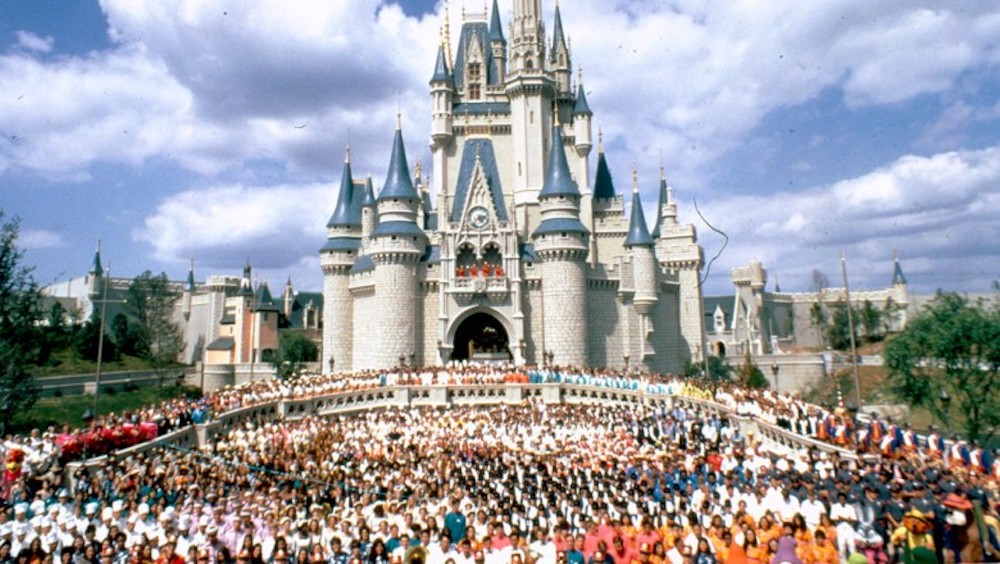
Following the success of Disneyland, which opened in 1955, Walt Disney and his brother, Roy O. Disney, began exploring locations for a new, larger park. Several factors weighed into the decision to choose Central Florida. The climate was suitable for year-round operation, and the availability of large, undeveloped tracts of land was crucial for the scale of Walt’s ambitions. Furthermore, Florida offered a burgeoning tourism industry and accessibility to major East Coast population centers.
The acquisition of land for the Florida project was a masterclass in secrecy and strategic purchasing. To avoid inflating land prices, the Disney company formed numerous dummy corporations to buy up more than 27,000 acres of land, primarily in Orange County and Osceola County, between 1964 and 1967. This vast expanse was nearly twice the size of Manhattan and provided the canvas for Walt’s extensive plans. The specific purchase details, including the identity of the buyer, remained concealed for as long as possible. The land, much of which was marshy and undeveloped, required extensive engineering and drainage to become buildable.
The Passing of a Visionary and Roy’s Commitment
Tragically, Walt Disney passed away in December 1966, before he could see his Florida dream fully realized. It was his elder brother, Roy O. Disney, who took on the monumental task of bringing Walt’s vision to life. Roy dedicated the final years of his life to completing the project, ensuring that Walt’s legacy would be preserved and his ambitious plans executed with the same level of detail and quality that defined the Disney brand. Roy famously decided to rename the resort to “Walt Disney World” in honor of his brother, solidifying the connection between the man and the colossal achievement.
Construction and Opening: A Herculean Effort
The construction of Walt Disney World Resort was an undertaking of unprecedented scale and complexity, involving intricate planning, innovative engineering, and a workforce numbering in the tens of thousands. The project’s timeline was aggressive, driven by the need to open the resort and begin generating revenue to repay the significant investments made.
The Birth of the Magic Kingdom
The initial phase of construction focused on the core of the resort: the theme park, then known as the Magic Kingdom. This park was designed as a more expansive and technologically advanced version of its predecessor, Disneyland. Key attractions like Cinderella Castle, the Haunted Mansion, and “it’s a small world” were meticulously replicated and, in some cases, enhanced. The infrastructure required to support a park of this magnitude – including transportation systems, utilities, and backstage facilities – was immense.
A particularly innovative aspect of the construction was the development of the “Utilidors,” an underground network of tunnels beneath the Magic Kingdom. This subterranean system allowed cast members (Disney employees) to move around the park unseen by guests, maintaining the immersive illusion. It also housed essential services, storage areas, and staff facilities, a solution to the logistical challenges of operating a massive theme park.
Resorts and Infrastructure

Beyond the theme park, the resort’s development included the construction of the first on-site hotels. The original resort hotels, including the Disney’s Contemporary Resort and Disney’s Polynesian Village Resort, were designed to offer a seamless guest experience, placing visitors in the heart of the magic. The Resort Monorail System was also a critical component, providing efficient transportation between the hotels and the Magic Kingdom.
The infrastructure development extended to extensive roads, parking facilities, and utilities capable of supporting a city. The creation of man-made lakes and the complex drainage systems to manage the Florida environment were also significant engineering feats.
Grand Opening: October 1, 1971
After years of intense planning and construction, Walt Disney World Resort officially opened its gates to the public on October 1, 1971. The opening day ceremonies were a grand affair, attended by dignitaries and thousands of eager visitors ready to experience the “Vacation Kingdom of the World.” The initial offerings included the Magic Kingdom park and the aforementioned resort hotels.
The opening was a resounding success, though it did not immediately include the EPCOT concept as a theme park. That ambitious vision would take several more years to materialize, eventually opening as EPCOT Center in 1982, significantly different from Walt’s original urban planning model but still embodying a spirit of innovation and discovery. The opening date of October 1, 1971, however, marks the physical birth of Walt Disney World Resort as a destination.
Evolution and Expansion: A Continual Masterpiece
Since its grand opening in 1971, Walt Disney World Resort has not remained static. It has undergone continuous expansion and evolution, driven by the Disney company’s commitment to innovation and guest experience. The resort’s growth is a testament to its enduring appeal and its ability to adapt to changing times and technological advancements.
The Addition of New Parks and Attractions
Following the success of the initial launch, Disney began to build out its portfolio of attractions. The second major theme park, EPCOT, opened its doors in 1982, divided into the World Showcase and Future World (later reimagined). This park brought a new dimension to the resort, blending international culture with technological innovation.
Disney’s Hollywood Studios (originally Disney-MGM Studios) followed in 1989, offering guests a glimpse into the golden age of Hollywood and the magic of filmmaking. Finally, Disney’s Animal Kingdom debuted in 1998, becoming the largest Disney theme park in the world and focusing on the natural environment and animal conservation.
Beyond these major parks, countless attractions, shows, and themed areas have been added and updated across the resort, ensuring that there is always something new for returning visitors. From the thrills of Guardians of the Galaxy: Cosmic Rewind in EPCOT to the immersive lands of Pandora – The World of Avatar in Disney’s Animal Kingdom, the commitment to expanding the guest experience is evident.
Resorts, Dining, and Entertainment
The growth of Walt Disney World Resort is also marked by the proliferation of its resort accommodations. From the original deluxe resorts, the company has developed a vast array of hotels catering to various budgets and preferences, including value resorts, moderate resorts, and deluxe villas. Water parks like Disney’s Typhoon Lagoon and Disney’s Blizzard Beach have also become integral parts of the vacation experience.
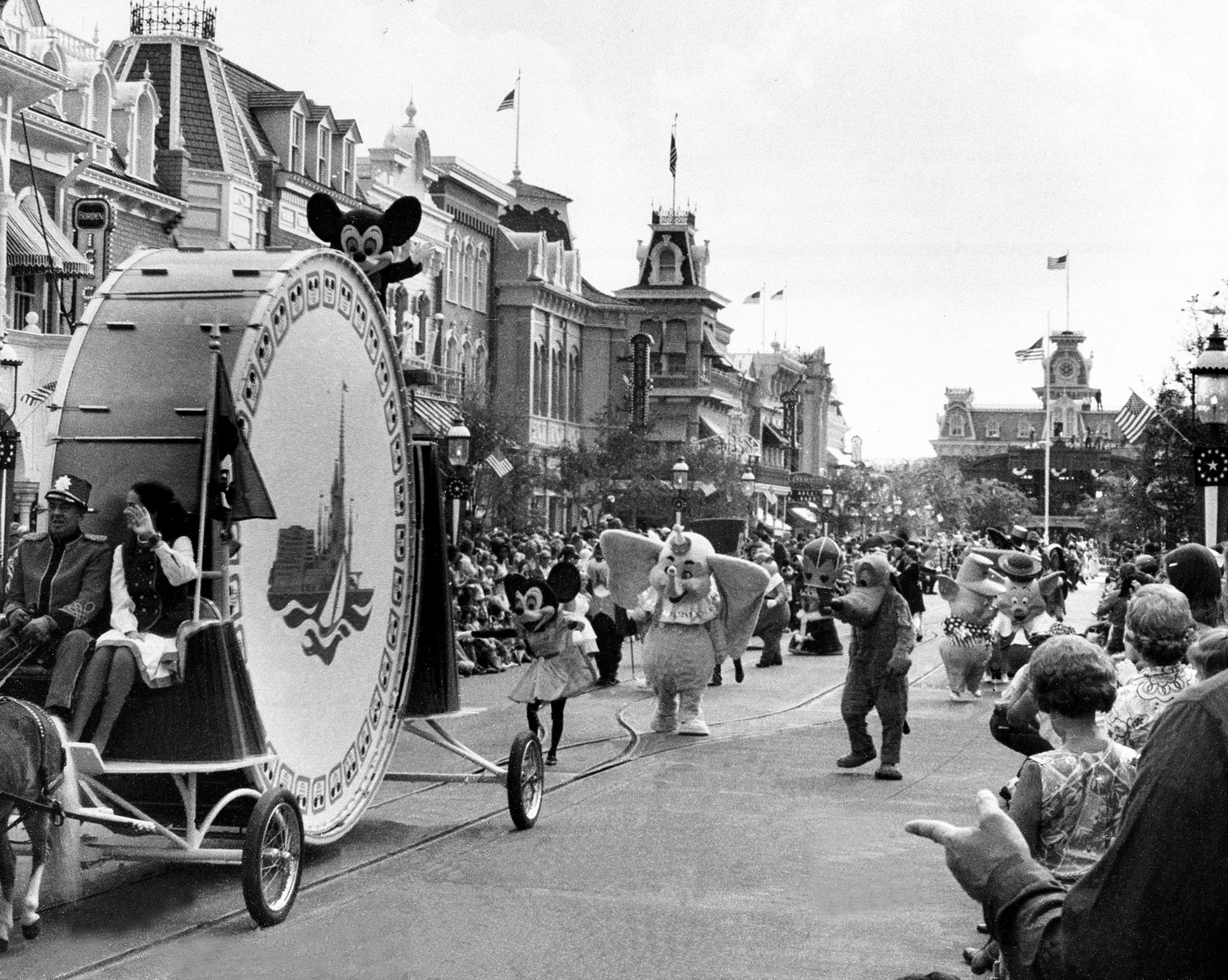
The culinary landscape has similarly expanded, with a diverse range of dining options from quick-service eateries to signature fine dining experiences that celebrate global cuisines. Entertainment, too, has evolved, with spectacular nighttime parades, fireworks shows, and live performances becoming signature elements of a visit to Disney World.
The story of when Disney World Orlando was built is a narrative of a dream realized through immense effort, vision, and a dedication to creating immersive, magical experiences. From its inception in the mid-1960s to its momentous opening on October 1, 1971, and its subsequent, continuous evolution, Walt Disney World Resort stands as a testament to human ingenuity and the enduring power of storytelling.
LifeOutOfTheBox is a participant in the Amazon Services LLC Associates Program, an affiliate advertising program designed to provide a means for sites to earn advertising fees by advertising and linking to Amazon.com. Amazon, the Amazon logo, AmazonSupply, and the AmazonSupply logo are trademarks of Amazon.com, Inc. or its affiliates. As an Amazon Associate we earn affiliate commissions from qualifying purchases.