
The question of “When Will Orlando Airport Open?” typically arises in the context of disruptions, whether planned or unforeseen, that affect the normal operations of a major transportation hub. As the gateway to the world-renowned theme parks and vibrant culture of Orlando, Orlando International Airport (MCO) plays a critical role in the region’s tourism economy. Understanding the circumstances that could lead to its closure, or periods of limited operation, is crucial for travelers planning trips to the Sunshine State. This article delves into the typical reasons for airport disruptions, the protocols in place, and how travelers can stay informed.
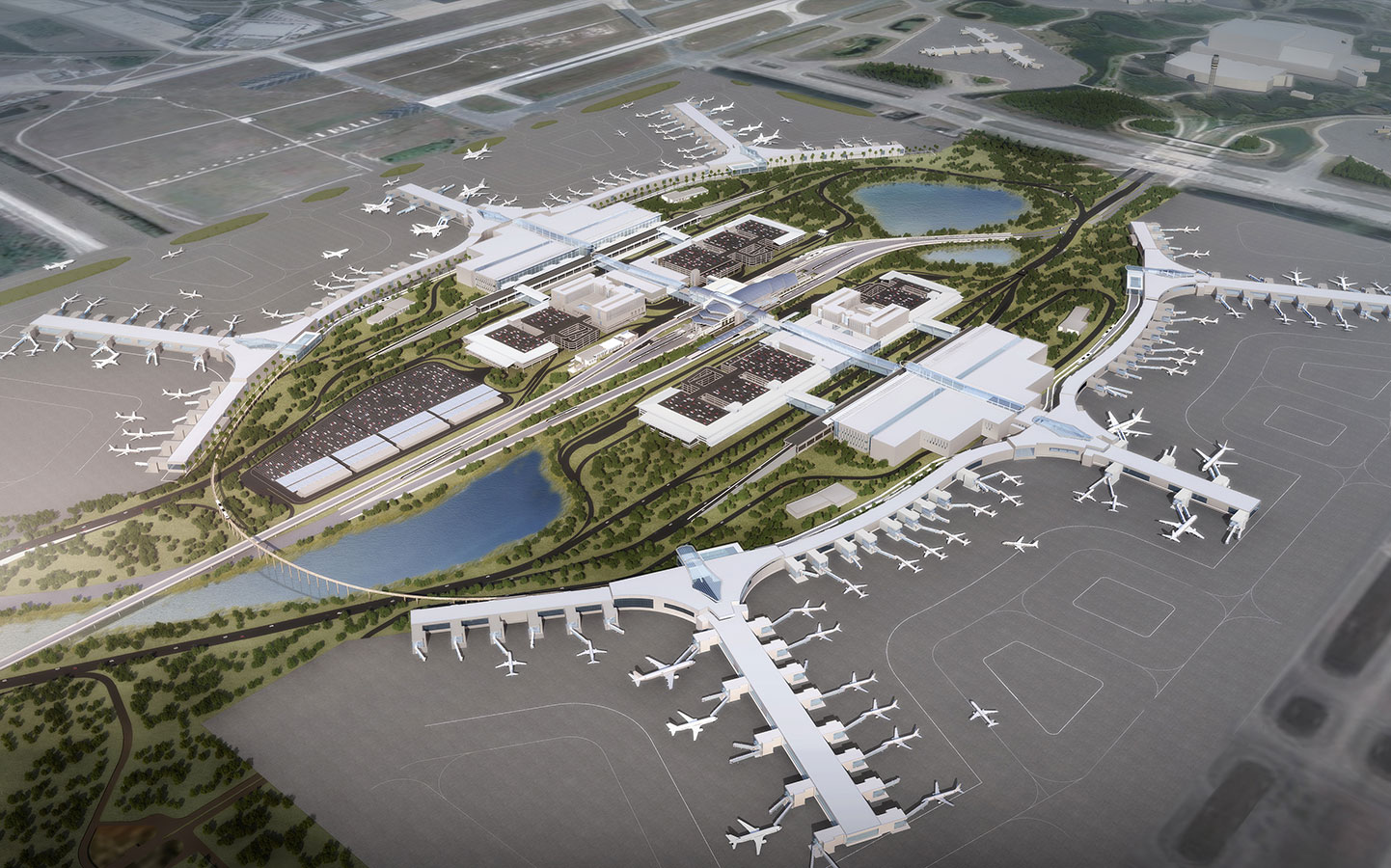
Understanding Airport Operations and Potential Disruptions
Orlando International Airport is a complex, 24/7 operation. Its continuous functioning is dependent on a multitude of factors, including weather, air traffic control systems, security, and infrastructure integrity. When any of these elements are compromised, it can lead to temporary closures or significant delays.
Weather-Related Closures
Florida is susceptible to a variety of weather phenomena, from intense thunderstorms during the summer months to hurricanes that can form during the Atlantic hurricane season.
Thunderstorms
During the summer, Orlando experiences frequent afternoon thunderstorms. While these rarely lead to full airport closures, they can cause significant air traffic control ground stops, leading to widespread delays and diversions. The airport’s operations are designed to withstand severe weather, but prolonged or exceptionally intense storms can necessitate temporary halts in operations for safety reasons.
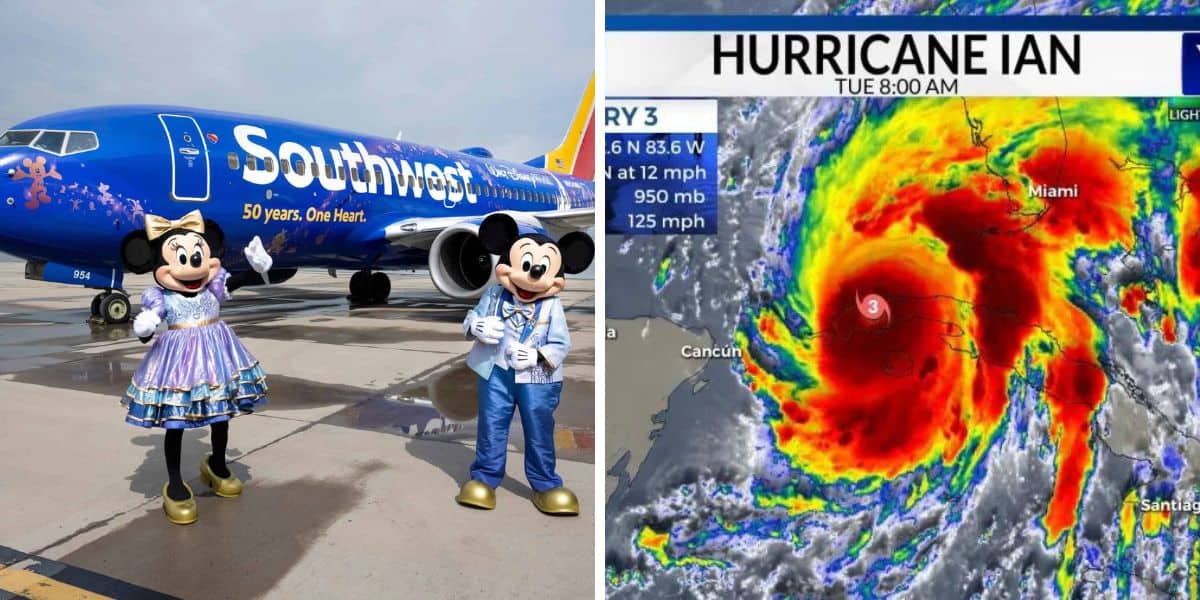
Hurricanes and Tropical Storms
Hurricanes pose the most significant threat to airport operations. When a major storm is forecast to impact the Orlando area, the airport follows a rigorous hurricane preparedness plan. This typically involves:
- Monitoring Advisories: Constant tracking of the storm’s path and intensity from agencies like the National Hurricane Center.
- Ground Stops and Delays: As the storm approaches, air traffic control will issue ground stops, preventing aircraft from taking off or landing.
- Evacuation Procedures: For severe storms, the airport, like much of Orlando, will initiate evacuation procedures for staff and non-essential personnel.
- Securing Aircraft and Facilities: Airlines will move their aircraft to safer locations, and the airport will secure its facilities, including terminals and ground equipment, against high winds and potential flooding.
The decision to close the airport is made based on the projected impact of the hurricane. This is usually communicated well in advance, allowing travelers ample time to adjust their plans. The reopening of the airport is a phased process, dependent on safety assessments of runways, taxiways, terminals, and surrounding infrastructure.
Air Traffic Control and System Failures
The intricate ballet of aircraft movements is orchestrated by sophisticated air traffic control systems. While highly reliable, these systems are not immune to technical malfunctions.
Air Traffic Control System Outages
A widespread failure of air traffic control systems, though rare, would necessitate an immediate grounding of all flights. Such an event would have national implications and would require extensive diagnostic and repair efforts before operations could resume.
Navigation and Communication Equipment Failures
Failures in critical navigation aids, radar systems, or communication equipment can also lead to temporary operational halts or significant restrictions. These issues are typically addressed by a combination of redundant systems and rapid technical intervention.
Security Incidents and Threats
Airport security is paramount. Any credible security threat or actual incident would trigger immediate lockdown and evacuation procedures.
Security Breaches
Unauthorized access to restricted areas or any event that compromises the security perimeter would lead to an airport-wide suspension of operations while security forces investigate and secure the premises.
Bomb Threats or Suspicious Activity
In the event of a bomb threat or the discovery of suspicious packages, the airport would implement its emergency response protocols. This often involves partial or full evacuation of affected areas and thorough sweeps by security personnel and bomb disposal units. The duration of such an event is unpredictable and dependent on the nature of the threat and the thoroughness of the investigation.
Infrastructure Issues and Maintenance
Even without external factors, airports require ongoing maintenance and occasional upgrades to their infrastructure.
Runway or Taxiway Closures
Routine maintenance or unexpected damage to runways or taxiways can lead to temporary closures of specific segments. While usually localized, extensive repairs might impact overall capacity and flight schedules.
Terminal or Utility Disruptions
While less common for full closures, major disruptions to essential airport utilities such as power, water, or essential services within the terminals could necessitate temporary limitations on passenger access and flight operations.
The Reopening Process: What to Expect
When an airport like Orlando International Airport closes or experiences a significant disruption, the reopening is not instantaneous. It’s a carefully managed process designed to ensure the safety and security of all operations.
Safety Inspections and Assessments
Post-disruption, particularly after severe weather events, extensive safety inspections are the first priority. This includes:
- Runway and Taxiway Surveys: Aircraft are the primary mode of transport, so the integrity of the surfaces they operate on is critical. Inspectors check for debris, structural damage, or flooding.
- Terminal and Airfield Lighting Checks: All lighting systems must be functional for safe operations, especially during nighttime.
- Ground Support Equipment Verification: All equipment used for baggage handling, aircraft towing, and maintenance must be operational and safely positioned.
- Perimeter Security Assessment: Ensuring the airport’s perimeter remains secure is a continuous process.
Gradual Resumption of Flights
Once the airport is deemed safe for operations, flights do not immediately return to their full schedule.
- Prioritization: Flights are typically prioritized. Humanitarian aid or essential cargo flights might be given precedence.
- Airline Coordination: Airlines work closely with air traffic control and airport authorities to re-establish their flight schedules. This involves repositioning aircraft and crews.
- Passenger Re-accommodation: For flights that were cancelled or diverted, airlines face the significant task of re-accommodating passengers. This can lead to a backlog of travelers, and it may take several days for normal operations to fully resume.
Staying Informed and Planning Ahead
For travelers, proactive information gathering is key to navigating potential airport disruptions.
Official Airport and Airline Communications
The most reliable sources of information are the official channels:
- Orlando International Airport Website and Social Media: The airport’s official website and its social media accounts (e.g., Twitter, Facebook) will provide real-time updates on operational status, advisories, and reopening timelines.
- Airline Websites and Apps: Your specific airline will communicate directly about flight status, cancellations, delays, and rebooking options. Many airlines offer app notifications for these updates.
- Local News Outlets: Reputable local news stations in Orlando often provide extensive coverage of airport operations during significant events.
Travel Insurance and Flexible Booking
- Travel Insurance: Investing in comprehensive travel insurance can provide financial protection against unforeseen events like flight cancellations and the associated costs of rebooking, accommodation, and meals.
- Flexible Tickets: When booking flights, consider opting for flexible tickets that allow for changes with minimal fees. This provides an extra layer of security for your travel plans.

Alternative Transportation and Accommodation
In the event of prolonged airport closures, travelers may need to consider alternative transportation options, though these can be limited for long-distance travel. For those stranded in Orlando, securing accommodation near the airport or exploring options for transportation to other transportation hubs (if feasible) becomes crucial. Hotels in the vicinity of Orlando International Airport often see a surge in demand during such periods.
The question “When Will Orlando Airport Open?” is therefore not a simple one with a fixed date but rather a dynamic situation that evolves based on the nature and impact of the disruptive event. By staying informed through official channels and preparing for contingencies, travelers can best manage their journey through the complexities of air travel, especially when navigating a major hub like Orlando International Airport.
LifeOutOfTheBox is a participant in the Amazon Services LLC Associates Program, an affiliate advertising program designed to provide a means for sites to earn advertising fees by advertising and linking to Amazon.com. Amazon, the Amazon logo, AmazonSupply, and the AmazonSupply logo are trademarks of Amazon.com, Inc. or its affiliates. As an Amazon Associate we earn affiliate commissions from qualifying purchases.