
Los Angeles, often referred to as the “City of Angels,” is more than just a global entertainment capital; it’s a sprawling, vibrant metropolis that serves as a beacon for dreams, innovation, and diverse cultures. The sheer scale of its urban landscape, from the sun-kissed beaches of Malibu to the bustling downtown corridors, immediately begs the question: how many people call this dynamic city home? Understanding the population figures of Los Angeles is not merely an exercise in statistics; it offers profound insights into its economic might, cultural tapestry, tourism appeal, and the complex infrastructure required to support millions of residents and countless visitors annually. From the housing market to the culinary scene, and from transportation networks to the sheer variety of experiences on offer, the city’s population is the heartbeat that dictates its rhythm and defines its character.
Unpacking the Numbers: Population Figures for the City of Angels
The population of Los Angeles is a figure that can vary significantly depending on whether one is referring to the city proper, the county, or the broader metropolitan area. Each provides a different lens through which to appreciate the scale and impact of this colossal urban center.
The Heart of the City: Los Angeles City Population
At its core, the City of Los Angeles is the most populous city in the state of California and the second most populous city in the United States. As of the most recent estimates (typically derived from the U.S. Census Bureau), the population within the official city limits hovers around 3.8 to 4 million residents. This figure positions Los Angeles as a true global megalopolis, rivaling some of the world’s largest capitals.
The population density within the city proper is considerable, especially in areas like Downtown Los Angeles, Koreatown, and parts of the San Fernando Valley. This density contributes to the city’s vibrant, energetic atmosphere, but also to its infamous traffic and the constant demand for housing and public services. The city’s boundaries encompass a vast geographical area, stretching from the ocean to the mountains, and including a diverse array of neighborhoods, each with its own distinct character, history, and community. From the historic homes of Angelino Heights to the modern high-rises of the financial district, the residential landscape is as varied as its people.
Beyond City Limits: Los Angeles County and Metropolitan Area
While the city’s population is impressive, the true scale of the Los Angeles urban agglomeration becomes evident when looking at Los Angeles County and the broader Greater Los Angeles Area.
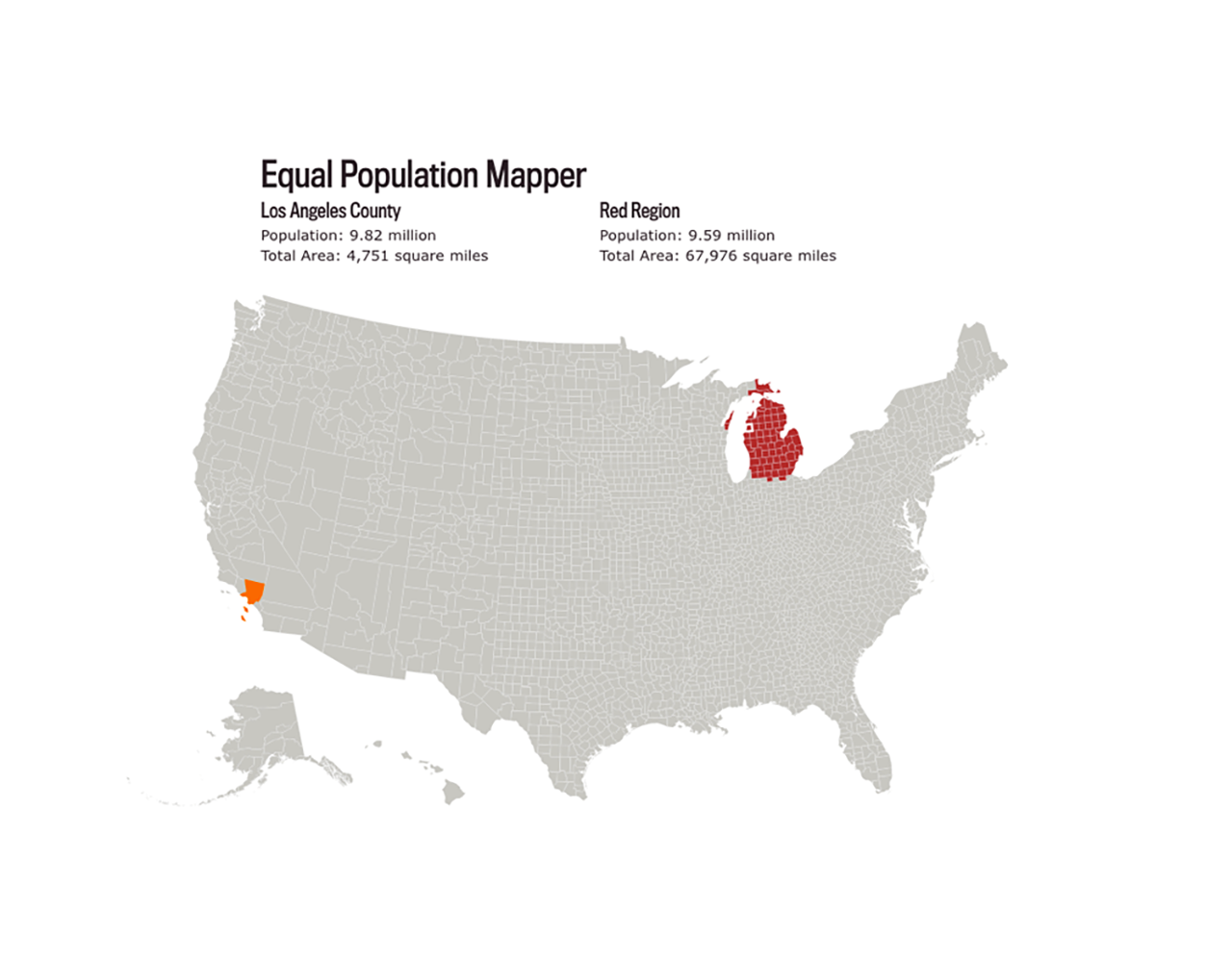
Los Angeles County is by far the most populous county in the United States, home to approximately 10 million people. This immense figure includes the City of Los Angeles itself, along with 87 other incorporated cities such as Santa Monica, Beverly Hills, Pasadena, Long Beach, and West Hollywood, as well as numerous unincorporated areas. This sprawling county is larger than many U.S. states and even several countries, presenting unique challenges and opportunities in terms of governance, infrastructure, and resource management.
The Greater Los Angeles Area, often referred to as the Los Angeles-Long Beach-Anaheim Combined Statistical Area (CSA), extends even further, incorporating Orange County, Riverside County, San Bernardino County, and Ventura County. This massive megalopolis boasts a population exceeding 18 million people, making it one of the largest and most economically significant urban regions in the world. It’s within this vast expanse that one finds major attractions like Disneyland Resort, world-class universities, and diverse natural landscapes ranging from desert to mountains to coastline. For visitors planning a trip, understanding this geographical scope is crucial, as many popular “LA” experiences might actually be located outside the city limits but firmly within the wider metropolitan area.
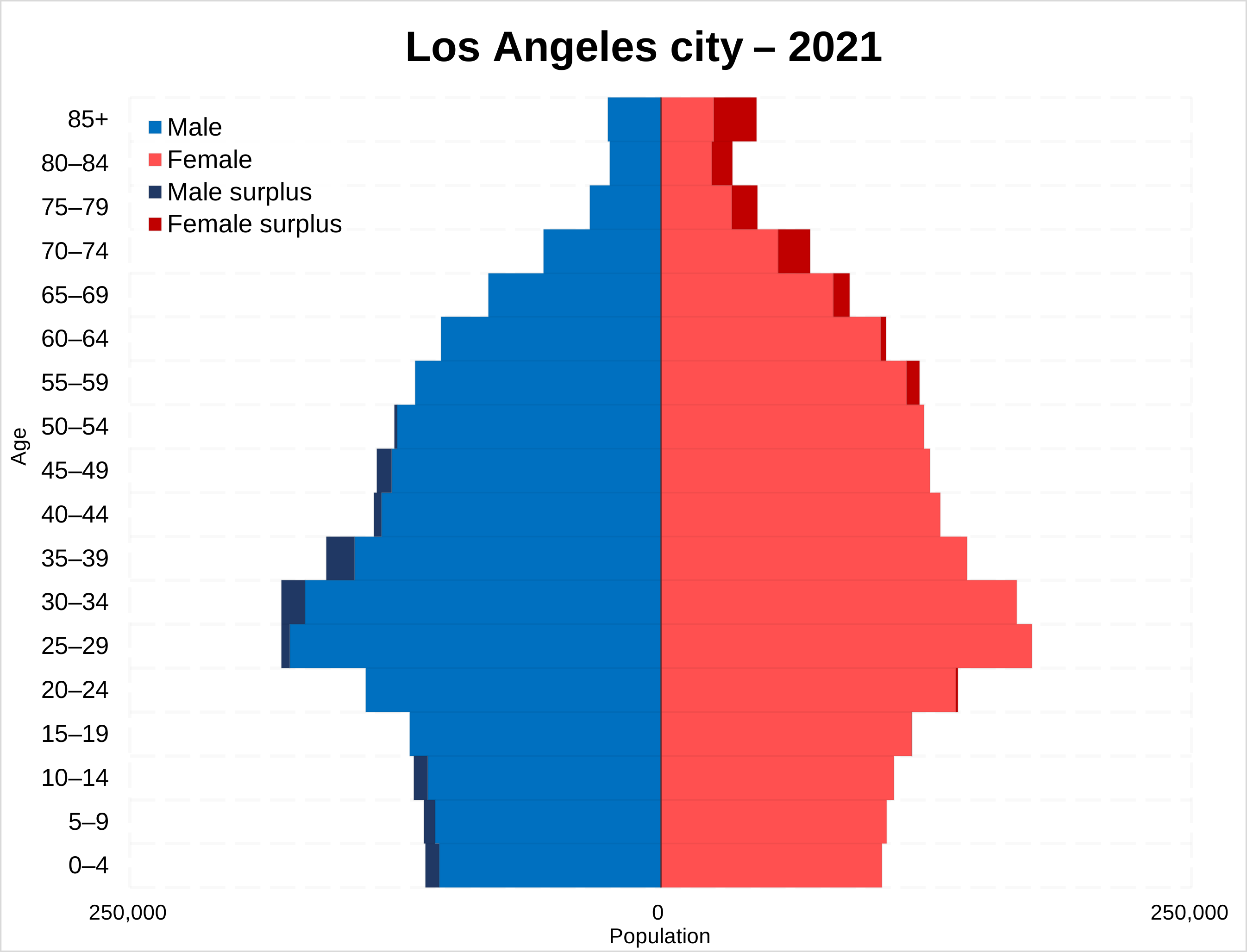
A Mosaic of Cultures: Demographics and Diversity
Beyond the raw numbers, the demographic composition of Los Angeles is what truly defines its unique character. It is renowned as one of the most ethnically diverse cities globally, a true melting pot where cultures intersect and thrive.
No single ethnic group forms a majority, creating a vibrant mosaic. Major populations include a significant Hispanic/Latino community, a large Asian population (with distinct communities like Chinatown, Little Tokyo, Koreatown, and Little Ethiopia), a substantial White population, and a notable African American community. This diversity is reflected in the more than 220 languages spoken in the county, making Los Angeles a linguistic marvel.
For tourists, this translates into an unparalleled array of cultural experiences. The city’s food scene is a direct beneficiary of this diversity, offering authentic cuisine from virtually every corner of the globe, from Michelin-starred restaurants to unassuming food trucks and bustling street markets. The arts, music, and festival scenes are similarly enriched, providing a constant stream of unique events and attractions that celebrate the city’s multicultural fabric. This diverse population also means a wide range of local cultures to explore, ensuring that every neighborhood offers a slightly different flavor of the Los Angeles lifestyle.

What Drives the Growth? The Allure of Los Angeles
The sustained growth of Los Angeles’s population over decades is no accident. The city possesses a powerful gravitational pull, drawing people from all over the world with its promise of opportunity, unparalleled lifestyle, and iconic charm.
Economic Opportunities and Industry Hubs
Los Angeles’s economy is incredibly diverse and robust, acting as a powerful engine for job creation and attracting talent. While the city is globally synonymous with Hollywood, its economic landscape extends far beyond the entertainment industry. It is a major hub for international trade and commerce, thanks to the Port of Los Angeles and Port of Long Beach — the busiest port complex in the United States.
Beyond traditional industries, Los Angeles has emerged as a significant center for technology, particularly in areas like Silicon Beach (encompassing Santa Monica, Venice Beach, and Playa Vista), aerospace, fashion, healthcare, and advanced manufacturing. This broad economic base provides a wide array of career paths, from creative arts to high-tech innovation, making it an attractive destination for professionals and entrepreneurs alike. The entrepreneurial spirit thrives here, fueled by a network of incubators, venture capital, and a highly skilled workforce.
Lifestyle and Climate: A Magnet for Residents
Perhaps one of the most undeniable draws of Los Angeles is its Mediterranean climate, characterized by year-round sunshine, mild winters, and low humidity. This idyllic weather fosters an outdoor-centric lifestyle that is hard to replicate elsewhere. Residents and visitors alike can enjoy pristine beaches, hiking trails in the Santa Monica Mountains, surfing in the Pacific Ocean, or skiing in nearby mountains, often all within the same day.
The city offers a dynamic lifestyle that caters to every preference, from the luxurious boutiques and celebrity sightings in Beverly Hills to the bohemian vibe of Venice Beach and the vibrant nightlife of West Hollywood. This combination of career opportunities and an unparalleled quality of life, rich with cultural events, world-class dining, and recreational activities, acts as a powerful magnet for people seeking a vibrant and fulfilling existence.
Education and Innovation
Los Angeles is also a significant hub for higher education and research, boasting numerous prestigious universities and colleges. Institutions like the University of California, Los Angeles (UCLA) and the University of Southern California (USC) are not only academic powerhouses but also major employers and contributors to the city’s intellectual capital. These universities attract students and researchers from across the globe, many of whom choose to stay and contribute to the local economy and culture after graduation.
The presence of these institutions fosters an environment of innovation, driving advancements in technology, medicine, entertainment, and the arts. This continuous influx of bright minds and cutting-edge research further strengthens Los Angeles’s position as a global leader and a desirable place to live, learn, and work.
Living and Visiting in a Populous Metropolis: An Experience Guide
The sheer number of people living in Los Angeles profoundly shapes the experience for both residents and visitors. It dictates the rhythm of daily life, influences the range of available services, and contributes to the city’s unique energy.
Navigating the Urban Landscape: Accommodation and Transportation
For anyone planning a trip to Los Angeles, the vastness of its population translates into an extensive range of accommodation options. From ultra-luxury resorts like the Beverly Wilshire A Four Seasons Hotel and The Ritz-Carlton, Los Angeles offering opulent suites and amenities, to stylish boutique hotels such as the Ace Hotel Downtown Los Angeles, budget-friendly motels, and a plethora of vacation rentals, apartments, and villas, there’s something to suit every taste and budget. Long-term stays are also well-catered for, with numerous options for furnished apartments and extended-stay hotels. Booking in advance, especially during peak tourist seasons, is always advisable to secure the best rates and locations.
Transportation in a city of millions can be challenging. While Los Angeles is famous for its car culture and freeways, it also boasts an expanding public transportation system, Metro Rail and bus lines, that connects many key areas. For travelers, ride-sharing services are readily available, though navigating rush hour traffic remains a quintessential LA experience. Understanding the city’s layout and planning routes efficiently is key to maximizing your time, whether you’re commuting to work or exploring tourist attractions.
Iconic Landmarks and Diverse Attractions
The large population base of Los Angeles supports an incredible array of world-class attractions and landmarks. The bustling nature of the city means that these sites are often filled with a mix of eager tourists and local residents enjoying their home turf.
Iconic sights like the Griffith Observatory offer breathtaking views of the city skyline and the Hollywood Sign. The Hollywood Walk of Fame pulsates with the energy of star-struck visitors. Family-friendly destinations like Universal Studios Hollywood and the California Science Center are always popular. Cultural institutions abound, from the expansive collections at the Getty Center to the contemporary art at The Broad and the architectural marvel of the Walt Disney Concert Hall.
Sports enthusiasts can catch a game at Dodger Stadium or the futuristic SoFi Stadium. The coastline offers endless opportunities for relaxation and recreation at famous beaches like Santa Monica Pier and the aforementioned Venice Beach. The sheer volume of residents ensures that these landmarks are not just static tourist stops but living, breathing parts of the city’s daily life, contributing to a vibrant and ever-changing tourism landscape.
The Culinary Scene: A Reflection of Diversity
As mentioned, the demographic diversity of Los Angeles’s population directly translates into one of the most exciting and varied culinary scenes anywhere. This isn’t just about high-end dining; it’s about the pervasive culture of food that permeates every neighborhood.
From authentic Mexican tacos found at street vendors in East Los Angeles to gourmet Korean BBQ in Koreatown, bustling dim sum in Chinatown, and world-class sushi in Little Tokyo, the city is a paradise for foodies. Trendy eateries pop up constantly, alongside classic diners and iconic establishments. Grand Central Market in Downtown Los Angeles is a prime example of this diversity under one roof, offering an eclectic mix of cuisines and local delicacies. The sheer number of residents ensures a constant demand for new and exciting gastronomic experiences, pushing chefs and restaurateurs to innovate and excel, making every meal an adventure.
Future Projections and Urban Evolution
The trajectory of Los Angeles’s population growth has not always been linear, and like any mega-city, it faces continuous challenges and opportunities as it evolves.
Addressing Challenges: Housing, Infrastructure, and Sustainability
With such a large and growing population, Los Angeles constantly grapples with issues related to housing affordability, homelessness, and the strain on infrastructure. The cost of living is notoriously high, leading to ongoing debates and initiatives around affordable housing solutions and urban planning strategies aimed at densification and sustainable development.
Investment in public transportation, such as the expansion of the Metro Rail system, is critical to alleviate traffic congestion and improve connectivity across the vast metropolitan area. Furthermore, as a city prone to environmental challenges like droughts and wildfires, sustainability and resilience are at the forefront of urban planning, influencing everything from water management to green building practices. These challenges, while significant, also drive innovation and create new industries focused on urban solutions.
Continued Growth and Adaptation
Despite these hurdles, experts generally project continued, albeit perhaps slower, population growth for the Los Angeles region in the coming decades. The city’s enduring appeal — its economic opportunities, cultural vibrancy, and desirable climate — ensures a steady influx of new residents. The rise of remote work has also begun to shift residential patterns, potentially allowing people to live further afield while still contributing to the LA economy, thus impacting the distribution of the population within the broader Greater Los Angeles Area.
Urban planners and policymakers are continually working to adapt the city to its growing population, focusing on smart growth, transit-oriented development, and fostering resilient communities. The city’s ability to reinvent itself, as it has done throughout its history, will be key to managing its future demographic landscape.
In conclusion, the question “How Many People Live In Los Angeles?” unveils a complex, multi-layered answer that speaks volumes about the city’s identity. With nearly 4 million people within its municipal boundaries and over 18 million in its wider metropolitan area, Los Angeles is a testament to the power of human congregation. This vast and diverse population is not just a statistic; it is the engine of its economy, the soul of its culture, and the very reason for its dynamic appeal as a travel destination, a hub for accommodation, and a global landmark of lifestyle and innovation. Los Angeles remains a vibrant, ever-evolving city, continually shaped by the millions who choose to call it home or visit its iconic shores.
LifeOutOfTheBox is a participant in the Amazon Services LLC Associates Program, an affiliate advertising program designed to provide a means for sites to earn advertising fees by advertising and linking to Amazon.com. Amazon, the Amazon logo, AmazonSupply, and the AmazonSupply logo are trademarks of Amazon.com, Inc. or its affiliates. As an Amazon Associate we earn affiliate commissions from qualifying purchases.