
The Historical Roots of Citizenship in Puerto Rico
The question of citizenship for individuals residing in Puerto Rico is deeply intertwined with the island’s complex historical and political relationship with the United States. To understand the current status, one must delve into the events that shaped this unique bond.
The Spanish-American War and the Treaty of Paris
In 1898, the Spanish-American War concluded with the signing of the Treaty of Paris. This pivotal agreement saw Spain cede several territories to the United States, including Cuba, Guam, and the Philippines, alongside Puerto Rico. Following this transfer, Puerto Rico entered a period of military rule under the U.S.
The Foraker Act of 1900
The first significant legislative act by the U.S. Congress concerning the governance of Puerto Rico was the Foraker Act of 1900. This act established a civilian government in Puerto Rico and formally organized the island as an unincorporated territory of the United States. Crucially, it did not grant U.S. citizenship to the inhabitants. Instead, it declared them to be “citizens of Puerto Rico” and, at the same time, “citizens of the United States” for the purpose of international law and protection. This created a somewhat ambiguous status, distinguishing them from citizens of the mainland United States.
The Jones-Shafroth Act of 1917
A significant turning point came in 1917 with the passage of the Jones-Shafroth Act. This legislation superseded the Foraker Act and granted statutory U.S. citizenship to the people of Puerto Rico. This was a monumental change, effectively making all native-born residents of Puerto Rico, as well as those who had resided on the island or in the United States prior to April 11, 1899, and their descendants, statutory citizens of the United States. The act also established a bill of rights for Puerto Rico and created a locally elected Senate.
The Fight for Political Rights and Representation
Despite being granted U.S. citizenship, residents of Puerto Rico have historically faced limitations in their political rights and representation within the U.S. federal system. This has been a persistent point of contention and a driving force behind various political movements on the island advocating for statehood, independence, or enhanced commonwealth status.
Representation in Congress
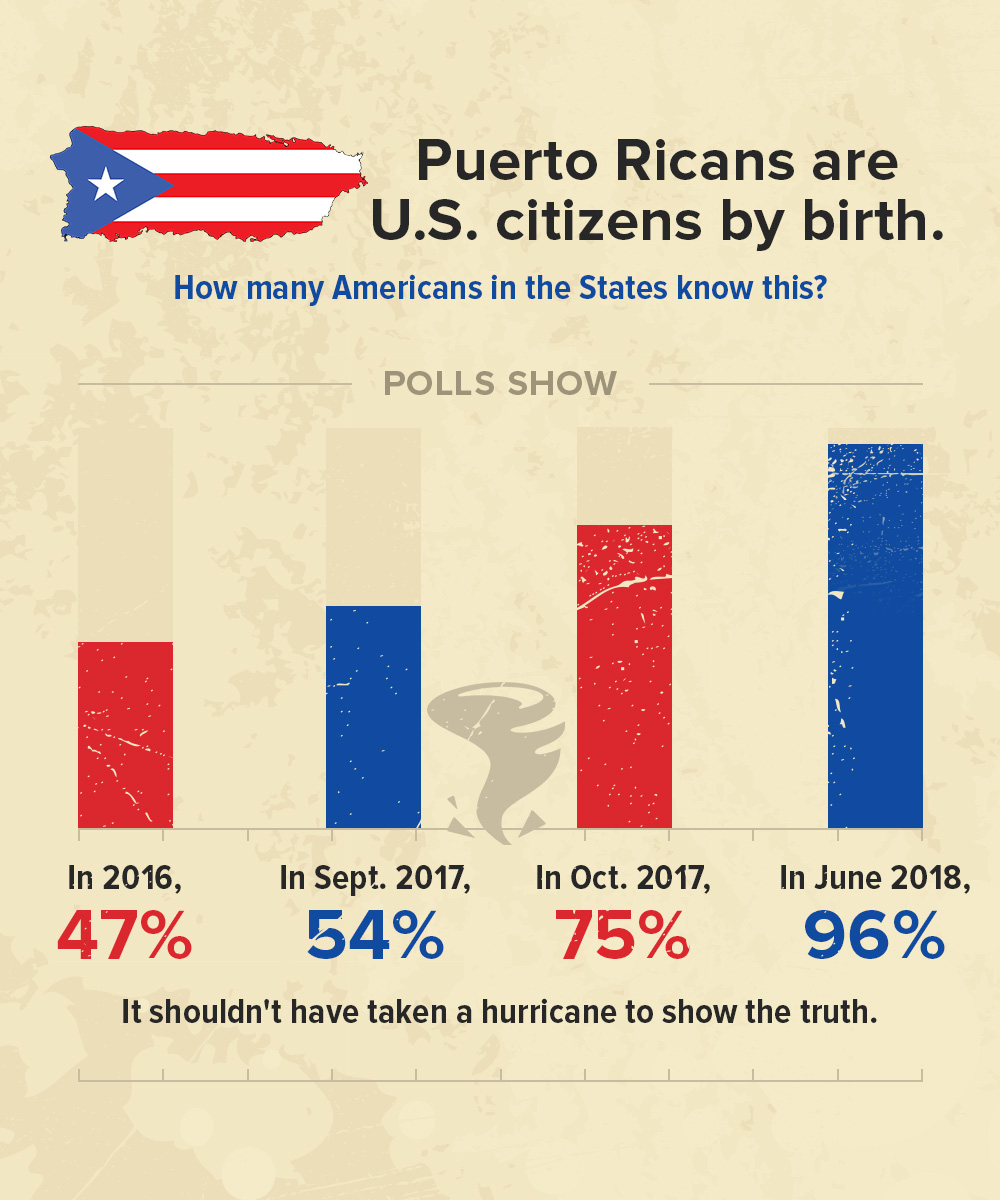
Individuals born in Puerto Rico are U.S. citizens and can travel freely between the island and the mainland. However, Puerto Rico is not a state and thus does not have voting representation in the U.S. Congress. It is represented by a Resident Commissioner, who can participate in debates and committee work but cannot vote on final passage of legislation on the House floor. This lack of full voting representation is often cited as a significant drawback to the current political arrangement.
Voting Rights in Presidential Elections
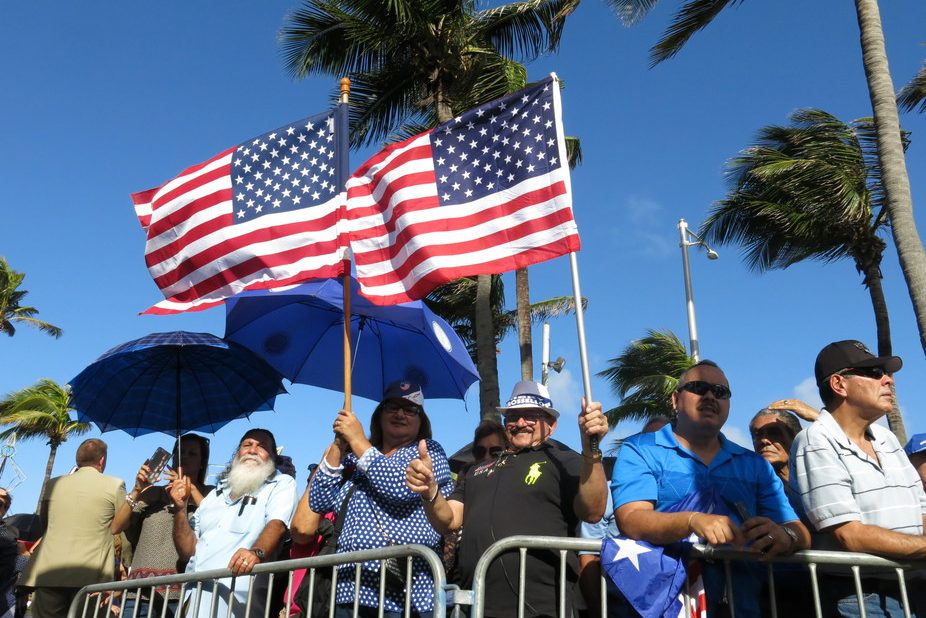
Another key difference is that residents of Puerto Rico cannot vote in U.S. presidential elections, even though they are U.S. citizens. This is because the island is not a state and does not participate in the Electoral College. This has led to situations where, during presidential elections, U.S. citizens living in Puerto Rico are unable to cast a vote for their preferred candidate, despite having the same citizenship status as their counterparts on the mainland.
The Nature of Puerto Rican Citizenship
The citizenship granted to individuals in Puerto Rico is statutory, meaning it was conferred by an act of Congress. This is in contrast to citizens of the 50 states, whose citizenship is constitutionally guaranteed. While for most practical purposes this distinction may not be immediately apparent, it has implications in potential legal challenges and discussions about the permanence of this status.
Unincorporated Territory Status
Puerto Rico remains an unincorporated territory of the United States. This classification, established by the Supreme Court in the early 20th century, implies that the U.S. Constitution does not automatically apply in full to the territory, and Congress has broad authority to determine the extent to which federal laws and rights are extended to its residents. This has been a source of ongoing debate and legal interpretation.
The Insular Cases
The legal framework surrounding the status of Puerto Rico and its residents’ rights has been largely shaped by a series of Supreme Court decisions known as the Insular Cases, decided in the early 1900s. These cases affirmed the power of Congress to govern territories and established the doctrine that constitutional rights are not necessarily “fully and completely applicable” in unincorporated territories. While some of the Insular Cases have been revisited and modified by later rulings, their foundational impact on the island’s legal and political standing persists.
Modern Implications and Ongoing Debates
The question of citizenship in Puerto Rico continues to be a central theme in discussions about the island’s future. The nature of this citizenship, coupled with the island’s territorial status, fuels ongoing debates about political equality, self-determination, and economic development.
Statehood vs. Commonwealth vs. Independence
The primary political aspirations for Puerto Rico have historically revolved around three main options: statehood, enhanced commonwealth status, or independence. Each of these paths carries different implications for citizenship, governance, and the island’s relationship with the United States.
- Statehood: Proponents of statehood envision Puerto Rico becoming the 51st state, which would grant its residents full voting representation in Congress and participation in presidential elections, along with equal access to federal programs and funding.
- Commonwealth: Those who favor a strengthened commonwealth status generally seek greater autonomy and self-governance while maintaining a unique relationship with the United States. The exact form of this status has been subject to various proposals and interpretations.
- Independence: Advocates for independence seek full sovereignty for Puerto Rico, severing all political ties with the United States. This would fundamentally alter the citizenship status of its residents, likely requiring them to become citizens of a new, independent nation.
Impact on Daily Life and Travel
For travelers, understanding the citizenship status of Puerto Rico’s residents is not typically a concern for entry or departure. As U.S. citizens, individuals traveling from the United States to Puerto Rico do not need a passport, as it is treated as a domestic flight. Similarly, individuals traveling from Puerto Rico to the mainland do not require a passport. However, for international travelers, Puerto Rico is considered part of the United States, so their entry requirements would be based on U.S. immigration laws.
The legal and political complexities of Puerto Rico’s status and the citizenship of its people continue to be a significant issue, shaping the island’s identity and its future trajectory within the broader context of the United States. The question is not just a legal or political one, but one that resonates deeply with the cultural and social fabric of the island and its inhabitants.
LifeOutOfTheBox is a participant in the Amazon Services LLC Associates Program, an affiliate advertising program designed to provide a means for sites to earn advertising fees by advertising and linking to Amazon.com. Amazon, the Amazon logo, AmazonSupply, and the AmazonSupply logo are trademarks of Amazon.com, Inc. or its affiliates. As an Amazon Associate we earn affiliate commissions from qualifying purchases.