
The question of whether alligators inhabit the lush and vibrant landscapes of Puerto Rico is one that often surfaces among curious travelers and nature enthusiasts. While the island is renowned for its diverse wildlife, including exotic birds, colorful reptiles, and abundant marine life, the presence of alligators, specifically American alligators (Alligator mississippiensis), is not a natural phenomenon. This article delves into the ecological realities of Puerto Rico, exploring its native fauna and addressing the persistent myth of alligator populations on the island.
Puerto Rico’s Native Reptilian Inhabitants
Puerto Rico boasts a fascinating array of reptiles, many of which are endemic to the island. These creatures have evolved in isolation, leading to unique species found nowhere else on Earth. Understanding these native inhabitants provides a clearer picture of the island’s natural heritage.

The Majestic Iguana
Perhaps the most iconic reptilian resident of Puerto Rico is the iguana. While native species like the Puerto Rican rock iguana are critically endangered and protected, the island has also seen the proliferation of invasive species, most notably the green iguana (Iguana iguana). These large lizards, with their impressive frills and powerful tails, are a common sight in many coastal areas, parks, and even urban environments. They are herbivores, feeding primarily on leaves, fruits, and flowers. Their presence, while now a significant part of the island’s ecosystem, is a result of introductions, not native evolution. Efforts are underway to manage their populations and protect native flora and nesting sites.
Slender Anoles and Geckos
Beyond the larger iguanas, Puerto Rico is home to a variety of smaller reptiles. Anoles, such as the brown anole (Anolis sagrei) and the much larger native knight anole (Anolis equestris), are ubiquitous. These agile lizards are adept climbers, often seen scurrying up trees and walls. They are insectivores, playing a vital role in controlling insect populations. The island also hosts a diverse range of geckos, from the small, nocturnal house geckos that share our living spaces to larger, more reclusive species found in natural habitats. These small reptiles are important indicators of a healthy ecosystem.
Native Tortoises and Turtles
While not as commonly encountered as lizards, Puerto Rico does have native freshwater turtles. The Puerto Rican slider (Trachemys altera) is a species of concern, facing threats from habitat loss and invasive predators. Marine turtles, such as the hawksbill turtle and the green sea turtle, are also vital to the island’s coastal ecosystems, frequently seen nesting on its beaches and foraging in its waters. These species are crucial components of Puerto Rico’s biodiversity, and conservation efforts are in place to ensure their survival.
The Alligator Myth: Origins and Reality
The persistent notion of alligators in Puerto Rico likely stems from a few potential sources, including misidentification of other reptiles, fictional portrayals, or perhaps even isolated, non-breeding introductions that did not establish sustainable populations. However, extensive ecological surveys and scientific consensus confirm that alligators are not a native or established species in Puerto Rico.
Ecological Requirements for Alligators
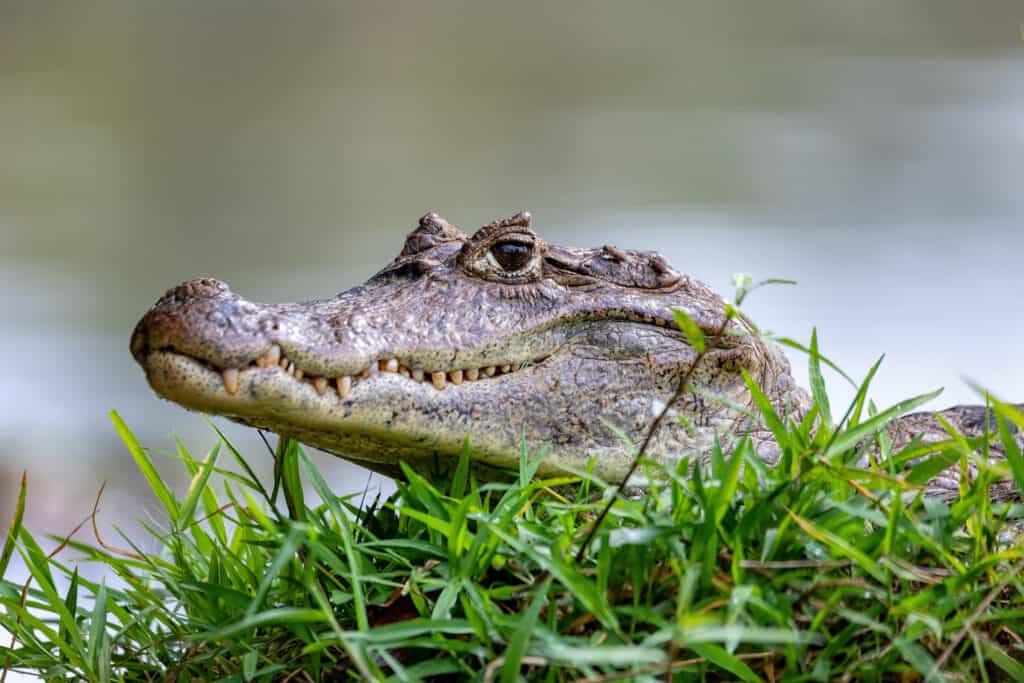
American alligators are semi-aquatic reptiles native to the southeastern United States. They thrive in freshwater habitats such as swamps, marshes, rivers, and lakes. Their physiological needs, including specific temperature ranges for breeding and activity, are well-defined and differ significantly from the climatic conditions and available habitats in Puerto Rico. While some parts of the island do have freshwater bodies, they do not possess the vast, extensive wetland systems that form the core of alligator territories in their natural range.
Invasive Species Management in Puerto Rico
Puerto Rico is a biodiversity hotspot, and managing invasive species is a continuous challenge for conservationists and government agencies. The Department of Natural and Environmental Resources (DNER) actively monitors and manages populations of invasive species that threaten native wildlife and ecosystems. If alligators were to be introduced, they would undoubtedly be a significant concern and would be met with swift management protocols, much like the efforts undertaken to control invasive boa constrictors in other Caribbean territories. The absence of any reported, established alligator populations, despite the island’s popularity as a tourist destination and its relatively well-documented natural environment, is strong evidence against their natural existence there.
What About Crocodiles?
It is important to distinguish between alligators and crocodiles. While both are large, predatory reptiles, they belong to different families and have distinct characteristics and natural ranges. The American crocodile (Crocodylus acutus) is found in Puerto Rico, albeit in limited numbers and primarily in specific coastal brackish or saltwater environments, such as the southern coast near the Guánica Dry Forest and the Bahía de Jobos National Estuarine Research Reserve. These crocodiles are elusive and generally avoid human contact. Sightings are rare, and their presence is very different from a widespread alligator population. The presence of crocodiles, however limited, might contribute to the broader confusion about large crocodilian species on the island.
Experiencing Puerto Rico’s Wildlife Safely
For visitors to Puerto Rico, the focus on wildlife should naturally turn to the island’s truly unique and endemic creatures. The best way to experience the island’s natural wonders is through responsible ecotourism and by respecting the delicate balance of its ecosystems.
Guided Nature Tours
Engaging with local guides can offer unparalleled insights into Puerto Rico’s biodiversity. Many tours focus on birdwatching in the El Yunque National Forest, exploring the bioluminescent bays like Mosquito Bay, or visiting nature reserves where native flora and fauna can be observed. These guided experiences not only enhance the visitor’s understanding but also contribute to local conservation efforts.
Respecting Wildlife Habitats
When exploring Puerto Rico, it’s crucial to adhere to park rules and regulations. This includes staying on marked trails, not feeding wild animals, and refraining from disturbing their natural habitats. Observing wildlife from a safe and respectful distance ensures both the safety of the visitor and the well-being of the animals. The diverse range of endemic species, from the coquí frog to the various colorful birds, offers ample opportunities for unforgettable encounters.
Understanding the Island’s Ecosystems
Puerto Rico’s ecosystems are diverse, ranging from the tropical rainforest of El Yunque to the dry forests of the south and the extensive coral reefs surrounding the island. Each of these environments supports a unique web of life. Learning about these ecosystems before visiting can enrich the travel experience and foster a deeper appreciation for the island’s natural heritage. While the question of alligators may spark initial curiosity, the reality of Puerto Rico’s wildlife is far more captivating and genuinely unique, offering a wealth of natural wonders to discover responsibly.
LifeOutOfTheBox is a participant in the Amazon Services LLC Associates Program, an affiliate advertising program designed to provide a means for sites to earn advertising fees by advertising and linking to Amazon.com. Amazon, the Amazon logo, AmazonSupply, and the AmazonSupply logo are trademarks of Amazon.com, Inc. or its affiliates. As an Amazon Associate we earn affiliate commissions from qualifying purchases.