
For many United States citizens, the allure of a tropical getaway, steeped in rich history and vibrant culture, often leads them to consider the island of Puerto Rico. Its Caribbean charm, combined with its status as a U.S. territory, naturally raises a practical question for potential travelers: “Does a U.S. citizen need a passport for Puerto Rico?” The answer, for the most part, is a straightforward no, but understanding the nuances of this relationship is key to a seamless travel experience.
Navigating Travel Requirements for U.S. Citizens to Puerto Rico
As a commonwealth of the United States, Puerto Rico operates under a unique set of travel regulations for U.S. citizens. This status simplifies many aspects of travel, making it an accessible destination for those residing in the contiguous United States and its territories.

The Passport Question: A Clear Answer
The primary determinant for requiring a passport for travel to any destination is its status as a foreign country. Since Puerto Rico is a U.S. territory, it is not considered a foreign country in the same vein as, say, France or Mexico. Consequently, U.S. citizens traveling directly from the United States to Puerto Rico do not need a passport. Your standard U.S. driver’s license or other government-issued photo identification will suffice for boarding commercial aircraft.
This exemption applies to travel originating from any of the 50 U.S. states, the District of Columbia, and other U.S. territories like the U.S. Virgin Islands or Guam. The ease of entry is one of the significant advantages of visiting Puerto Rico for U.S. citizens, eliminating the need for the often time-consuming and costly passport application process.
Identification: What to Bring
While a passport isn’t mandatory, it is crucial to have valid identification. For U.S. citizens, this typically includes:
- Driver’s License: The most common form of identification, widely accepted by airlines.
- State-Issued ID Card: A good alternative if you do not drive.
- U.S. Military ID: For active-duty personnel and their dependents.
- U.S. Permanent Resident Card (Green Card): For lawful permanent residents of the United States.
Ensure your identification is current and not expired. Airlines have strict policies regarding acceptable forms of ID, and any discrepancies could lead to boarding denial.
Exceptions and Important Considerations
While the general rule is clear, there are a few exceptions and points to consider that can impact your travel documents.
Travel Originating from Outside the U.S.
If your journey to Puerto Rico begins in a foreign country, the rules change. U.S. citizens traveling from a foreign nation to Puerto Rico will likely need a valid U.S. passport to re-enter the United States. This is because you are technically re-entering U.S. jurisdiction from abroad. It is always advisable to check with your airline and U.S. Customs and Border Protection (CBP) for the most up-to-date information regarding international travel re-entry requirements.
Travel to Other Caribbean Destinations
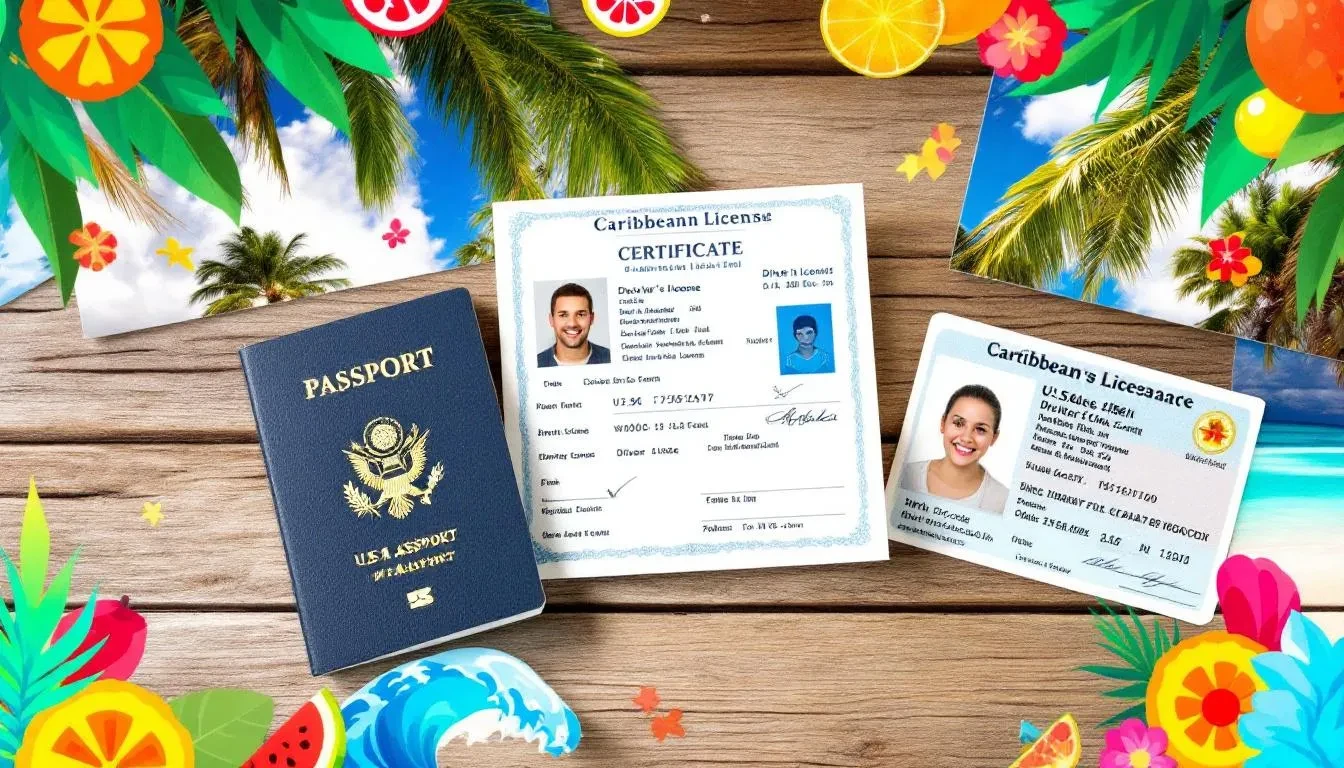
Many travelers visit Puerto Rico as part of a larger Caribbean itinerary that includes other islands. If your trip involves visiting independent nations like the Dominican Republic, St. Martin, or Jamaica, then a passport will be absolutely necessary for those specific island visits. Even if you return to Puerto Rico between these foreign destinations, you will still need your passport for entry and exit from those foreign countries.
Cruises
Cruises that depart from and return to a U.S. port and only visit U.S. territories like Puerto Rico or the U.S. Virgin Islands often have relaxed documentation requirements. However, if the cruise itinerary includes any foreign ports of call, even for a brief visit, a valid passport is typically required. Cruise lines will clearly outline their specific documentation needs for each sailing. It is prudent to err on the side of caution and carry your passport if there is any ambiguity.
Minors Traveling
While U.S. citizens under 16 years of age are generally not required to present a passport when traveling between the U.S. and Puerto Rico via direct air or sea travel, it is still a good practice to have some form of identification. For older minors, a government-issued photo ID is necessary. If a minor is traveling without both parents, specific consent forms or documentation may be required by the airline.
Preparing for Your Puerto Rican Adventure
Understanding the entry requirements is just one piece of the puzzle when planning a trip to Puerto Rico. This vibrant island offers a wealth of experiences, from the historic streets of Old San Juan to the bioluminescent bays and lush rainforests of the El Yunque National Forest.
Destinations and Attractions
Puerto Rico boasts a diverse range of attractions catering to every type of traveler. History buffs can immerse themselves in the colonial architecture and centuries of stories held within the walls of El Morro and San Cristobal forts. Nature lovers can explore the unique ecosystem of the El Yunque National Forest, the only tropical rainforest in the U.S. National Forest System, or kayak through the magical glowing waters of a bioluminescent bay in places like Vieques or Fajardo. Beachgoers will find pristine shores with opportunities for swimming, surfing, and snorkeling, particularly on the islands of Vieques and Culebra, home to the world-renowned Flamenco Beach.
Local Culture and Experiences
The heart of Puerto Rico lies in its people and their rich cultural heritage, a blend of Taíno, Spanish, African, and American influences. This is palpable in its music, dance, and, of course, its cuisine. Exploring local markets, attending a bomba or plena dance performance, and engaging with the friendly locals will provide an authentic glimpse into the island’s soul. Don’t miss the chance to sample iconic dishes like mofongo, lechón, and pasteles. The spirit of “la isla del encanto” is infectious and offers an enriching travel experience beyond the typical tourist trails.
Practical Travel Tips
Given its U.S. territory status, many everyday conveniences mirror those found in the mainland U.S. The currency is the U.S. dollar, and electrical outlets are compatible with U.S. appliances. Spanish and English are the official languages, though English is widely spoken in tourist areas. When it comes to accommodation, you’ll find everything from luxury resorts in areas like Dorado to charming boutique hotels in Old San Juan and budget-friendly guesthouses throughout the island. Renting a car is recommended for exploring beyond the main cities, though taxis and ride-sharing services are available in San Juan.
A Seamless Gateway to the Caribbean
The straightforward travel requirements for U.S. citizens heading to Puerto Rico make it an exceptionally appealing destination for a quick escape or an extended vacation. The absence of a passport requirement simplifies planning and reduces pre-travel stress, allowing visitors to focus on the vibrant culture, stunning landscapes, and warm hospitality that await them. Whether you’re seeking adventure in the rainforest, relaxation on a sun-drenched beach, or a deep dive into a rich historical tapestry, Puerto Rico offers an unforgettable experience, easily accessible to Americans. Remember to always verify the latest travel advisories and airline policies before your departure to ensure a smooth and enjoyable journey.
LifeOutOfTheBox is a participant in the Amazon Services LLC Associates Program, an affiliate advertising program designed to provide a means for sites to earn advertising fees by advertising and linking to Amazon.com. Amazon, the Amazon logo, AmazonSupply, and the AmazonSupply logo are trademarks of Amazon.com, Inc. or its affiliates. As an Amazon Associate we earn affiliate commissions from qualifying purchases.