
The question of whether Puerto Rico gets to vote is a complex one, deeply intertwined with its political status, its relationship with the United States, and the aspirations of its people. As a United States territory, Puerto Rico occupies a unique and often debated position. Its residents are U.S. citizens, yet they lack full political representation in the U.S. Congress and cannot vote for the President of the United States. This has led to ongoing discussions and referendums about its future, with options ranging from continued commonwealth status to statehood or independence. Understanding the voting rights of Puerto Ricans requires a deep dive into their history, their current political framework, and the persistent calls for self-determination.

The Historical Context of U.S.-Puerto Rico Relations
The relationship between Puerto Rico and the United States began in 1898 following the Spanish-American War. Spain ceded Puerto Rico to the U.S. under the Treaty of Paris. Since then, Puerto Rico has been an unincorporated territory of the United States, meaning that U.S. constitutional rights are not automatically fully extended to the island. This legal distinction has shaped Puerto Rico’s governance and the rights of its inhabitants.
From Military Rule to Commonwealth Status
After the war, Puerto Rico was under military rule for a period before the Jones-Shafroth Act of 1917 granted Puerto Ricans U.S. citizenship. This act also established a bill of rights for the island and a locally elected government. However, the U.S. Congress retained ultimate authority over Puerto Rican affairs.
In 1950, the U.S. Congress passed Public Law 600, which authorized Puerto Rico to draft its own constitution. This led to the establishment of the Commonwealth of Puerto Rico in 1952, often referred to as “Estado Libre Asociado.” While this granted Puerto Rico a greater degree of autonomy in its internal affairs, it did not alter its territorial status. The U.S. Supreme Court has affirmed that Puerto Rico remains subject to the plenary powers of the U.S. Congress. This means that Congress can legislate for Puerto Rico and its people, even on matters that might be considered internal to the island.
The Impact on Political Participation
The territorial status has direct implications for Puerto Rico’s political participation at the federal level.
Presidential Elections
Puerto Rico does not participate in U.S. presidential elections. While Puerto Ricans are U.S. citizens, they cannot vote for the President or Vice President. Delegates from Puerto Rico can attend the national party conventions and have a voice in party platforms, but this does not translate to a vote in the general election. This absence is a significant point of contention for many Puerto Ricans who feel disenfranchised by their inability to participate in the election of the head of state of their nation.
Congressional Representation
Puerto Rico has a non-voting representative in the U.S. House of Representatives, known as a Resident Commissioner. This official can introduce legislation and participate in committee work, but they cannot vote on the final passage of bills on the House floor. There is no U.S. Senator representing Puerto Rico. This lack of full voting representation means that Puerto Ricans have limited influence over federal laws and policies that affect their lives.
The Push for Self-Determination: Referendums and Political Movements
The limitations imposed by Puerto Rico’s territorial status have fueled a persistent movement for self-determination. Over the decades, various political parties and advocacy groups have pushed for a change in Puerto Rico’s status, with the primary options being statehood, independence, or an enhanced version of the current commonwealth status.
The Role of Referendums
Puerto Rico has held several referendums to gauge public opinion on its political status. These votes have often been contentious and have yielded varying results, reflecting the deep divisions within Puerto Rican society.
- 1967 Referendum: In this referendum, voters chose to maintain the commonwealth status, with statehood and independence receiving significantly fewer votes.
- 1993 Referendum: This vote again favored the commonwealth status, though the margin was narrower than in 1967.
- 1998 Referendum: This referendum introduced “None of the Above” as an option, which won a plurality of votes, adding to the complexity of interpreting the results.
- 2012 Referendum: For the first time, a majority of voters opted for statehood. However, the results were met with controversy, as a significant portion of ballots were blank in the second part of the vote, which asked voters to choose among statehood, independence, or free association.
- 2017 Referendum: This referendum saw an overwhelming vote for statehood. However, the turnout was significantly lower than in previous referendums, partly due to a boycott by some opposition parties. The U.S. Department of Justice did not recognize the results due to concerns about the process and the limited options presented.
- 2020 Referendum: In the most recent status vote, held alongside general elections, statehood again received a majority of the votes cast. However, the turnout was again a concern, and the U.S. Congress has yet to take definitive action based on these results.
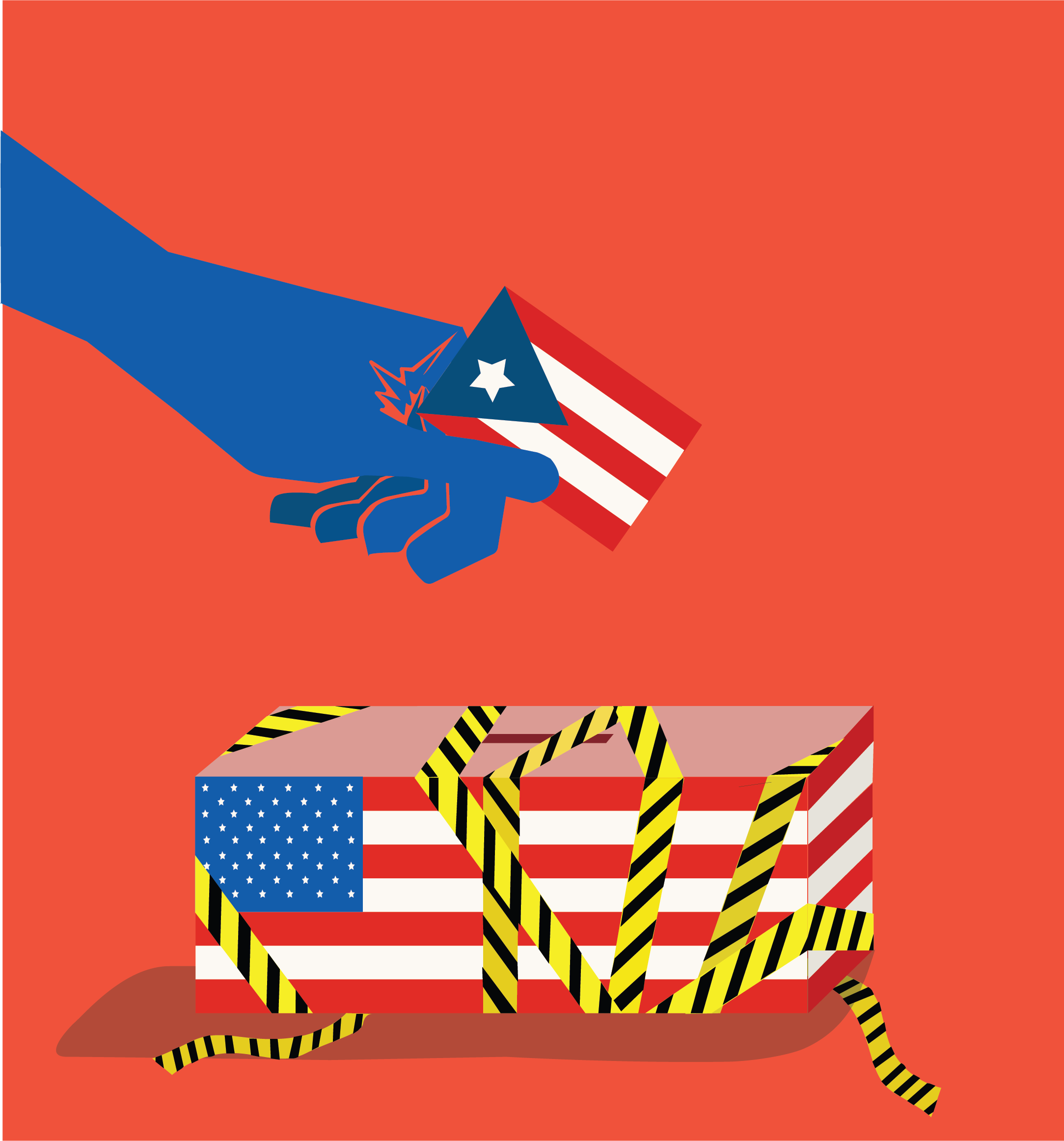
The inconsistency in turnout and the varying interpretations of referendum outcomes highlight the challenges in achieving a clear mandate that Puerto Rico can present to the U.S. Congress.
Political Factions and Their Goals
The debate over Puerto Rico’s status is largely driven by three main political factions:
- The Pro-Statehood Movement (Partido Nuevo Progresista – PNP): Advocates for Puerto Rico to become the 51st state of the United States. Proponents argue that statehood would grant Puerto Ricans full U.S. citizenship rights, including voting representation in Congress and the ability to vote for the President. They believe statehood would bring economic benefits through increased federal funding and investment.
- The Pro-Commonwealth Movement (Partido Popular Democrático – PPD): Supports maintaining the current commonwealth status, often advocating for an “enhanced” commonwealth that grants greater autonomy while maintaining the benefits of U.S. citizenship and economic ties. Some within this movement also support the idea of free association, a status where Puerto Rico would be self-governing but maintain close ties with the U.S. for defense and economic cooperation.
- The Pro-Independence Movement (Partido Independentista Puertorriqueño – PIP): Seeks full independence for Puerto Rico, believing it is the only way to achieve true self-sovereignty and cultural preservation. Independence advocates argue that territorial status inherently limits Puerto Rico’s ability to control its own destiny and that a permanent relationship with the U.S. is not in the island’s best long-term interest.
Each of these factions actively engages in political campaigning, lobbying efforts in Washington D.C., and promoting their vision through public discourse and participation in referendums.
The Complexities of U.S. Federal Law and Puerto Rican Governance
The ongoing debate over voting rights is deeply rooted in the intricate legal framework that governs Puerto Rico’s relationship with the United States. The U.S. Congress has the ultimate authority to determine Puerto Rico’s political status, and any change would require federal legislation.
The Insular Cases and Their Legacy
A series of U.S. Supreme Court decisions, collectively known as the “Insular Cases” (early 20th century), established the precedent that territories acquired by the U.S. were not necessarily on a path to statehood and that U.S. constitutional rights could be applied differently in these unincorporated territories. These cases have been criticized for their colonial undertones and their role in perpetuating a second-class citizenship for residents of these territories. While some aspects of the Insular Cases have been reinterpreted or challenged over time, their fundamental principles continue to influence the legal understanding of Puerto Rico’s status.
Federal Funding and Economic Disparities
The issue of voting rights is also closely linked to economic disparities. Puerto Rico receives less federal funding than states, particularly in programs like Medicare and Medicaid. While Puerto Ricans pay federal taxes on goods and services (such as excise taxes and payroll taxes), they do not pay federal income tax on income earned within the island, a concession that has been a part of the commonwealth arrangement but is often cited by statehood advocates as a reason for continued economic disadvantage. The lack of full voting representation in Congress has been seen by many as a contributing factor to these economic inequalities, as Puerto Rico lacks the same lobbying power and political leverage as U.S. states.
The Path Forward: What Does the Future Hold?
The question of whether Puerto Rico gets to vote in U.S. federal elections remains unanswered in the context of full enfranchisement. The island’s political status is a persistent issue that continues to be debated by Puerto Ricans and U.S. policymakers alike.
Congressional Action and the Will of the People
Ultimately, any change to Puerto Rico’s political status, including the extension of full voting rights, would require an act of the U.S. Congress. While Puerto Ricans have expressed their preferences in referendums, these votes have not yet translated into decisive federal action. The U.S. Congress faces the challenge of navigating the diverse opinions within Puerto Rico and reconciling them with national interests and political realities.
There have been various legislative proposals introduced in Congress aimed at addressing Puerto Rico’s status, but none have gained sufficient traction to become law. The political will within Congress to enact a permanent solution remains a significant hurdle.
The Ongoing Struggle for Equality
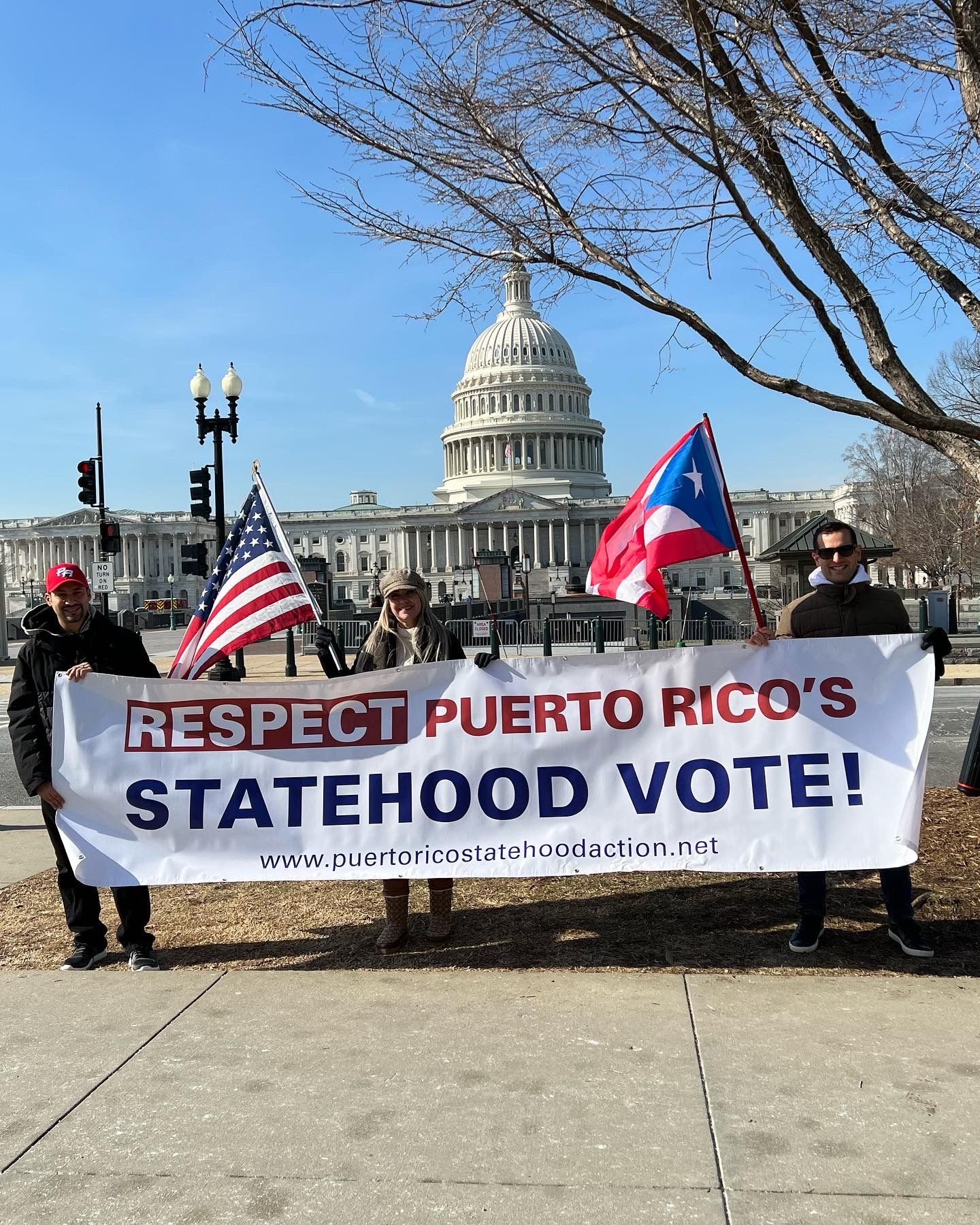
The desire for full political participation is a fundamental aspect of self-governance and democratic ideals. For the millions of U.S. citizens living in Puerto Rico, the question of whether they get to vote is not merely a legal or political technicality; it is a matter of fundamental rights and equality. The ongoing debate underscores the persistent quest for self-determination and the hope for a future where Puerto Ricans have a full and equal voice in the nation they are a part of. The journey towards resolving Puerto Rico’s political status is a testament to the enduring spirit of its people and their unwavering commitment to democratic principles.
LifeOutOfTheBox is a participant in the Amazon Services LLC Associates Program, an affiliate advertising program designed to provide a means for sites to earn advertising fees by advertising and linking to Amazon.com. Amazon, the Amazon logo, AmazonSupply, and the AmazonSupply logo are trademarks of Amazon.com, Inc. or its affiliates. As an Amazon Associate we earn affiliate commissions from qualifying purchases.