
Understanding Size: A Matter of Perspective
When considering the size of any geographical entity, from a bustling city to a sprawling island territory, context is paramount. The question “How big is Puerto Rico compared to a US state?” immediately invites an exploration of land area, population density, and the practical implications these metrics have for visitors and residents alike. For those planning a trip, understanding the scale of Puerto Rico can significantly influence itinerary planning, transportation choices, and the overall pace of their journey. Is it an island easily traversed in a weekend, or does it require dedicated exploration akin to a multi-day excursion within a larger mainland state? By drawing comparisons to familiar US states, we can begin to paint a clearer picture of Puerto Rico’s dimensions, making its vastness, or its compact nature, more tangible.
Land Area: The Raw Numbers
The most straightforward comparison lies in sheer land area. Puerto Rico boasts a total area of approximately 3,515 square miles (9,098 square kilometers). To put this into perspective, let’s consider some US states that fall within a similar size range.
- Delaware: The second smallest US state, Delaware covers about 2,489 square miles. Puerto Rico is noticeably larger than Delaware, offering more diverse landscapes and attractions to explore.
- Rhode Island: The smallest US state, Rhode Island, spans just 1,545 square miles. Puerto Rico is more than double the size of Rhode Island, providing a significantly broader canvas for travel experiences.
- Connecticut: With an area of 5,543 square miles, Connecticut is larger than Puerto Rico. However, the comparison remains valuable. While Connecticut might offer a greater expanse, Puerto Rico packs its landmass with an incredible density of natural beauty and cultural richness.
- New Jersey: The fourth smallest state, New Jersey, covers 8,723 square miles. Puerto Rico’s area is quite comparable to that of New Jersey, suggesting that the travel experience might involve a similar amount of ground to cover when exploring its entirety.
- Massachusetts: At 10,554 square miles, Massachusetts is considerably larger than Puerto Rico. However, the densely populated nature of Puerto Rico often makes it feel more compact than its land area might suggest when comparing it to a more sparsely populated state of similar size.
From these comparisons, it’s evident that Puerto Rico is not a tiny speck in the Caribbean. It is a substantial landmass capable of hosting a diverse range of activities and offering a rich tapestry of experiences, akin to exploring a mid-sized mainland state.
Population Density: A Lively Landscape
Beyond land area, population density offers another critical perspective on size and the feeling of space. Puerto Rico is home to over 3.2 million people, making it one of the most densely populated islands in the Caribbean and indeed, in the world. This high population density contributes to a vibrant atmosphere and ensures that attractions, restaurants, and accommodations are readily available across the island.
Comparing this to US states:
- New Jersey: As mentioned, New Jersey has a similar land area to Puerto Rico. However, New Jersey has a population of over 9 million, resulting in a higher overall population density. Despite this, Puerto Rico feels very much alive, with a significant concentration of people and activity, particularly in and around San Juan.
- Rhode Island: While Rhode Island is smaller in land area, it has a lower population (around 1.1 million). This means that despite its size, Puerto Rico has a much more concentrated population, contributing to a bustling feel.
- Florida: A much larger state at over 65,000 square miles, Florida has a population of over 22 million. While Florida has more people and a larger landmass, the experience of exploring Puerto Rico often feels more cohesive and accessible due to its island nature and a more concentrated hub of activity, especially in its major cities.
The high population density of Puerto Rico means that even outside of the main urban centers, one is rarely far from a community. This translates to a rich cultural experience, readily available local businesses, and a constant sense of engagement with the island’s inhabitants. For travelers, this means a greater variety of dining options, opportunities to interact with locals, and a more immersive cultural understanding, all within a manageable geographical scope.
Implications for Travel and Exploration
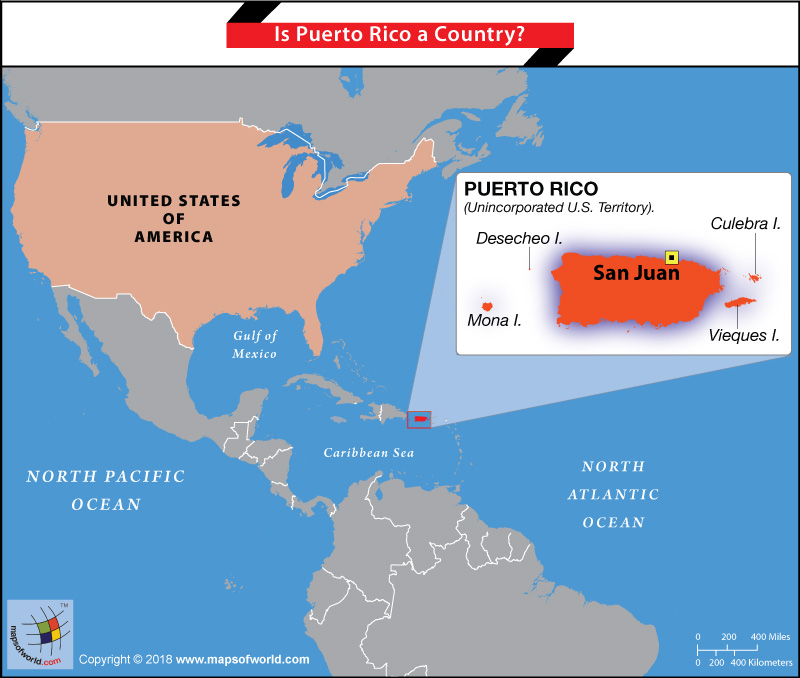
Understanding the size of Puerto Rico in relation to US states has direct implications for how one might plan a visit.
Itinerary Planning
- Within a Week: A week-long trip is more than sufficient to experience the highlights of Puerto Rico, including exploring the historic charm of Old San Juan, relaxing on the beaches of the north coast, and venturing into the El Yunque National Forest. This is comparable to a focused trip within a state like Connecticut or New Jersey, where you can cover significant ground and experience diverse environments without feeling rushed.
- Extended Stays: For those who wish to delve deeper, perhaps exploring the less-visited corners of the west coast, venturing to the smaller islands of Vieques and Culebra, or undertaking extensive hiking in the mountains, a two-week or longer itinerary would be ideal. This allows for a more leisurely pace and the discovery of hidden gems, much like spending an extended period exploring a larger state like Pennsylvania or New York.
Transportation
The size and density of Puerto Rico make car rental a highly recommended option for most visitors, especially those looking to explore beyond San Juan. Driving times are generally manageable. For instance, driving from San Juan to the popular surfing town of Rincón on the west coast takes approximately 2 to 2.5 hours. This is comparable to driving between major cities in states like Ohio or Illinois. Public transportation exists, particularly within San Juan, but it is not as comprehensive as in many large mainland US cities. This means that for freedom and flexibility, having your own vehicle is key to unlocking the island’s full potential, much like when exploring the diverse landscapes of a state like Colorado.
Regional Exploration
Puerto Rico can be broadly divided into distinct regions, each offering unique attractions and atmospheres:
- The North Coast: Home to the capital city San Juan with its historic forts like Castillo San Felipe del Morro and vibrant nightlife, this region also boasts beautiful beaches and the entrance to the El Yunque National Forest.
- The South Coast: Known for its drier climate, unique bioluminescent bays (such as Mosquito Bay in Vieques, though Vieques is off the main island), and charming coastal towns like Ponce.
- The West Coast: Famous for its surfing beaches near Rincón and the stunning Desecheo Island for diving.
- The East Coast: The gateway to the islands of Vieques and Culebra, offering world-renowned beaches like Flamenco Beach.
- The Interior (Central Mountains): Offering cooler temperatures, coffee plantations, and hiking opportunities through the Cordillera Central mountain range.
This regional diversity within a relatively compact area mirrors the experience of exploring a mid-sized state that encompasses mountains, coastlines, and urban centers, such as California (though California is vastly larger, the principle of regional diversity applies) or perhaps a more focused exploration of a state like Vermont with its varied natural landscapes and distinct communities.

A Compact Jewel Box of Experiences
In conclusion, while Puerto Rico is not a US state in the traditional sense, its comparison in size to states like Delaware, Rhode Island, and New Jersey reveals it to be a substantial and diverse destination. Its land area is significant enough to accommodate a wide array of natural wonders, from lush rainforests to pristine beaches, and its rich history is evident in its colonial architecture and ancient sites. Furthermore, its high population density ensures a vibrant and engaging atmosphere, offering a constant connection to its culture and people.
For the traveler, this means that Puerto Rico offers an accessible yet expansive experience. It is large enough to warrant dedicated exploration, with diverse regions to discover and a variety of activities to fill days, weeks, or even months. Yet, it remains compact enough to feel navigable and manageable, allowing visitors to experience a wealth of attractions without the logistical challenges often associated with covering vast continental expanses. It is, in essence, a jewel box of experiences, packed with immense beauty, culture, and adventure within its well-defined borders, comparable to a state that offers concentrated richness rather than sprawling emptiness.
LifeOutOfTheBox is a participant in the Amazon Services LLC Associates Program, an affiliate advertising program designed to provide a means for sites to earn advertising fees by advertising and linking to Amazon.com. Amazon, the Amazon logo, AmazonSupply, and the AmazonSupply logo are trademarks of Amazon.com, Inc. or its affiliates. As an Amazon Associate we earn affiliate commissions from qualifying purchases.