
The allure of Puerto Rico – its sun-drenched beaches, vibrant culture, and the promise of a life less ordinary – has captured the imagination of many. As more individuals consider a permanent or extended stay on the island, a crucial question arises: “Is it expensive to live in Puerto Rico?” The answer, like many things about this captivating Caribbean gem, is nuanced. It’s not a simple yes or no, but rather a tapestry woven with threads of personal lifestyle, location within the island, and a keen understanding of the local economic landscape. For those contemplating a move, a comprehensive look at the cost of living is essential.
Housing Costs: The Biggest Variable
The most significant factor influencing the cost of living in Puerto Rico is undeniably housing. While Puerto Rico offers a diverse range of living situations, from bustling urban centers to tranquil coastal villages, the price tags associated with them can vary dramatically. This variability is not just between different towns or cities, but also within neighborhoods themselves.
Renting vs. Owning
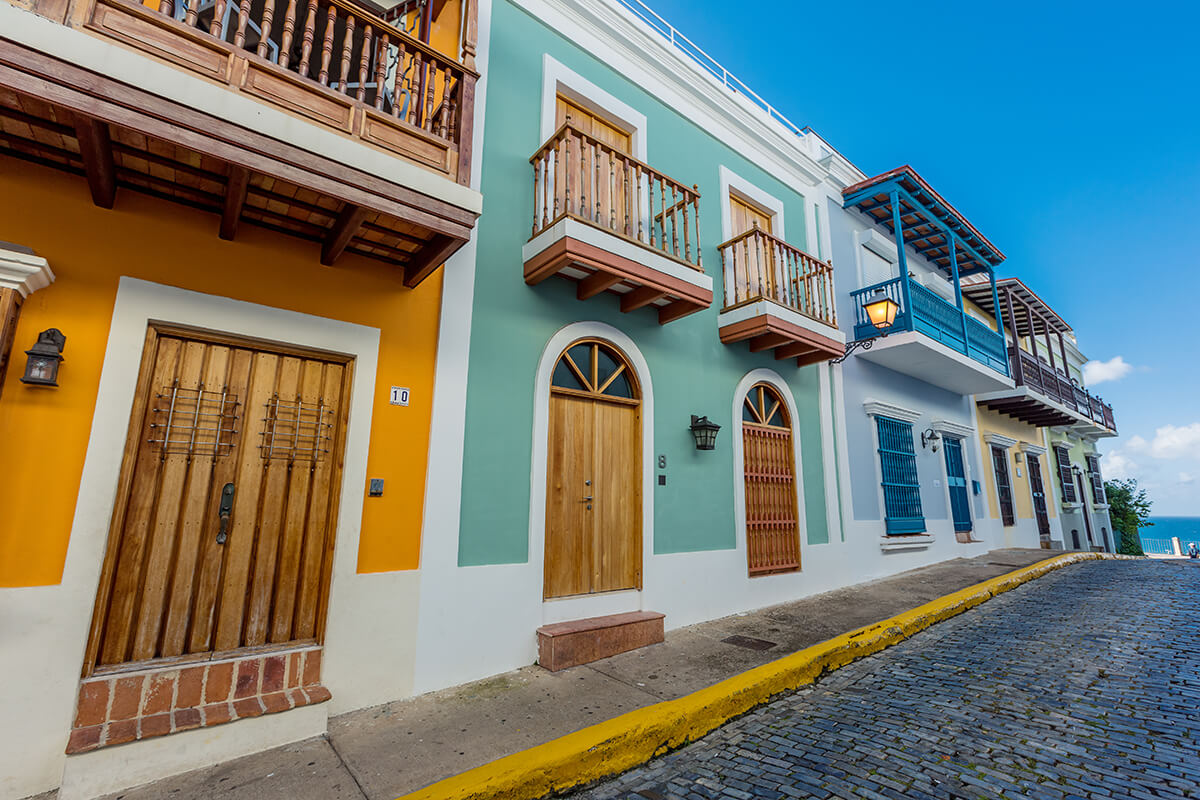
For renters, the monthly expenditure will depend heavily on the type of property and its location. In prime areas of San Juan, particularly in neighborhoods like Condado or Isla Verde, rents for modern apartments or houses can rival those found in major U.S. mainland cities. A two-bedroom apartment in a desirable San Juan district might range from $1,500 to $3,000 per month, or even more for luxury beachfront properties. Outside of San Juan, especially in smaller towns or more rural areas, rents can be considerably lower. A comfortable three-bedroom house in a less developed region might be found for $800 to $1,500 per month.
Owning property involves a different set of considerations. Property taxes in Puerto Rico are generally lower than in many U.S. states, which can be an attractive proposition for potential homeowners. However, the initial purchase price of real estate can still be substantial, especially for properties with ocean views or in sought-after locations. Maintenance costs for homes, particularly those exposed to the coastal elements, should also be factored in.
Utilities and Associated Costs
Beyond the base rent or mortgage, utilities represent another significant monthly expense. Electricity is often the largest utility cost, and it can be surprisingly high, especially during warmer months when air conditioning is a necessity. Rates are generally higher than in the continental United States. This is partly due to Puerto Rico‘s reliance on imported fossil fuels for power generation. A monthly electricity bill for a moderate-sized home could easily range from $150 to $300 or more, depending on usage.
Water bills are typically more modest, often falling between $30 and $60 per month. Internet and cable services are comparable to mainland prices, with packages ranging from $70 to $150 per month, again depending on speed and provider. The cost of propane for cooking and heating water (if applicable) is also a recurring expense.
Daily Living Expenses: Groceries, Transportation, and More
Once housing is addressed, the everyday costs of living come into focus. This includes everything from the weekly grocery shop to getting around the island.
Groceries and Dining Out
The cost of groceries in Puerto Rico can be a point of contention for many new residents. Imported goods, which make up a significant portion of supermarket stock, can be more expensive than their mainland counterparts. This is due to shipping costs and import duties. However, there’s a growing emphasis on locally sourced produce and products, which can help to mitigate these costs. Farmers’ markets and local “colmados” (small neighborhood grocery stores) often offer fresher items at competitive prices.
A realistic monthly grocery budget for a single person might range from $300 to $500, while a family of four could expect to spend $700 to $1,200, depending on dietary habits and where they shop.
Dining out in Puerto Rico offers a spectrum of options, from humble roadside kiosks serving delicious local fare to upscale restaurants in San Juan. Eating at local “comedores” or “chinchorros” can be very affordable, with meals often costing under $10. However, dining at fine dining establishments or trendy restaurants in tourist hotspots will naturally incur higher costs, comparable to or even exceeding those in major U.S. cities.
Transportation: Getting Around the Island
Transportation is another area where costs can vary significantly based on personal circumstances and location. Owning a car is often considered essential for those living outside the main urban centers of San Juan. The cost of purchasing a vehicle, insurance, and fuel should be factored into the budget. Gas prices in Puerto Rico tend to be higher than the U.S. mainland average.
For those residing in San Juan or its surrounding areas, public transportation options are more readily available. The Tren Urbano, a commuter train service, connects several municipalities in the northern coastal region. While it’s a cost-effective way to travel between these points, its reach is limited. Taxis and ride-sharing services are also available, but costs can add up quickly, especially for longer distances. For a single person relying on ride-sharing for most of their commuting, a monthly budget of $100-$200 might suffice. For car owners, fuel, insurance, and maintenance could easily add $200-$400 per month to their expenses, not including the car payment.
Other Essential Expenses: Healthcare, Education, and Entertainment
Beyond the fundamental needs, other expenses play a role in the overall cost of living.
Healthcare
Puerto Rico has a healthcare system that is generally considered good, with a mix of public and private facilities. Many medical professionals are trained in the United States and speak English. Health insurance is a critical consideration for anyone moving to the island. If you are employed by a Puerto Rico-based company, your employer may offer health insurance benefits. For those who are self-employed or working remotely, obtaining private health insurance is essential. Premiums can vary widely based on age, coverage level, and chosen provider. It is advisable to research options thoroughly and obtain quotes in advance. For retirees or those not covered by an employer plan, monthly health insurance premiums could range from $300 to $700 or more per person.
Education
For families with children, education is a significant expense. Puerto Rico offers public schools, which are free to attend, but the quality can vary. Many expatriates and affluent locals opt for private schools, which can be expensive. These schools often follow a U.S.-based curriculum and may offer bilingual education. Tuition fees at private schools can range from $5,000 to $15,000 or more per year, per child, making this a substantial part of the budget for families.
Entertainment and Leisure
The cost of entertainment and leisure activities in Puerto Rico is as varied as the island itself. Access to beautiful beaches, hiking in national forests like El Yunque National Forest, and enjoying local festivals are often free or low-cost activities. However, dining at upscale restaurants, visiting popular tourist attractions like Old San Juan, attending concerts or sporting events, or indulging in activities such as scuba diving or sailing excursions can add up. A moderate monthly budget for entertainment for a couple might be $200 to $500, depending on their preferences.
Conclusion: A Relative Expense
So, is it expensive to live in Puerto Rico? For someone accustomed to the lower cost of living in certain parts of the southern or midwestern United States, Puerto Rico might feel moderately expensive, primarily due to utility costs and certain imported goods. However, compared to major coastal cities on the mainland United States like New York City, Los Angeles, or Miami, Puerto Rico can offer a significantly lower cost of living, especially concerning housing and property taxes.
The key to an affordable life in Puerto Rico lies in mindful budgeting, understanding local pricing, and embracing the island’s culture. By prioritizing locally sourced products, seeking out affordable housing options outside the most exclusive areas, and embracing the numerous free or low-cost natural attractions, residents can enjoy a high quality of life without breaking the bank. Ultimately, whether Puerto Rico is expensive is a subjective question, answered by individual choices, financial planning, and a willingness to adapt to the island’s unique rhythm.
LifeOutOfTheBox is a participant in the Amazon Services LLC Associates Program, an affiliate advertising program designed to provide a means for sites to earn advertising fees by advertising and linking to Amazon.com. Amazon, the Amazon logo, AmazonSupply, and the AmazonSupply logo are trademarks of Amazon.com, Inc. or its affiliates. As an Amazon Associate we earn affiliate commissions from qualifying purchases.