
Exploring the intricate tapestry of identity in Puerto Rico often leads to a nuanced discussion about its place within broader cultural and ethnic classifications. The questions of whether Puerto Rico is “Hispanic” or “Latino” are not merely semantic; they delve into history, language, culture, and the lived experiences of its people. Understanding these distinctions is crucial for anyone seeking to appreciate the island’s unique heritage and its connections to the global Spanish-speaking and Latin American worlds.
Defining “Hispanic” and “Latino”
Before we can situate Puerto Rico, it’s essential to clarify the terms “Hispanic” and “Latino.” While often used interchangeably, they carry distinct meanings, each with its own historical and linguistic roots.

Hispanic Origins and Scope
The term “Hispanic” primarily refers to people, cultures, or languages that are derived from Spain. This includes countries where Spanish is the official language and Spanish culture has had a significant influence. The focus here is on language and a shared colonial history. Therefore, countries like Spain itself, and many nations in Latin America where Spanish is spoken, are considered Hispanic. This classification often emphasizes the linguistic connection to Castilian Spanish.
Latino/Latinx: A Broader Reach
“Latino” (or the gender-neutral “Latinx”) is a broader term that encompasses people from Latin America. This includes not only Spanish-speaking countries but also those where Portuguese is spoken, such as Brazil. The key differentiator here is geographical origin in the Americas, specifically the region colonized by Romance-language speaking powers (primarily Spain and Portugal). It embraces a wider array of cultural influences, including Indigenous and African traditions, which have shaped the distinct identities of these nations. The term “Latino” is generally preferred by many in the United States to acknowledge this wider geographic and cultural scope, which can feel more inclusive than the linguistic focus of “Hispanic.”
Puerto Rico’s Place in the Definitions
Given these definitions, let’s examine how Puerto Rico fits into both categories.
Puerto Rico: A Hispanic Nation
From a linguistic and historical perspective, Puerto Rico is undeniably Hispanic. Its colonial past under Spain for over 400 years cemented Spanish as its primary language. The island’s legal system, educational framework, religious traditions, and much of its cultural heritage are deeply rooted in its Spanish colonial legacy. The Spanish language is a fundamental aspect of daily life, from the vibrant streets of San Juan to the most remote villages. The influence of Spanish literature, music, and art is palpable throughout the island. This strong linguistic and historical connection makes the “Hispanic” label a perfectly valid and accurate descriptor.
Puerto Rico: A Latino Island
Simultaneously, Puerto Rico is unequivocally Latino. As a territory of the United States, located in the Caribbean, it is geographically part of Latin America. The island’s culture is a rich synthesis of Spanish, Indigenous Taíno, African, and later American influences. This unique blend has created a distinct Puerto Rican identity that is celebrated through its music, dance, cuisine, and traditions. The vibrant rhythms of salsa, the soulful sounds of bomba and plena, and the diverse flavors of mofongo all speak to a cultural heritage that extends beyond mere linguistic ties. The experience of being Puerto Rican involves navigating this complex intersection of cultures, making the “Latino” designation equally fitting and often preferred for its broader cultural embrace.
The Nuance of Identity for Puerto Ricans
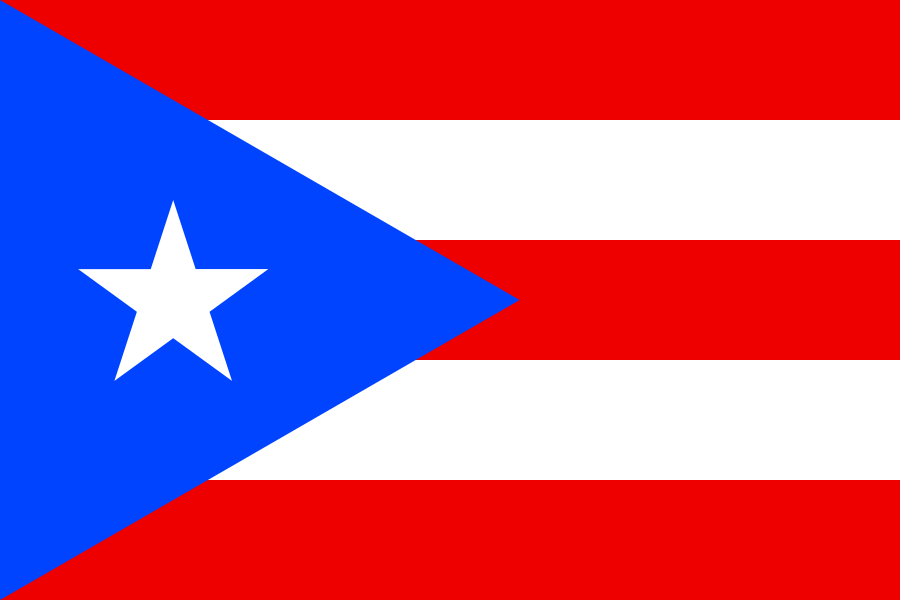
The question of “Hispanic or Latino” for Puerto Rico is less about choosing one over the other and more about recognizing the multifaceted nature of its identity. Many Puerto Ricans identify with both terms, understanding their distinct meanings and the ways in which they apply to their heritage.
The Impact of U.S. Citizenship and Statehood Debate
The political status of Puerto Rico as a U.S. territory also adds layers to this discussion, particularly within the context of the United States. For Puerto Ricans living on the mainland, the choice between “Hispanic” and “Latino” can sometimes be influenced by how these terms are used and perceived in American society. The ongoing debate about statehood, commonwealth status, or independence further complicates identity politics. While the island’s cultural and linguistic ties are undeniably Spanish, its political relationship with the United States and its geographical location in the Americas position it firmly within the broader Latin American sphere.
Cultural Expressions Beyond Labels
Ultimately, the most profound understanding of Puerto Rico’s identity lies not in rigid labels but in its vibrant cultural expressions. The island is a microcosm of cultural fusion, a place where history, language, and diverse influences converge to create something unique and powerful. Whether one uses “Hispanic” to acknowledge the linguistic and colonial heritage, or “Latino” to embrace the broader geographical and cultural scope, both terms capture elements of the Puerto Rican experience.
Experiencing Puerto Rico’s Cultural Richness
To truly grasp the identity of Puerto Rico, one must immerse oneself in its culture. This involves exploring its historical landmarks, savoring its distinctive cuisine, and engaging with its lively arts scene.
Historical Echoes in Old San Juan
A visit to Old San Juan offers a tangible connection to the island’s Hispanic past. The cobblestone streets, the majestic Castillo San Felipe del Morro and Castillo San Cristóbal, and the colorful colonial architecture all whisper tales of centuries under Spanish rule. These fortifications, UNESCO World Heritage sites, stand as testaments to the strategic importance of the island and the enduring legacy of Spanish military and architectural prowess. Wandering through these ancient structures provides a deep appreciation for the historical narrative that shapes contemporary Puerto Rican identity.
Culinary Journeys: A Fusion of Flavors
Puerto Rican cuisine is a delicious testament to its hybrid heritage, a perfect embodiment of its Hispanic and Latino roots. The staples of rice and beans, influenced by Spanish traditions, are elevated with African spices and Indigenous ingredients. Dishes like arroz con gandules (rice with pigeon peas), mofongo (mashed plantains with garlic and pork cracklings), and lechón (roasted pig) showcase this masterful blend. The fresh seafood, tropical fruits like mangoes and passion fruit, and the ubiquitous coffee grown on the island further contribute to a unique culinary landscape. Exploring the food markets, family-run fondas, and upscale restaurants across the island provides an edible journey through its cultural fusion.
Artistic Vibrancy and Musical Rhythms
The artistic and musical landscape of Puerto Rico is a dynamic reflection of its identity. The island has produced world-renowned musicians, artists, and writers who have contributed significantly to both Hispanic and Latin American cultural canons. The infectious rhythms of salsa, merengue, and reggaeton, all with strong Puerto Rican roots, have captivated global audiences. Traditional music forms like bomba and plena, with their African influences, offer a deeper dive into the island’s ancestral heritage. Contemporary art galleries showcase a diverse range of talent, often exploring themes of identity, history, and the island’s unique place in the world. Attending a live music performance or visiting an art studio offers an intimate encounter with the spirit of the island.

Conclusion: A Spectrum of Identity
In conclusion, the question of whether Puerto Rico is Hispanic or Latino is elegantly answered by recognizing that it is both. Its Hispanic heritage is defined by its language and centuries of Spanish colonial history, while its Latino identity is rooted in its geographical location in the Americas and its rich blend of Indigenous, African, Spanish, and American cultural influences. The beauty of Puerto Rican identity lies in this very complexity. It is a living testament to the fluidity of culture and the ability of people to embrace multiple layers of belonging. When planning a visit, understanding these nuances enriches the travel experience, allowing for a deeper appreciation of the island’s people, its history, and its extraordinary cultural contributions to the world.
LifeOutOfTheBox is a participant in the Amazon Services LLC Associates Program, an affiliate advertising program designed to provide a means for sites to earn advertising fees by advertising and linking to Amazon.com. Amazon, the Amazon logo, AmazonSupply, and the AmazonSupply logo are trademarks of Amazon.com, Inc. or its affiliates. As an Amazon Associate we earn affiliate commissions from qualifying purchases.