
The question of Puerto Rico’s political status has been a complex and enduring one, shaping its identity, its relationship with the mainland United States, and its appeal as a destination. For travelers, understanding this nuanced relationship is key to appreciating the island’s unique cultural tapestry and its logistical realities. While it functions largely as a U.S. territory, with American currency and many federal laws applying, it is not a state, leading to distinct experiences and considerations for visitors. This article delves into what this political reality means for those exploring the island’s vibrant cities, lush landscapes, and rich heritage.

Navigating Identity: A U.S. Territory Like No Other
Puerto Rico’s status as an unincorporated territory of the United States is central to its identity. This designation means that while the U.S. Constitution is not fully applicable, and residents do not have full voting representation in the U.S. Congress, the island is under U.S. sovereignty. For travelers, this translates into a familiar framework in many aspects.
The Familiar Framework for Travelers
- Currency: The U.S. dollar is the official currency, making financial transactions straightforward for American visitors. There’s no need for currency exchange upon arrival.
- Language: English is an official language alongside Spanish, and while Spanish is spoken by the vast majority of the population and is integral to the island’s culture, English is widely understood in tourist areas, hotels, and major attractions.
- Identification: U.S. citizens do not require a passport to travel to Puerto Rico from the United States, much like traveling between any two U.S. states. This significantly simplifies travel planning for many.
- Telecommunications: Cell phone service typically works seamlessly for U.S.-based carriers, and internet access is generally reliable in most tourist hubs.
- Mail and Shipping: The U.S. Postal Service operates on the island, meaning mail and package delivery follow standard U.S. procedures.
Distinctive Differences and Cultural Richness
Despite these similarities, the “unincorporated territory” status fosters a unique cultural identity that sets Puerto Rico apart from the mainland. This distinctiveness is precisely what draws many travelers seeking an experience that is both familiar and exotic.
- A Melting Pot of Cultures: Puerto Rico’s heritage is a vibrant fusion of Indigenous Taíno, Spanish colonial, African, and American influences. This is most evident in its music, dance, cuisine, and architecture, offering a rich cultural immersion for visitors.
- Local Governance: While subject to federal laws, Puerto Rico has its own constitution and a locally elected governor and legislature, granting it a degree of autonomy that shapes its internal policies and priorities.
- Federal Programs and Funding: The island receives federal funding, but often at different levels than states, which can impact infrastructure, social services, and public works. This is a complex issue for residents but generally doesn’t directly affect the tourist experience, though it can influence the appearance of certain areas.
- No Federal Income Tax (for residents): A significant difference for Puerto Rican residents is the exemption from federal income tax, a policy that has historical roots and contributes to the island’s economic landscape.
Experiencing Puerto Rico: What the Status Means for Your Trip
For the discerning traveler, Puerto Rico’s political status is not a barrier but rather a key to understanding the island’s multifaceted charm. It allows for an accessible yet culturally rich destination that offers a distinct flavor from the continental United States.
Planning Your Visit: Practical Considerations
- Getting There: Flights from major U.S. cities to airports like Luis Muñoz Marín International Airport in San Juan are plentiful and often competitively priced, similar to domestic routes.
- Accommodation: You’ll find a wide range of accommodations, from luxury resorts like the Fairmont El San Juan Hotel to charming boutique hotels in Old San Juan and vacation rentals across the island. The booking processes are generally standard for U.S. travelers.
- Transportation: Renting a car is a popular option for exploring beyond the major cities, offering flexibility to visit places like the El Yunque National Forest or the beaches of Vieques and Culebra. Ride-sharing services are available in urban areas.
- Safety and Emergency Services: Emergency services operate under the U.S. 911 system, ensuring a familiar and reliable response in critical situations.
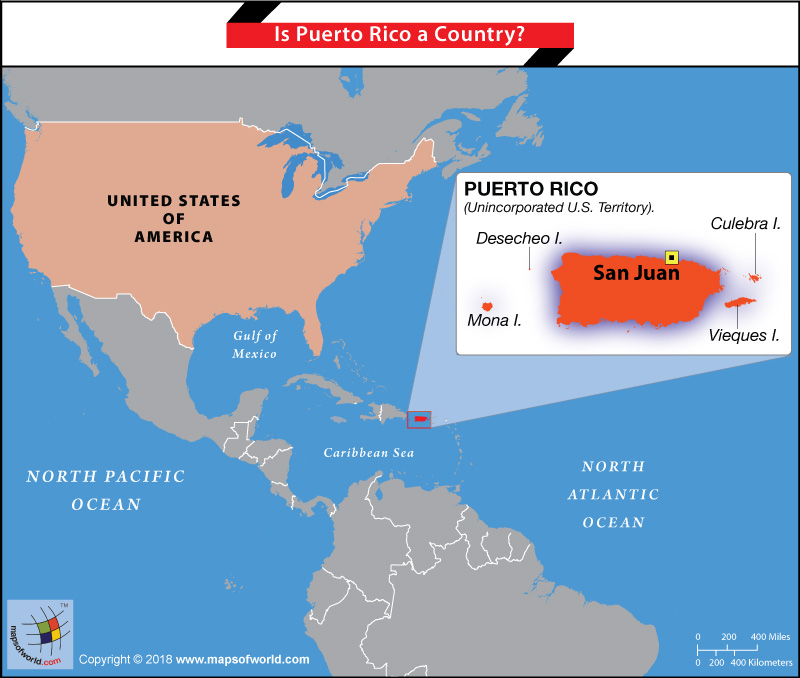
Embracing the Local Culture
The true magic of Puerto Rico lies in its vibrant culture, which has flourished under its unique political identity.
- Culinary Delights: The island’s cuisine is a testament to its blended heritage. From the savory mofongo and lechón to fresh seafood and tropical fruits, every meal is an adventure. Exploring local kioskos and chinchorros offers an authentic taste of Puerto Rican life.
- Festivals and Traditions: Throughout the year, Puerto Rico celebrates numerous festivals and patron saint days, offering visitors a chance to witness traditional music, dance, and processions. The island’s love for celebrations is infectious.
- Historical Immersion: The historic forts of Old San Juan, such as Castillo San Felipe del Morro and Castillo San Cristóbal, stand as proud monuments to Puerto Rico’s past and its strategic importance in the Caribbean.
- Artistic Expression: The island boasts a thriving arts scene, with galleries showcasing contemporary and traditional Puerto Rican art, from vibrant murals to intricate sculptures. Music, particularly salsa and reggaeton, is an integral part of daily life.
The Economic and Political Landscape: A Deeper Understanding
While the day-to-day experience for a tourist might not be heavily influenced by Puerto Rico’s political status, understanding the broader context adds depth to the travel experience. The ongoing discussions about statehood, independence, or maintaining the current commonwealth status are crucial to the island’s future and are part of its ongoing narrative.
Tourism’s Role in the Economy
Tourism is a vital sector for Puerto Rico, contributing significantly to its economy. The island actively promotes itself as a premier travel destination, leveraging its natural beauty, historical sites, and cultural attractions. Investment in infrastructure, from airports to roads and hotels, is often a direct result of this focus on tourism.
Federal Relations and Development
The island’s relationship with the federal government impacts its economic development policies, disaster relief efforts, and the implementation of various U.S. federal programs. For instance, recovery efforts following hurricanes like Maria have highlighted the complexities of Puerto Rico’s dependence on and relationship with federal aid.
The Future of Puerto Rico
The debate over Puerto Rico’s political future is a constant undercurrent. Whether the island eventually becomes the 51st state, gains greater autonomy, or pursues a different path, these discussions are intrinsically linked to its identity and its role on the global stage. For travelers, this dynamic political landscape adds another layer of interest to their visit, an awareness of a place actively shaping its destiny.

Conclusion: A Destination of Distinction
So, is Puerto Rico the United States? In practical terms for the traveler, it shares many similarities, offering a familiar and accessible experience. Yet, it is profoundly more. It is a vibrant nation with a distinct soul, a rich history, and a culture that is celebrated and fiercely protected by its people. This unique blend of familiarity and distinctiveness is precisely what makes Puerto Rico an unparalleled travel destination, offering an adventure that is both comfortable and captivating. It invites exploration, encourages cultural exchange, and promises an experience that resonates long after one departs its sun-drenched shores.
LifeOutOfTheBox is a participant in the Amazon Services LLC Associates Program, an affiliate advertising program designed to provide a means for sites to earn advertising fees by advertising and linking to Amazon.com. Amazon, the Amazon logo, AmazonSupply, and the AmazonSupply logo are trademarks of Amazon.com, Inc. or its affiliates. As an Amazon Associate we earn affiliate commissions from qualifying purchases.