
Navigating the financial aspects of travel to any new destination can sometimes feel like deciphering an ancient code. For those planning a visit to the vibrant island of Puerto Rico, a common and practical question arises: “What currency do they use?” Understanding this fundamental detail is crucial for seamless budgeting, shopping, dining, and overall enjoyment of your trip. Fortunately, the answer is straightforward and significantly simplifies financial planning for travelers.
The United States Dollar: Your Reliable Companion
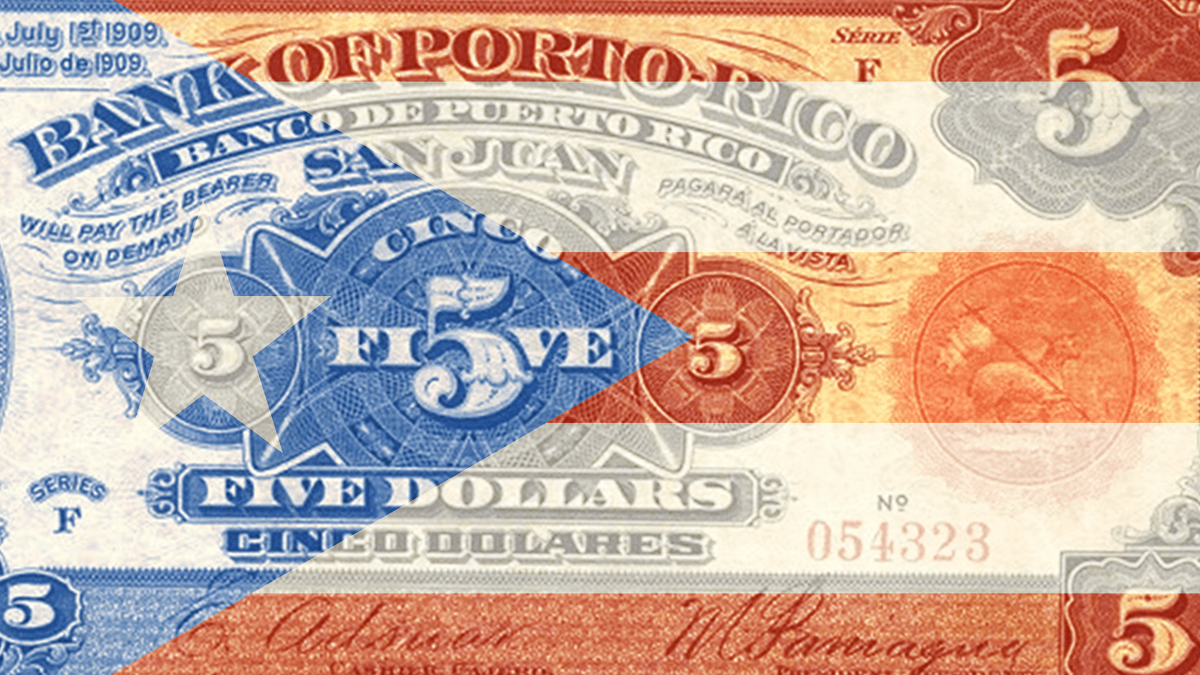
The official currency of Puerto Rico is the United States Dollar (USD). This means that the same bills and coins you use in mainland United States are also legal tender on the island. This fact alone is a tremendous convenience for American travelers, as it eliminates the need for currency exchange, associated fees, and the confusion that often accompanies dealing with foreign monetary systems.

A Familiar Financial Landscape
For visitors from the United States, this means your credit cards, debit cards, and cash will be accepted without any special considerations. ATMs on the island dispense US Dollars, and prices at shops, restaurants, and attractions will be clearly marked in USD. This familiarity fosters a sense of ease and allows you to focus more on experiencing the rich culture, stunning landscapes, and captivating history of Puerto Rico rather than worrying about the practicalities of exchange rates.
Implications for International Travelers
For travelers arriving from countries outside the United States, the situation is slightly different but still manageable. While you will need to exchange your home currency for US Dollars before or upon arrival, the widespread acceptance of USD globally means that obtaining them is generally straightforward. Banks, currency exchange bureaus, and many ATMs internationally will offer US Dollars. Once you are in Puerto Rico, you will find that USD is the standard for all transactions, simplifying your spending throughout your visit.
Spending Your Dollars: Practical Considerations
While the currency itself is familiar, understanding how to best use it in Puerto Rico can enhance your travel experience and help you manage your budget effectively.
Cash vs. Card
Both cash and credit/debit cards are widely accepted across Puerto Rico.
- Credit and Debit Cards: Major credit cards like Visa, Mastercard, American Express, and Discover are accepted at most hotels, larger restaurants, souvenir shops, and major attractions. It is always a good idea to inform your bank of your travel dates to avoid any potential card-blocking due to unusual activity. For smaller businesses, local eateries, or vendors in more remote areas, cash might be the preferred or only option.
- Cash: Carrying some cash is highly recommended. It’s useful for small purchases, tips, local markets, and situations where card machines might not be available or functional. ATMs are readily available in most towns and tourist areas, dispensing US Dollars. It’s advisable to withdraw cash from bank-affiliated ATMs to minimize transaction fees.
Tipping Culture
Tipping practices in Puerto Rico largely mirror those in the mainland United States.

- Restaurants: A gratuity of 15-20% is customary for good service in sit-down restaurants, especially in tourist areas. Many establishments automatically include a service charge, so it’s wise to check your bill before adding an additional tip.
- Bars: Tipping bartenders around $1-$2 per drink or 15-20% of the total bill is standard.
- Hotel Staff: Bellhops typically receive $1-$2 per bag, and housekeeping staff can be tipped $2-$5 per day.
- Tour Guides and Drivers: Tipping tour guides and drivers is also appreciated, with amounts varying based on the length and quality of service, typically around 10-20%.
Budgeting for Your Trip
Since the currency is the US Dollar, budgeting is relatively uncomplicated. You can use your own spending habits as a baseline, keeping in mind that prices in tourist hotspots might be slightly higher than in less frequented areas.
- Accommodation: From luxury resorts like Dorado Beach, a Ritz-Carlton Reserve to charming guesthouses in Old San Juan, prices vary significantly. Booking in advance, especially during peak season, can help secure better rates.
- Dining: You can enjoy everything from fine dining experiences to delicious and affordable street food (known as “kioskos”). A meal at a casual eatery might cost $15-$25, while a more upscale restaurant could range from $40-$75+ per person.
- Activities and Attractions: Entrance fees for museums, historical sites like El Morro, and organized tours will all be priced in USD. Consider purchasing passes or booking tours in advance for potential savings.
- Transportation: Rental cars are a popular option for exploring the island, with daily rates typically ranging from $50-$100+. Public transportation is available in San Juan, and taxis or ride-sharing services are also options.
Beyond the Dollar: Financial Etiquette and Tips
While the currency is standard, understanding some local nuances can further enhance your financial interactions in Puerto Rico.
Avoiding Unnecessary Fees
- ATM Fees: Be mindful of fees charged by your bank and the local ATM operator. Using ATMs affiliated with major banking networks or withdrawing larger sums less frequently can help mitigate these costs.
- Foreign Transaction Fees: If you are using a credit or debit card from a non-US bank, check for foreign transaction fees. Many travel-focused credit cards waive these fees.
- Dynamic Currency Conversion (DCC): When using your card abroad, you might be offered the option to pay in your home currency or the local currency (US Dollar). Always choose to pay in the local currency (US Dollar) as this typically results in a more favorable exchange rate provided by your bank rather than the merchant’s processor.
Supporting Local Businesses
While major establishments accept cards, making an effort to use cash at local markets, small family-owned restaurants (known as “fondas”), and artisanal shops can directly benefit the local economy. These establishments often offer authentic cultural experiences and unique souvenirs. Exploring places like the Mercado de Santurce can provide a taste of local life and opportunities to purchase goods directly from producers.
Currency Exchange for Non-US Travelers
For travelers not using US Dollars as their primary currency, planning your exchange is key.
- At Home: Exchanging some currency before you leave your home country can provide immediate funds upon arrival.
- Airport Exchange: Airport exchange booths often offer convenience but may have less favorable rates than banks.
- Banks: Local banks in Puerto Rico typically offer competitive exchange rates.
- ATMs: As mentioned, ATMs are a reliable source for US Dollars. Ensure your debit card is enabled for international withdrawals and be aware of potential fees.
Conclusion: Financial Simplicity for an Unforgettable Journey
The straightforward answer to “What currency do they use in Puerto Rico?” is the United States Dollar. This fundamental piece of information significantly simplifies financial planning for most travelers, especially those from the United States. By understanding how to use cash and cards effectively, being mindful of tipping customs, and planning your budget with the familiar US Dollar in mind, you can ensure that your financial interactions are as smooth and pleasant as the island’s turquoise waters and palm-lined beaches. This financial ease allows you to fully immerse yourself in the rich tapestry of Puerto Rican culture, from the historic streets of Old San Juan to the bio-luminescent bays of Vieques, creating memories that will last a lifetime.
LifeOutOfTheBox is a participant in the Amazon Services LLC Associates Program, an affiliate advertising program designed to provide a means for sites to earn advertising fees by advertising and linking to Amazon.com. Amazon, the Amazon logo, AmazonSupply, and the AmazonSupply logo are trademarks of Amazon.com, Inc. or its affiliates. As an Amazon Associate we earn affiliate commissions from qualifying purchases.