
As the Caribbean sun beckons and the turquoise waters of the Atlantic Ocean and the Caribbean Sea invite exploration, understanding the prevailing weather conditions in Puerto Rico is paramount for any discerning traveler. This vibrant island, a jewel of the United States in the heart of the archipelago, boasts a tropical maritime climate characterized by warmth, humidity, and distinct wet and dry seasons. Whether you’re planning a spontaneous getaway or meticulously crafting an itinerary, a comprehensive grasp of the meteorological landscape will significantly enhance your experience, from packing the right attire to selecting the ideal activities and ensuring your comfort throughout your stay.
The weather in Puerto Rico is a dynamic tapestry woven with sunshine, occasional rain showers, and consistent warmth, making it a perennial favorite for vacationers year-round. While the island experiences no true winter in the traditional sense, there are subtle shifts in temperature and precipitation that define its climatic rhythm. For the traveler, this translates into an environment that is generally conducive to outdoor pursuits, beach lounging, and cultural immersion, with only minor adjustments needed based on the specific month of visit.
Understanding Puerto Rico’s Tropical Climate
Puerto Rico is situated in the Tropics, a geographical zone that dictates its consistent warm temperatures and high humidity levels. The island’s location also exposes it to trade winds, which originate from the east and are a defining feature of its climate, often providing a refreshing breeze, especially along the coast. These winds play a crucial role in moderating the otherwise intense tropical heat, making the island feel more comfortable than its latitude might suggest.
Temperature Averages and Seasonal Variations
Throughout the year, average temperatures in Puerto Rico hover between the mid-70s and mid-80s Fahrenheit (approximately 24-29 degrees Celsius). Even during the cooler months, which typically run from December to April, temperatures rarely dip below the comfortable mid-70s. The warmer months, from May to November, see averages climb into the mid-to-upper 80s. It’s important to note that these are averages, and actual daily temperatures can fluctuate, with inland areas and higher elevations experiencing slightly cooler conditions than the coastal plains. The mountainous interior, for instance, offers a more temperate climate, a welcome respite for those seeking to escape the coastal humidity.
Humidity and Rainfall Patterns
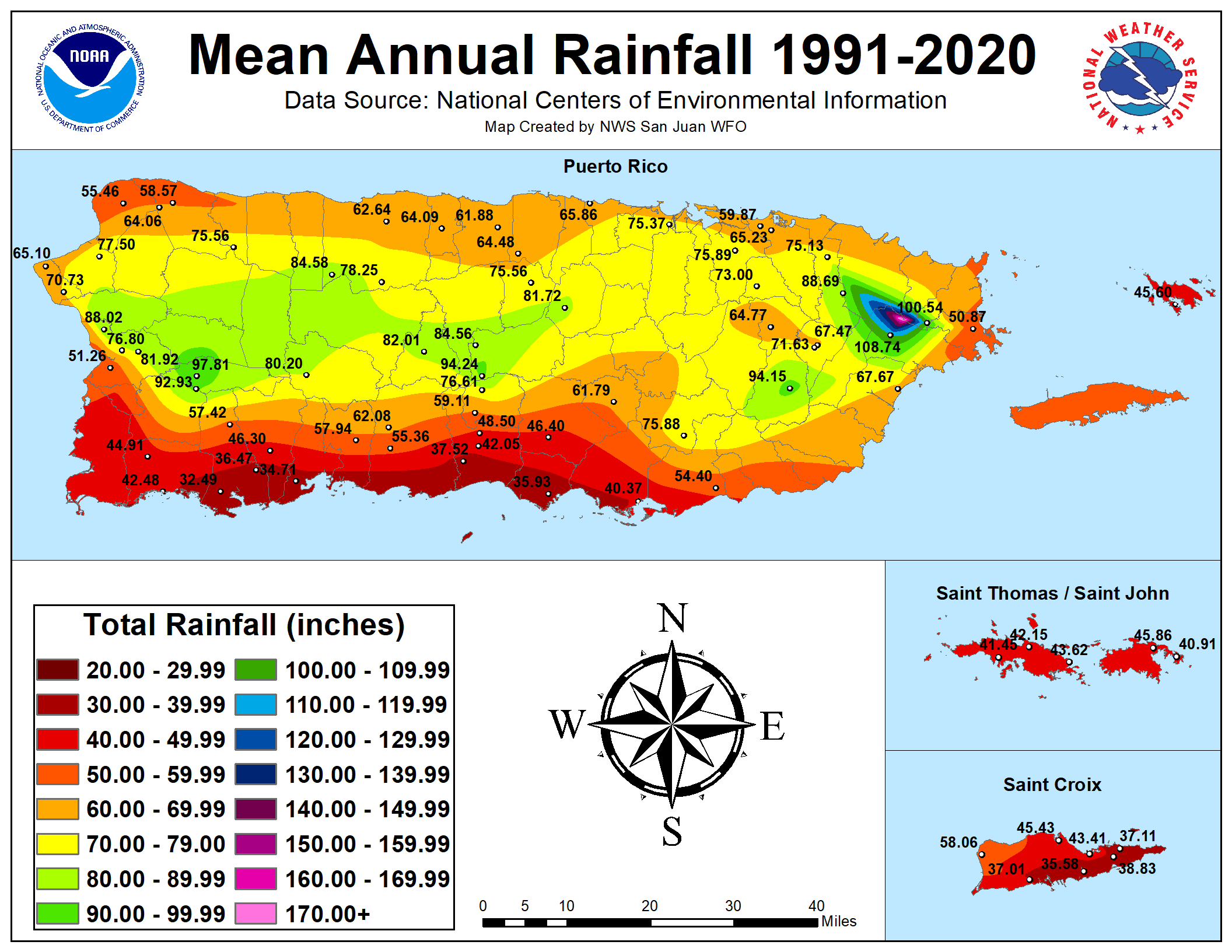
Humidity is a constant companion in Puerto Rico, typically ranging from 70% to 80% year-round. This high humidity contributes to the lush, verdant landscape but can also make the heat feel more intense. Rainfall is a significant factor in distinguishing the island’s seasons.
-
The Dry Season (December to April): This period is characterized by less rainfall and more sunshine, making it the most popular time for tourists to visit. While rain is less frequent, short, tropical showers can still occur, often clearing up quickly to reveal blue skies. These showers are typically refreshing and do little to disrupt outdoor activities. The northeastern part of the island, particularly the area around the El Yunque National Forest, tends to receive more rainfall even during the dry season due to its topography and prevailing winds.
-
The Wet Season (May to November): This season sees an increase in precipitation, with heavier and more frequent rain showers, particularly in the afternoons. However, it’s crucial to understand that “wet season” does not equate to constant downpours. Many days will still feature ample sunshine, interspersed with these characteristic tropical storms. The rain often brings relief from the heat and contributes to the island’s vibrant biodiversity. This period also coincides with the Atlantic hurricane season, which officially runs from June 1 to November 30. While direct hits from hurricanes are infrequent, travelers visiting during this time should remain aware of weather advisories and have flexible travel plans.
Weather Conditions Across Different Regions of Puerto Rico
While Puerto Rico is a relatively small island, its diverse topography results in localized weather variations. Understanding these regional nuances can help travelers plan their excursions more effectively.
Coastal Areas: San Juan, Ponce, and Rincón

The coastal regions, including the bustling capital of San Juan, the southern city of Ponce, and the popular surf town of Rincón, generally experience warm temperatures and a consistent sea breeze. Humidity is typically high, but the ocean winds provide a welcome cooling effect. Rainfall here tends to be less intense than in the mountainous interior, often manifesting as brief, passing showers. Evenings on the coast are usually pleasant, perfect for enjoying outdoor dining or a stroll along the beach.
The Mountainous Interior: Utuado and Adjuntas
Venturing into the central mountain range, known as the Cordillera Central, reveals a different climatic profile. Towns like Utuado and Adjuntas are known for their cooler temperatures and higher rainfall. The elevation significantly influences the weather, leading to more frequent cloud cover and mist, especially in the mornings. While this region might not be ideal for constant beach lounging, it offers incredible opportunities for hiking, exploring caves, and experiencing the island’s agricultural heartland. The cooler, humid air is conducive to the growth of coffee plantations and other unique flora.
The Islands: Vieques and Culebra
The smaller islands of Vieques and Culebra, located off the eastern coast of Puerto Rico, share the general tropical maritime climate of the mainland. They are known for their pristine beaches and clear waters, often experiencing sunny conditions with gentle breezes. While they are also within the hurricane belt, the weather is typically idyllic for beach-goers and snorkelers. The smaller size of these islands means that weather patterns can change rapidly, but generally, they offer a consistently warm and sunny experience.
Preparing for Puerto Rico’s Weather: Essential Travel Tips
To make the most of your trip to Puerto Rico, it’s wise to pack and plan with its climate in mind. Understanding the prevailing conditions will allow you to pack appropriately, choose suitable activities, and remain comfortable throughout your journey.
What to Pack for Comfort
The cornerstone of any Puerto Rico packing list is lightweight, breathable clothing.
- Apparel: Cotton and linen are excellent choices for shirts, shorts, skirts, and dresses. Pack swimwear for the abundant beaches and water activities. For evenings, a light jacket or sweater might be useful, especially in the mountains or if you plan to visit air-conditioned establishments. For women, consider packing a versatile wrap or shawl.
- Footwear: Comfortable walking shoes are essential for exploring cities like Old San Juan or hiking in El Yunque National Forest. Sandals or flip-flops are perfect for beach days and casual wear.
- Sun Protection: This is non-negotiable. A wide-brimmed hat, sunglasses with UV protection, and high-SPF sunscreen are vital to protect against the strong tropical sun. Consider reef-safe sunscreen if you plan to engage in water activities, to protect the delicate marine ecosystems.
- Rain Gear: Even in the dry season, a light, packable raincoat or umbrella is a sensible addition, especially if you plan to spend time in the rainforest or travel during the shoulder months.
- Insect Repellent: Mosquitoes and other biting insects are common, particularly during dawn and dusk, and in more humid or vegetated areas. Pack a good quality insect repellent containing DEET or picaridin.
Adapting Activities to Weather Conditions
The beauty of Puerto Rico is its ability to cater to a wide range of interests, regardless of the weather.
- Sunny Days: These are perfect for exploring the historic streets of Old San Juan, relaxing on beaches like Flamenco Beach on Culebra, or enjoying water sports such as snorkeling, diving, or kayaking. Island hopping to Culebra or Vieques is also a popular choice.
- Rainy Afternoons: Don’t let a brief shower deter you. This is an excellent time to immerse yourself in Puerto Rico’s rich culture. Visit museums like the Museo de Arte de Puerto Rico in San Juan, explore the fascinating bioluminescent bays (a kayak tour in the evening can be magical even after a daytime shower), enjoy a leisurely lunch at a local lechonera, or indulge in a spa treatment at one of the island’s many resorts. Coffee tasting tours in the central mountains can also be a delightful indoor or partially outdoor activity.
- Hurricane Season Awareness: While the likelihood of a direct hit is statistically low, it’s prudent to monitor weather forecasts closely if traveling between June and November. Many hotels and tour operators have flexible cancellation policies during this period. Familiarize yourself with local emergency procedures and heed any advisories issued by the National Hurricane Center or local authorities.
By understanding and respecting Puerto Rico’s tropical climate, travelers can plan a seamless and unforgettable vacation. The island’s consistently warm temperatures and the refreshing presence of its natural beauty make it an enduring destination, where every day offers an opportunity for adventure and relaxation under the Caribbean sun.
LifeOutOfTheBox is a participant in the Amazon Services LLC Associates Program, an affiliate advertising program designed to provide a means for sites to earn advertising fees by advertising and linking to Amazon.com. Amazon, the Amazon logo, AmazonSupply, and the AmazonSupply logo are trademarks of Amazon.com, Inc. or its affiliates. As an Amazon Associate we earn affiliate commissions from qualifying purchases.